 The Duck Curve
#california
California offers at least $28M for fast chargers, up to $100,000 a port
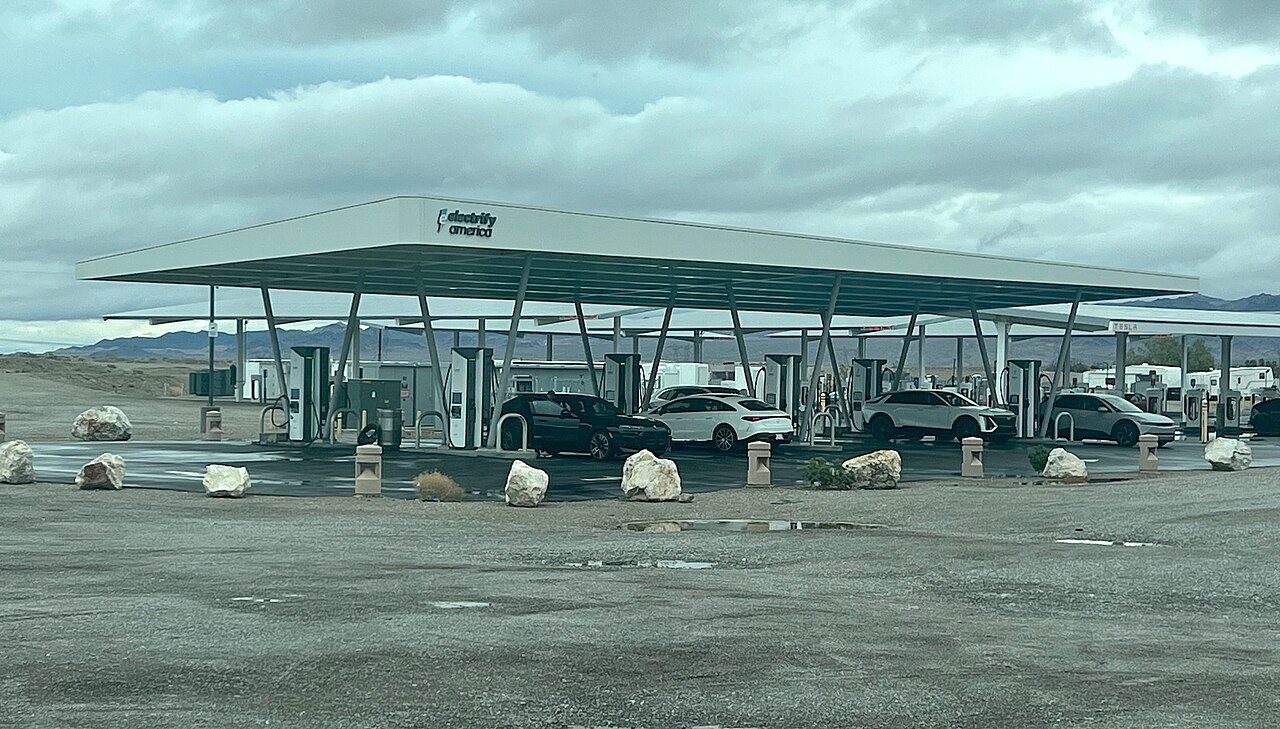
The California Energy Commission opened at least $28 million in Fast Charge California Project incentives on October 7, 2026, covering up to 100% of eligible costs for public DC fast chargers, at up to $100,000 per port, for ready-to-build projects applying by January 14, 2027. The $100,000 rate is for ports of 275 kW or more; a window from February 24 to May 27, 2027 pays up to $55,000 per port.
Berkeley Lab: batteries paired with 37% of new US home solar in 2025
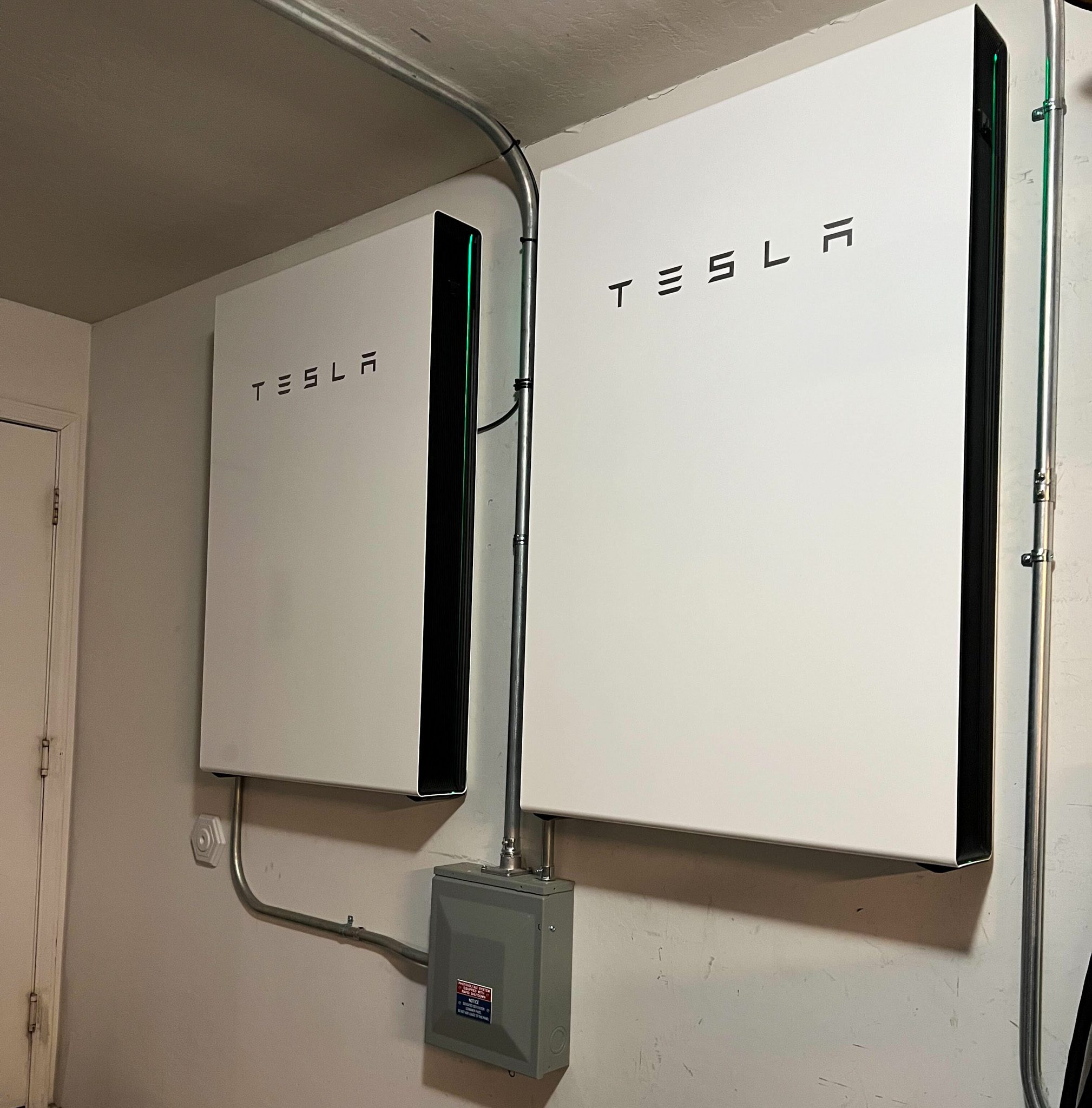
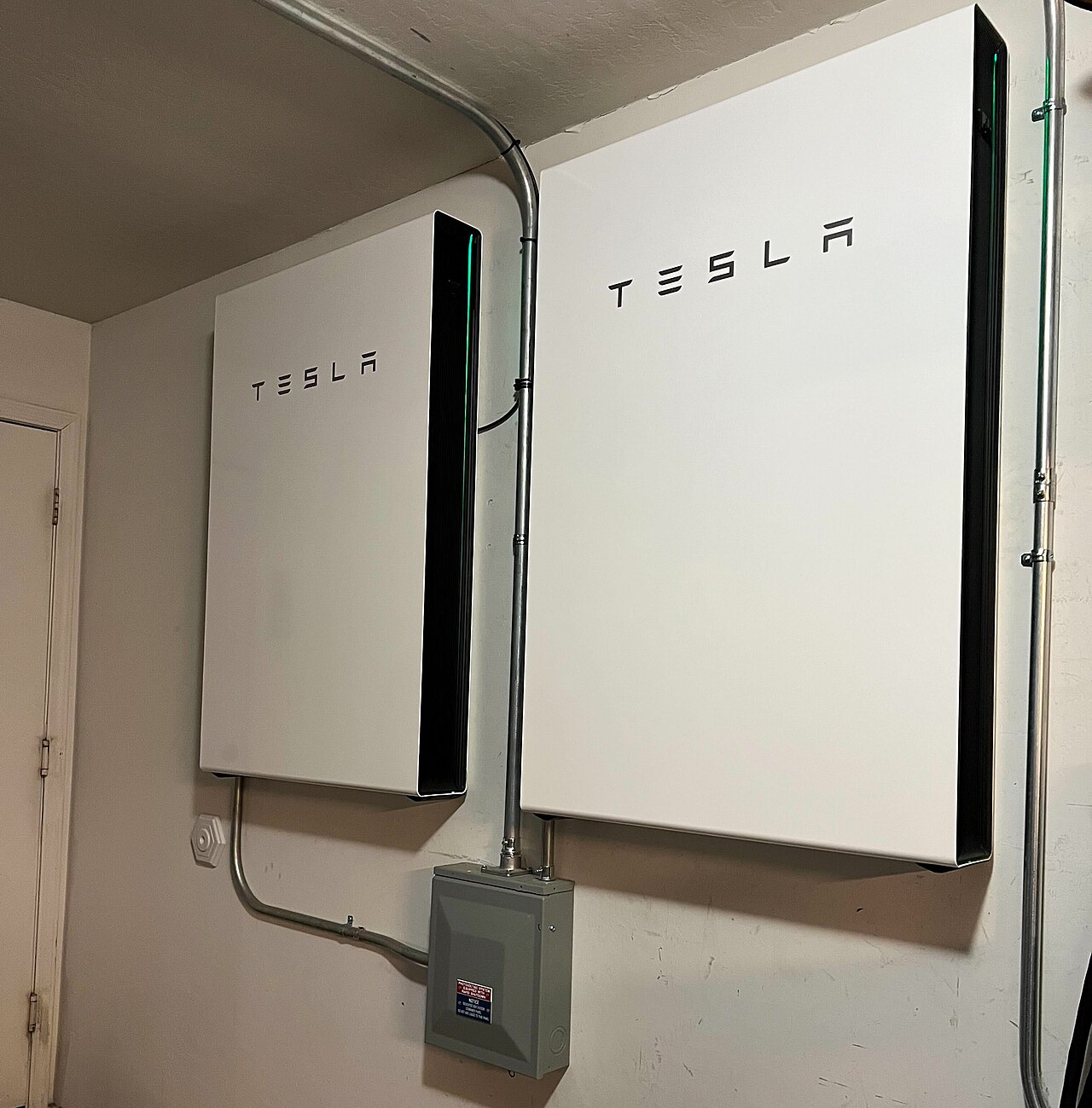
Lawrence Berkeley National Laboratory's U.S. Distributed Solar and Storage: 2026 Data Update, published in August 2026, finds batteries were paired with 37% of new US residential solar systems in 2025, up from 25% in 2024: 74% in California (from 58%) and 17% in all other states combined (from 7%). Median residential battery capacity held at 13.5 kWh while median discharge capacity rose from 6.0 kW to 11.4 kW, which the lab attributes to Tesla's Powerwall 3. The rates exclude batteries added to existing systems and stand-alone storage.
South Coast AQMD adds $60.2 million to GO ZERO with lower home rebates
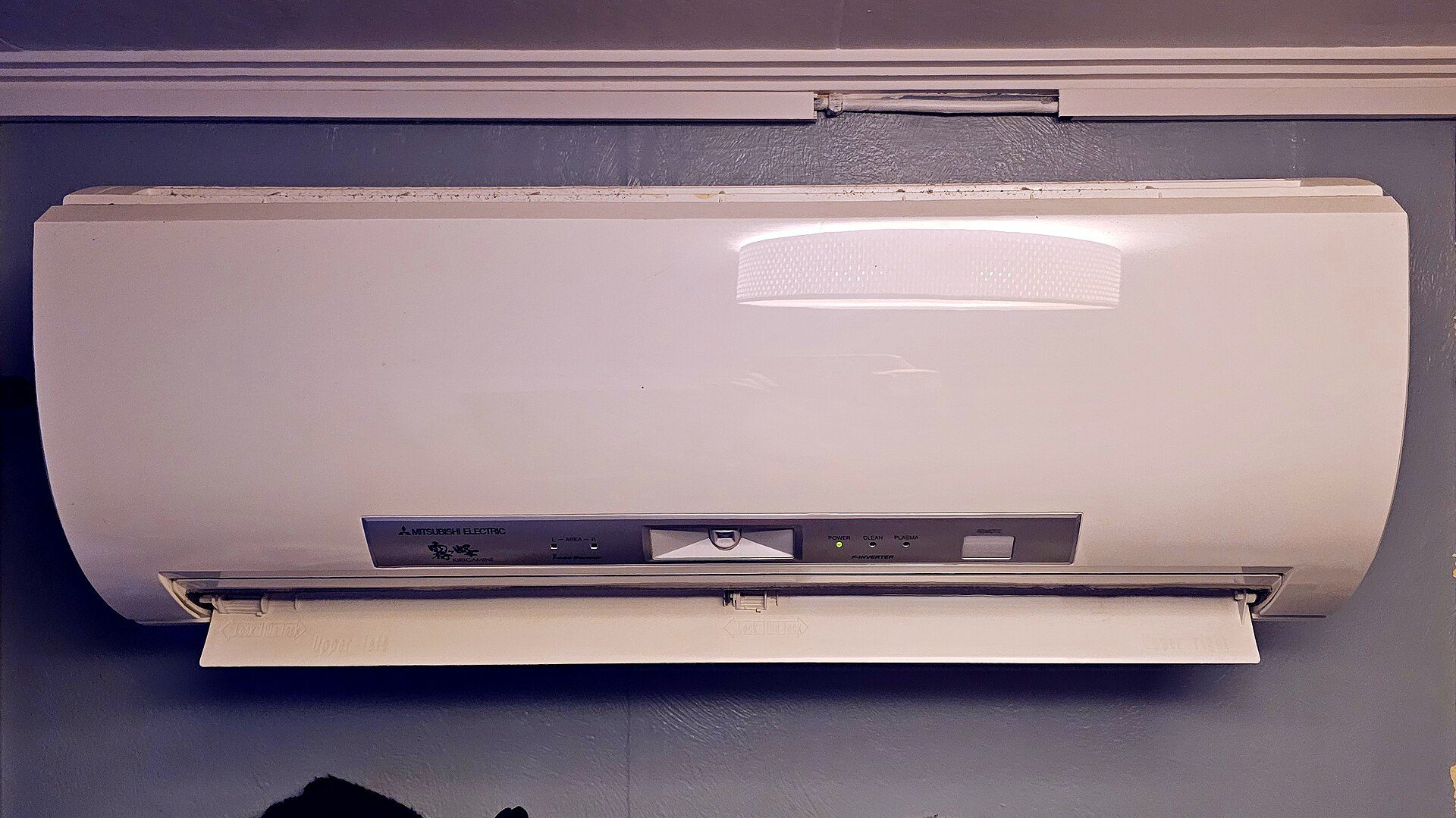
South Coast AQMD's board approved GO ZERO Phase 2 on October 2, 2026: up to $60.2 million of Rules 1111 and 1121 mitigation fees for swapping gas furnaces and water heaters for heat pumps. The board letter puts up to $20 million each into single-family and multifamily rebates, plus up to $20 million the Executive Officer may release in $5 million increments to those, small business rebates or outreach; it adds solar water heating, lowers amounts for smaller systems including mini-split and window heat pumps, and sets every single-family and multifamily rebate in its table below the pilot's.
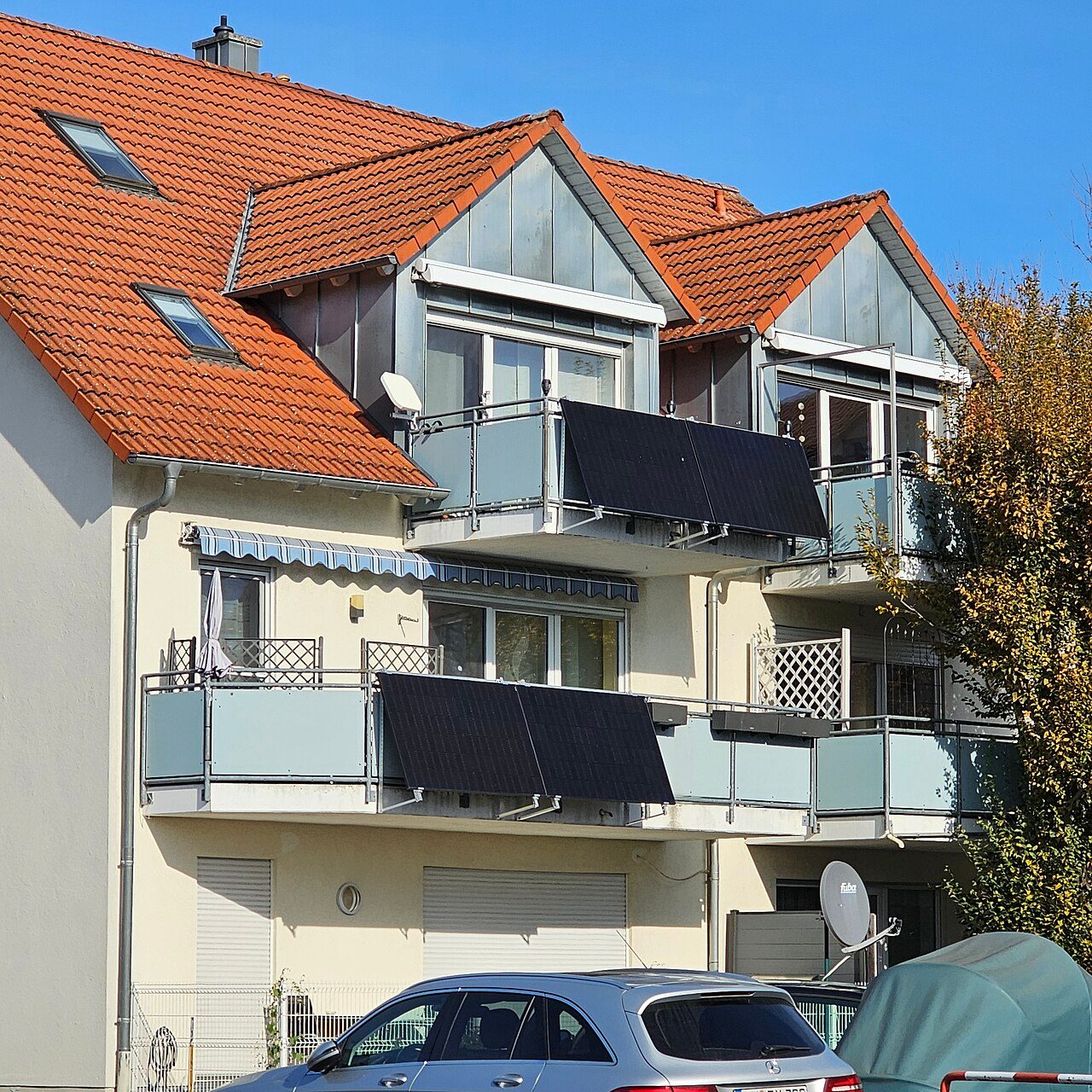
Newsom signs SB 868, California's plug-in solar law, as Chapter 985
Governor Gavin Newsom approved SB 868 on September 30, 2026; it was chaptered the same day as Chapter 985, Statutes of 2026. The law adds Sections 8530 to 8532 to the Public Utilities Code: a portable solar generation device meeting six conditions, including no more than 1,200 watts of aggregated AC output per dwelling and UL or equivalent certification, is exempt from interconnection requirements and from utility approval, fees and added equipment. The exemption section is repealed on January 1, 2030, when a sales standard for receptacle-connected devices begins.
Newsom signs SB 913, a 2028 deadline to count aggregations as grid capacity
Governor Gavin Newsom approved SB 913 on September 30, 2026, and the Secretary of State chaptered it the same day as Chapter 987, Statutes of 2026. The law adds Section 380.1 to the Public Utilities Code: by June 30, 2028, the California Public Utilities Commission, with the California Energy Commission and the Independent System Operator, must enhance existing market-integrated pathways for aggregated distributed energy resources to qualify as resource adequacy capacity. The digest key records no appropriation.
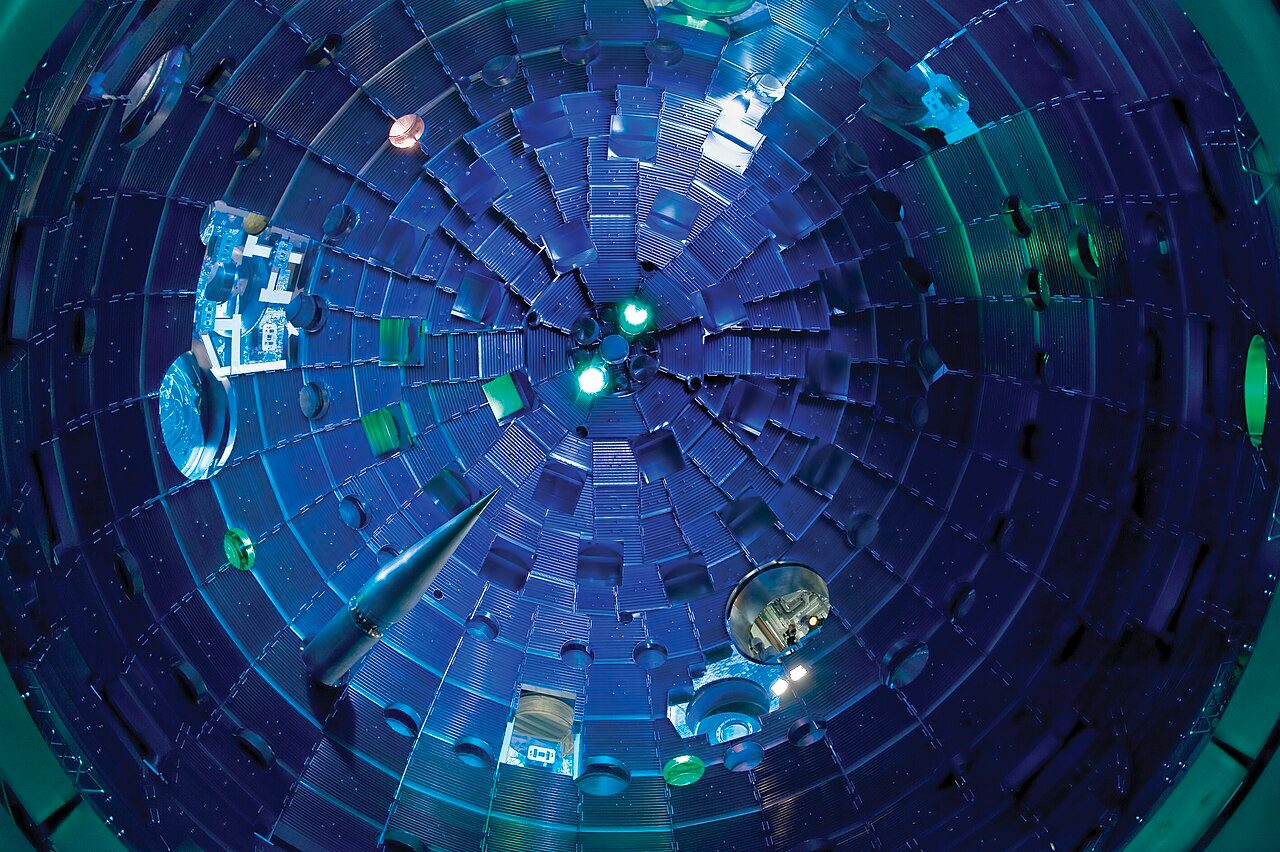
Newsom signs SB 925 fusion strategic plan and AB 2647 nuclear assessment
Governor Gavin Newsom announced on September 30, 2026 that he has signed SB 925 (McNerney) and AB 2647 (Calderon). SB 925 requires the California Energy Commission to submit a fusion energy strategic plan by December 31, 2029, and adds fusion manufacturing projects with a certified capital investment of at least $250 million over five years to CEQA-streamlined certification. AB 2647 requires the commission to prepare a nuclear assessment by January 1, 2028 and, in preparing it, to consider recommended revisions to state law and regulations, including to Sections 25524.1 and 25524.2.
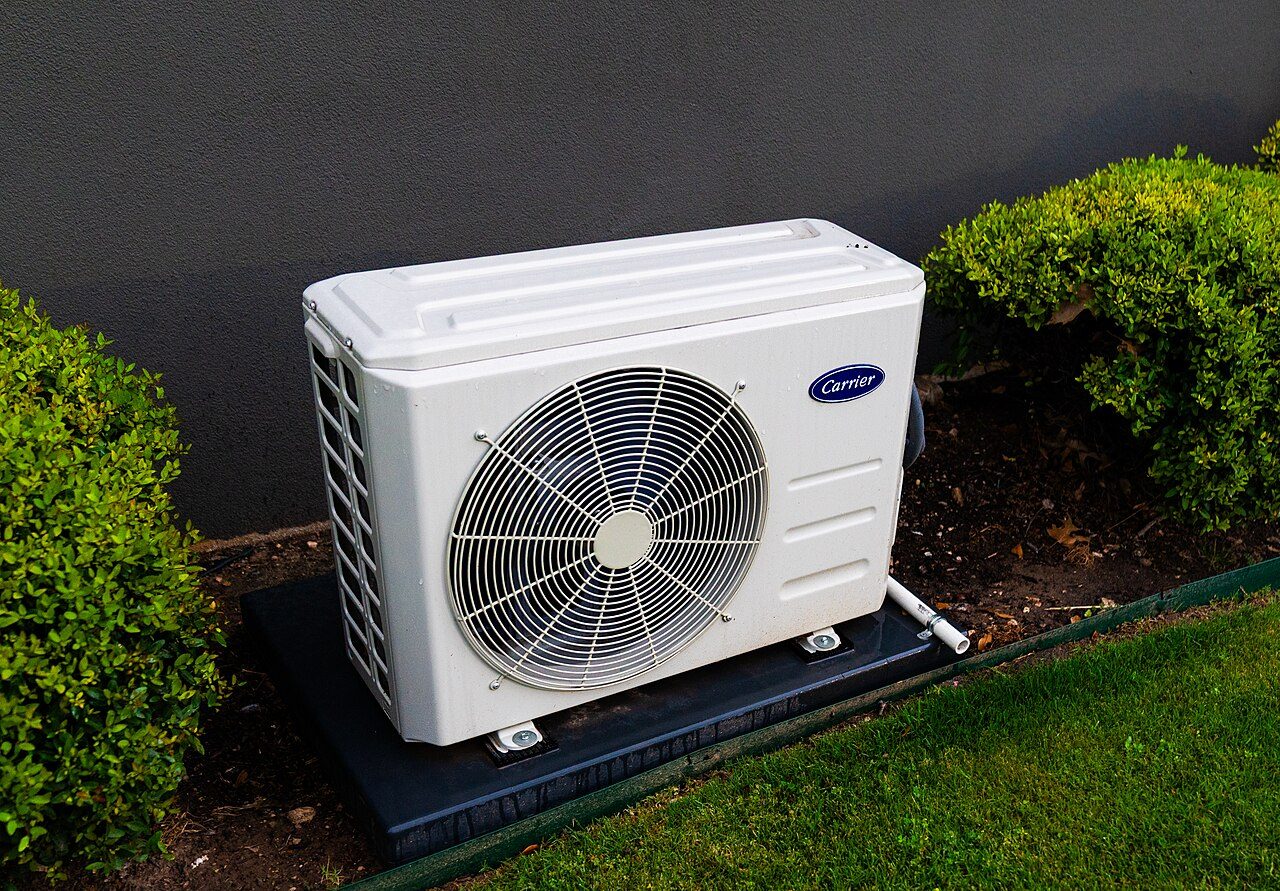
Newsom signs SB 222, California's heat pump permitting law, as Chapter 738
Governor Gavin Newsom approved SB 222 on September 28, 2026, and it was filed the same day as Chapter 738, Statutes of 2026. The chaptered text requires every California city and county, beginning July 1, 2027, to offer asynchronous inspections for residential heat pump water heater and HVAC installations; it requires real-time online permits for swapouts by July 1, 2028 and caps permit fees at $150 and $200, each with its own small-jurisdiction carve-out; it exempts plug-in window units from permits and voids HOA bans on replacing a gas appliance with an electric one.
La Verne council ratifies local emergency over MWD battery fire
The La Verne City Council voted unanimously on September 29, 2026 to approve a local emergency over the September 22 fire at the Metropolitan Water District's Weymouth plant, CBS Los Angeles reported; the resolution ratifies the city manager's September 25 proclamation, continuing it until the council ends it, at the earliest possible date that conditions warrant. The city manager's incident-update report says the cause investigation is ongoing and expected to be lengthy and thorough; the city's bulletin at 8:30 PM September 29 says the modules remain isolated and prepared for removal.
LA Metro board approves 220 electric buses from ENC, gates 1,600 options
LA Metro's board on September 24, 2026 authorized a $337,698,727.58 base contract with ElDorado National (California), Inc. for 220 forty-foot battery electric buses and raised the project's life-of-project budget to $434,355,185; deliveries begin in spring 2028, per the board report. A Bass amendment makes any purchase of the up to 1,600 option buses subject to board approval, in increments not to exceed 300, and lets the board decline or rebid options. Metro's July 2026 update counted 140 zero-emission buses, 6.46% of its fleet; Streetsblog LA puts the post-purchase share at over 20 percent.
Newsom signs AB 1738, a remote-inspection option for heat pumps and solar
Governor Gavin Newsom signed AB 1738 on September 18, 2026, adding Section 17970.9 to the Health and Safety Code: cities and counties must offer homeowners, or contractors who give the city or county the homeowner's written consent, a remote-inspection option for heat pump water heaters, heat pump HVAC, reroofs, solar of 15 kW AC or less, energy storage systems, and smoke and CO detectors by January 1, 2028, or July 1, 2028 for cities of 50,000 or fewer; cities under 5,000 and counties under 150,000, with their cities, are exempt. SB 222 was still unsigned on September 27.
La Verne lifts evacuations after battery fire at MWD's Weymouth plant
The City of La Verne said on September 25, 2026 that all evacuation orders from the September 22 lithium battery explosion and fire at the Metropolitan Water District's Weymouth Water Treatment Plant had been lifted after crews removed the modules overnight. The city says two 250-kilowatt units serving a solar farm were involved, one burned and the second overheated; its September 25 summaries put air monitoring in the normal range; the packs are expected off site within 3 to 5 days of September 25, pending materials; MWD then leads the investigation; the City Council meets September 29.
PG&E and GM Energy bundle charger at no additional cost, $15 monthly credit
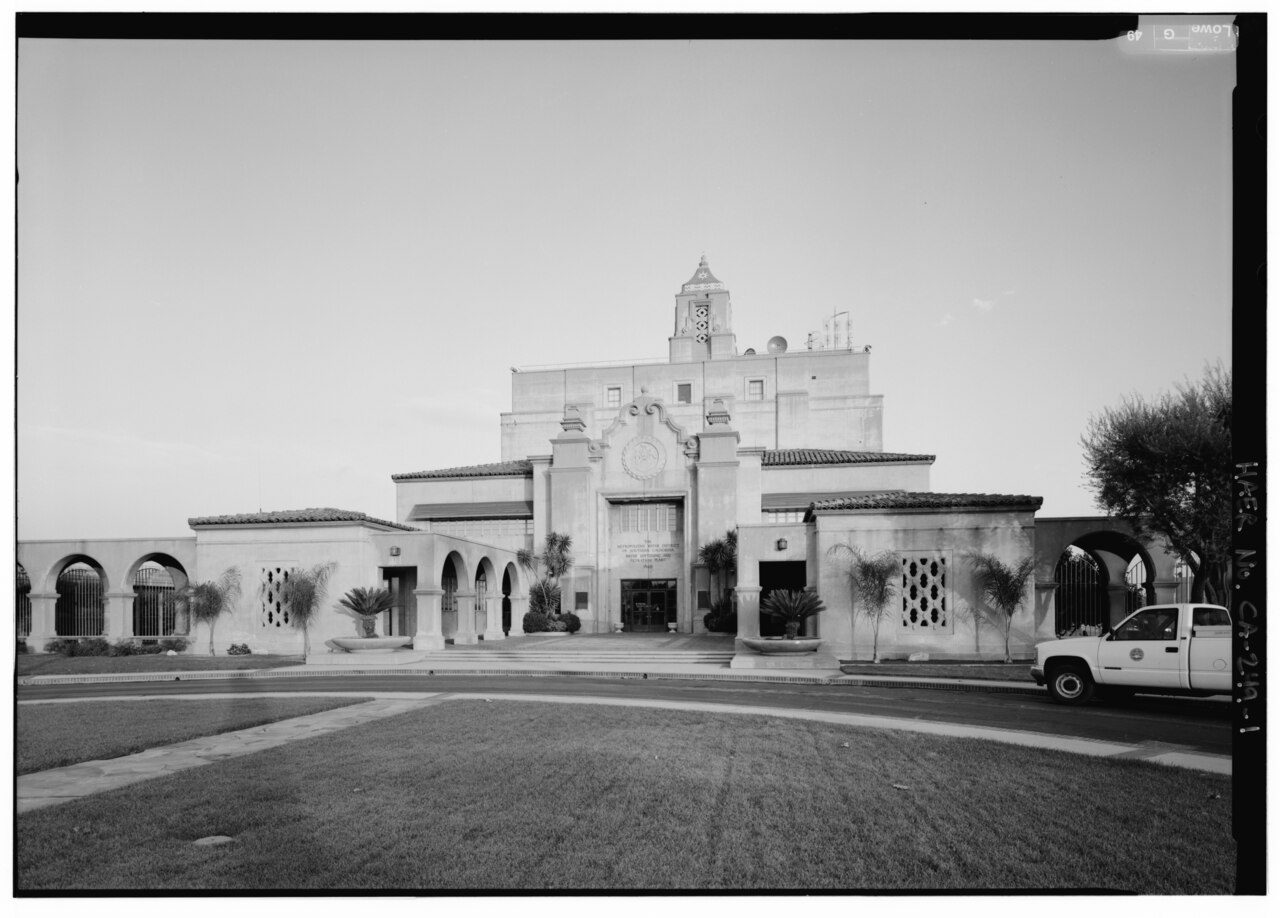
PG&E and GM Energy said on September 23, 2026 that their Smart Charge Bundle gives buyers of a new Chevrolet, GMC or Cadillac EV a GM Energy home charger at no additional hardware cost plus a $15 monthly PG&E bill credit through the EV Charge Manager program. The bundle page limits participation to single-family or detached homes with an active OnStar plan with location services enabled; as of September 23, 2026 PG&E's page for the general EV Charge Manager program calls that program fully subscribed, and neither page says whether the bundle track is affected.
Sunrun and Tesla put the September 9 home-battery dispatch at over 580 MW
Sunrun and Tesla said on September 21, 2026 that their home battery fleets dispatched more than 580 MW of peak power to California's grid for three hours on the evening of September 9, 2026: 517 MW from Tesla Powerwalls, 110,000 of which participated (55% Sunrun-owned), and 63 MW from what the release calls additional batteries; Sunrun separately dispatched more than 30,000 customer batteries from other manufacturers. The release ties the event to the CEC's DSGS price trigger and a PG&E call under the CPUC's ELRP, and calls it the largest distributed power plant dispatch event on record.
Newsom signs six EV bills on charger permits, fees, and battery labels
Governor Gavin Newsom's office said on September 20, 2026 that he signed SB 969, SB 1283, AB 1820, SB 1213, SB 1267, and SB 615. Per the Legislative Counsel's digests, SB 1283 extends California's expedited charger permitting to supporting infrastructure; AB 1820 caps Level 2 charger permit fees at multifamily housing from July 1, 2027 (January 1, 2028 in jurisdictions under 200,000 residents); SB 615 requires a permanent label on new vehicle traction batteries from July 1, 2028. As of September 20 each bill's history page still ended at "Enrolled and presented to the Governor."
Vistra reports new fire in Moss Landing 300 building's unburned batteries
Vistra says its personnel identified a flare-up at about 6 a.m. Pacific time on September 18, 2026 along the north wall of the Moss Landing 300 building, the building at its Moss Landing, California site that burned in January 2025. In a later, undated update the company says county officials report the fire inactive at this time, and that it believes about 1,200 of the roughly 5,000 unburned, still-charged modules inside ignited. CalMatters reported that Monterey County officials issued a shelter-in-place order and local authorities lifted it that afternoon.
PG&E picks six community microgrids for $30M in second incentive round
Pacific Gas and Electric Company said on September 17, 2026 that it selected six community microgrid projects in the second application window of its CPUC-authorized Microgrid Incentive Program, directing $30 million in awards of $2 million to $6 million each, and that several of the nine first-round awardees are executing grant agreements. Counting the first round at the $43 million the new release states (up to $43 million in the March 2025 release), PG&E puts its authorized community microgrid investment at more than $73 million of a $79.2 million allocation.
BLM sets October 27 auction for 19 California geothermal parcels
The Bureau of Land Management announced on September 11, 2026 a competitive geothermal lease sale on October 27, 2026 for 19 parcels covering 39,723.81 acres of public land in Inyo, Mono, Lake, Sonoma, Modoc, and Imperial counties, California. It is the fourth sale listed on the bureau's California geothermal page since 2014; the August 2025 sale took $2,711,858 on 13 parcels, and a December 2025 instruction memorandum directs BLM state offices to hold geothermal sales annually where nominations are pending.
Tesla says about 69,000 California homes sent over 500 MW to the grid
Tesla Energy said on X on September 9, 2026 that about 69,000 Powerwall owners across California were dispatching more than 500 MW to the grid during that day's heatwave. The attached screenshot of Tesla's California Virtual Power Plant dashboard showed 105,009 homes in California VPPs, 68,887 homes in a VPP event, and 507 MW of battery power discharging. The dashboard credits Tesla VPPs with the majority of a July 2025 event that delivered over 500 MW, which a Brattle Group report commissioned by Sunrun and Tesla Energy measured as an average 539 MW net-load reduction in a test event.
SEIA/WoodMac: residential solar fell 12% in Q2 2026, utility-scale up 61%
The Q3 2026 US Solar Market Insight from SEIA and Wood Mackenzie puts Q2 2026 residential solar at 995 MWdc, down 12% year over year and 10% from Q1, the quarter in which the report says interconnection data began to reflect the end of the Section 25D credit; the authors now expect a 23% residential contraction in 2026. Utility-scale solar installed 9.6 GWdc, up 61% year over year, as developers placed safe-harbored projects into service.
South Coast AQMD opens $73.1M of warehouse fees to zero-emission trucks
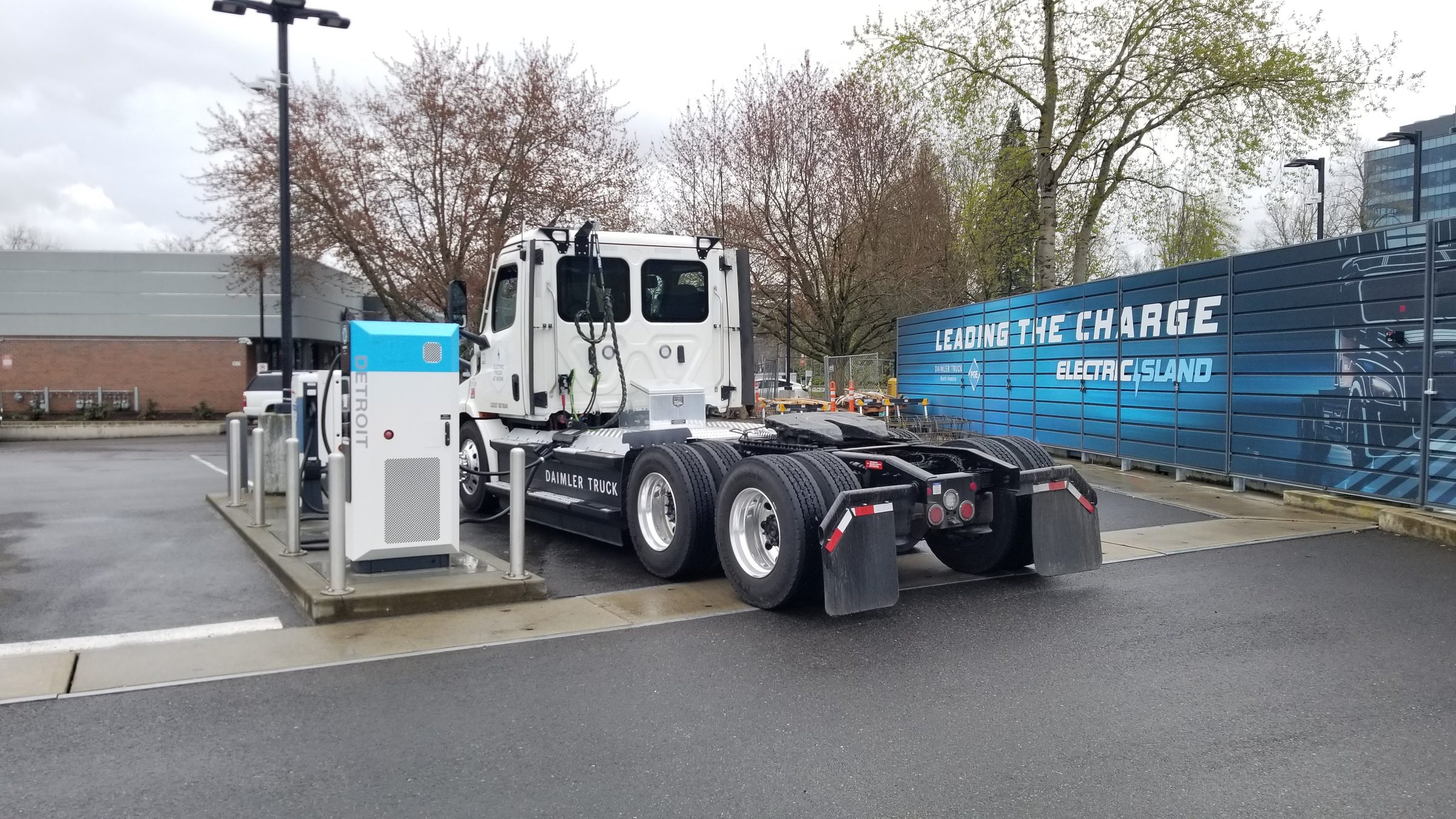
The South Coast Air Quality Management District board approved on September 4, 2026 a program offering up to $73,135,300 in mitigation fees paid by warehouse operators under Rule 2305 for zero-emission Class 4 to 8 trucks, yard trucks, and charging and hydrogen fueling infrastructure serving warehouses. Caps are $120,000 per battery-electric Class 8 truck and $240,000 per hydrogen fuel cell Class 8; applications run October 13 to December 15, 2026, first come first served within the Source Receptor Area where the fees were paid, or an adjacent one in the same county if none qualify there.
Virtual power plants in the US
As of October 6, 2026, US virtual power plants are growing through state programs and private capacity deals while FERC Order 2222 market access arrives operator by operator: live at CAISO since November 2024, due at ISO New England November 2026 and at MISO and SPP in 2030.
California budget bill carries no 2027 money for its DSGS home-battery VPP
California's end-of-session budget bill AB 113, passed by the Senate on September 1, 2026 with the Assembly concurring the same day, contains no appropriation for the Demand Side Grid Support program, the California Energy Commission's virtual power plant of home batteries, smart thermostats and demand response that the CEC estimated at 1,145 MW enrolled in April 2026. The bill adds $20 million for the sister Distributed Electricity Backup Assets program; a Senate proposal to shift $70 million of CalSHAPE interest into DSGS was not included, and Advanced Energy United says the program is funded only through the end of 2026.
PG&E launches Google-funded SHARE virtual power plant in the Bay Area
Pacific Gas and Electric Company announced SHARE (Smart Home Assets for Reliability and Efficiency) on September 3, 2026, a virtual power plant proof of concept it says will enroll nearly 21,000 existing home energy devices through Tesla, Sunrun, and Renew Home and deploy new Carrier battery-enabled heat pumps in Alameda and Santa Clara counties, with Google funding customer incentives, technology deployment, and program delivery. PG&E expects the resource to begin supporting the grid as early as fall 2026 and the program to run through 2027; no capacity or dollar figure was disclosed.
California sues Interior to undo Morro Bay offshore wind lease buyout
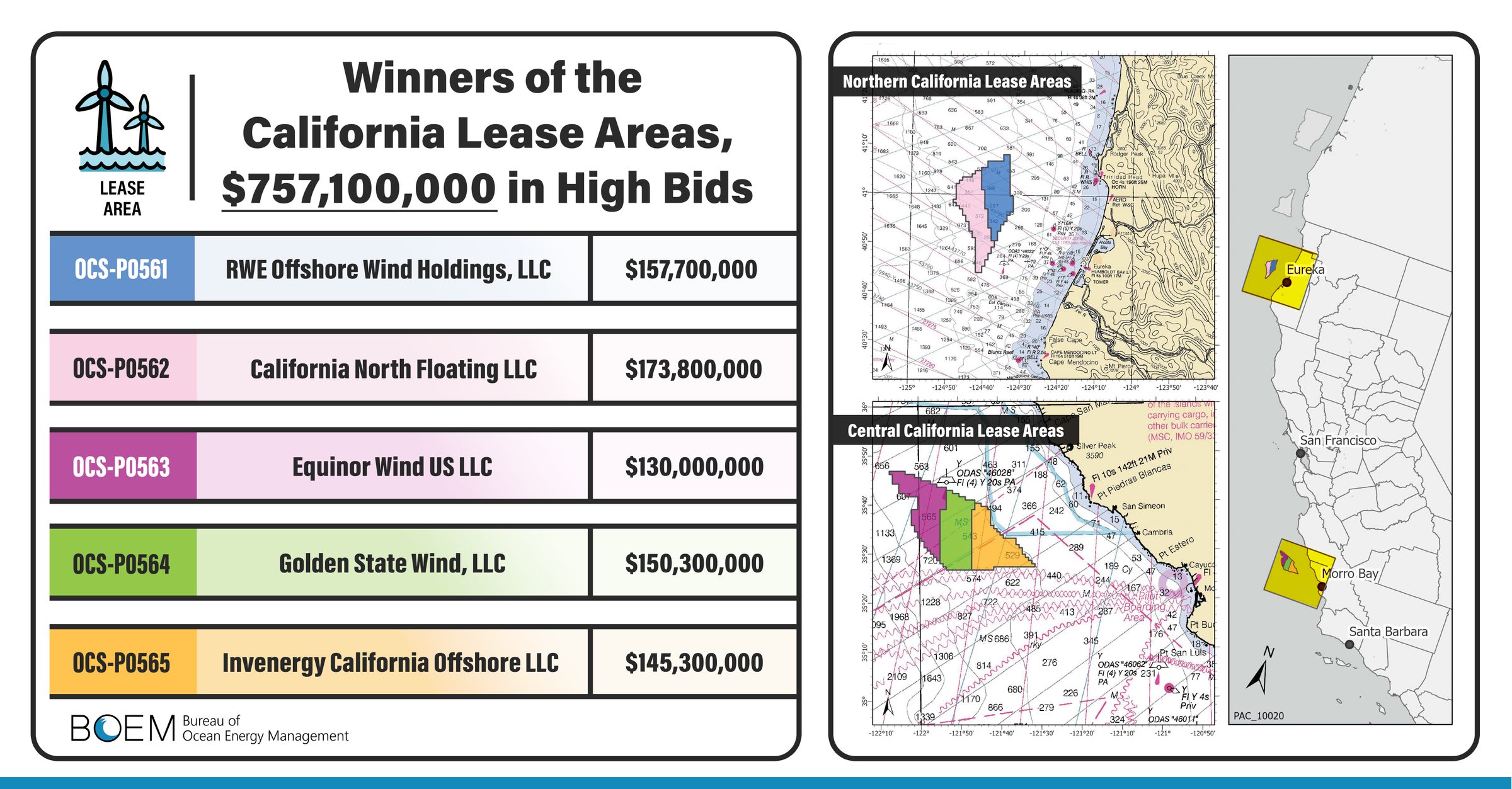
California Attorney General Rob Bonta and the California Energy Commission sued the US Interior Department on August 28, 2026, asking a federal court to void the agreement that reimburses Golden State Wind up to $120,240,000 from the Judgment Fund for abandoning its approximately 1.5 to 2 GW Morro Bay offshore wind lease once matching investments are made in Gulf Coast fossil fuel projects. The complaint tallies nearly $4 billion directed from the fund toward cancelling twelve offshore wind projects.
California Legislature passes SB 222 to standardize heat pump permits
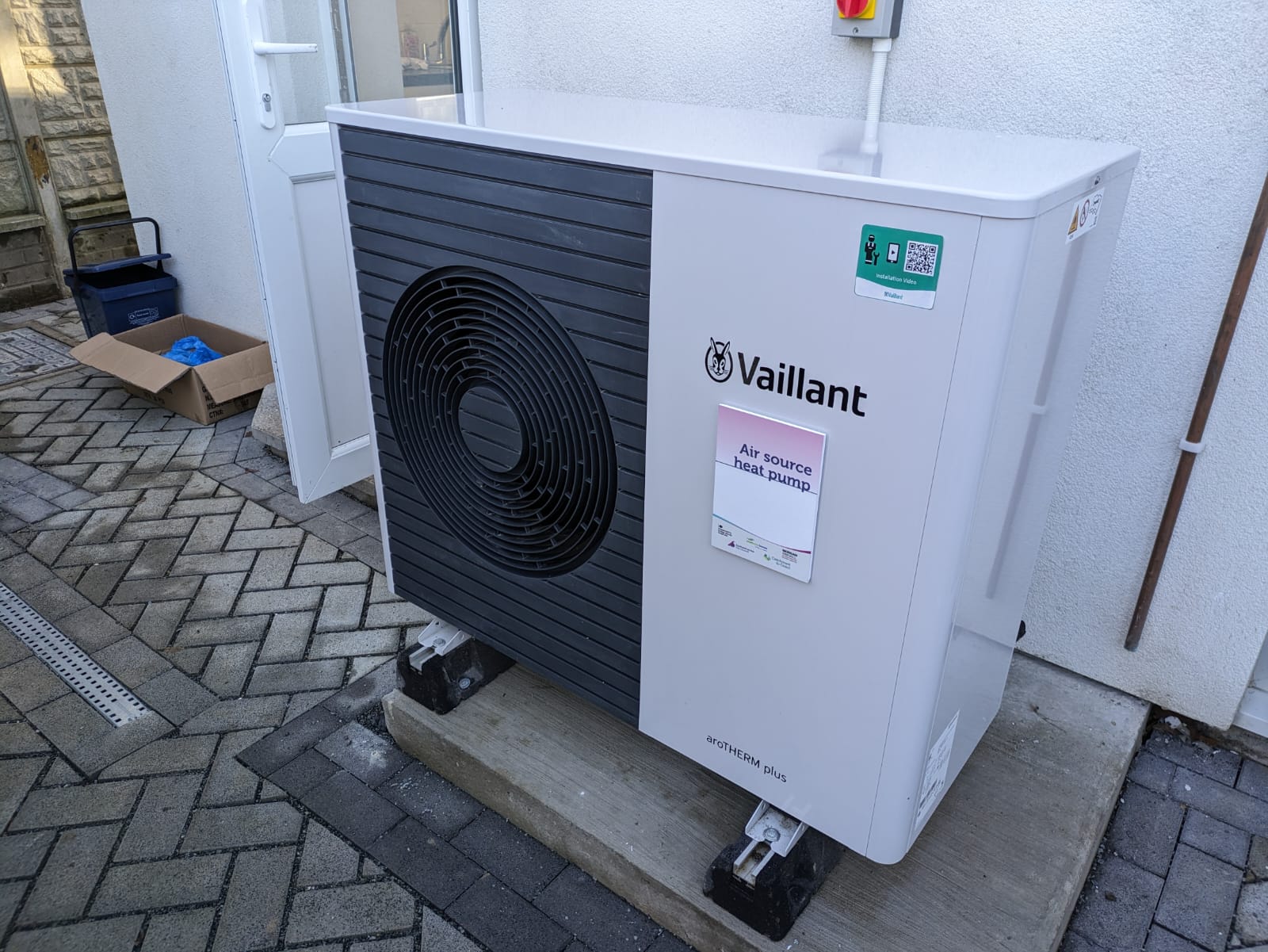
The California Legislature passed SB 222, the Heat Pump Access Act, on August 25, 2026 (Assembly 60-8 on August 24, Senate concurrence 32-5). The bill requires cities and counties to issue real-time online permits for residential heat pump installations by July 1, 2028, caps permit fees, limits installations to one nondiscretionary permit, and voids HOA restrictions on replacing gas appliances with electric ones. Governor Newsom has until September 30 to act on it, according to Senator Scott Wiener's office.
PG&E expands V2X program to Nissan, Volvo, Polestar, and Kia EVs
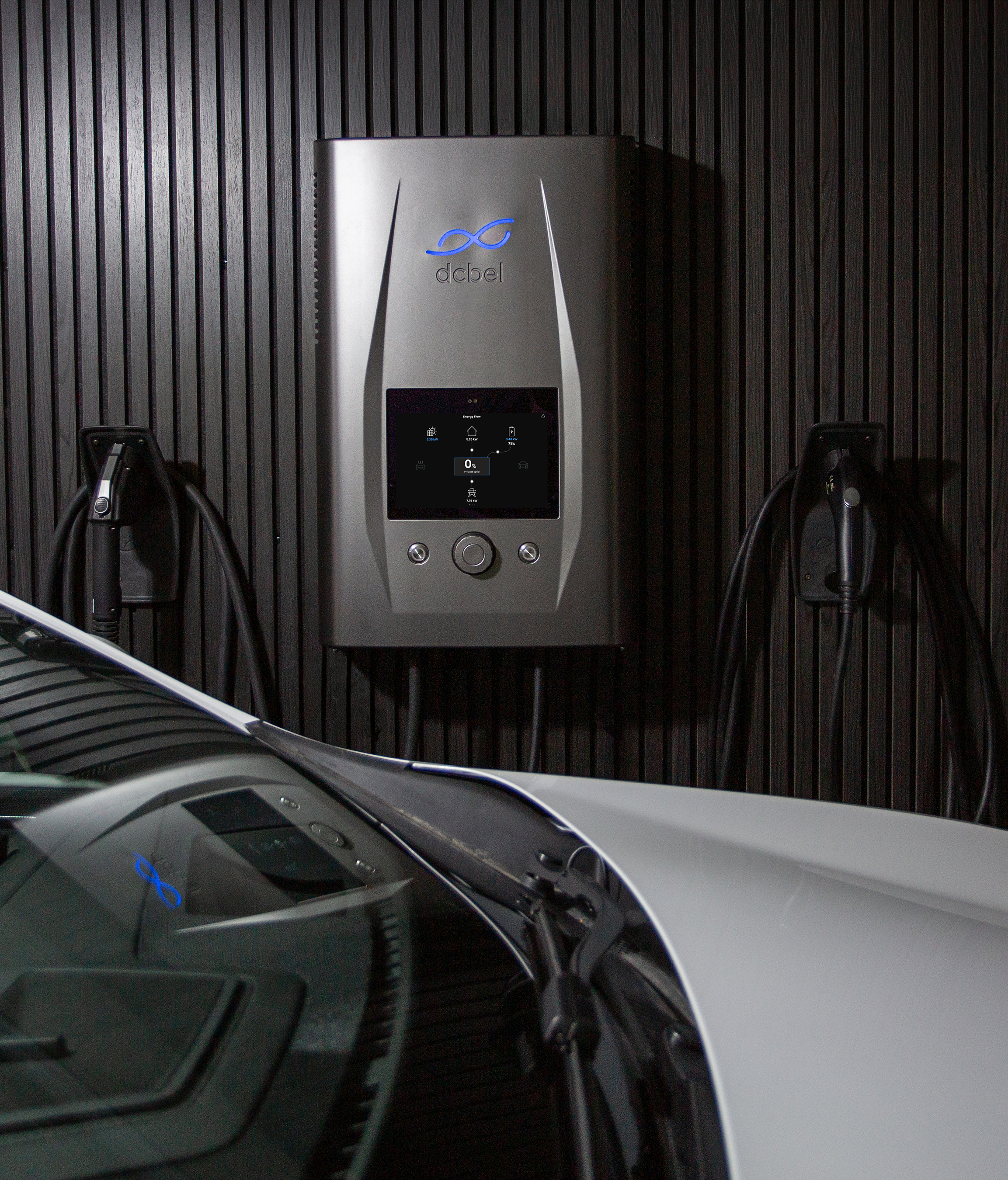
PG&E expanded its Vehicle-to-Everything program on August 24, 2026: the Nissan Leaf, Volvo EX90, and Polestar 3 with dcbel's Ara charger, and the Kia EV9 and EV6 with the Wallbox Quasar 2, are now eligible alongside new partners Bidirectional Energy and PowerFlex. Residential incentives run $2,500 to $4,500, PG&E says the new vehicle-and-charger combinations qualify for up to $13,000 in California Energy Commission grant funding subject to additional eligibility requirements, and enrollment stays open through June 30, 2027.
GridLab: V2G could supply 30% of California's utility-scale storage target
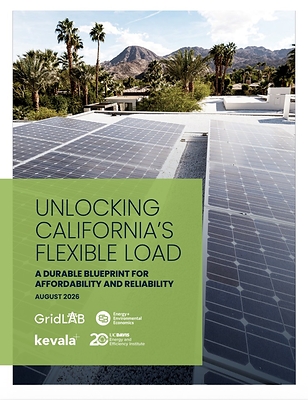
A GridLab, Kevala, and E3 report released in August 2026 and announced on August 18 finds that enrolling 10 percent of the 9.7 million light-duty EVs California projects for 2036 in vehicle-to-grid programs could supply 30 percent of the state's cumulative utility-scale storage procurement target, if V2G resources are accredited on a comparable basis with grid-scale storage. The report recommends replacing California's fragmented demand-flexibility programs with standardized products that pay only for measured performance, below verified avoided costs.