 The Duck Curve
Home Energy
Rooftop solar, home batteries, heat pumps, and the rates and programs that decide what they are worth.
RSS feed for Home Energy →-
Renew Home, now Everyday Electric, buys connected-car platform Smartcar
Renew Home renamed itself Everyday Electric on October 6, 2026, introduced a whole-home Everyday VPP with HVAC, EV, EVSE, storage and solar OEM partners, and said it acquired connected-vehicle platform Smartcar for managed charging in utility programs, without disclosing terms. It claims 6+ GW of capacity and a five-year goal of over $5 billion in household savings that counts avoided system costs for all households its energy provider partners serve.
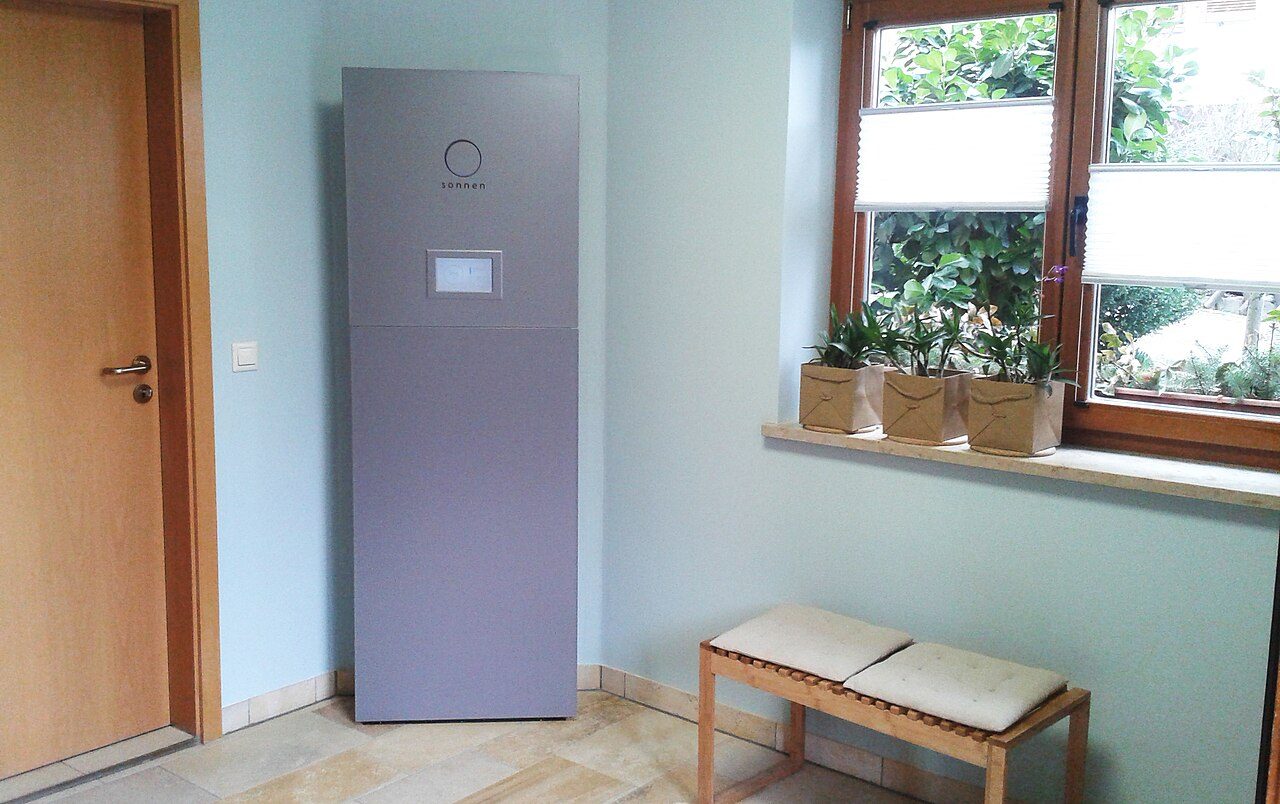
Germany's MiSpeL rules let home batteries mix grid and solar power
Germany's Bundesnetzagentur adopted the MiSpeL determination on October 1, 2026, letting batteries and bidirectional EV charge points store grid power alongside solar while keeping the EEG market premium on the solar share and levy relief on stored grid power. The premium requires direct marketing, the flat-rate option for arrays up to 30 kWp awaits EU state-aid approval, and until September 30, 2027 use needs grid and meter operator consent.
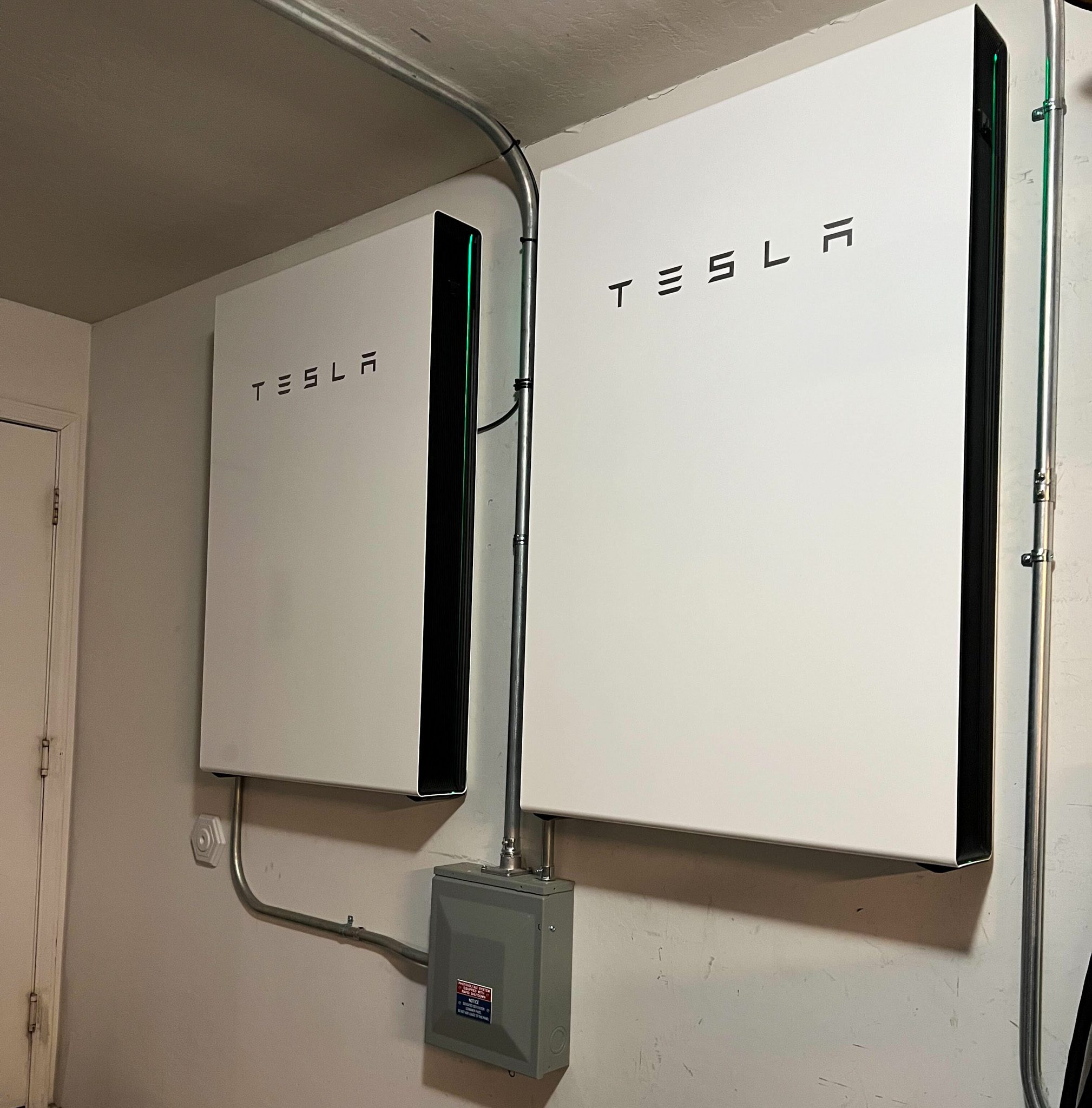
Berkeley Lab: batteries paired with 37% of new US home solar in 2025
Lawrence Berkeley National Laboratory's U.S. Distributed Solar and Storage: 2026 Data Update, published in August 2026, finds batteries were paired with 37% of new US residential solar systems in 2025, up from 25% in 2024: 74% in California (from 58%) and 17% in all other states combined (from 7%). Median residential battery capacity held at 13.5 kWh while median discharge capacity rose from 6.0 kW to 11.4 kW, which the lab attributes to Tesla's Powerwall 3. The rates exclude batteries added to existing systems and stand-alone storage.
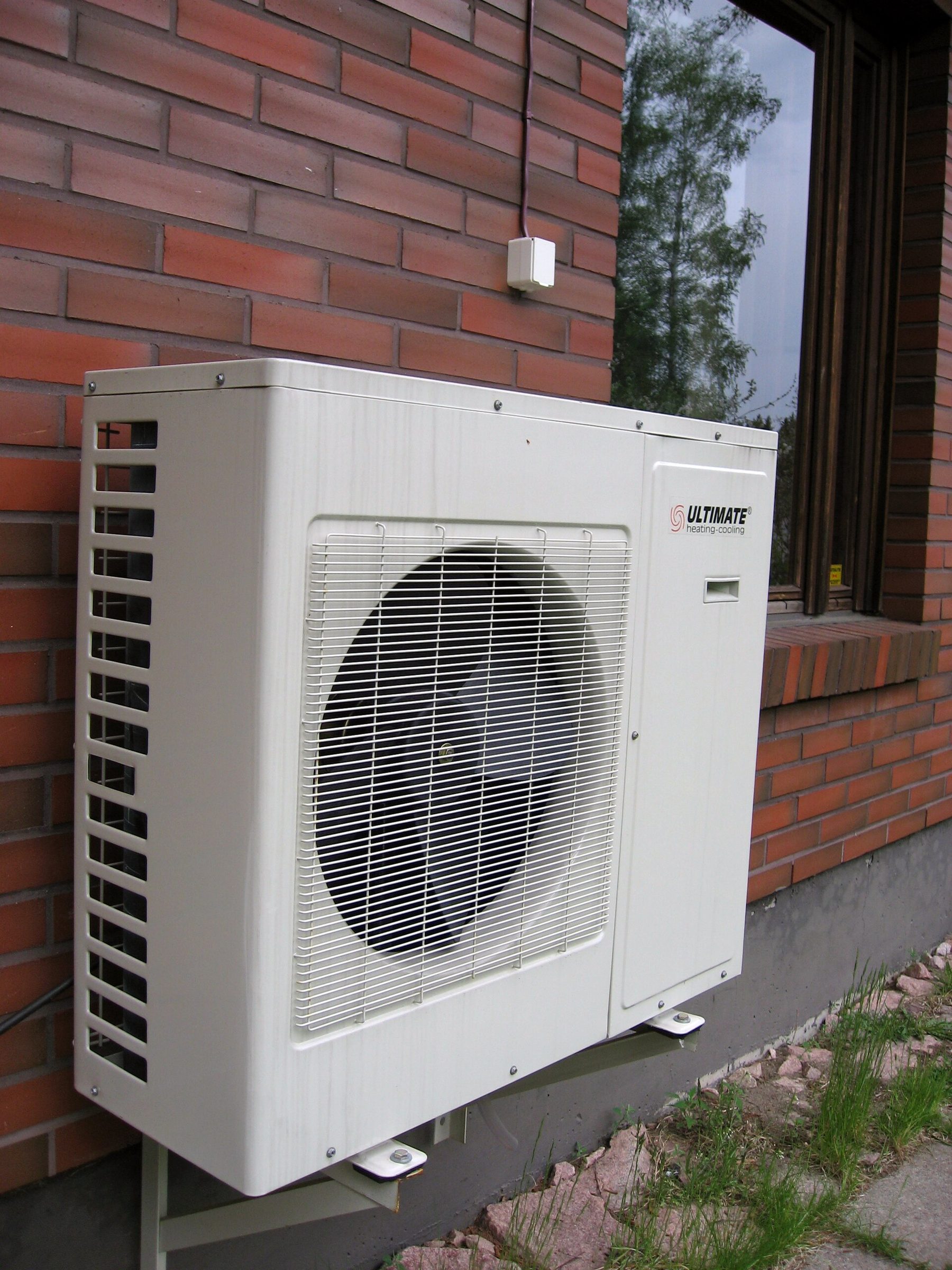
National Grid's winter heat pump rate clears the DPU at $0.02476 per kWh
The Massachusetts DPU issued two orders on September 30, 2026: D.P.U. 26-84 allowed National Grid's $13,559,331 performance-based ratemaking adjustment for October 1, 2026, and D.P.U. 26-78 allowed the rate summaries carrying a $0.02476 per kWh base distribution charge for November 1 through April 30 for customers enrolled in the optional residential heat pump rate, against $0.06777 on the default R-1 and R-2 rate. National Grid's filing puts the effect for an R-1 heat pump rate customer on Basic Service at a decrease on average of $104.35, or 11.0 percent, compared with the default R-1 rate.
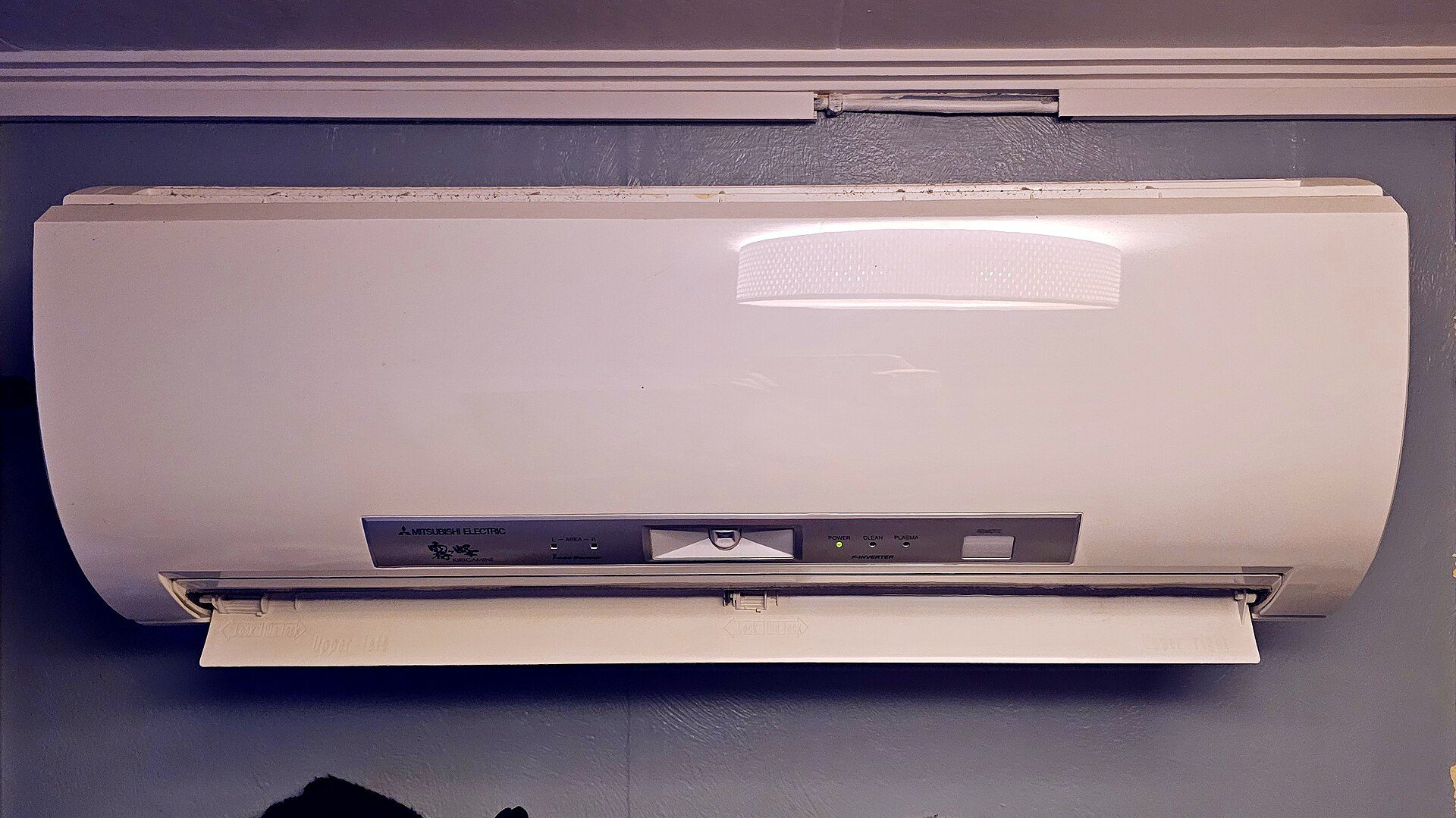
South Coast AQMD adds $60.2 million to GO ZERO with lower home rebates
South Coast AQMD's board approved GO ZERO Phase 2 on October 2, 2026: up to $60.2 million of Rules 1111 and 1121 mitigation fees for swapping gas furnaces and water heaters for heat pumps. The board letter puts up to $20 million each into single-family and multifamily rebates, plus up to $20 million the Executive Officer may release in $5 million increments to those, small business rebates or outreach; it adds solar water heating, lowers amounts for smaller systems including mini-split and window heat pumps, and sets every single-family and multifamily rebate in its table below the pilot's.
Colorado Springs votes 7-2 for grid access or demand charges on new solar
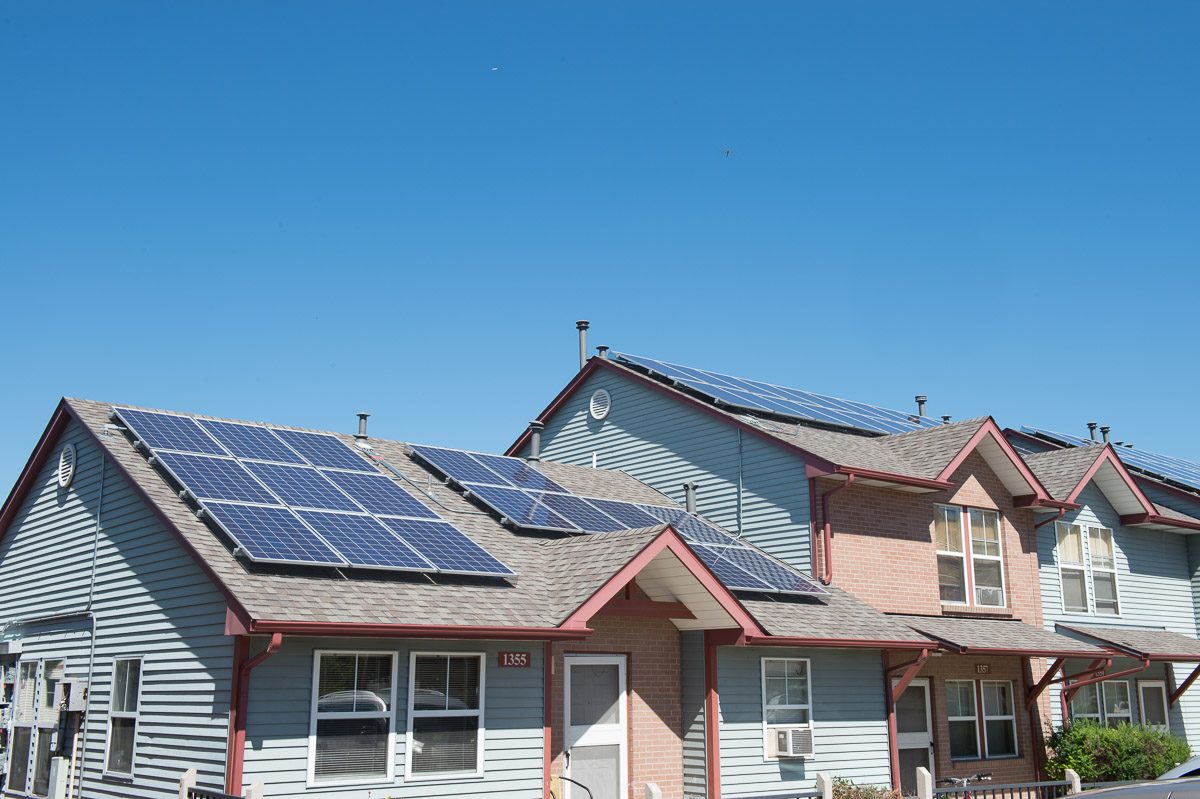
The Colorado Springs City Council adopted Resolution 81-26 on September 22, 2026 by a 7-2 vote: from April 1, 2027, Colorado Springs Utilities' new residential and small commercial net metering customers choose time-of-day rates plus a $1.00-per-day Grid Access Charge with no rollover, or a summer $0.3608 / winter $0.2462 per kW per day demand charge on the highest 15-minute on-peak net load with rollover kept. Utilities puts the average residential net metering bill about $38 a month above the approved 2027 frozen rates either way; earlier agreements keep frozen rates until April 1, 2032.
Vermont Gas will fund and own Riggs Meadow ground loops; Dandelion drills
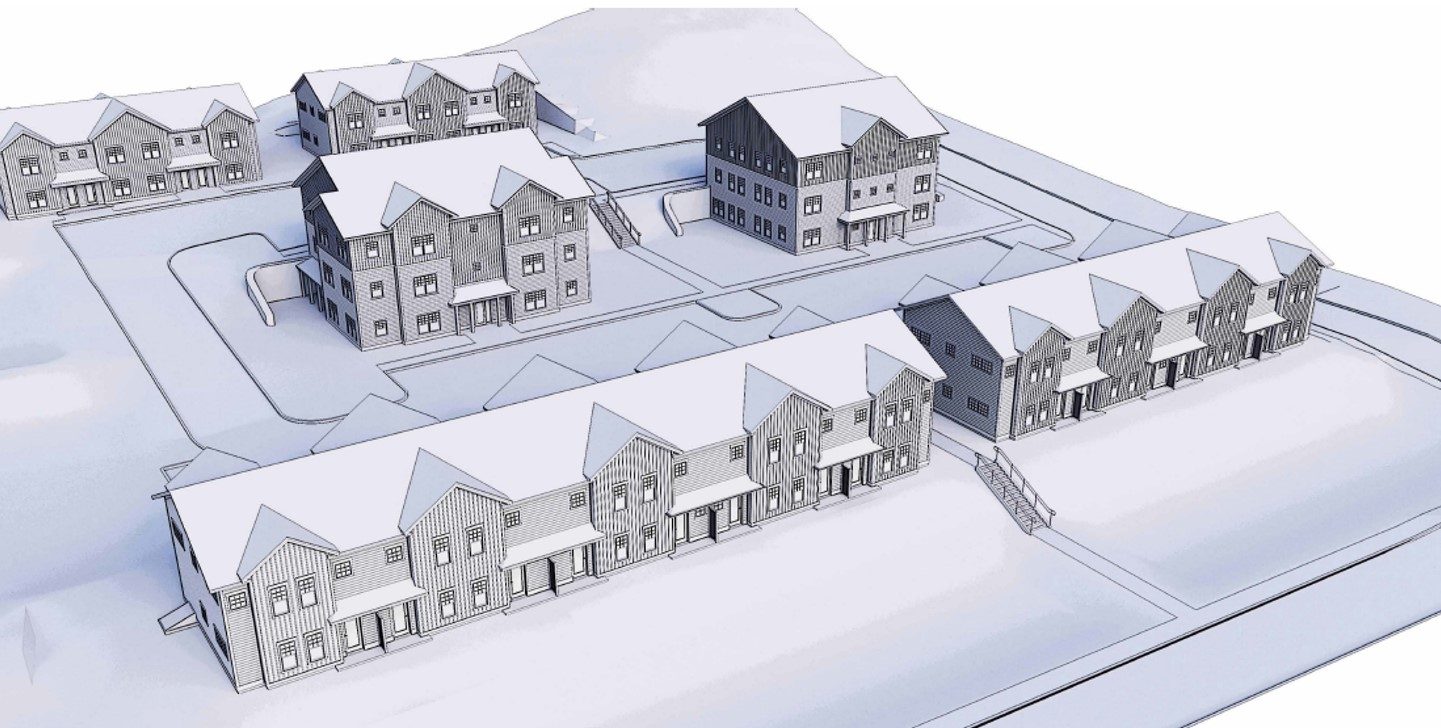
Dandelion Energy said on October 1, 2026 that Vermont Gas Systems (VGS) will pay the upfront cost of geothermal ground loops at Riggs Meadow, a 44-unit affordable housing development in Hinesburg, Vermont, with Dandelion designing and drilling; drilling is to begin in early 2027. VGS's June 27, 2025 filing in Vermont PUC Case No. 25A-0742 puts the $400,000 loop scope on VGS, $260,000 of it from the Climate Action and Innovation Budget in its Alternative Regulation Plan; the Department of Public Service did not object on July 28, 2025.
Newsom signs SB 868, California's plug-in solar law, as Chapter 985
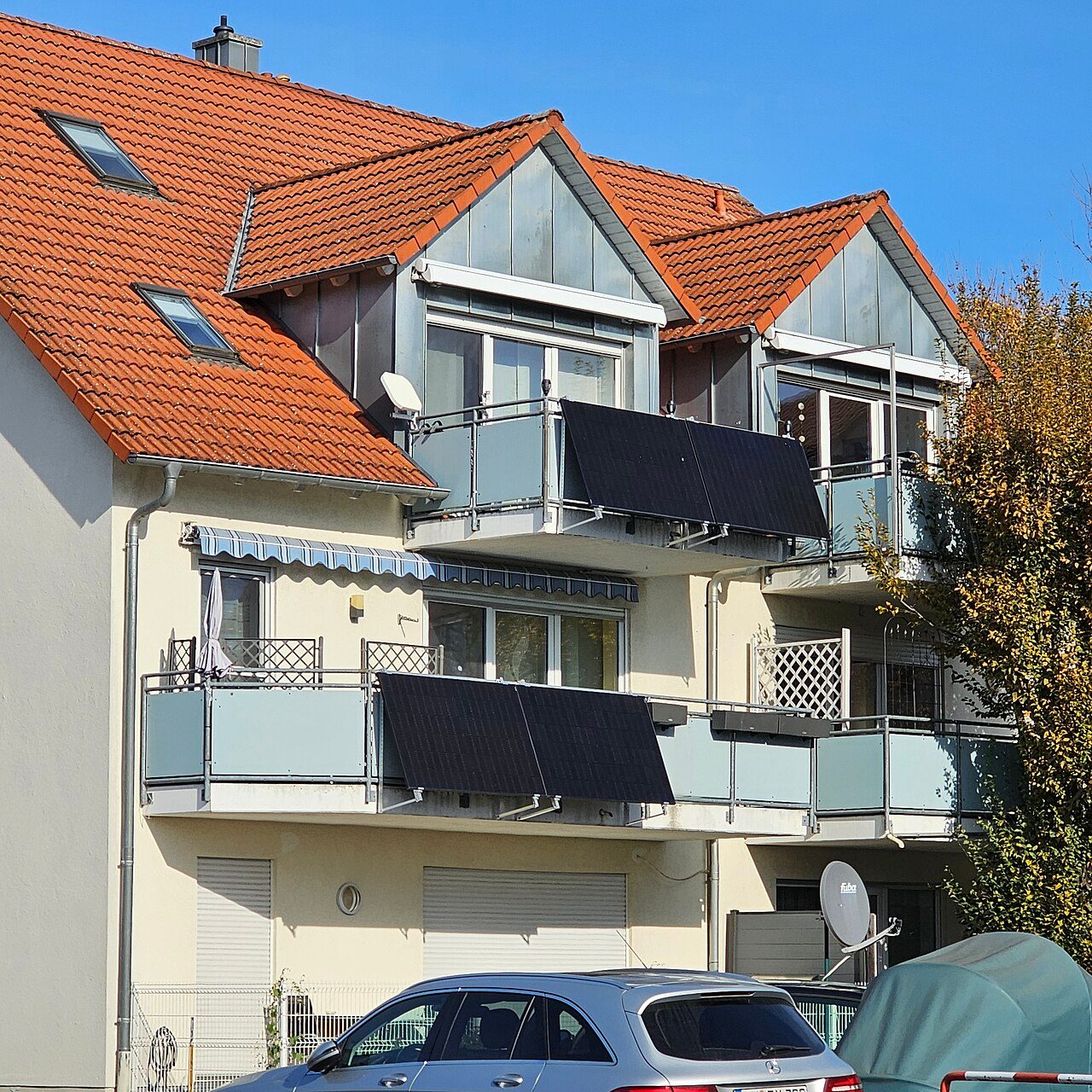
Governor Gavin Newsom approved SB 868 on September 30, 2026; it was chaptered the same day as Chapter 985, Statutes of 2026. The law adds Sections 8530 to 8532 to the Public Utilities Code: a portable solar generation device meeting six conditions, including no more than 1,200 watts of aggregated AC output per dwelling and UL or equivalent certification, is exempt from interconnection requirements and from utility approval, fees and added equipment. The exemption section is repealed on January 1, 2030, when a sales standard for receptacle-connected devices begins.

Newsom signs SB 913, a 2028 deadline to count aggregations as grid capacity
Governor Gavin Newsom approved SB 913 on September 30, 2026, and the Secretary of State chaptered it the same day as Chapter 987, Statutes of 2026. The law adds Section 380.1 to the Public Utilities Code: by June 30, 2028, the California Public Utilities Commission, with the California Energy Commission and the Independent System Operator, must enhance existing market-integrated pathways for aggregated distributed energy resources to qualify as resource adequacy capacity. The digest key records no appropriation.
Newsom signs SB 222, California's heat pump permitting law, as Chapter 738
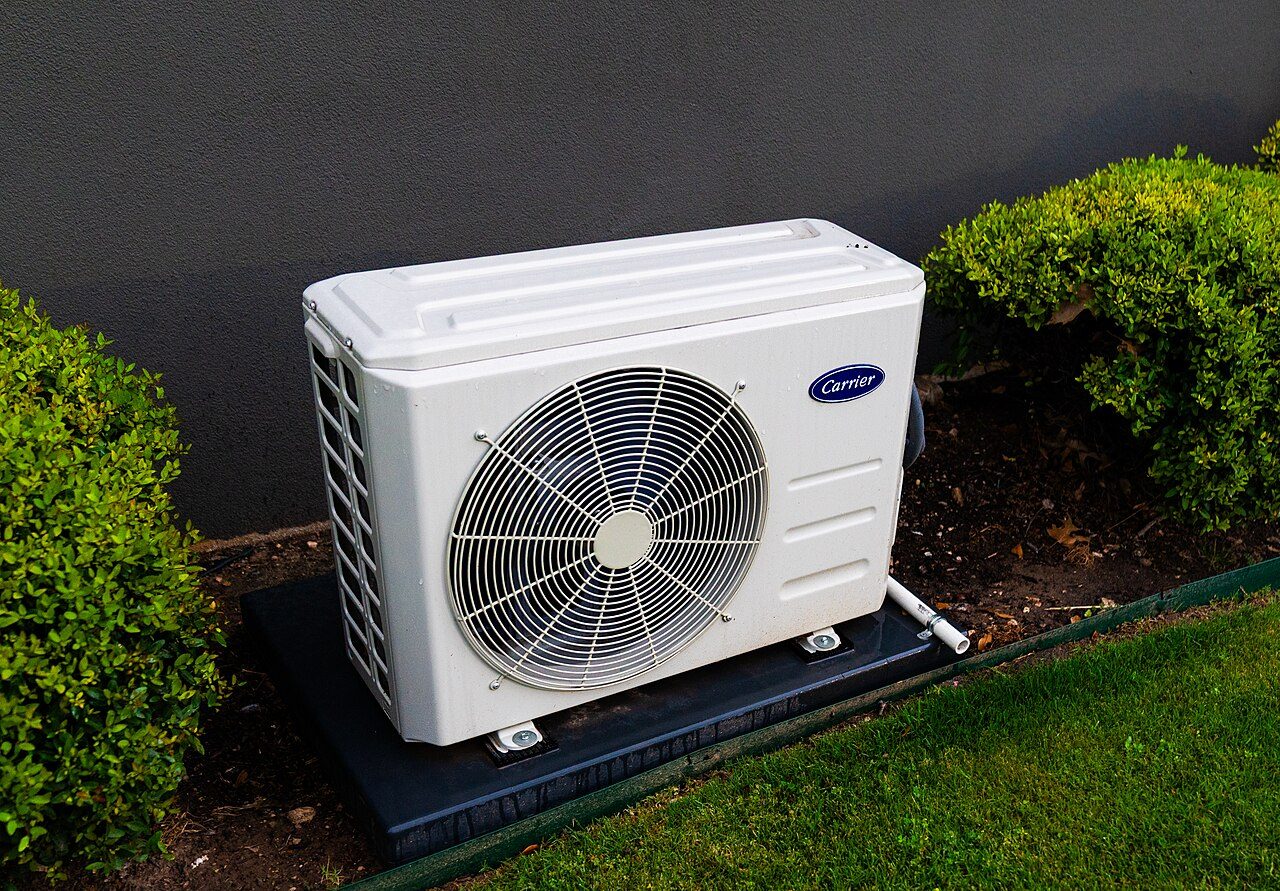
Governor Gavin Newsom approved SB 222 on September 28, 2026, and it was filed the same day as Chapter 738, Statutes of 2026. The chaptered text requires every California city and county, beginning July 1, 2027, to offer asynchronous inspections for residential heat pump water heater and HVAC installations; it requires real-time online permits for swapouts by July 1, 2028 and caps permit fees at $150 and $200, each with its own small-jurisdiction carve-out; it exempts plug-in window units from permits and voids HOA bans on replacing a gas appliance with an electric one.
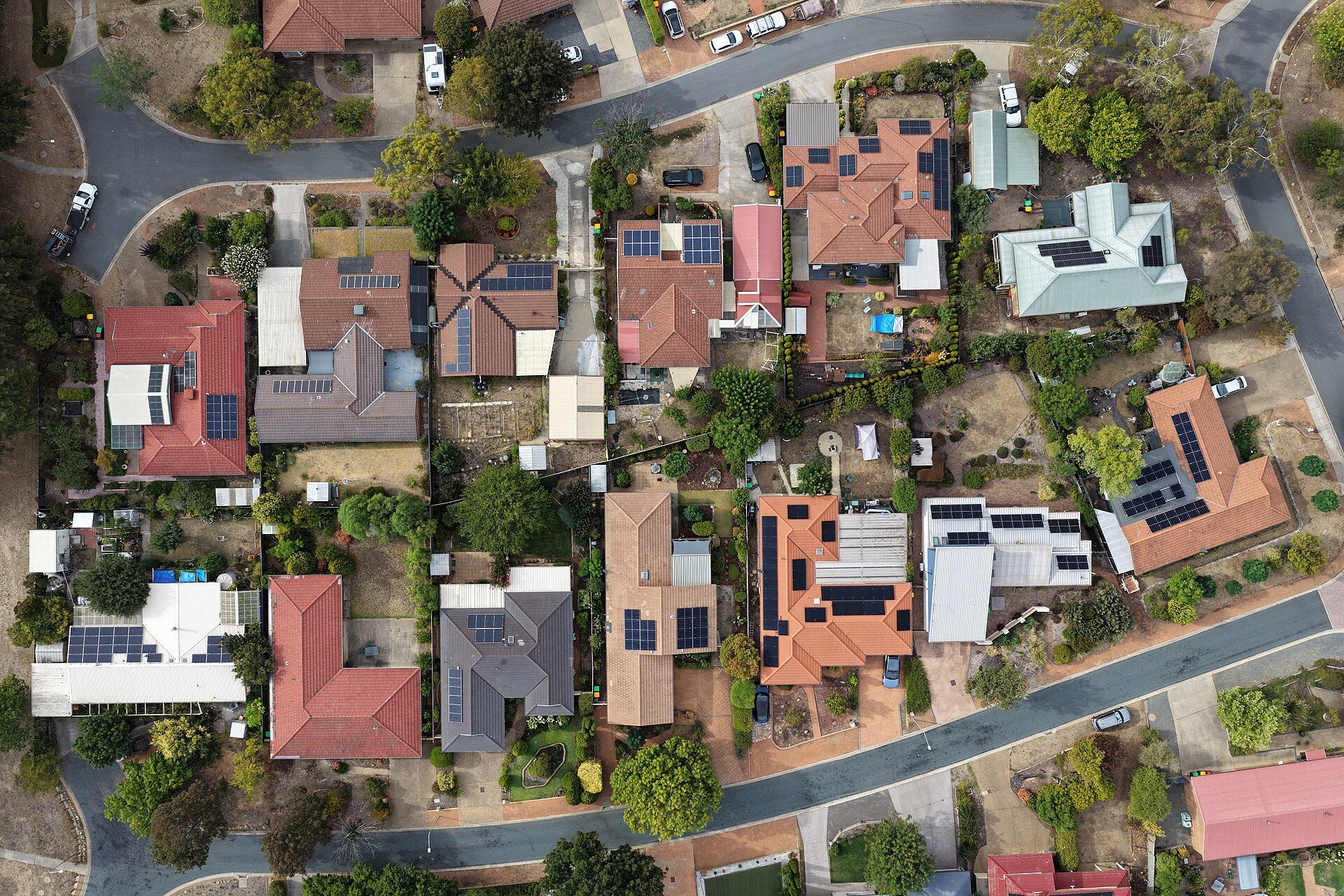
Australia added 276,011 batteries and 1,894 MW of rooftop solar in H1 2026
The Clean Energy Council said on September 29, 2026 that 180,878 rooftop solar systems (1,894 MW) and 276,011 batteries were installed in Australia in the first half of 2026, counted from applications to the Clean Energy Regulator including some still under review; solar installations rose 35 per cent on the first half of 2025, batteries 52 per cent on the preceding six months, and the Cheaper Home Batteries Program's first twelve months reached 457,439 batteries and 12.9 GWh.
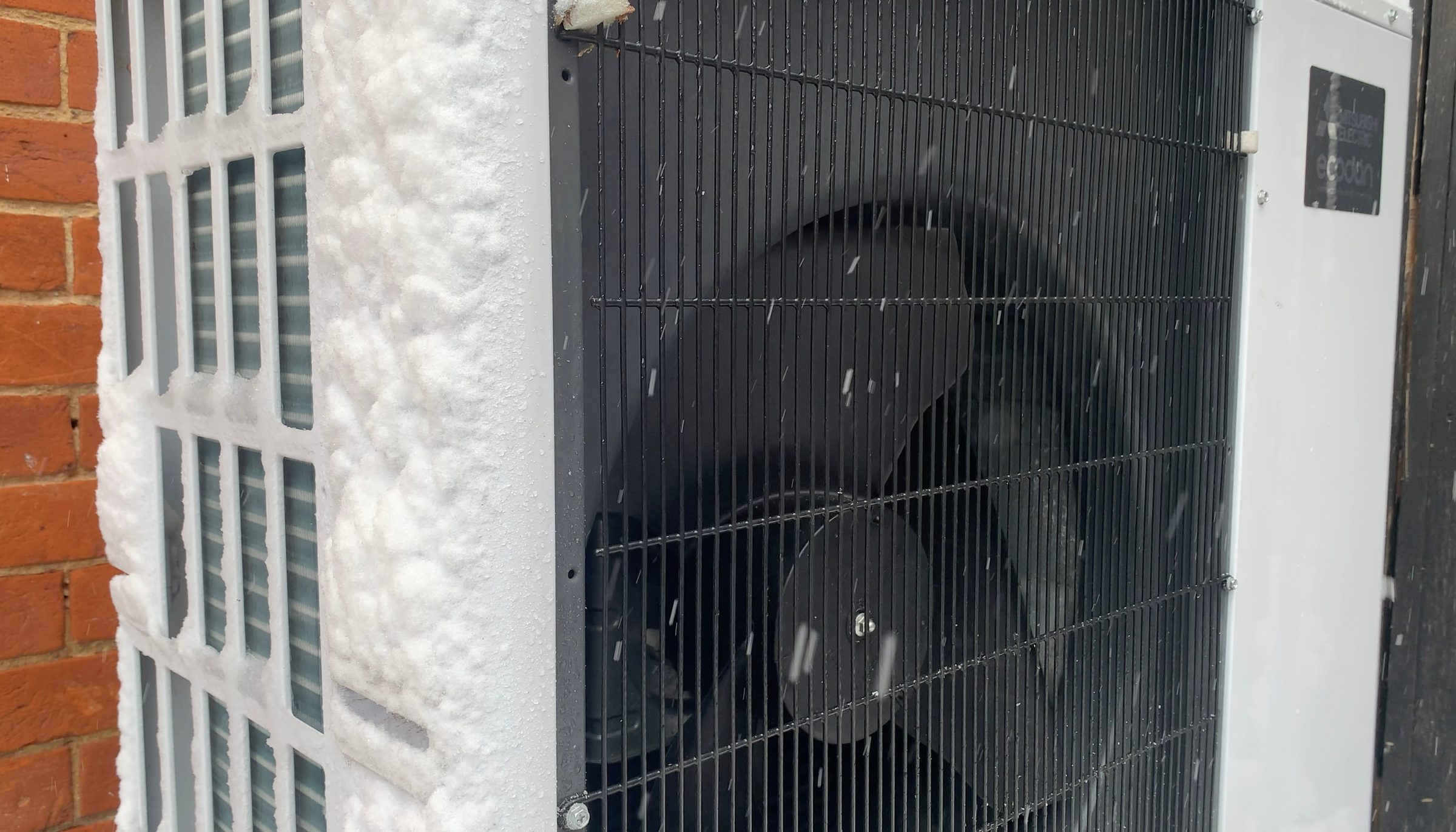
EHPA: residential heat pump sales rose 11% in 12 European countries
The European Heat Pump Association said on September 28, 2026 that residential heat pump sales in 12 European countries rose 11% in H1 2026, to around 1,163,000 from 1,048,000 in the first half of 2025. EHPA calls the oil and gas price rise after the Strait of Hormuz closure and the Commission's plans to encourage EU governments to lower electricity tax likely drivers. The release links that sentence to its own March 10, 2026 item on the Commission's Citizens' Energy Package, and cites the July 17, 2026 Electrification Action Plan, which says electricity should not be taxed more than gas.
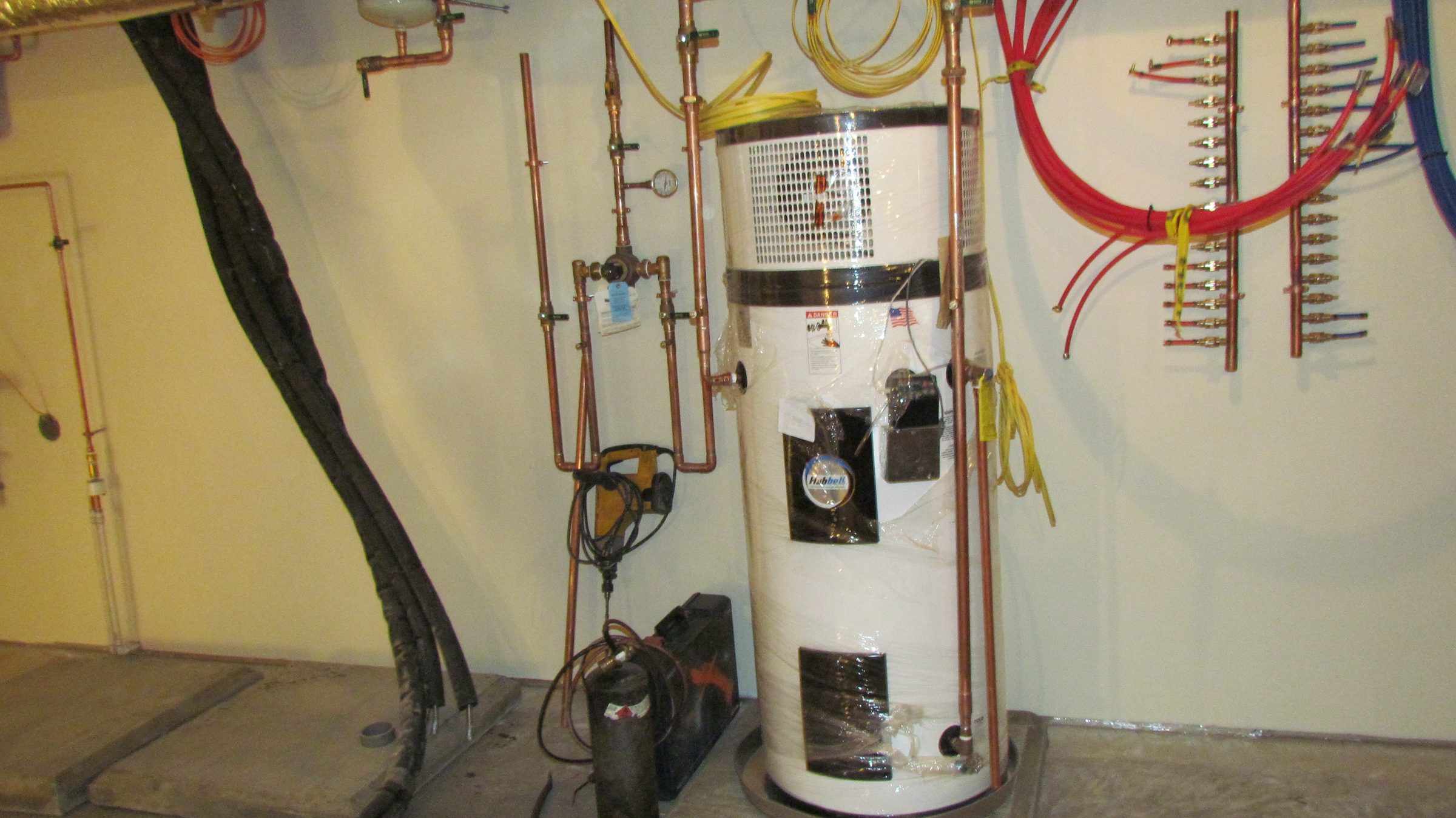
Newsom signs AB 1738, a remote-inspection option for heat pumps and solar
Governor Gavin Newsom signed AB 1738 on September 18, 2026, adding Section 17970.9 to the Health and Safety Code: cities and counties must offer homeowners, or contractors who give the city or county the homeowner's written consent, a remote-inspection option for heat pump water heaters, heat pump HVAC, reroofs, solar of 15 kW AC or less, energy storage systems, and smoke and CO detectors by January 1, 2028, or July 1, 2028 for cities of 50,000 or fewer; cities under 5,000 and counties under 150,000, with their cities, are exempt. SB 222 was still unsigned on September 27.
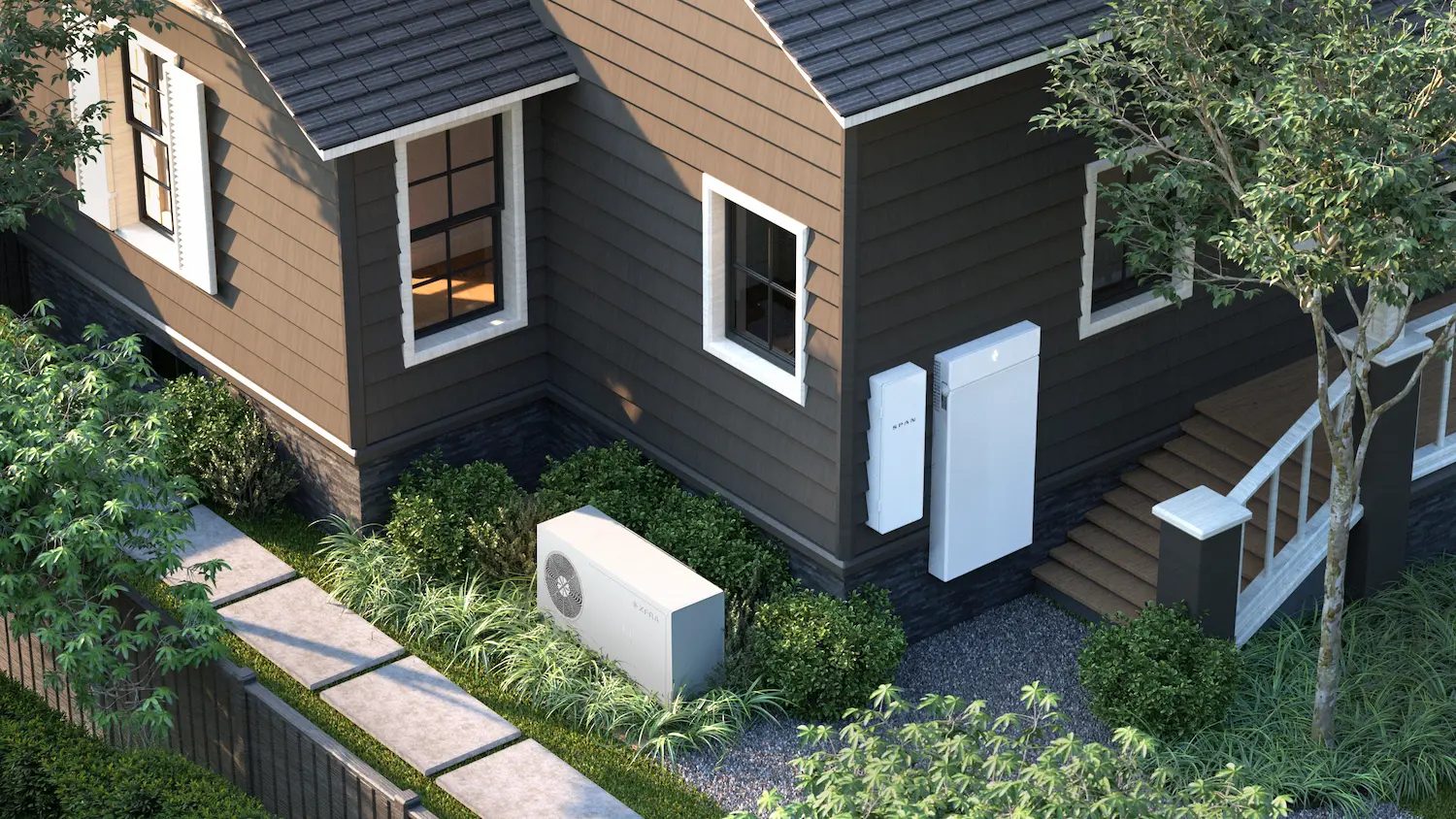
Sunrun to supply solar and batteries for SPAN's XFRA nodes in Texas homes
Sunrun and SPAN said on September 23, 2026 that Sunrun will provide home solar and battery storage to help power SPAN's XFRA distributed data center nodes, starting in Texas new-construction communities and other unnamed markets; each host home gets a smart panel, batteries and solar through a pre-paid lease and hosting compensation, at no cost to the builder or buyer. The release names no node count, price or compute buyer; SPAN's xfra.ai page specs each node at 16 NVIDIA GPUs with a 15 kWh battery and says it is on a first 100-home proof of concept and plans to expand more broadly in 2027.

Trane launches -20°F heat pump five years after DOE's cold-climate spec
Trane said on September 24, 2026 that it is introducing the 20 TruComfort Variable Speed Cold Climate Heat Pump with WeatherGuard in 3-, 4- and 5-ton sizes, with an operating range of -20°F to 115°F and, per its chamber-test table, 53% to 85% of rated heating capacity at -20°F depending on model. The launch post traces the product to a prototype Trane says was independently confirmed at Oak Ridge National Laboratory in November 2022 under DOE's Residential Cold Climate Heat Pump Challenge; EnergyGuide labels linked from the product page list SEER2 of 18.0 to 20.0 and HSPF2 of 9.4 to 10.3.
Rhode Island launches $32 million HOMES heat pump rebate for multifamily
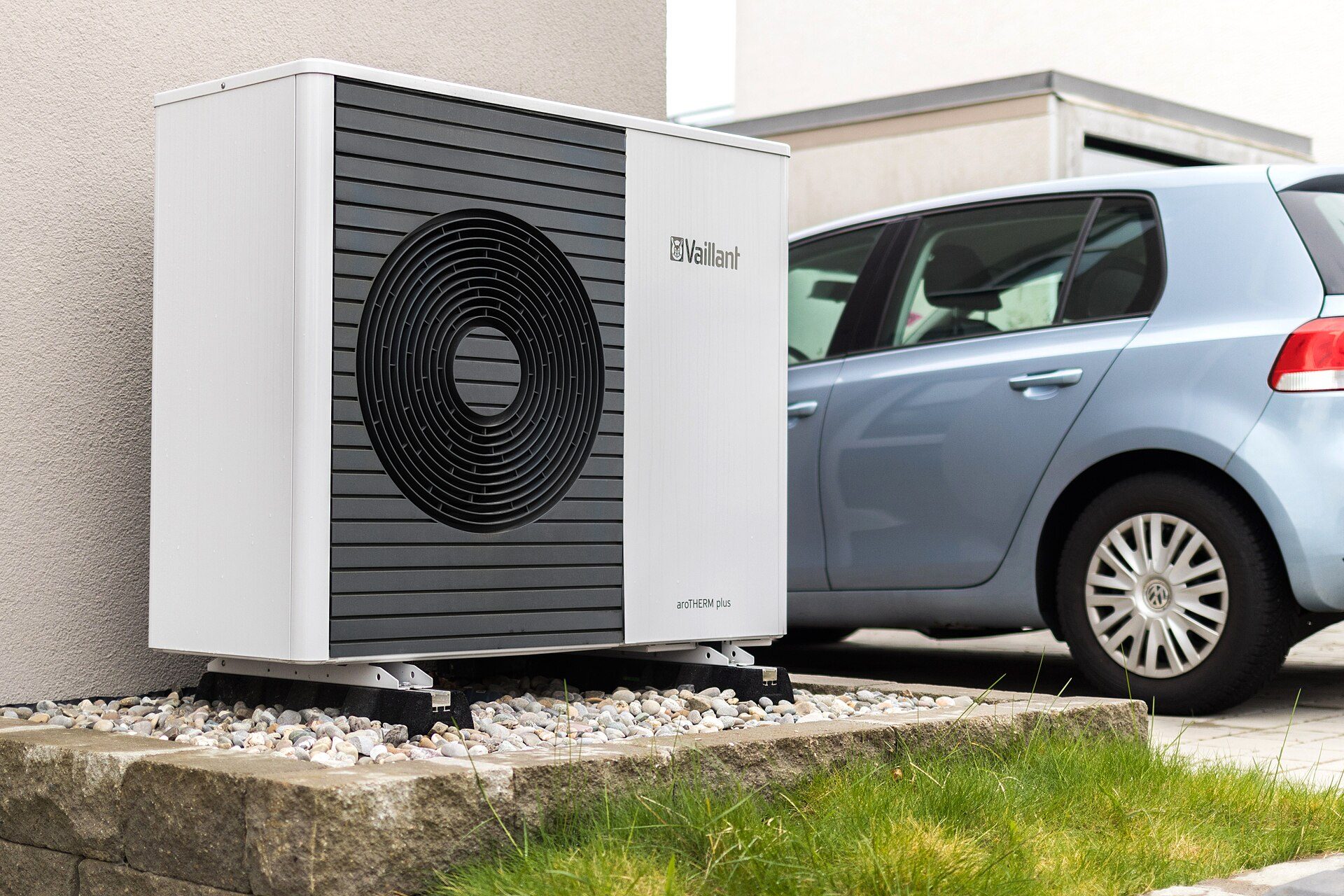
The Rhode Island Office of Energy Resources said on September 23, 2026 that it launched the $32 million federal Home Owner Managing Energy Savings (HOMES) program, approved by DOE, to fund heat pump installations in income-eligible multifamily buildings of five or more units at up to $16,000 per housing unit; OER calls Rhode Island the first New England state to launch HOMES. The program page requires modeled energy savings of at least 20 percent and at least half of units occupied by households under 80 percent of area median income.
PG&E and GM Energy bundle charger at no additional cost, $15 monthly credit
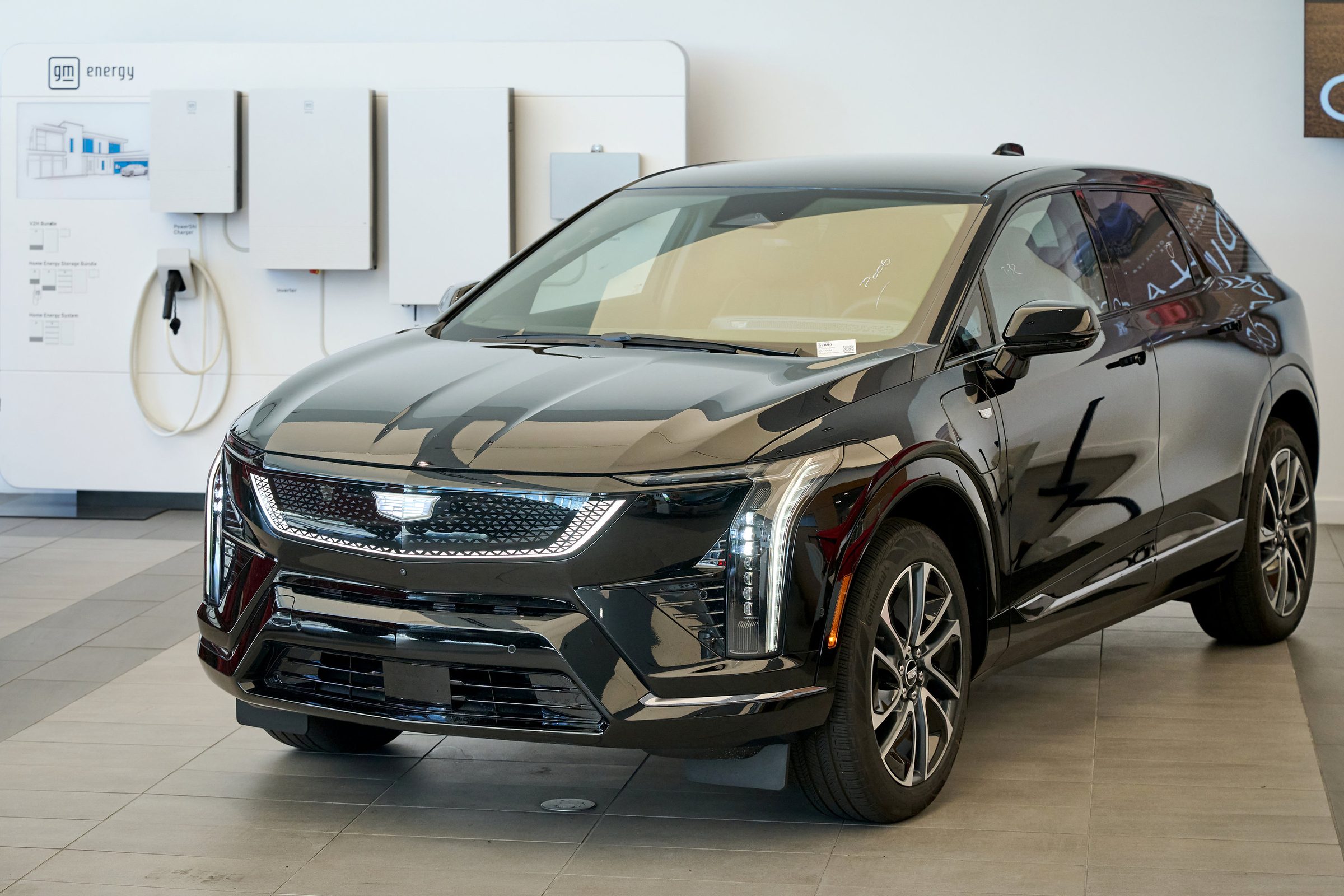
PG&E and GM Energy said on September 23, 2026 that their Smart Charge Bundle gives buyers of a new Chevrolet, GMC or Cadillac EV a GM Energy home charger at no additional hardware cost plus a $15 monthly PG&E bill credit through the EV Charge Manager program. The bundle page limits participation to single-family or detached homes with an active OnStar plan with location services enabled; as of September 23, 2026 PG&E's page for the general EV Charge Manager program calls that program fully subscribed, and neither page says whether the bundle track is affected.
-
Sunrun and Tesla put the September 9 home-battery dispatch at over 580 MW
Sunrun and Tesla said on September 21, 2026 that their home battery fleets dispatched more than 580 MW of peak power to California's grid for three hours on the evening of September 9, 2026: 517 MW from Tesla Powerwalls, 110,000 of which participated (55% Sunrun-owned), and 63 MW from what the release calls additional batteries; Sunrun separately dispatched more than 30,000 customer batteries from other manufacturers. The release ties the event to the CEC's DSGS price trigger and a PG&E call under the CPUC's ELRP, and calls it the largest distributed power plant dispatch event on record.

Massachusetts awards over $40M for storage at schools, housing and a resort
The Massachusetts Department of Energy Resources said on September 18, 2026 that its Advancing Massachusetts Power grant program awarded funding to 36 projects: 28 planned resilience batteries at schools, housing and other critical facilities, which DOER says will add roughly 10 megawatts, or 44 megawatt hours; six safety and education grants; and two planned long-duration projects, a 4 MW / 80 MWh Inlyte sodium-iron chloride battery at Berkshire East in Charlemont and a 0.24 MW / 2.4 MWh Eos zinc battery at an apartment complex in Medford. The listed awards sum to $40,315,189.

Morgan Stanley's 1GT leads €49M Series E for Amber Electric
Amber Electric said on September 21, 2026 it closed a nearly twice oversubscribed Series E led by 1GT, which Amber calls Morgan Stanley's climate tech fund and Morgan Stanley Investment Management calls its private climate equity strategy, with existing backers ETF Partners, Innovation Victoria and E.ON participating, to scale in Australia and expand across Europe. Amber puts the round at $78.5 million with no currency named; Morgan Stanley's release states €49 million (about US$56.3 million). Amber says it orchestrates more than half of Australia's automated home batteries.
-
BYD Sealion 7 joins Amber's ARENA-backed V2G program in Australia
Amber Electric and BYD Australia announced on September 18, 2026 that the Sealion 7 joins Amber's vehicle-to-grid program, which Amber calls Australia's largest live V2G program, scaling to 1,000 households with A$13.6 million more from ARENA (May 29, 2026). The release says Sealion 7 owners in the program will have their EV battery covered under BYD's warranty support and that participants will be able to buy eligible Atto 3 or Sealion 7 variants at six per cent off the base RRP; as of September 20, 2026 the eligibility list and discount offer on Amber's program page name only the Atto 3.
UK pushes electric heating appliance rules to October 2028 at the earliest
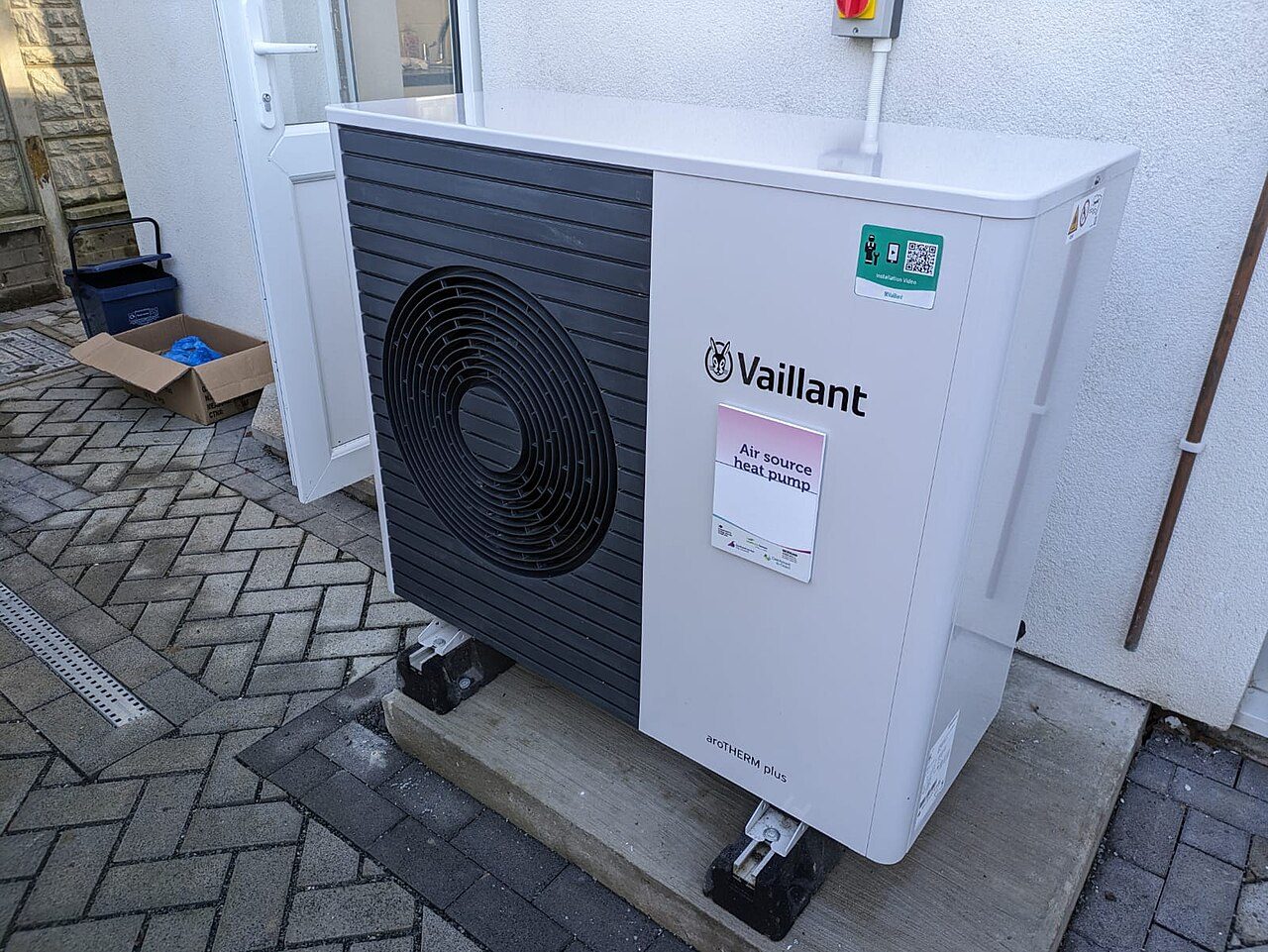
The UK Department for Energy Security and Net Zero said on September 17, 2026 that the implementation date for electrical heating appliances under its draft Energy Smart Appliances Regulations will be October 31, 2028 or two years after the regulations are made, whichever is later, subject to final parliamentary approval; the December 2025 consultation had proposed December 31, 2027. The interim response also says the government intends to permit alternative compliance routes for the metering and cyber security requirements. The regulations have not yet been laid before Parliament.
-
Virgin Islands VPP discharges at 800 kW and 500 kW in two half-hour tests
The Virgin Islands Energy Office said on September 16, 2026 that its Tesla-operated VIBES-2.0 virtual power plant ran two half-hour tests on September 11: 190 residential batteries on St. Thomas and St. John discharged at approximately 800 kW and 108 on St. Croix at approximately 500 kW, and VIEO put the combined total at 2.5 MWh without saying how it was measured. It has paid out over $176,000 in participation incentives; its Terms and Conditions set a $500 per battery enrollment incentive and a $500 per battery annual participation incentive, each capped at $2,000 per participant.
PG&E picks six community microgrids for $30M in second incentive round
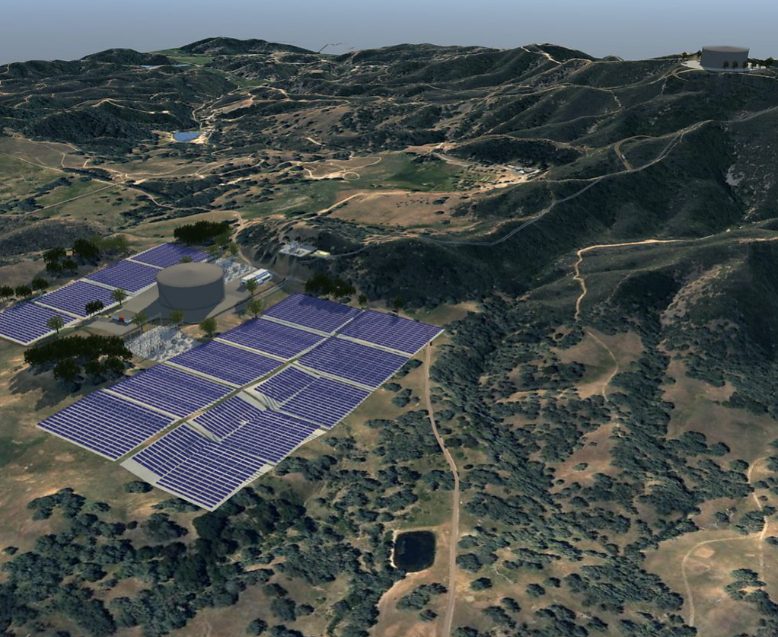
Pacific Gas and Electric Company said on September 17, 2026 that it selected six community microgrid projects in the second application window of its CPUC-authorized Microgrid Incentive Program, directing $30 million in awards of $2 million to $6 million each, and that several of the nine first-round awardees are executing grant agreements. Counting the first round at the $43 million the new release states (up to $43 million in the March 2025 release), PG&E puts its authorized community microgrid investment at more than $73 million of a $79.2 million allocation.
Massachusetts adds winter transmission discount to two heat pump rates
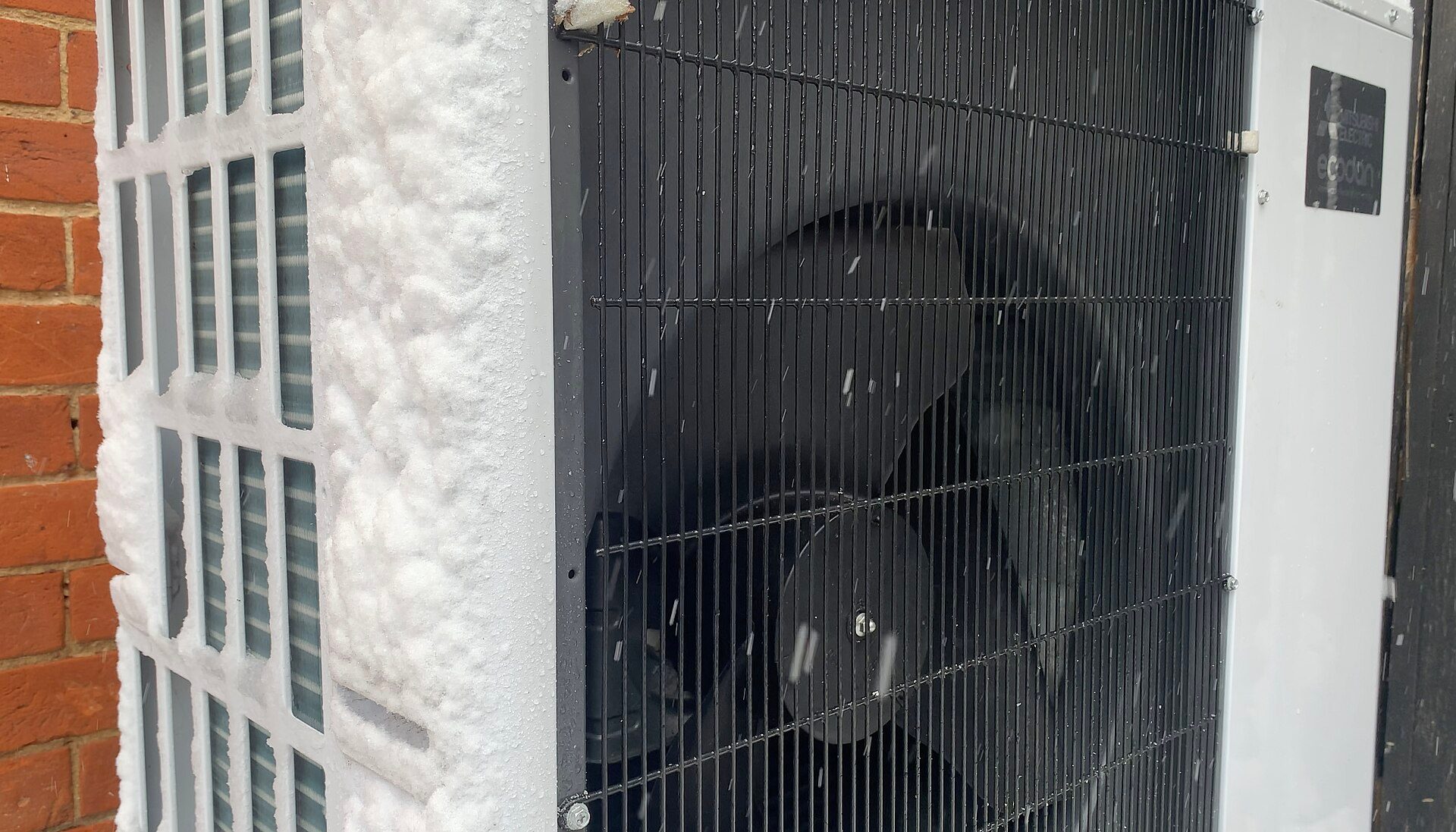
The Massachusetts DPU stamp-approved National Grid's compliance filing in D.P.U. 26-71 on July 29, 2026 and Unitil's revised heat pump tariffs in D.P.U. 26-72 on July 31, 2026, adding winter transmission charges for the 2026-2027 heating season to the optional residential heat pump rates enrolled customers pay, as directed in D.P.U. 25-08-A on June 1, 2026. National Grid's charge is $0.00477 per kWh for November 2026 through February 2027 against a $0.05464 default; Unitil's is $0.01499 against $0.04201 in summer, a rate Unitil says it plans to replace with revised rates for January 1, 2027.
-
Tesla says about 69,000 California homes sent over 500 MW to the grid
Tesla Energy said on X on September 9, 2026 that about 69,000 Powerwall owners across California were dispatching more than 500 MW to the grid during that day's heatwave. The attached screenshot of Tesla's California Virtual Power Plant dashboard showed 105,009 homes in California VPPs, 68,887 homes in a VPP event, and 507 MW of battery power discharging. The dashboard credits Tesla VPPs with the majority of a July 2025 event that delivered over 500 MW, which a Brattle Group report commissioned by Sunrun and Tesla Energy measured as an average 539 MW net-load reduction in a test event.
-
Tesla says Cybertruck Powershare now backs up homes with a Powerwall 3
Tesla's official Cybertruck account said on X on September 10, 2026 that a Cybertruck and a Powerwall 3 can now power a house together, which it says extends home backup by over 3 days, equivalent to 9 additional Powerwalls. Tesla had told owners in October 2024 the Powerwall pairing would be enabled in 2025, and a December 2025 email to customers, published by Drive Tesla, rescheduled it to mid-2026. Electrek puts the truck's pack at 123 kWh and says Powershare delivers up to 11.5 kW to the home, the maximum shown on the post's app screen.
SEIA/WoodMac: residential solar fell 12% in Q2 2026, utility-scale up 61%
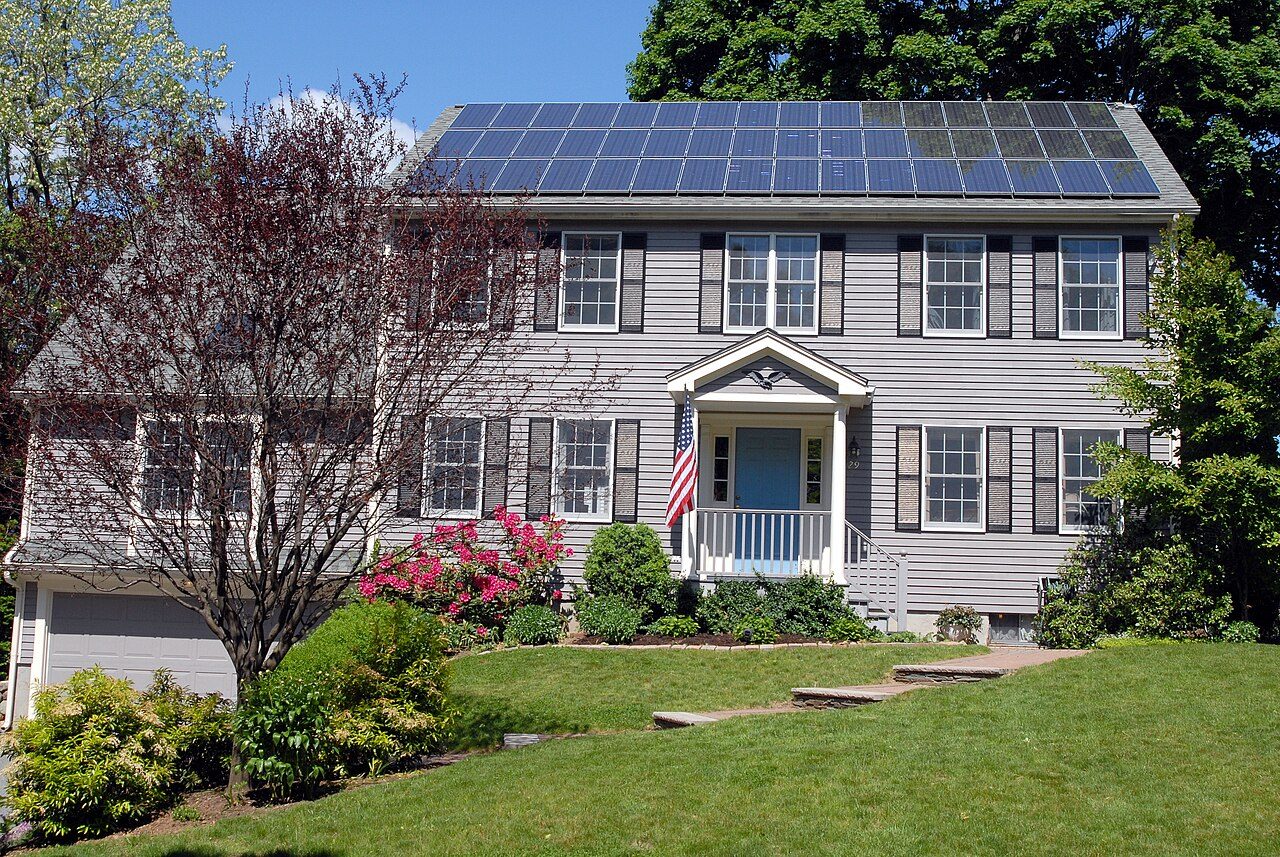
The Q3 2026 US Solar Market Insight from SEIA and Wood Mackenzie puts Q2 2026 residential solar at 995 MWdc, down 12% year over year and 10% from Q1, the quarter in which the report says interconnection data began to reflect the end of the Section 25D credit; the authors now expect a 23% residential contraction in 2026. Utility-scale solar installed 9.6 GWdc, up 61% year over year, as developers placed safe-harbored projects into service.
-
Daikin recalls about 4,633 Amana through-the-wall units over fire hazard
Daikin Comfort Technologies Manufacturing is recalling about 4,633 Amana through-the-wall air conditioners and heat pumps in the US, plus about 126 in Canada, because a snubber circuit can emit flames if it shorts, the CPSC said on September 3, 2026. Five PB-prefixed models sold from April 2025 through June 2026 are covered; owners get a full refund after cutting the cord. It is Daikin's second Amana recall through the CPSC in 2026.
California budget bill carries no 2027 money for its DSGS home-battery VPP
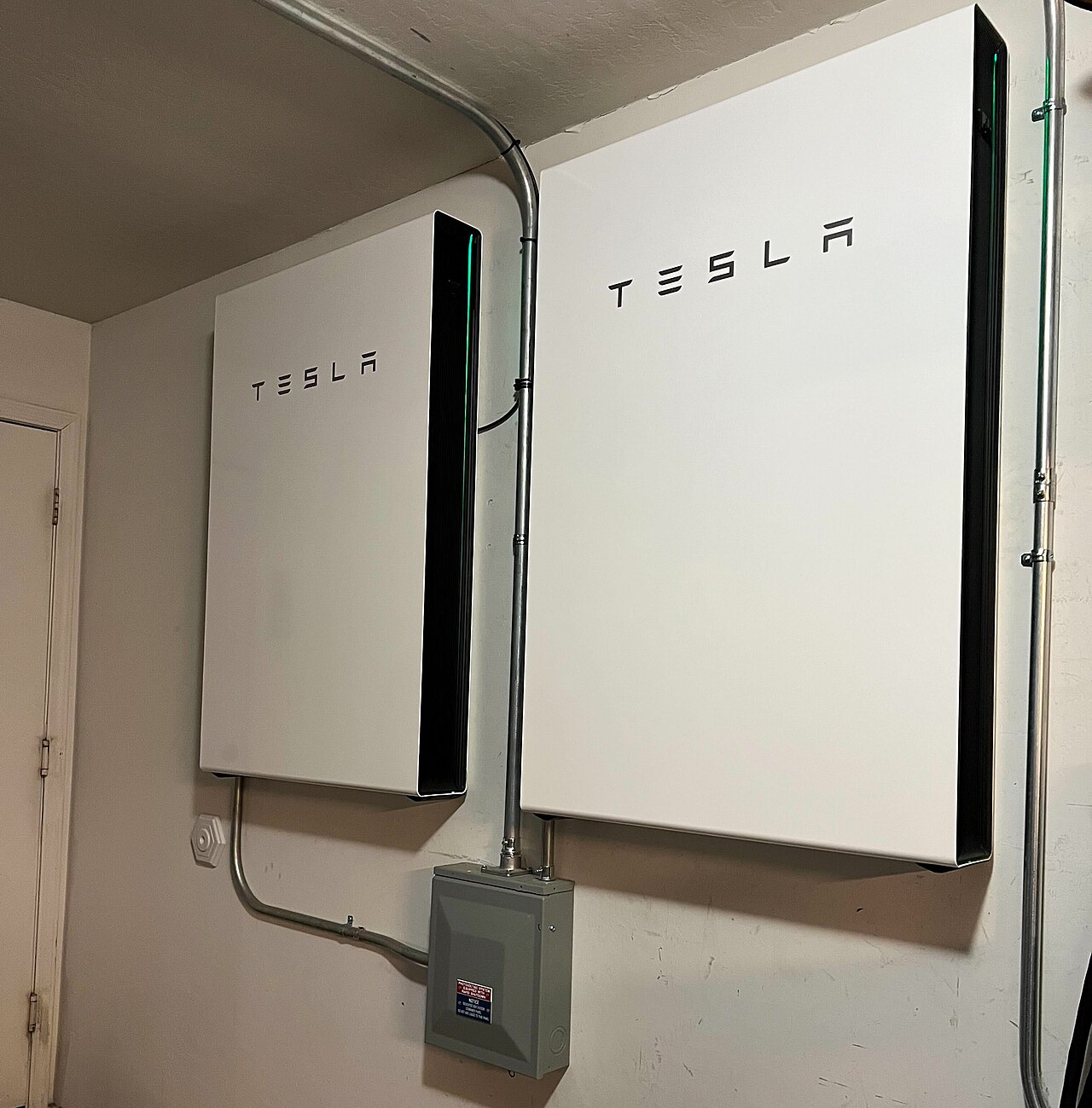
California's end-of-session budget bill AB 113, passed by the Senate on September 1, 2026 with the Assembly concurring the same day, contains no appropriation for the Demand Side Grid Support program, the California Energy Commission's virtual power plant of home batteries, smart thermostats and demand response that the CEC estimated at 1,145 MW enrolled in April 2026. The bill adds $20 million for the sister Distributed Electricity Backup Assets program; a Senate proposal to shift $70 million of CalSHAPE interest into DSGS was not included, and Advanced Energy United says the program is funded only through the end of 2026.