 The Duck Curve
Australia's battery rebate passes 600,000; six nations back rooftop pledge
Captona put preferred equity into 9,400 Sunrun solar and battery projects, and Lunar Energy's next home battery is rated at 13.4 kW, with a 25 kW bidirectional DC charger reported for later in 2027.
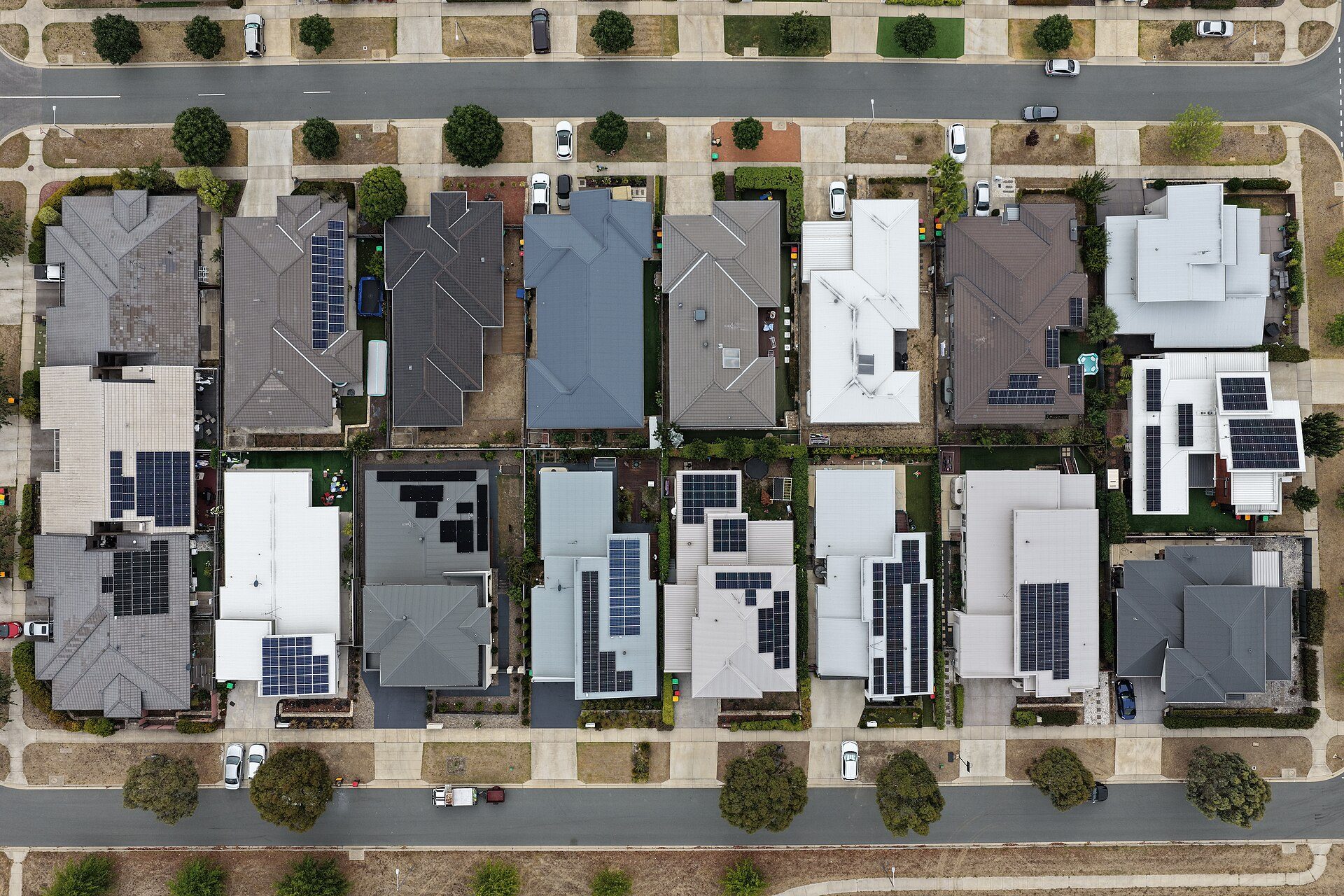
Australia's home battery rebate passes 600,000
Australia's Cheaper Home Batteries Program has passed 600,000 batteries. Climate Change and Energy Minister Chris Bowen marked the milestone on LinkedIn on November 5, 2026, saying more than 75% of them are "in regional and rural areas where people know that what's good for the planet is good for your pocket as well." At a Solar Citizens webinar the same day he put the total at 16.6 GWh since the program began on July 1, 2025, RenewEconomy reported. By our arithmetic, that is about 27.7 kWh per battery; the 16.8 GWh in Energy-Storage.news's headline is the outlet's own estimate from an average system size of about 28 kWh.
Bowen now ranks Australia second only to Germany in home battery capacity. "We have 16 gigawatt-hours. Last time I looked, I think they're about 23 gigawatt-hours," he said of Germany in a Bloomberg Energy podcast interview his office dated November 9, adding that Australians were installing 2,000 batteries every weekday. The Clean Energy Council had counted 457,439 batteries and 12.9 GWh in the program's first twelve months (as we reported in September).
Six governments back a 300 million solar homes declaration
Bangladesh, Kenya, Nigeria, Palau and Vanuatu endorsed the Global Rooftop Solar Declaration at COP31 in Antalya, Türkiye, on November 10, joining Australia as signatories, the Global Solar Council announced. Thirty-four members of parliament from 21 countries and Indonesia's state utility PLN also endorsed it. In the declaration, participants say they "will work together to enable at least 300 million households worldwide to be powered by rooftop solar by 2030."
It is not a negotiated COP31 outcome: the declaration text calls itself "a voluntary, non-binding declaration," and the 300 Million Solar Homes initiative behind it is coordinated by the Global Solar Council, the Global Covenant of Mayors for Climate & Energy, Solar Citizens and the Climate Parliament. Australia was the first country to endorse it, with Bowen, who is also COP31's President of Negotiations, signing at the Pacific Pre-COP meeting in Fiji on October 8. Signatories commit to prioritise six areas: permitting, integrating rooftop solar into energy and climate policy, affordable finance, grid modernisation, equitable access, and workforce training.
The early endorsers brought numbers. Bangladesh's power secretary, Mirana Mahrukh, said the country is committed to 5,500 MW of rooftop solar by 2030, with an indicative pathway covering approximately 870,000 rooftops. The Associated Press report counted five nations, Australia plus Bangladesh, Kenya, Nigeria and Vanuatu, and does not mention Palau, which the Global Solar Council lists among the day's endorsers.
Captona puts preferred equity into 9,400 Sunrun systems
Captona has invested preferred equity at the project level in 9,400 Sunrun residential solar and battery storage projects across more than 20 states, representing 74 MW of solar and 110 MWh of storage, the investment firm announced on November 10. By our arithmetic that averages about 7.9 kW of solar and 11.7 kWh of storage per project. The release does not say how much Captona invested.
The structure is the point of the announcement. Captona calls preferred equity vehicles the latest innovation in project finance for renewable assets, "facilitating efficient tax credit monetization and senior debt placements." It introduced the structure in 2023, and says the Sunrun deal extends it into residential solar and storage after a recent transaction with Nexamp. Sunrun is the company whose home batteries supplied more than 430 MW of a 745 MW California dispatch in October.
Lunar Energy details a 13.4 kW home battery and a bidirectional charger
Lunar Energy's next Lunar System will deliver 13.4 kW of continuous output and 185 locked-rotor amps of motor-starting current, up from 9.6 kW and 134 on the current model, pv magazine USA reported on November 11. Lunar's product page lists batteries of 10 to 30 kWh each, placed side by side up to 300 kWh (the difference between those two units is kW vs kWh). Installations are scheduled to begin in early 2027, with the Lunar Fast Charger following later in 2027, pv magazine reports.
The charger delivers 25 kW and, Lunar says, can let a car "power your home in an outage, and send energy back to the grid when it needs help, so you get paid." pv magazine wrote that Lunar had not disclosed whether the charger is AC or DC. Lunar's own spec table answers it: DC input of 380 to 460 Vdc, DC output of 200 to 500 Vdc at up to 60 A, and CCS1/2 plus NACS connectors. That puts the conversion to household AC in Lunar's hardware, the opposite of Ford's Fathom, which moves the home backup inverter into the truck.
Sources
Primary
- 600,000 Cheaper Home Batteries. · Chris Bowen (LinkedIn)
- Global Coalition of Leaders from Africa, Asia, and the Pacific Gather to Endorse Global Rooftop Solar Declaration at COP31 · Global Solar Council
- Sunrun Partners with Captona on its Latest Preferred Equity Project Finance Transaction · Captona (Business Wire)
- Lunar System — Home battery storage · Lunar Energy
Supporting
- Interview with Akshat Rathi, Bloomberg Energy podcast (transcript) · Minister for Climate Change and Energy (DCCEEW)
- "Deniers and delayers:" Bowen marks 600,000 cheaper home batteries, but says balcony solar cannot be rushed · RenewEconomy
- Global Rooftop Solar Declaration · Solar Citizens
- Australia's Cheaper Home Batteries Program hits 16.8GWh installed capacity · Energy-Storage.news
- At UN climate talks, 5 nations back plan to double rooftop solar panels by 2030 · PBS News (Associated Press)
- Lunar Energy introduces updated Lunar System and new bidirectional EV charger · pv magazine USA
Copies of cited sources are retained where available. If a link no longer resolves, request a copy at contact@theduckcurve.com.