 The Duck Curve
#solar
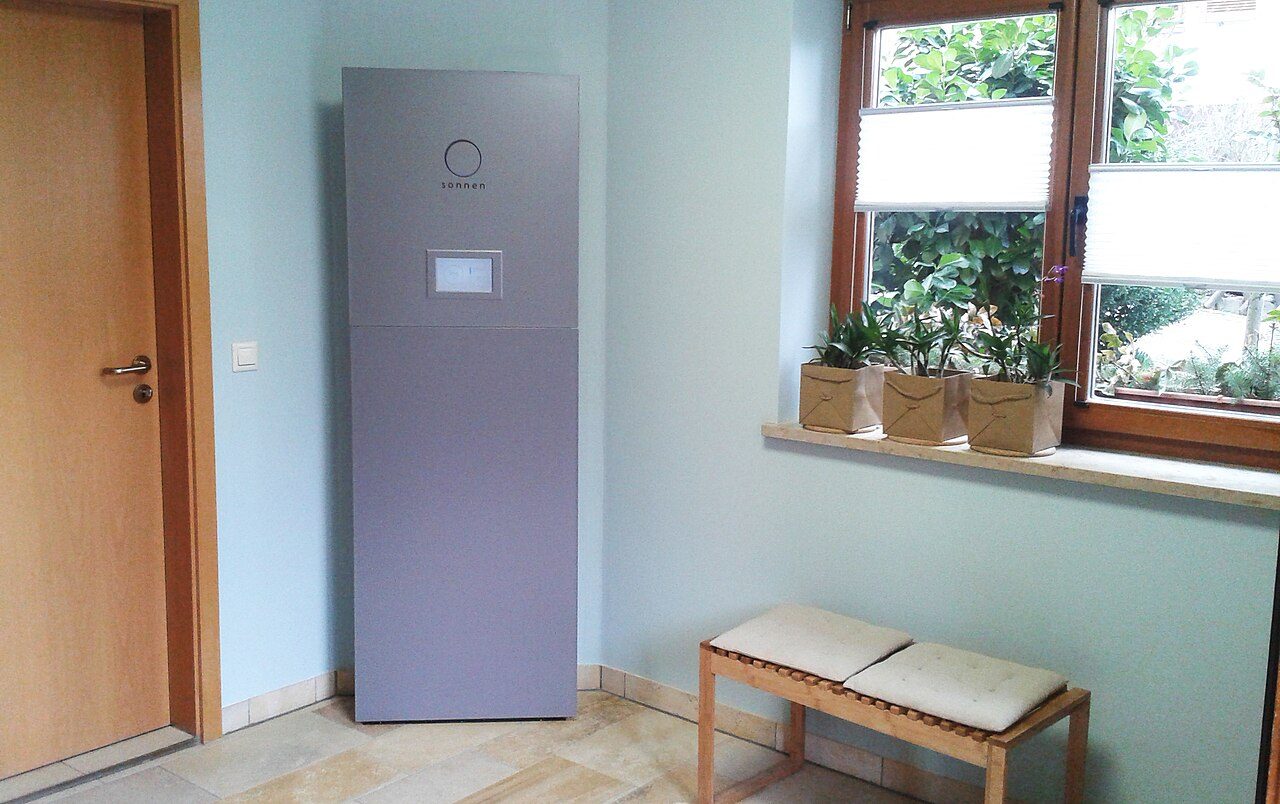
Germany's MiSpeL rules let home batteries mix grid and solar power
Germany's Bundesnetzagentur adopted the MiSpeL determination on October 1, 2026, letting batteries and bidirectional EV charge points store grid power alongside solar while keeping the EEG market premium on the solar share and levy relief on stored grid power. The premium requires direct marketing, the flat-rate option for arrays up to 30 kWp awaits EU state-aid approval, and until September 30, 2027 use needs grid and meter operator consent.
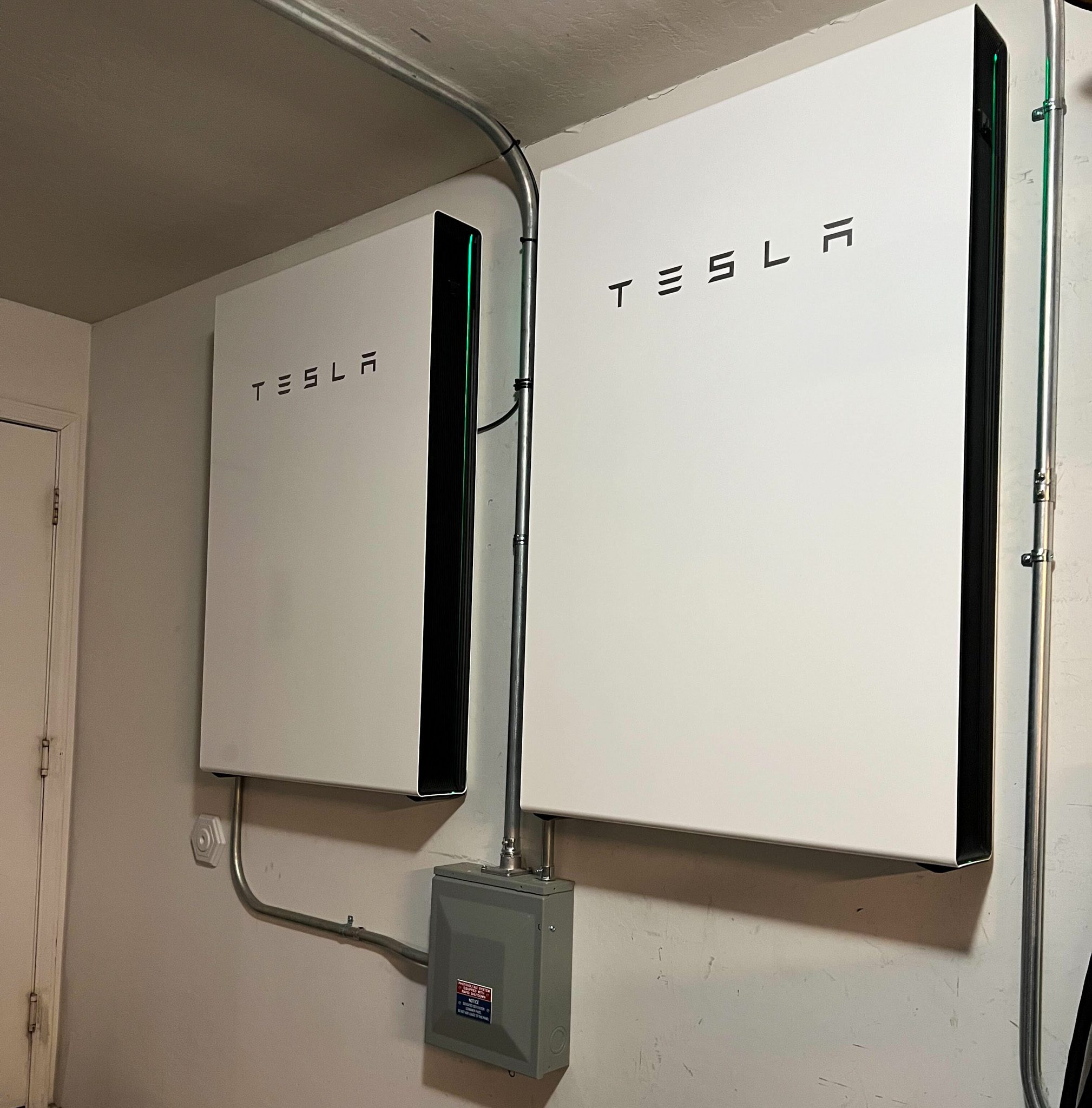
Berkeley Lab: batteries paired with 37% of new US home solar in 2025
Lawrence Berkeley National Laboratory's U.S. Distributed Solar and Storage: 2026 Data Update, published in August 2026, finds batteries were paired with 37% of new US residential solar systems in 2025, up from 25% in 2024: 74% in California (from 58%) and 17% in all other states combined (from 7%). Median residential battery capacity held at 13.5 kWh while median discharge capacity rose from 6.0 kW to 11.4 kW, which the lab attributes to Tesla's Powerwall 3. The rates exclude batteries added to existing systems and stand-alone storage.
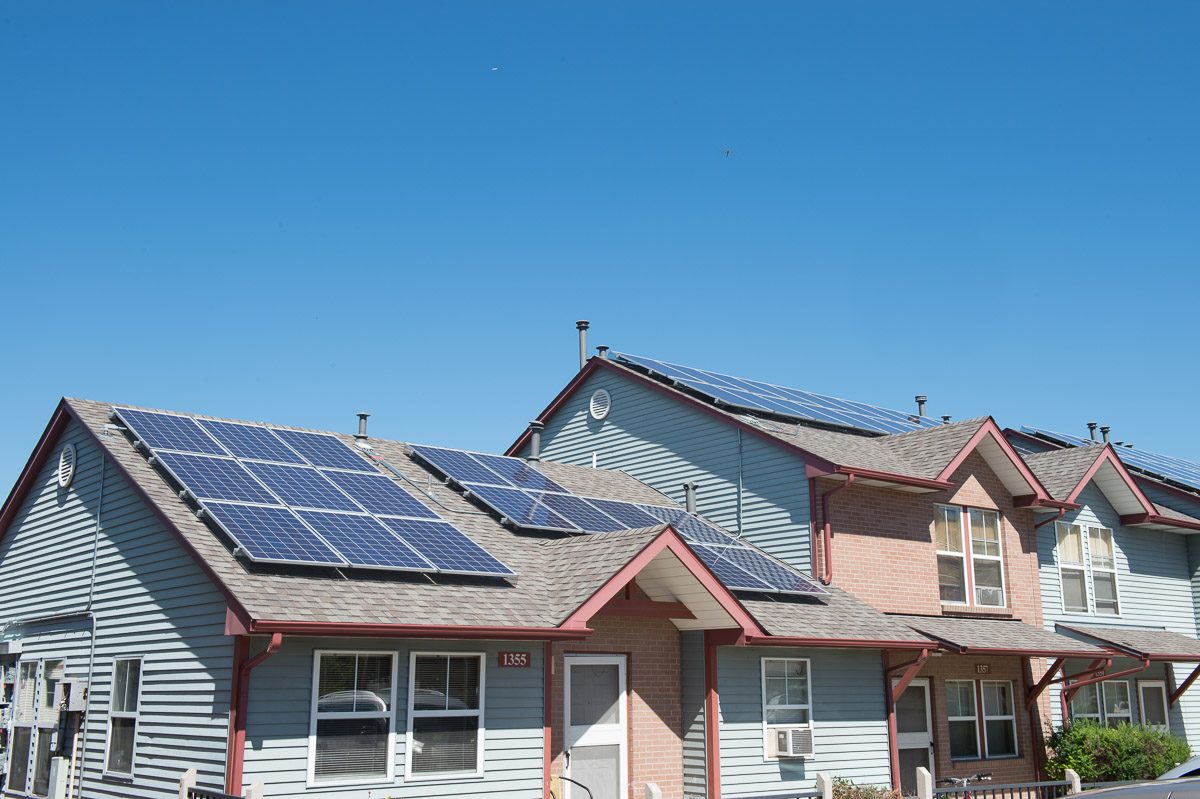
Colorado Springs votes 7-2 for grid access or demand charges on new solar
The Colorado Springs City Council adopted Resolution 81-26 on September 22, 2026 by a 7-2 vote: from April 1, 2027, Colorado Springs Utilities' new residential and small commercial net metering customers choose time-of-day rates plus a $1.00-per-day Grid Access Charge with no rollover, or a summer $0.3608 / winter $0.2462 per kW per day demand charge on the highest 15-minute on-peak net load with rollover kept. Utilities puts the average residential net metering bill about $38 a month above the approved 2027 frozen rates either way; earlier agreements keep frozen rates until April 1, 2032.

Newsom signs SB 868, California's plug-in solar law, as Chapter 985
Governor Gavin Newsom approved SB 868 on September 30, 2026; it was chaptered the same day as Chapter 985, Statutes of 2026. The law adds Sections 8530 to 8532 to the Public Utilities Code: a portable solar generation device meeting six conditions, including no more than 1,200 watts of aggregated AC output per dwelling and UL or equivalent certification, is exempt from interconnection requirements and from utility approval, fees and added equipment. The exemption section is repealed on January 1, 2030, when a sales standard for receptacle-connected devices begins.
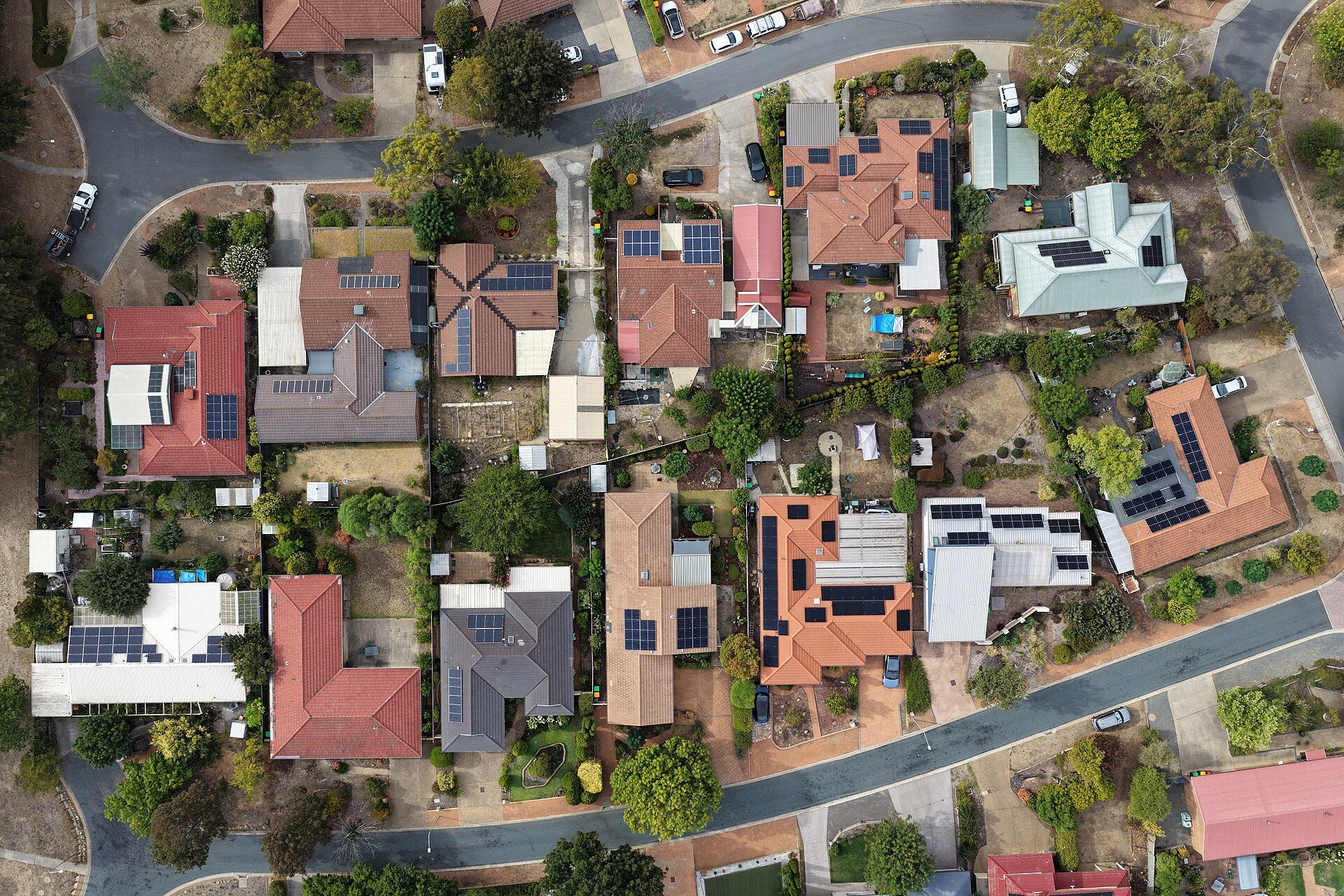
Australia added 276,011 batteries and 1,894 MW of rooftop solar in H1 2026
The Clean Energy Council said on September 29, 2026 that 180,878 rooftop solar systems (1,894 MW) and 276,011 batteries were installed in Australia in the first half of 2026, counted from applications to the Clean Energy Regulator including some still under review; solar installations rose 35 per cent on the first half of 2025, batteries 52 per cent on the preceding six months, and the Cheaper Home Batteries Program's first twelve months reached 457,439 batteries and 12.9 GWh.
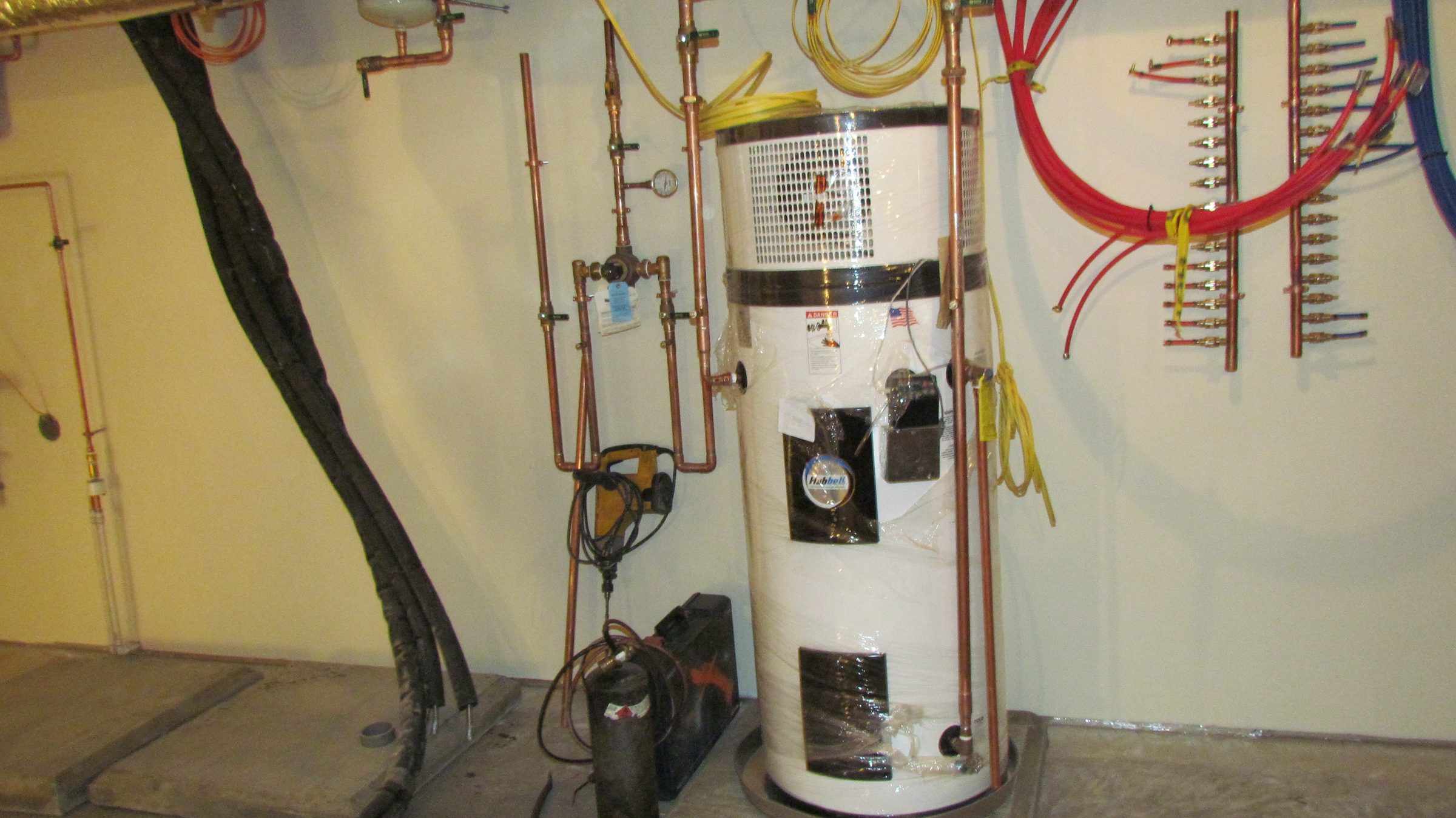
Newsom signs AB 1738, a remote-inspection option for heat pumps and solar
Governor Gavin Newsom signed AB 1738 on September 18, 2026, adding Section 17970.9 to the Health and Safety Code: cities and counties must offer homeowners, or contractors who give the city or county the homeowner's written consent, a remote-inspection option for heat pump water heaters, heat pump HVAC, reroofs, solar of 15 kW AC or less, energy storage systems, and smoke and CO detectors by January 1, 2028, or July 1, 2028 for cities of 50,000 or fewer; cities under 5,000 and counties under 150,000, with their cities, are exempt. SB 222 was still unsigned on September 27.
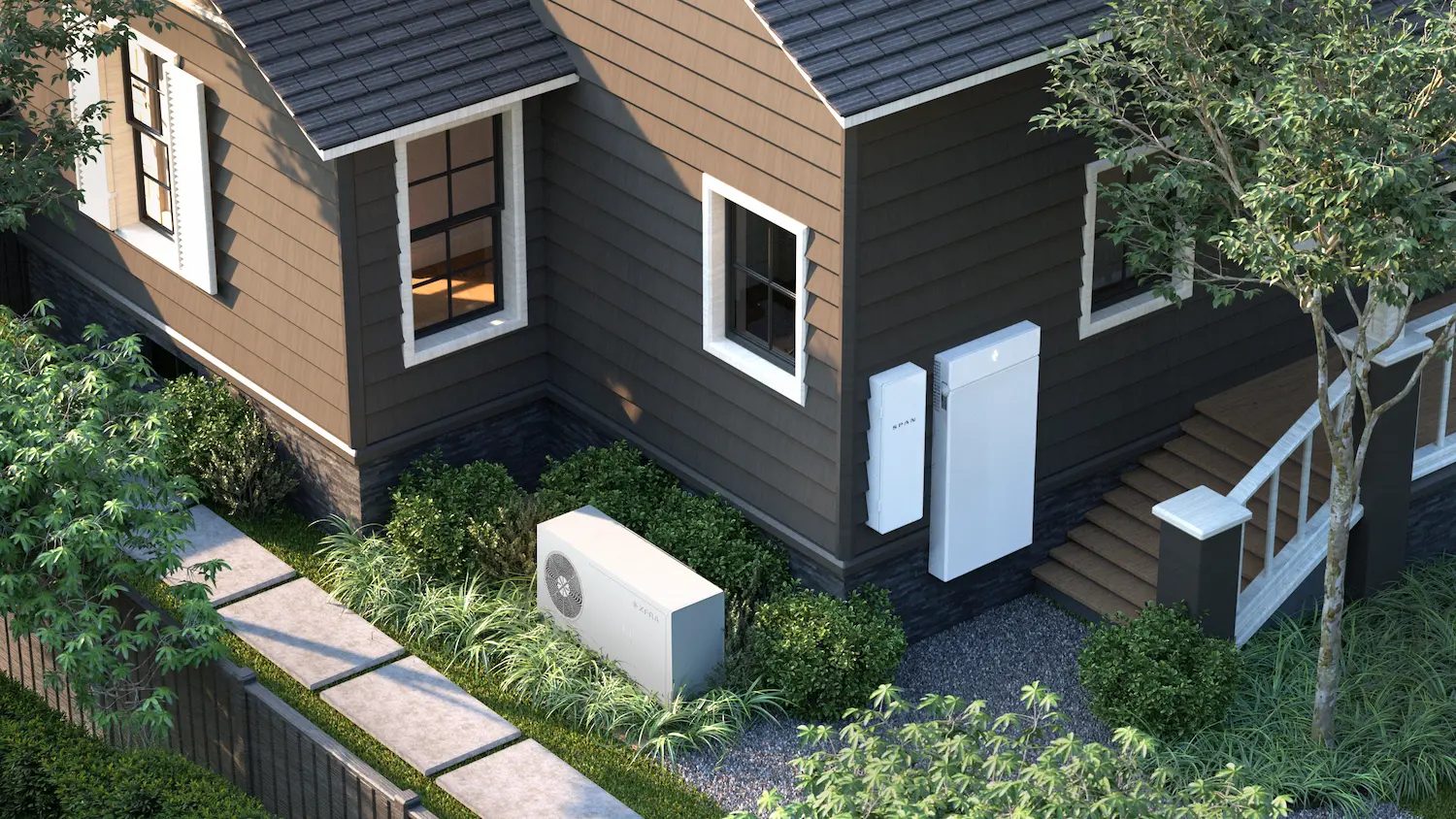
Sunrun to supply solar and batteries for SPAN's XFRA nodes in Texas homes
Sunrun and SPAN said on September 23, 2026 that Sunrun will provide home solar and battery storage to help power SPAN's XFRA distributed data center nodes, starting in Texas new-construction communities and other unnamed markets; each host home gets a smart panel, batteries and solar through a pre-paid lease and hosting compensation, at no cost to the builder or buyer. The release names no node count, price or compute buyer; SPAN's xfra.ai page specs each node at 16 NVIDIA GPUs with a 15 kWh battery and says it is on a first 100-home proof of concept and plans to expand more broadly in 2027.

Minnesota PUC finds co-op's threat to disconnect Upper Sioux solar unlawful
The Minnesota Public Utilities Commission determined on September 17, 2026 that Minnesota Valley Cooperative Light & Power Association is acting unlawfully and unreasonably when it threatens to disconnect the Upper Sioux Community over its behind-the-meter solar and battery project, and required the co-op to keep serving the community as long as the project operates behind the meter and safely. The West Central Tribune reports a unanimous vote, a 2.5 MW array with battery storage, and that the co-op's attorney said it would appeal any such order.
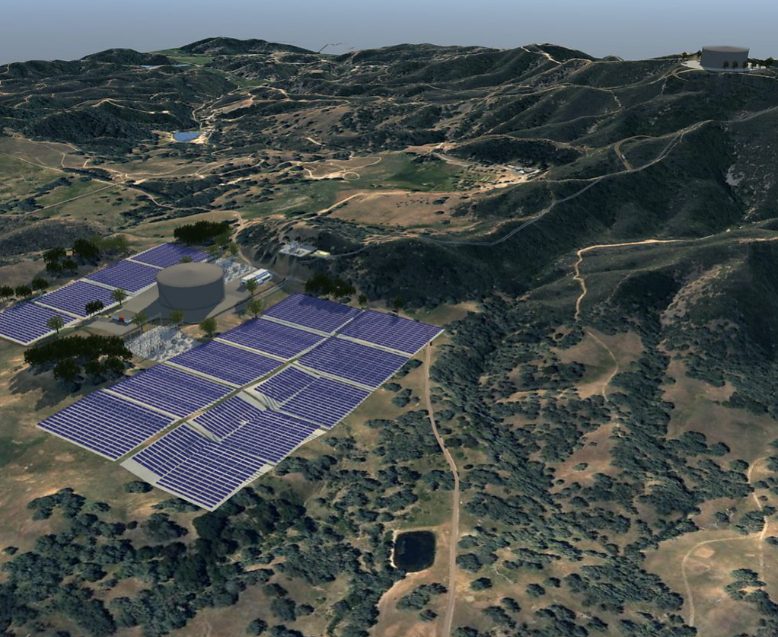
PG&E picks six community microgrids for $30M in second incentive round
Pacific Gas and Electric Company said on September 17, 2026 that it selected six community microgrid projects in the second application window of its CPUC-authorized Microgrid Incentive Program, directing $30 million in awards of $2 million to $6 million each, and that several of the nine first-round awardees are executing grant agreements. Counting the first round at the $43 million the new release states (up to $43 million in the March 2025 release), PG&E puts its authorized community microgrid investment at more than $73 million of a $79.2 million allocation.

Suniva closes $835M raise for 4.5 GW South Carolina solar cell plant
Suniva said on September 8, 2026 it completed an $835 million debt and equity raise to build a 4.5 GW solar cell factory in Laurens County, South Carolina, for 5.5 GW of US cell capacity with its 1 GW Georgia plant. The release puts it at approximately $600 million and 564 jobs, completion late 2027; South Carolina's April 14, 2026 announcement said $350 million. The raise precedes Section 232 minimum import prices on polysilicon, ingots and wafers, cells and modules effective December 4, 2026, which the proclamation says replace the safeguard relief Suniva petitioned for in 2017.
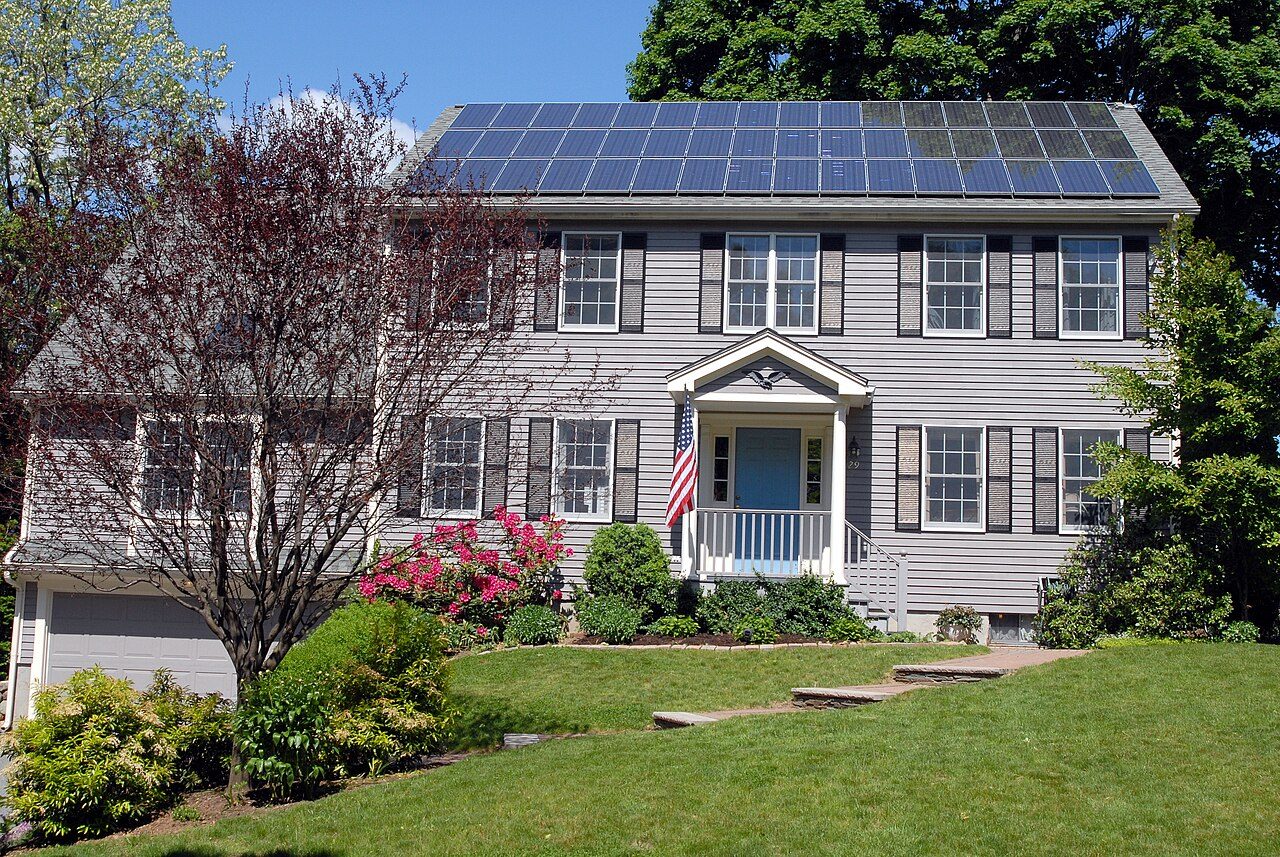
SEIA/WoodMac: residential solar fell 12% in Q2 2026, utility-scale up 61%
The Q3 2026 US Solar Market Insight from SEIA and Wood Mackenzie puts Q2 2026 residential solar at 995 MWdc, down 12% year over year and 10% from Q1, the quarter in which the report says interconnection data began to reflect the end of the Section 25D credit; the authors now expect a 23% residential contraction in 2026. Utility-scale solar installed 9.6 GWdc, up 61% year over year, as developers placed safe-harbored projects into service.
-
SB Energy IPO filing shows about 5.5 GWac of contracted solar and storage
SB Energy, Inc., the SoftBank-backed developer, filed a Form S-1 with the SEC dated August 31, 2026 and posted September 1 for a Nasdaq IPO under the symbol SBE. The filing describes a Standalone Power Contracted Portfolio of approximately 5.5 GWac of solar and battery storage, about 2.2 GWac of it operating, about $10 billion of power backlog, and about $430 billion of data center backlog from campuses leased to SoftBank and OpenAI, with the 8 GW-IT Ohio campus expected to be supported by the PJM transmission system and neighboring gas plants that SB Energy says it does not expect to own.
Google to buy from 86 MW solar and zinc storage project in West Virginia
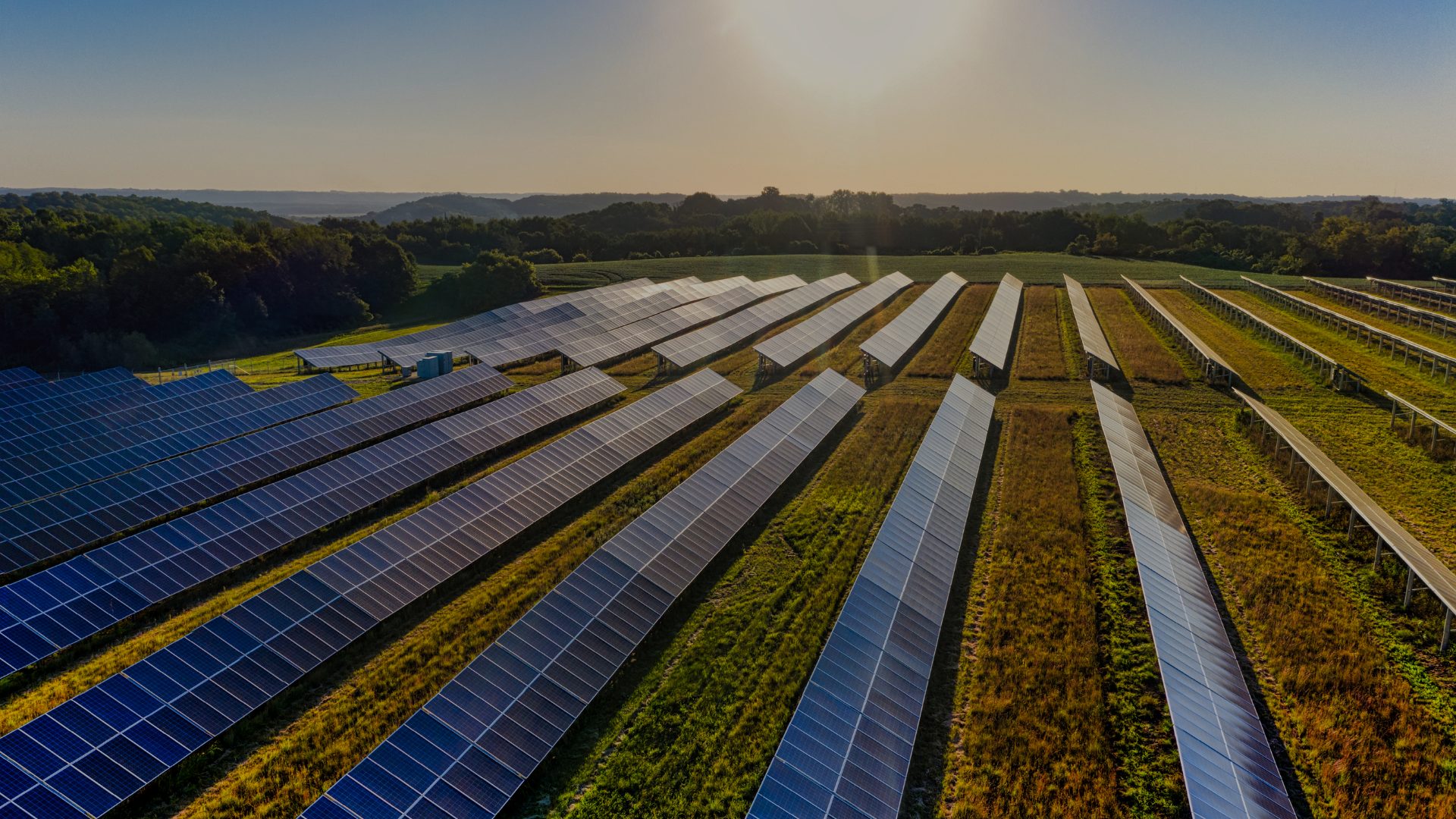
MN8 Energy, Eos Energy Enterprises, and Google announced on September 2, 2026 that Google will purchase the energy, capacity, and clean energy attributes of MN8's Mammoth Solar project in Kanawha County, West Virginia: 86 MW of solar, 70 MW/280 MWh of lithium-ion storage, and 10 MW/100 MWh of Eos Z3 zinc-based long-duration storage on a reclaimed coal mine. MN8 expects the solar online in 2028, the lithium-ion in 2029, and the zinc system in 2030, and estimates up to $350 million in capital investment; the West Virginia PSC granted the project's siting certificate on November 24, 2025.
India drafts storage mandate for ground-mounted solar and onshore wind
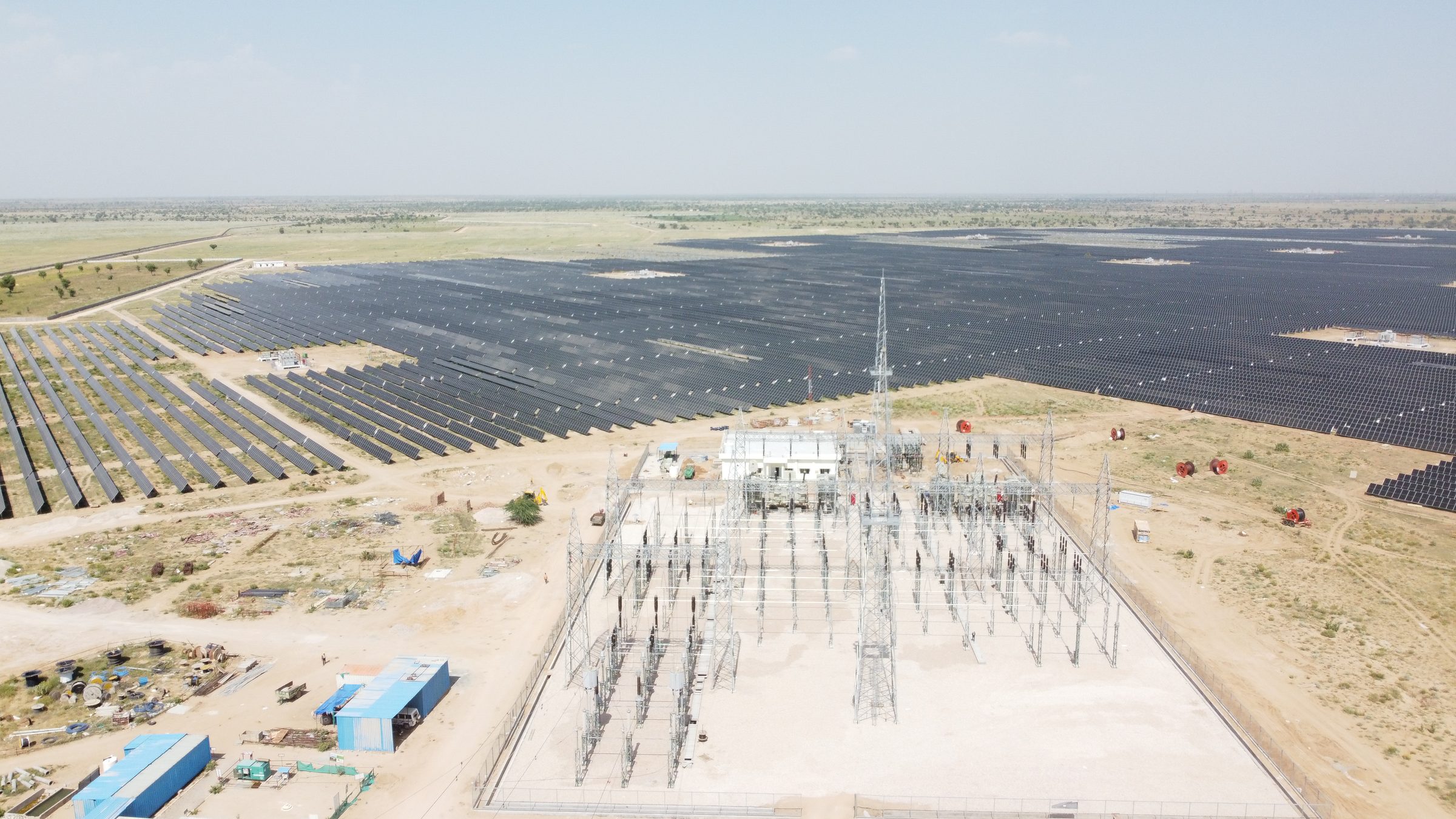
India's Central Electricity Authority published a draft second amendment to its construction technical standards on September 3, 2026 that would require ground-mounted solar and onshore wind plants commissioned after July 1, 2027 to have co-located energy storage of at least 10% of installed capacity with a two-hour minimum duration, rising to four hours for plants commissioned between July 1, 2029 and June 30, 2031. Renewable plants commissioned after July 1, 2027 would also need grid-forming control on at least 15% of inverters; comments are due October 4, 2026.
-
New Jersey exempts balcony solar up to 1,200 W from utility sign-off
New Jersey Governor Mikie Sherrill signed the Garden State Balcony Solar Act (S2368) on September 1, 2026, exempting plug-in solar devices of up to 1,200 watts from utility interconnection agreements and net-metering requirements, with new limits on landlord, homeowner-association, and municipal bans. The law takes effect six months after enactment, in early March 2027.
Ember: 2026 battery additions could shift over a third of new solar output
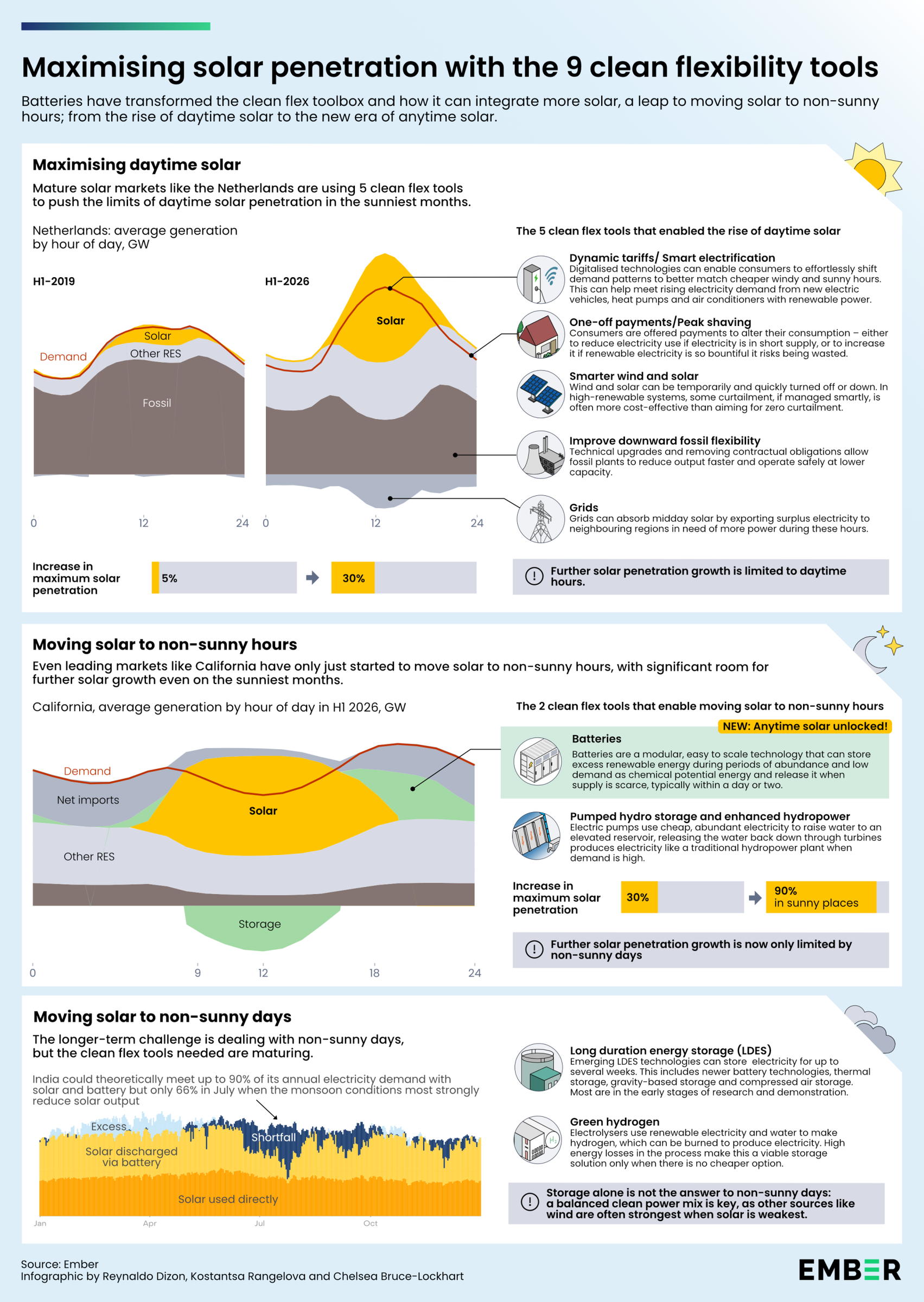
Ember's August 12, 2026 report finds solar met a record 10% of global electricity in H1 2026, over a quarter of demand at midday on the average day but near zero at night. Expected 2026 battery additions of 459 GWh, up 50% year over year, could shift up to 34% of new daily solar generation into non-sunny hours, based on H1 2026 solar growth.
-
Canadian Solar storage beats guidance, modules fall 60% year over year
Canadian Solar reported second-quarter 2026 results on August 27, 2026: battery storage shipments of 3.7 GWh exceeded guidance of 2.8 to 3.2 GWh and rose 73% year over year, while solar module shipments of 3.1 GW rose 25% from the first quarter but fell 60% year over year. Revenue was $1.2 billion, gross margin of 13.9% was within guidance but down sequentially, the net loss was $77 million, and Phase I of the company's HJT cell factory in Jeffersonville, Indiana held its ribbon-cutting in July 2026.
NRDC projects US loses up to 540 GW of renewables under Trump policies
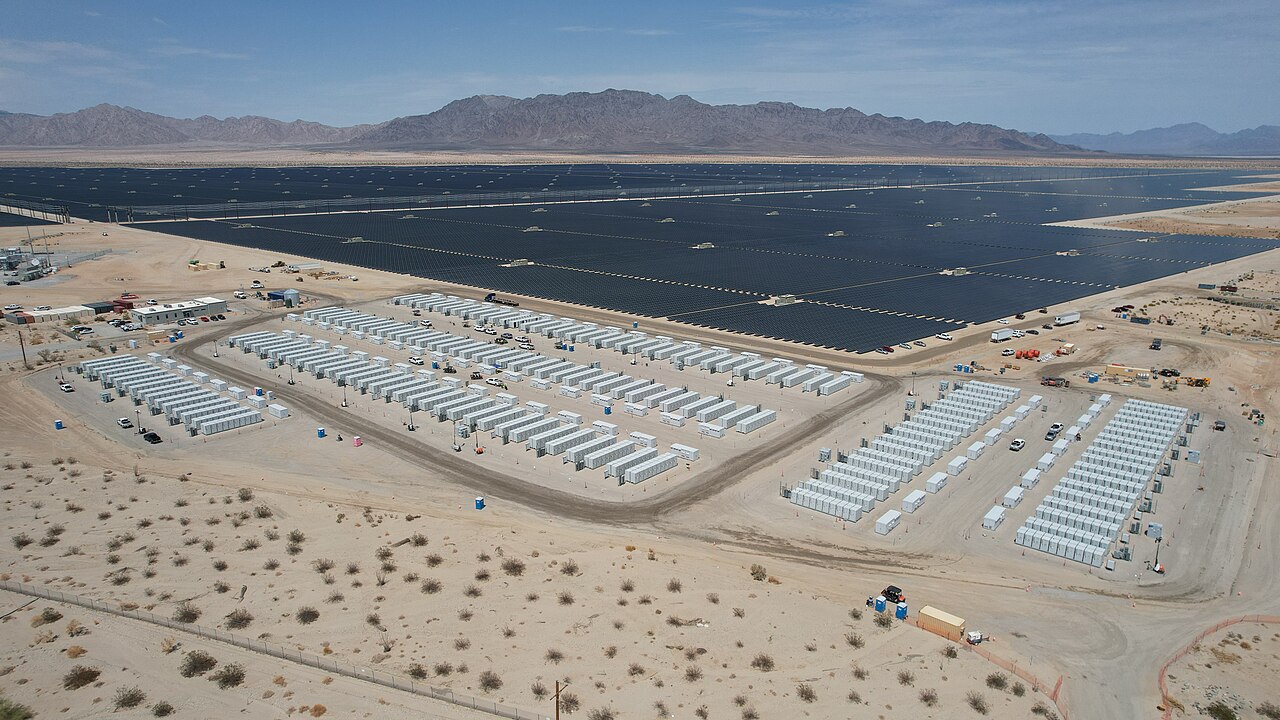
The Natural Resources Defense Council projects that Trump administration energy policies could cost the US between 390 GW and 540 GW of new wind, solar, and storage capacity over the next decade, according to trade-press accounts of a report announced August 25, 2026, with at most 9 GW of new gas capacity added in its place and average household electricity rates rising an additional 4.2% to 5.5% by 2035, all relative to the group's January 2025 baseline.
Sunrun will supply home battery capacity to Voltus's AI hyperscaler deals
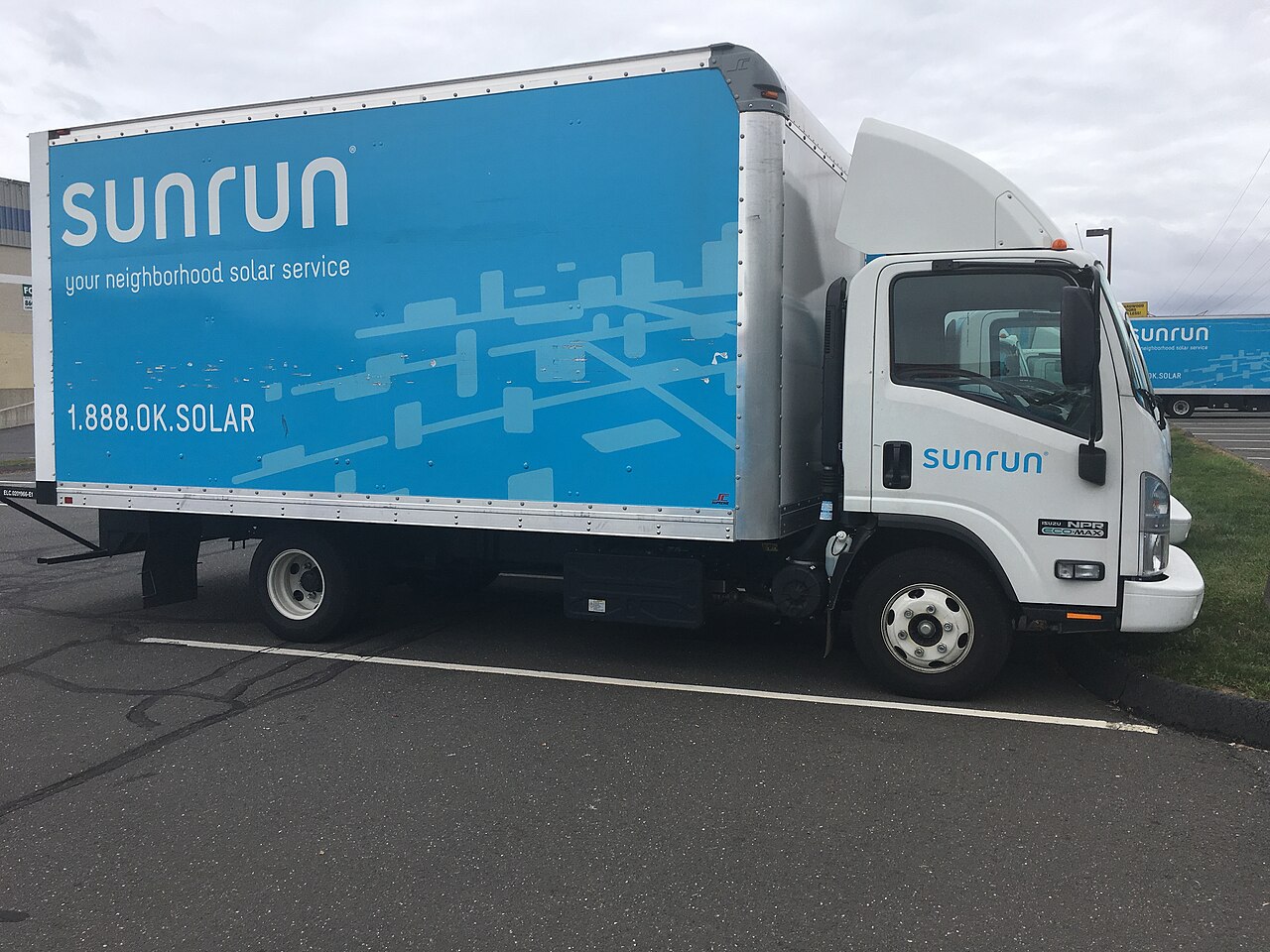
Sunrun announced an agreement on August 17, 2026 to supply capacity from a portion of its residential solar-plus-storage systems in PJM and MISO to Voltus's Bring Your Own Capacity programs for AI hyperscalers. Voltus's first disclosed BYOC buyer was Google, under a June 2026 agreement covering up to 100 MW of distributed resources a year in PJM.
Ann Arbor's city utility installs solar and batteries at no upfront cost
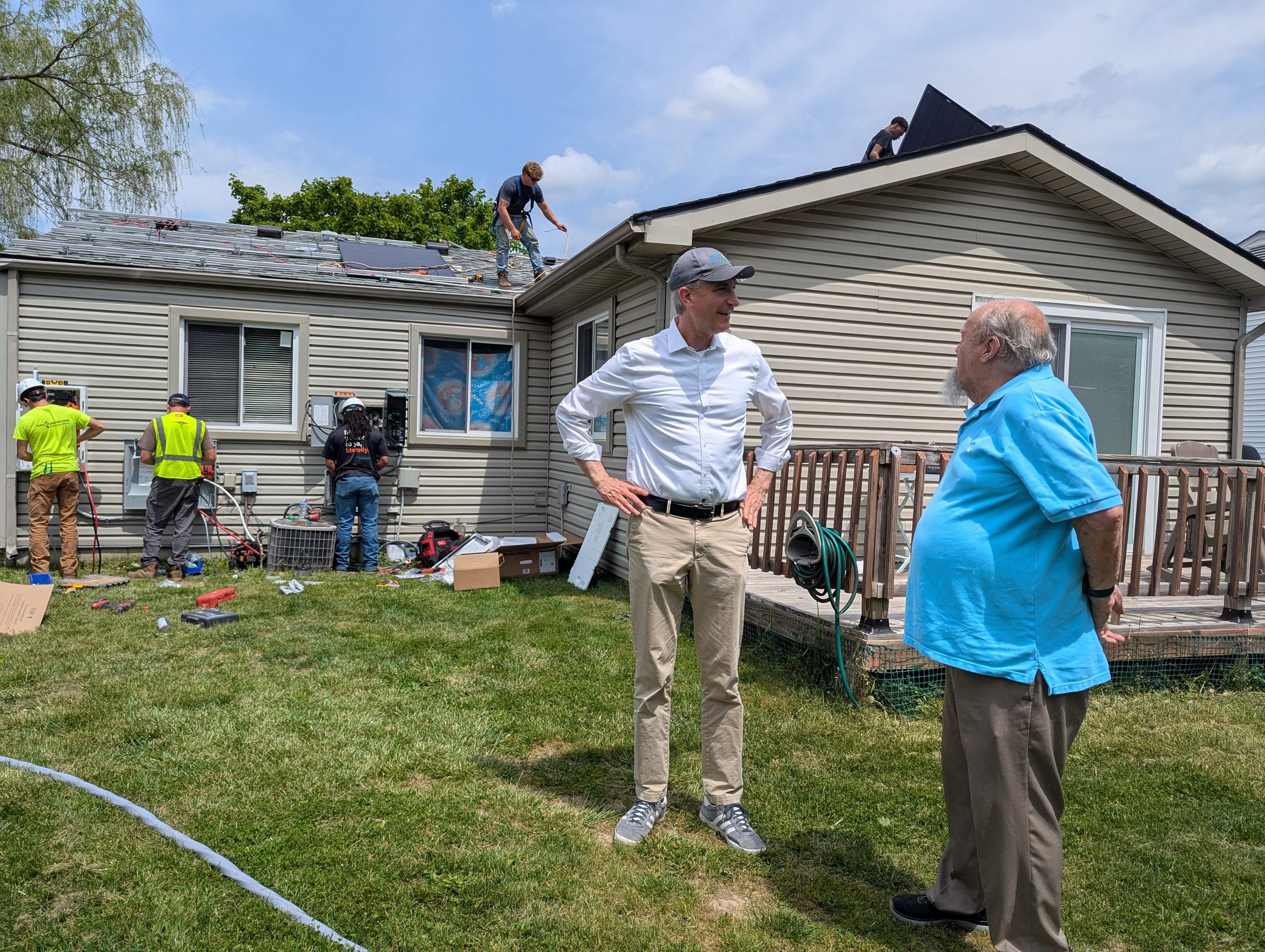
The Ann Arbor Sustainable Energy Utility, a voter-created municipal utility that supplements rather than replaces DTE, is installing city-owned rooftop solar and battery systems on homes in the Bryant neighborhood at no upfront cost, with plans to reach about 100 homes before the pilot concludes in 2026 and to begin citywide expansion in 2027. Participants pay roughly $600 a year and the city estimates $700 to $1,000 in annual utility-bill savings; one enrolled household rode out a two-day heat-wave outage in July 2026 on its battery.
Massachusetts swaps surprise solar upgrade charges for a flat $225 fee
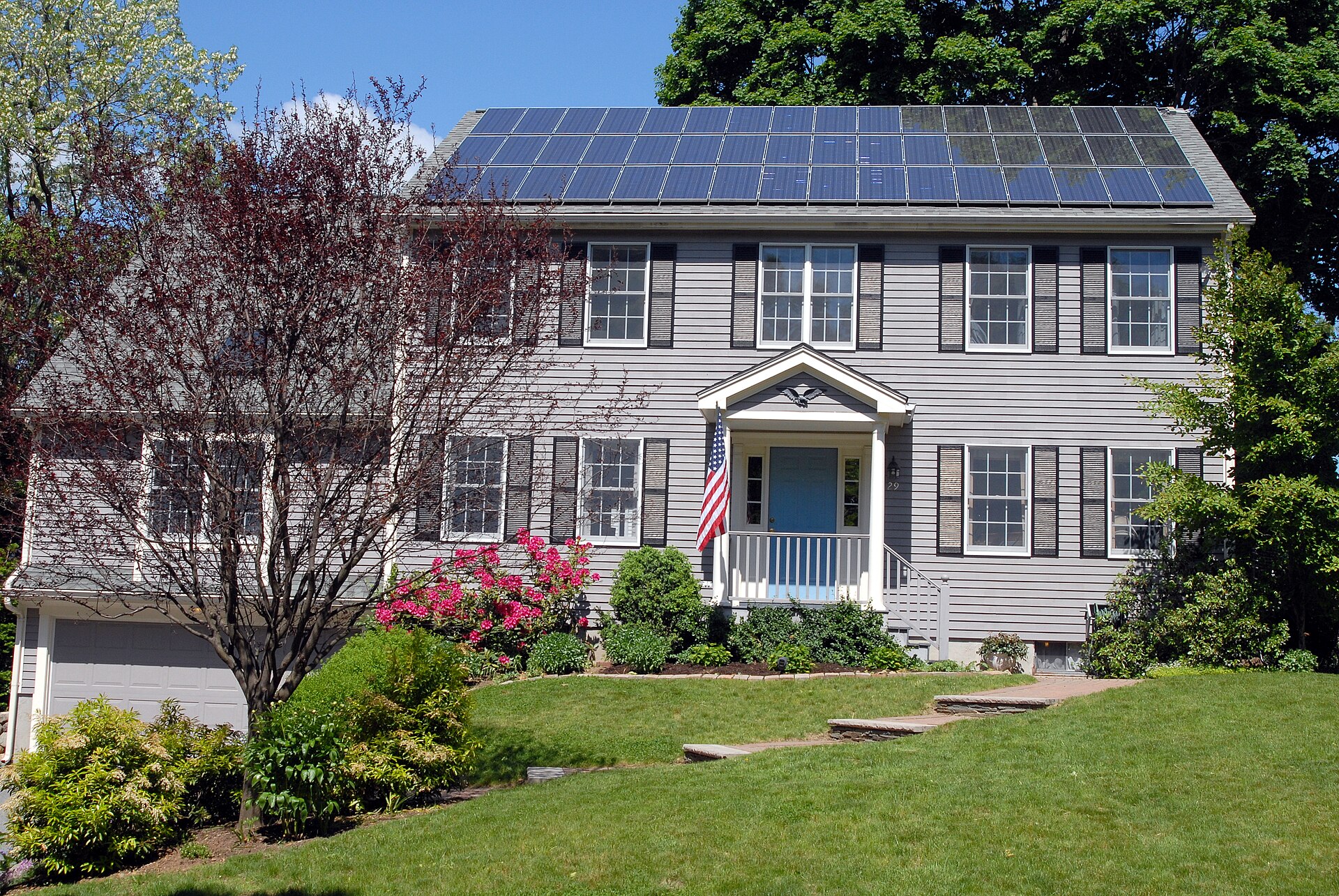
The Massachusetts Department of Public Utilities approved a Common System Modification Fee on August 12, 2026 in docket D.P.U. 26-57: every solar or battery project on the utilities' simplified interconnection path (listed inverter-based systems of 25 kW or less) pays a flat $225 at application, and the pooled fund covers grid upgrades up to $10,000 for Eversource and National Grid customers and up to $1,450 for Unitil customers. The tariffs take effect November 1, 2026, ending the practice of billing whichever customer happened to trigger a transformer upgrade.
-
11 GW-plus Northwest plan, Austria's storage pivot, Walmart's 100th charger
Three developments from August 13 to 21, 2026: the Northwest Power and Conservation Council's draft Ninth Power Plan calls for more than 11 GW of new generation and more than 5 GW of storage by 2032; Austria plans to redirect residential solar subsidies toward battery storage from 2027, guided by a ministry-commissioned study that finds up to 8 GW of market-oriented battery capacity economically useful by 2030; and Walmart's company-owned fast-charging network, delivering up to 400 kW, reached 100 stores across 20 states.
-
US grid batteries near 52 GW after three years of 70% annual growth
US utility-scale battery storage reached nearly 52 GW of nameplate capacity by mid-2026, after ending 2025 at 43.6 GW and adding 8.3 GW in the first half of 2026, according to EIA inventory data published August 7, 2026. Growth averaged 70% a year over the last three years, and operators report plans for another 54 GW by the end of 2028.
FCC redraws its foreign inverter ban around the 45X tax credit
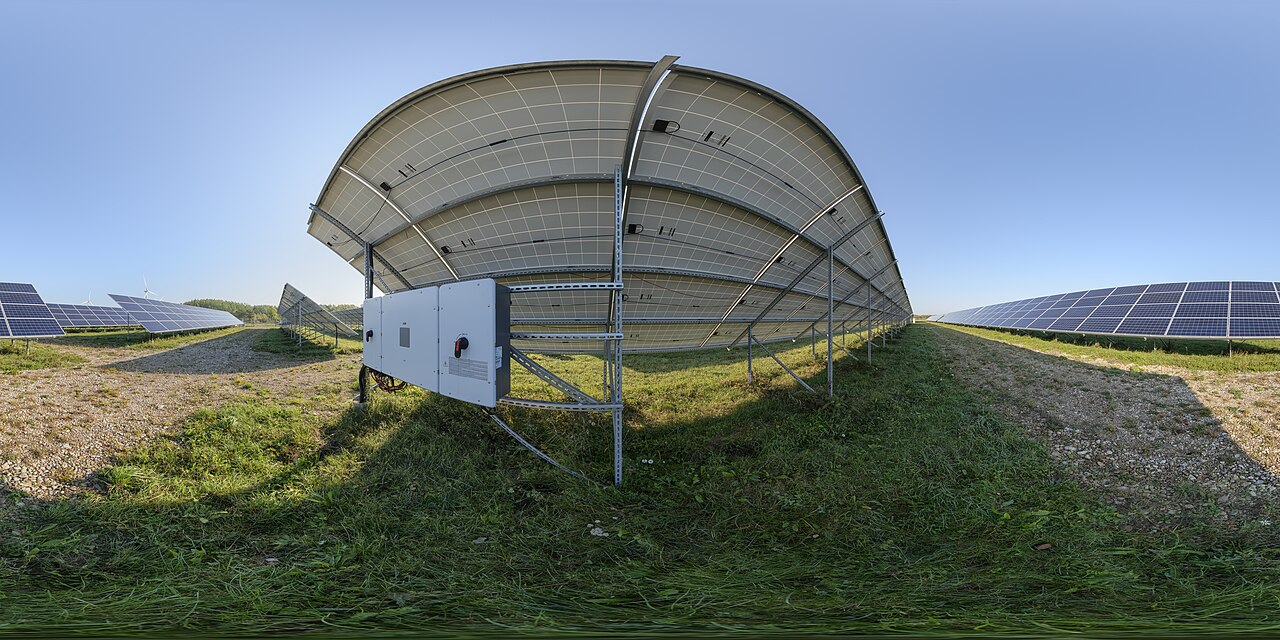
The FCC modified its Covered List entry for foreign-produced power inverters on August 20, 2026: the ban now covers only UL 1741 utility-interactive inverters but extends to wired connectivity, and inverters eligible for the Section 45X manufacturing credit are no longer treated as foreign-produced.