 The Duck Curve
Tech
R&D and breakthroughs not yet tied to a site: fusion, new chemistries, reactor designs.
RSS feed for Tech →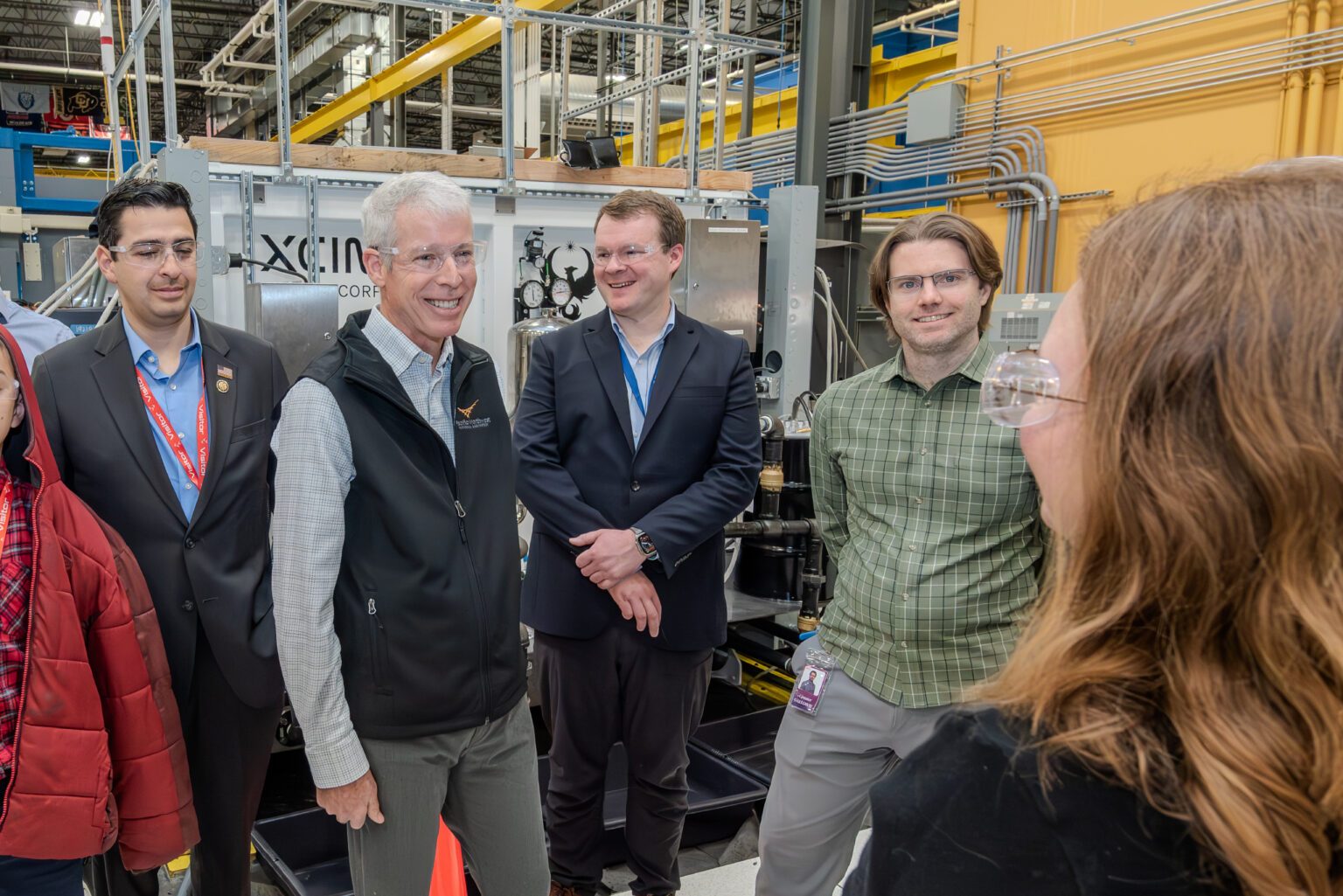
Xcimer Energy finalizes up to $30.5M more from DOE fusion milestone program
Denver laser fusion developer Xcimer Energy said on October 6, 2026 that it finalized an agreement for up to $30.5 million in additional funding from the Department of Energy's Milestone-Based Fusion Development Program, bringing its potential milestone payments to $39.5 million. The payments come only as pre-agreed milestones are completed and independently verified.

Type One Energy raises $200M Series B for its Tennessee fusion plant
Type One Energy said on October 6, 2026 that it closed a $200 million Series B co-led by Breakthrough Energy Ventures and Clutterbuck Capital, with Lowercarbon Capital, Siemens Energy Ventures and SiteGround Capital among new investors, for its stellarator program and Project Infinity at TVA's Bull Run site. CEO Christofer Mowry told TechCrunch the round should get the company halfway to paying for a 400-megawatt commercial plant.
DOE clears MARVEL microreactor's final safety analysis for dry criticality
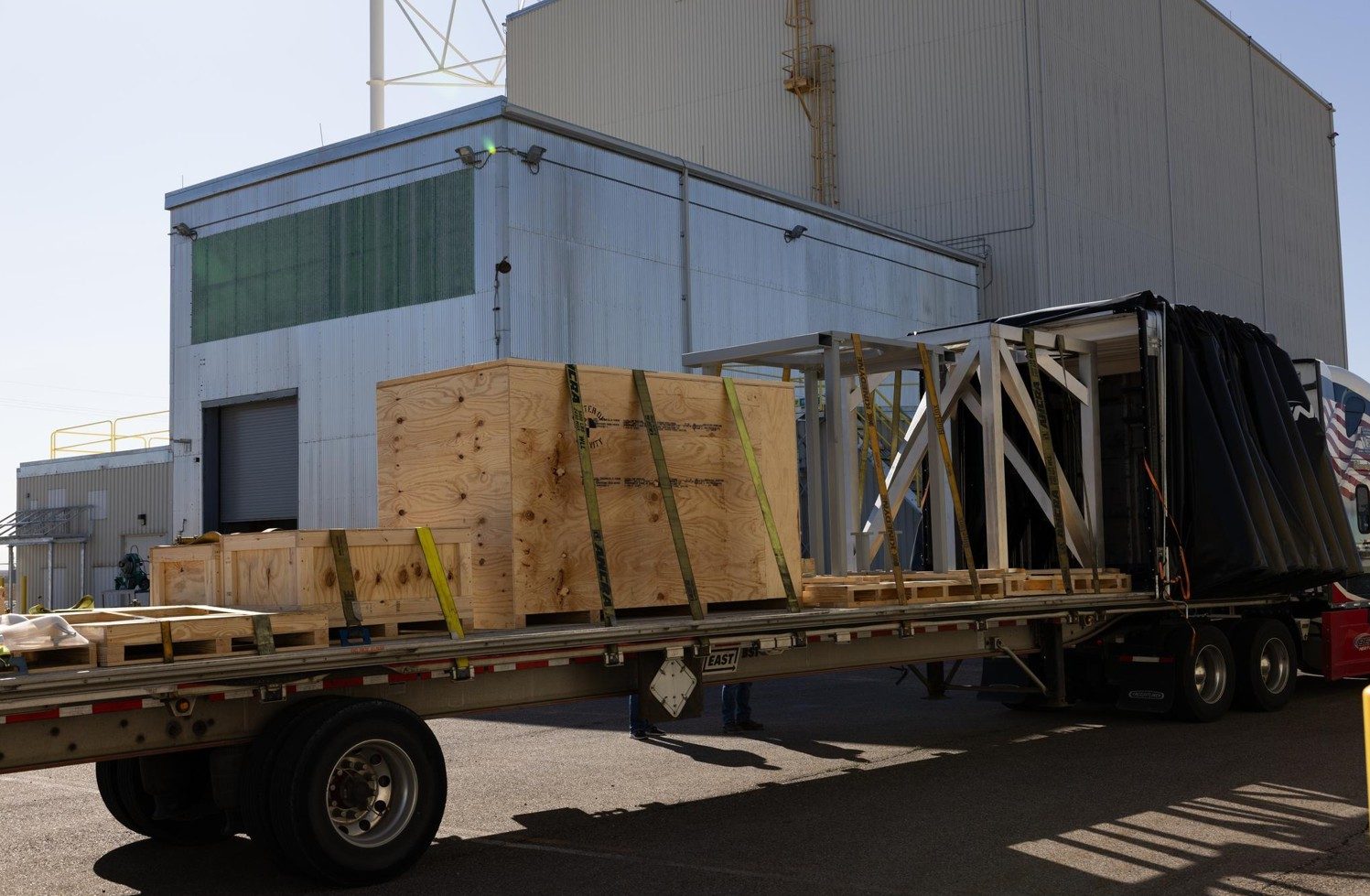
DOE's Idaho Operations Office approved the final documented safety analysis for MARVEL, the test microreactor Idaho National Laboratory leads for DOE, authorizing a dry, near-zero-power criticality configuration INL anticipates reaching in December 2026, INL said on October 6, 2026. The reactor's primary coolant system arrived at INL's Transient Reactor Test Facility in mid-September; INL's own project page still dates initial criticality to 2027.
ITER's ninth and final vacuum vessel sector arrives from Europe
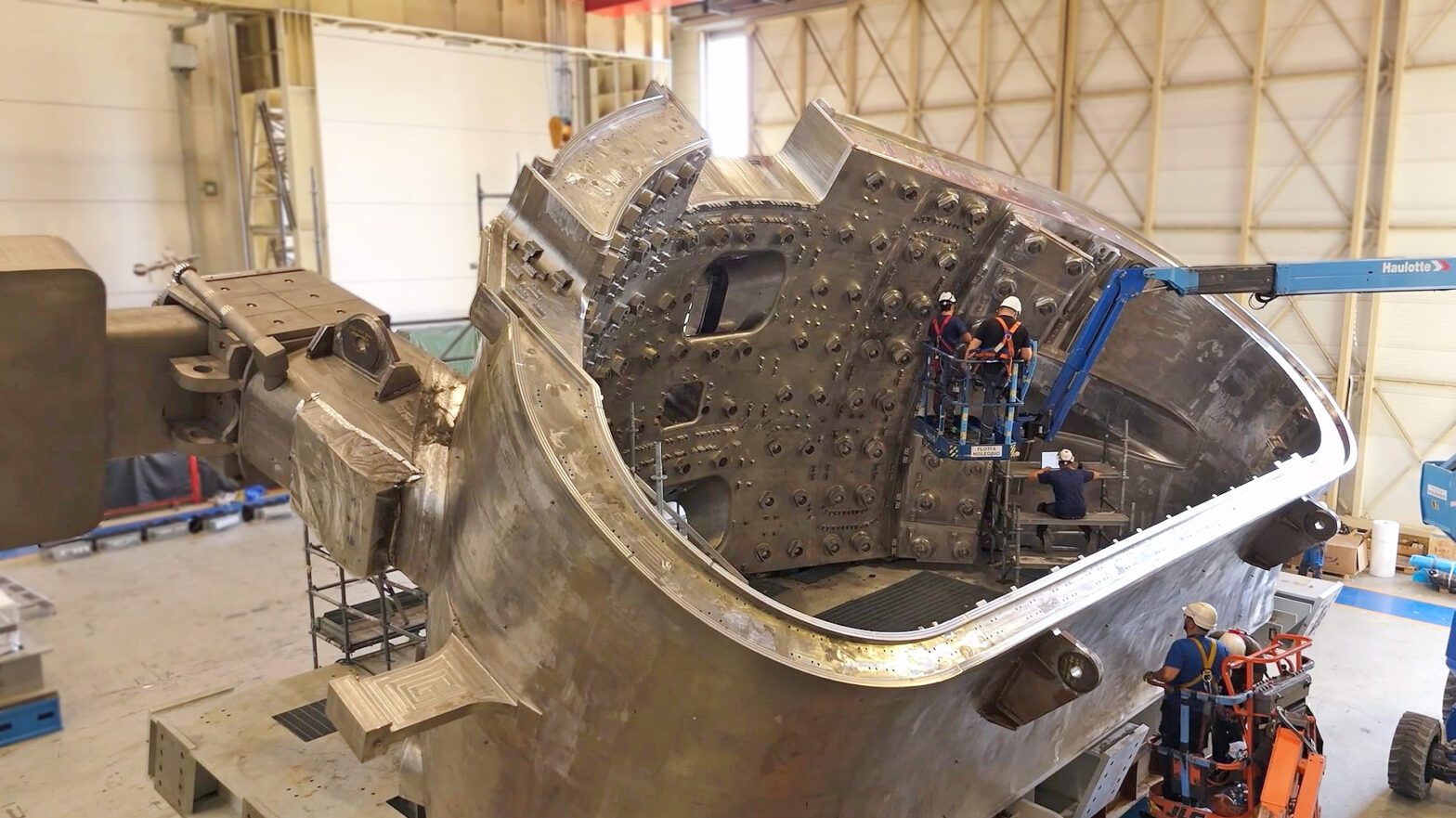
Europe's last ITER vacuum vessel sector, #2, reached the site in southern France on October 2, 2026, the ninth of nine and, per the ITER Organization, the last of the core tokamak components to arrive. Six of nine sector modules are already in the tokamak pit, and ITER anticipates installing the final one by mid-2027.
Honda and Taisei test in-road wireless charging built for 20-ton trucks
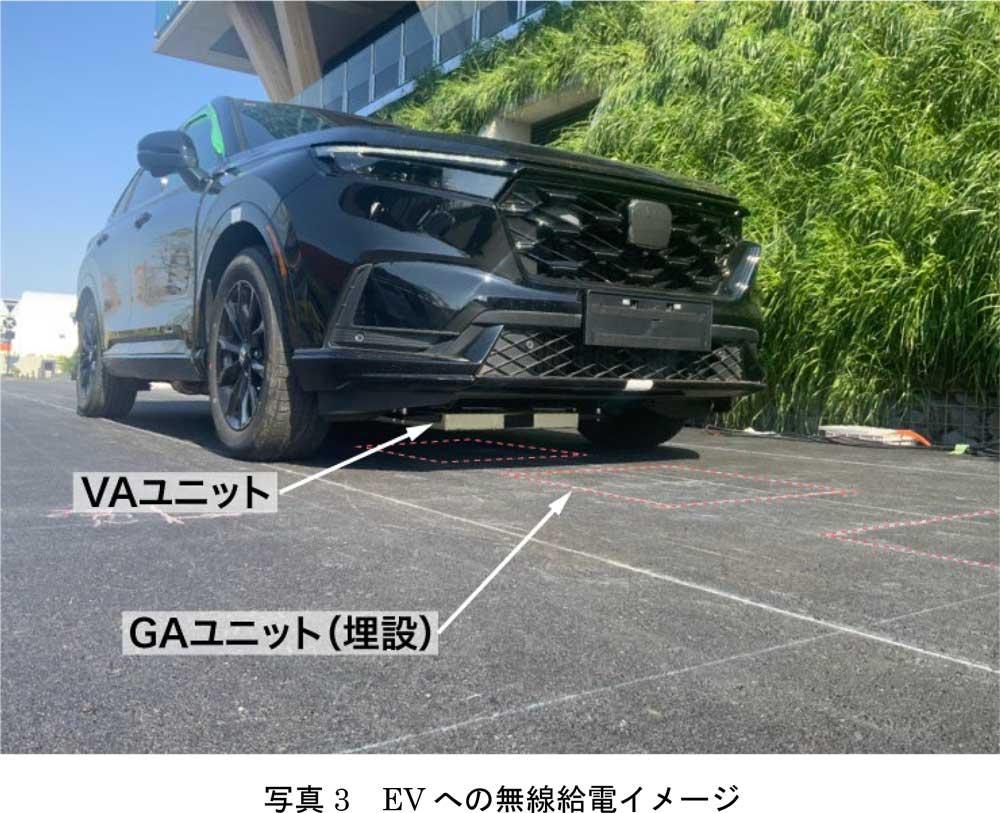
Honda and Taisei said on October 5, 2026 that Honda R&D, Taisei Corporation and Taisei Rotec have developed the underlying technology for a magnetic coupling wireless charging road for moving EVs, with ground units and pavement built to withstand vehicles of approximately 20 tons gross weight, tested at Taisei's T-FIELD/SATTE test road. Taisei says the system is designed for up to 150 kW; neither company reports a measured power level. The team is one of two scheduled for NEXCO East's roughly 300-meter Tateyama Expressway trial from fiscal 2027.
-
Texas drilling permit issued for Deep Isolation's borehole disposal pilot
Deep Isolation Nuclear, Inc. said on October 1, 2026 that the Texas Railroad Commission has issued a drilling permit for its full-scale, non-radioactive Commercialization Pilot near Cameron, Texas, a deep borehole disposal demonstration, and that the authorization lets the project advance from engineering and design toward construction and field activities. A February 3, 2026 Form 8-K puts the demonstration test well at Halliburton's Cameron site, built by Halliburton, which keeps title, with construction, preparation and initial demonstration expected to take approximately three years.
NANO Nuclear agrees to buy NRC license for unbuilt New Mexico DUF6 plant
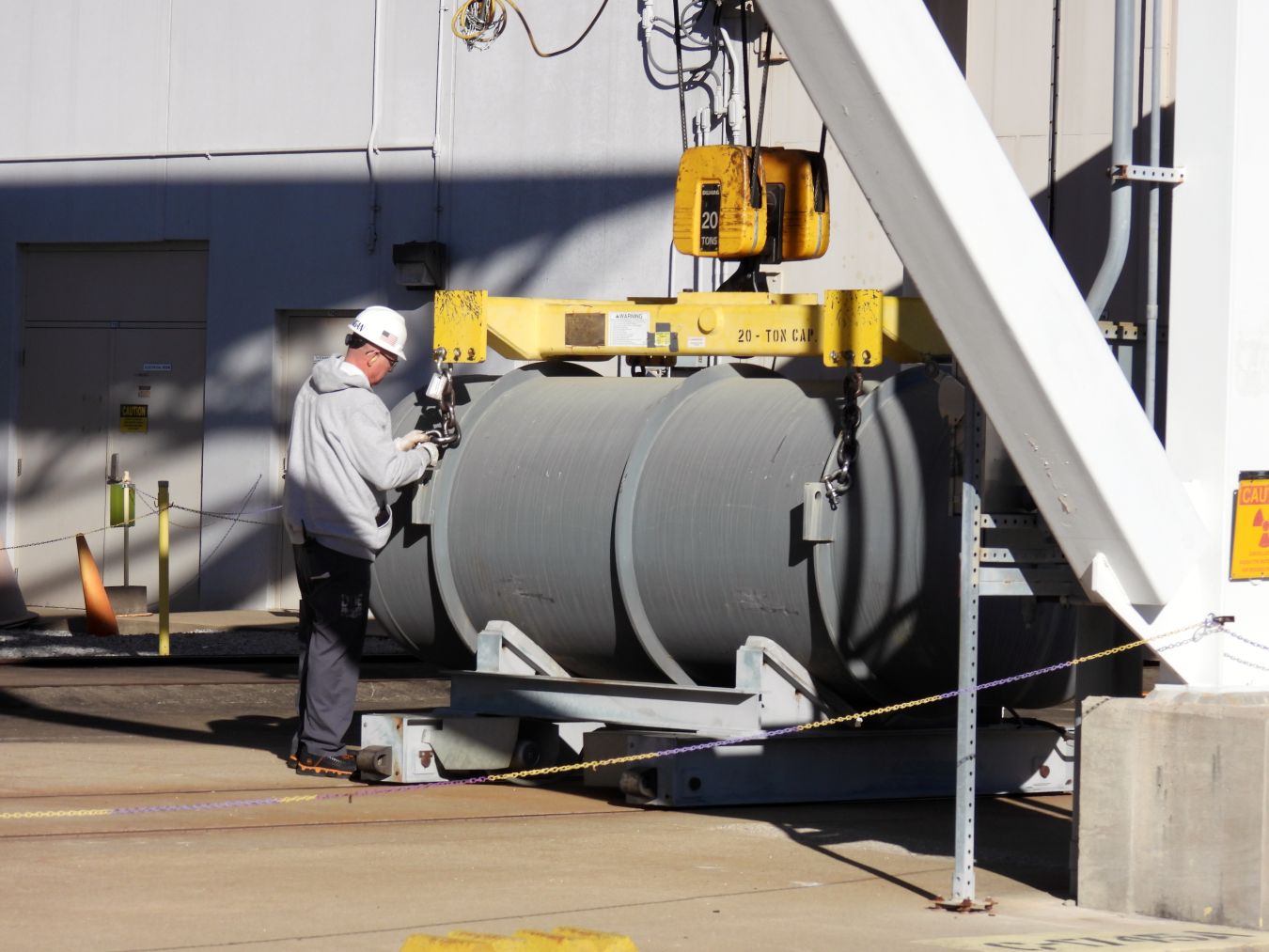
NANO Nuclear Energy said on October 1, 2026 that it agreed to buy Radnostix's assets for a never-built depleted uranium hexafluoride deconversion plant in Lea County, New Mexico, including NRC source material license SUB-1011, for $9.5 million in cash and $4.0 million in NANO stock at closing, expected in approximately 90 to 120 days subject to NRC consent to the license transfer and other conditions. The NRC issued the license in 2012; a 2025 application to transfer it to Green Salt Products was withdrawn in March 2026, and NANO says no final investment decision has been made.
Antora plans 5.8 GWh thermal battery at Pratt Energy's Kansas biorefinery
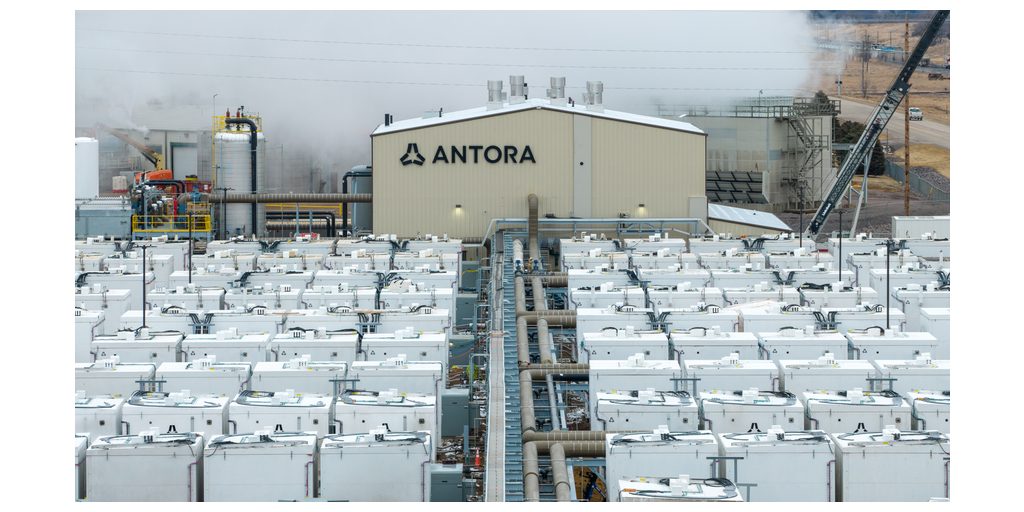
Antora Energy said on October 1, 2026 that it will deploy a 5.8 GWh, multi-day thermal energy storage project at Pratt Energy's ethanol biorefinery in Pratt, Kansas, with deliveries under a long-term heat offtake agreement to start in 2027; Copenhagen Infrastructure Partners led the third-party equity financing, with Grok Ventures and University Pension Plan Ontario participating, and Antora expects over 100 construction and operations jobs. The release gives no dollar amount, contract term, megawatt rating, construction date, or electricity supplier.
Ultium Cells to make LMR prismatic EV cells at Spring Hill, Tennessee
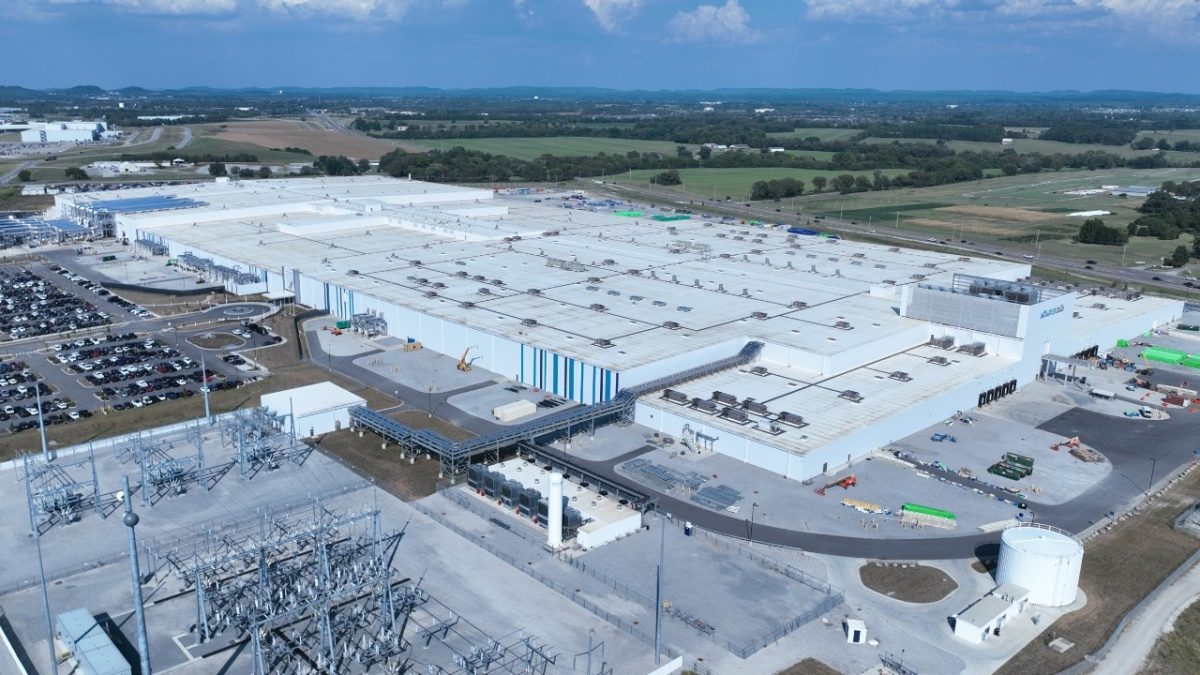
Ultium Cells, the GM and LG Energy Solution joint venture, said in a September 28, 2026 release that it will upgrade its Spring Hill, Tennessee plant to make LMR prismatic cells for future GM EVs: modifications begin in 2026, completion is expected in 2028, 500 projected jobs join 1,200 employees, and combined investment with the plant's LFP storage-cell program and facility improvements will reach $1B by 2030. It expects Spring Hill to be first in the world to mass produce prismatic LMR cells, with the potential, it says, for 33% higher energy density than LFP at comparable cost.
Fervo declares commercial operation at Cape Station's first 33 MW GeoBlock
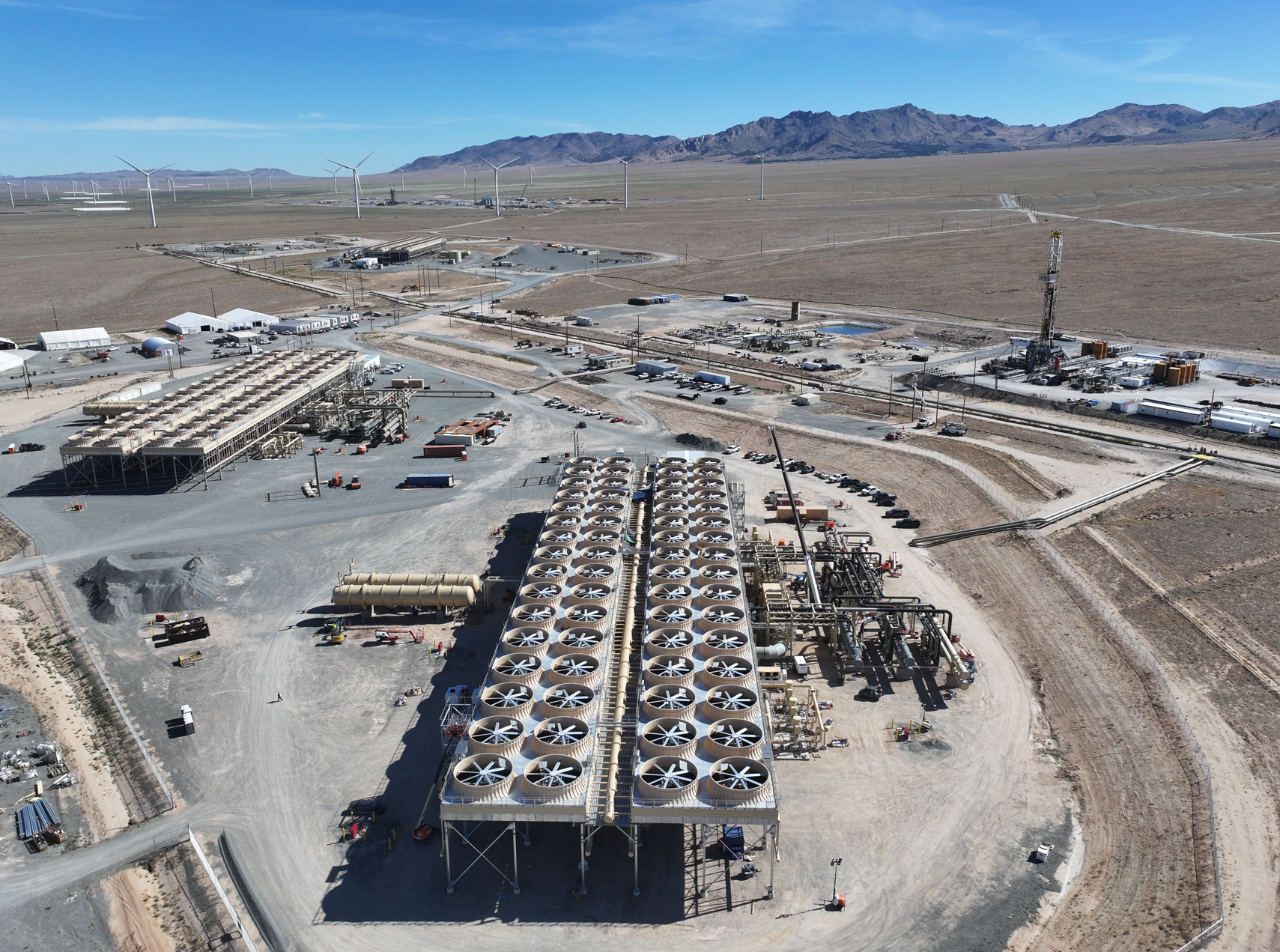
Fervo Energy said on October 1, 2026 that the first of Cape Station Phase I's three 33 MW GeoBlocks in Beaver County, Utah declared commercial operation on September 30, 2026, one day before its contractual date, and that revenue is now being generated under a power purchase agreement; the company's August 10-Q risk factors had put first power in the fourth quarter of 2026. Fervo expects the remaining two GeoBlocks to reach contractual COD by January 1, 2027.
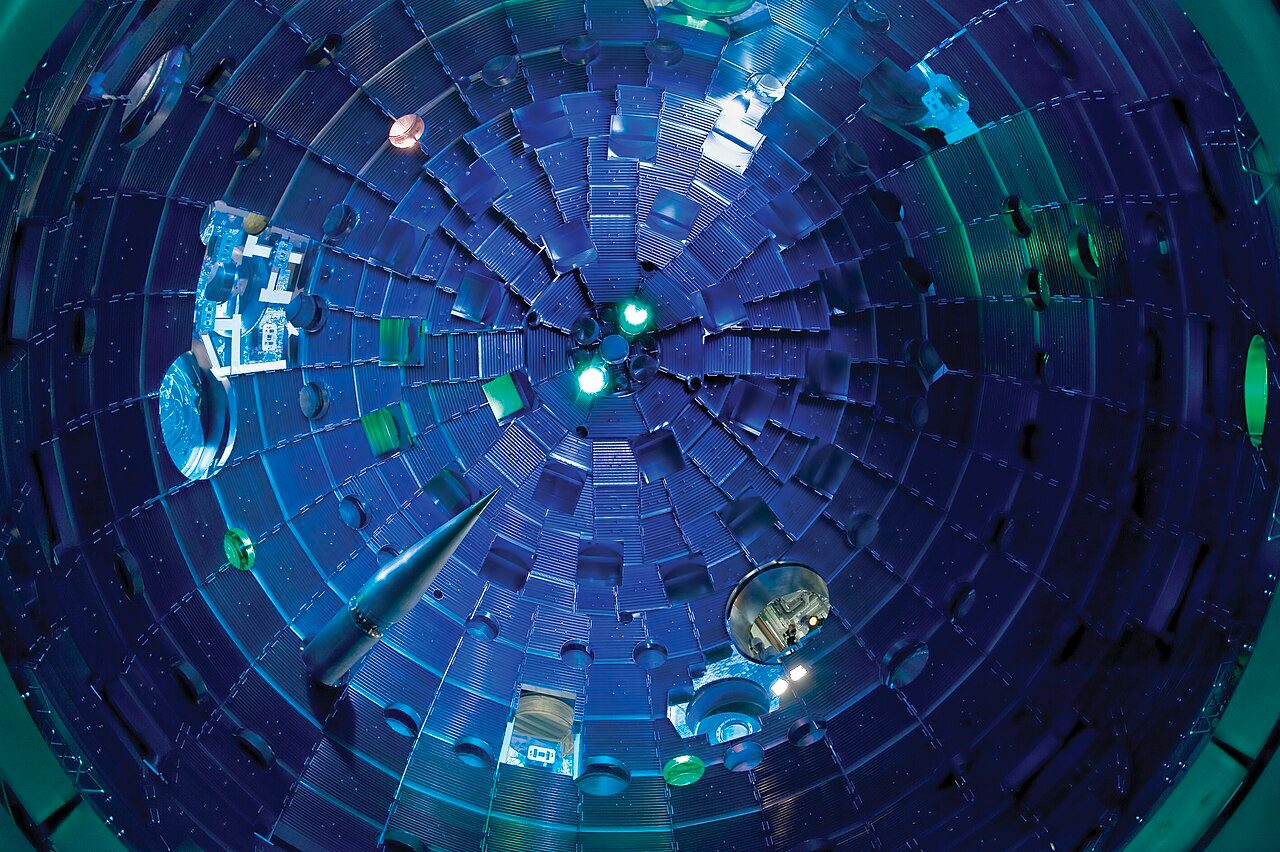
Newsom signs SB 925 fusion strategic plan and AB 2647 nuclear assessment
Governor Gavin Newsom announced on September 30, 2026 that he has signed SB 925 (McNerney) and AB 2647 (Calderon). SB 925 requires the California Energy Commission to submit a fusion energy strategic plan by December 31, 2029, and adds fusion manufacturing projects with a certified capital investment of at least $250 million over five years to CEQA-streamlined certification. AB 2647 requires the commission to prepare a nuclear assessment by January 1, 2028 and, in preparing it, to consider recommended revisions to state law and regulations, including to Sections 25524.1 and 25524.2.
-
XGS names Baker Hughes, NM Tech and Sandia for DOE-selected New Mexico well
XGS Energy said on September 28, 2026 that the Department of Energy selected it for federal funding to support drilling a deep vertical appraisal well in New Mexico with Baker Hughes, New Mexico Tech and Sandia National Laboratories, within the more than $99 million DOE announced for geothermal development. DOE's list for its September 21, 2026 announcement puts the well in Socorro County among 16 exploration drilling selections; neither document gives a per-project amount, and the release says selection for award negotiations is not a commitment by DOE to issue an award or provide funding.
-
LG Energy Solution to give B2U battery priority as both explore US storage
LG Energy Solution said in a September 22, 2026 release that its agreement with B2U Storage Solutions will give B2U priority access to battery capacity and let the partners explore opportunities in the US battery energy storage market, with B2U's patented technologies repurposing LG Energy Solution batteries for grid-scale storage aimed at buyers including utilities, energy storage developers and data centers. Beyond an aim of "gigawatt-hours", the partnership terms give no volume, price, site or date; B2U said on September 9, 2026 it operates roughly 100 MWh using repurposed EV batteries.
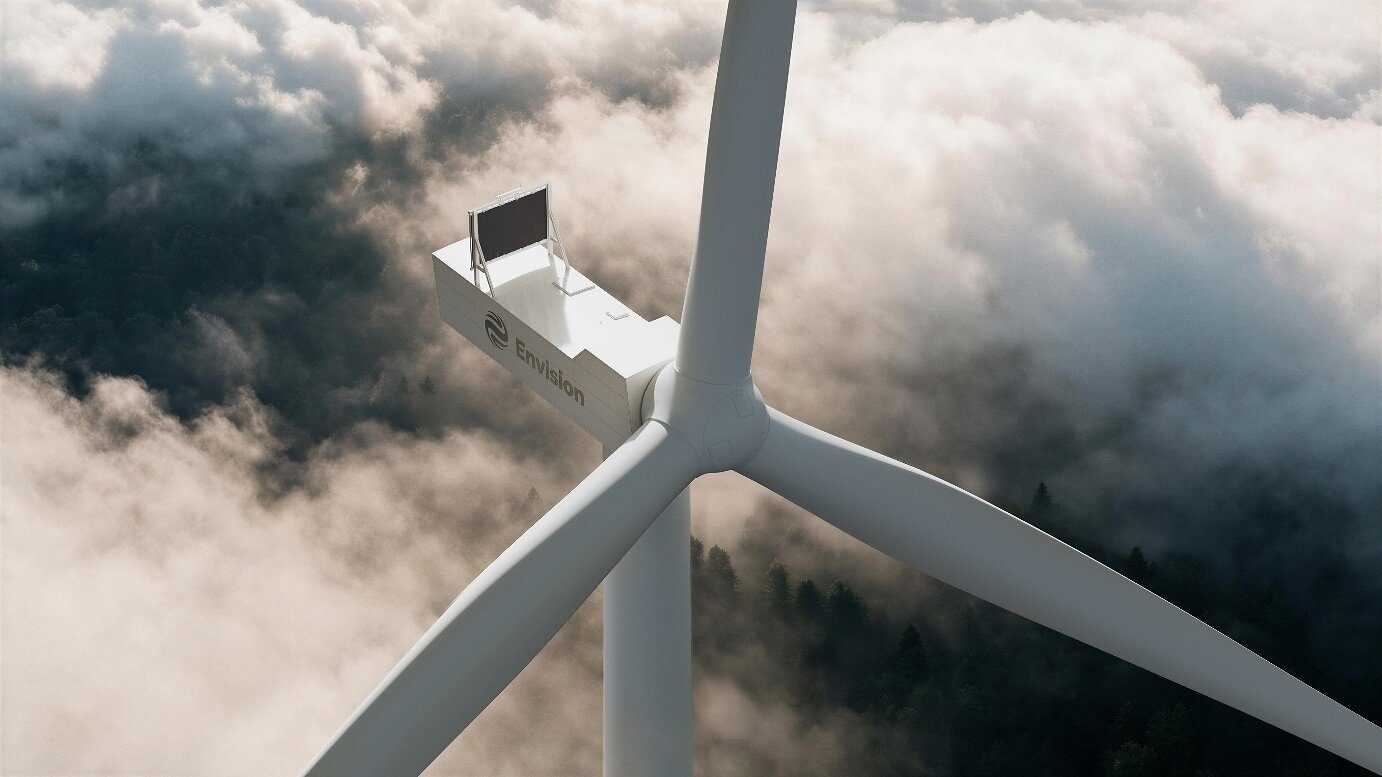
Envision launches 8 MW onshore turbine with a 175-meter rotor in Hamburg
Envision Energy said on September 25, 2026 that it launched the Model T EN175/8.0, which it calls an 8 MW-class onshore wind turbine, with 8.0 MW rated capacity and a 175-meter rotor, at WindEnergy Hamburg. The release says the turbine is designed for medium-wind-speed sites, can deliver a 2–12% increase in energy yield over existing models depending on site conditions, targets a sound power level of 107 dB(A), and sits on a Model T platform with more than 4,000 units ordered and around 1,500 installed to date; it names no customer, hub height, price, delivery date or certification status.
-
Lofgren fusion bill would appropriate $10 billion for commercialization
Rep. Zoe Lofgren (D-CA) and Rep. Jay Obernolte (R-CA) led the introduction of the American Leadership in Fusion Act, H.R. 10574, on September 24, 2026; GovInfo lists Lofgren as sponsor, four original cosponsors, referral to the House Science Committee and no posted text. A committee-posted draft dated September 16, 2026 would make six appropriations in five clauses summing to $10 billion by our arithmetic, put a DOE Office of Fusion under an Assistant Secretary for Fusion Energy, and list among its duties a goal to start building more than one fusion pilot power plant by December 31, 2028.
-
DOE selects five EGS field tests and 16 geothermal drilling projects
The US Department of Energy said on September 21, 2026 that it selected 21 geothermal projects for award negotiations: five field-scale enhanced geothermal system tests (Fervo, Zanskar, AlterG, the University of Utah and Quaise) and 16 exploration drilling projects. The press release says more than $99 million; the Geothermal Technologies Office's article says up to $99 million for the first budget period. None of the three DOE pages lists per-project amounts.
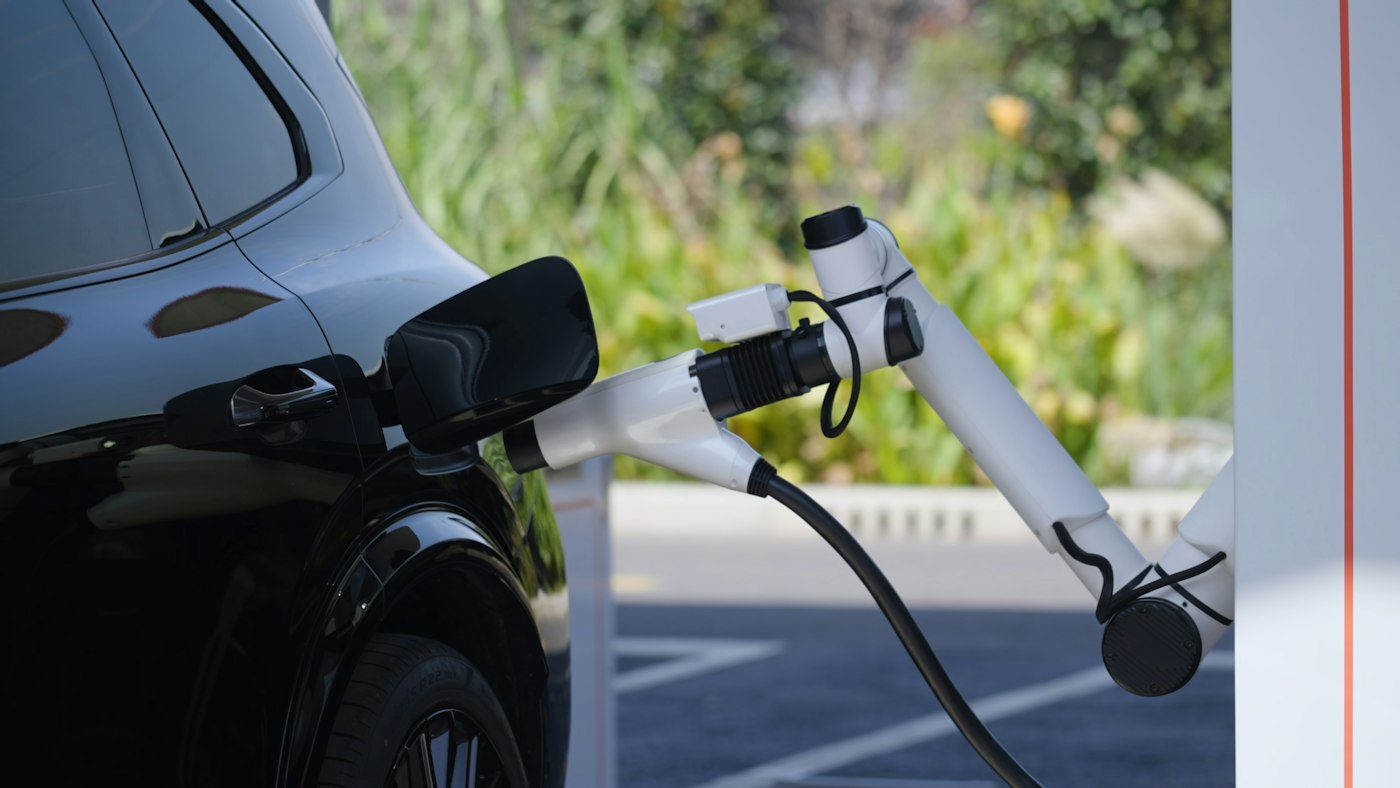
Geely says new station peaks at 2,250 kW, test cars took 4.5 minutes to 70%
Geely Auto Group said on September 23, 2026 it introduced Geely Smart Charging, an AI-managed charging system, alongside a fifth-generation Geely Smart Charging Station it says delivers peak charging power of up to 2,250 kW. In tests it calls real-world, the battery used in the Lynk & Co 10 and Zeekr 001 charged from 10% to 70% in 4 minutes 30 seconds and from 10% to 97% in 8 minutes 40 seconds. The release names no pack capacity, test temperature or price; CnEVPost puts BYD's flash charger at a maximum of 1,500 kW per connector and its network at 11,586 stations in China as of September 24.
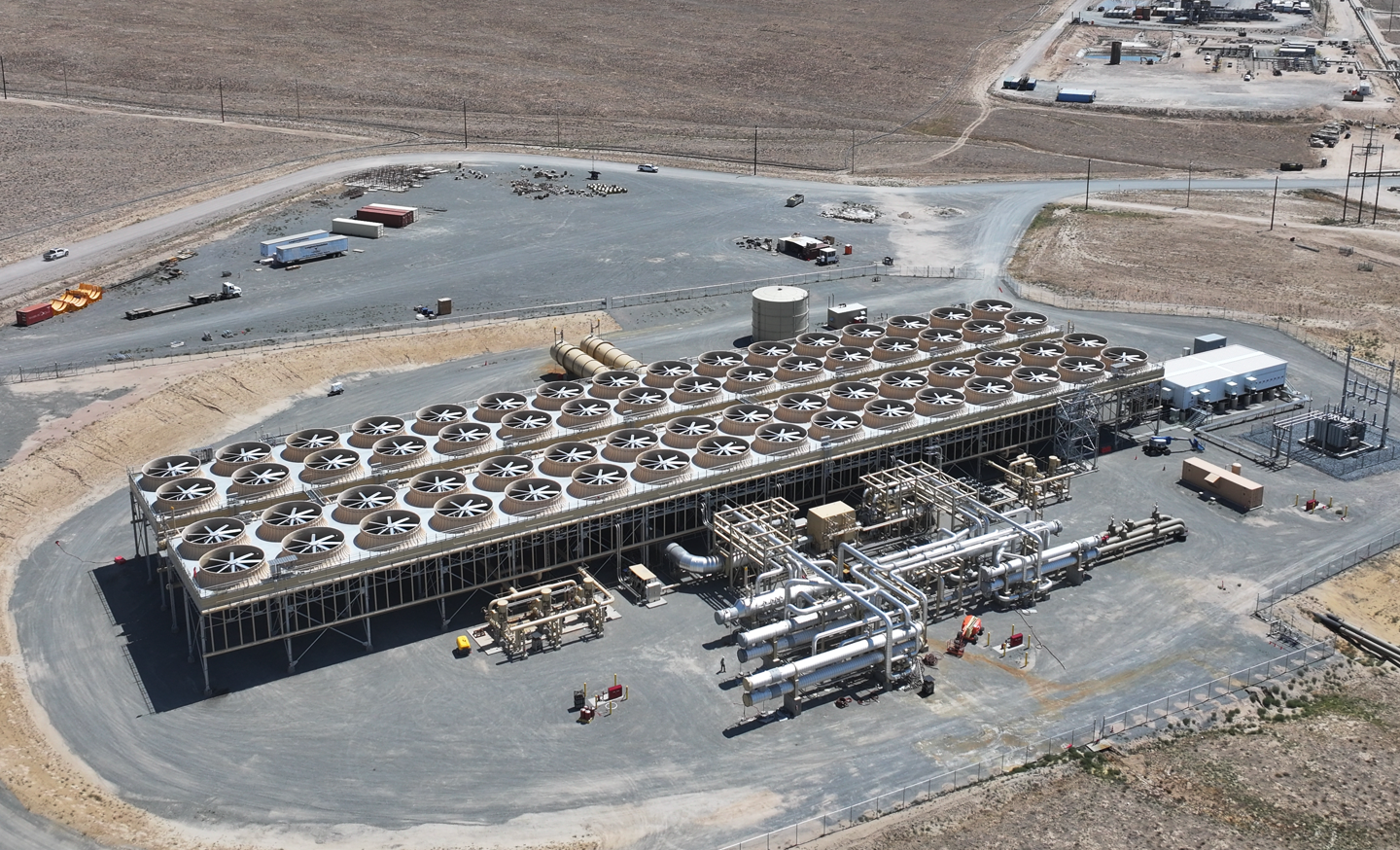
Fervo reports first power from Cape Station's first 33 MW GeoBlock in Utah
Fervo Energy said on September 24, 2026 that Cape Station, its enhanced geothermal development in Beaver County, Utah, reached what it calls First Power: the first of Phase I's three 33-megawatt GeoBlocks is synchronized to the grid and exporting electricity, with a contractual commercial operation date it expects to reach by October 1, 2026, the other two by January 1, 2027. Fervo's August 13 10-Q guided first power to the fourth quarter of 2026; its May prospectus defines a GeoBlock as 50 MW and puts its first Cape Station project at approximately $7,000/kW in overnight capital costs.
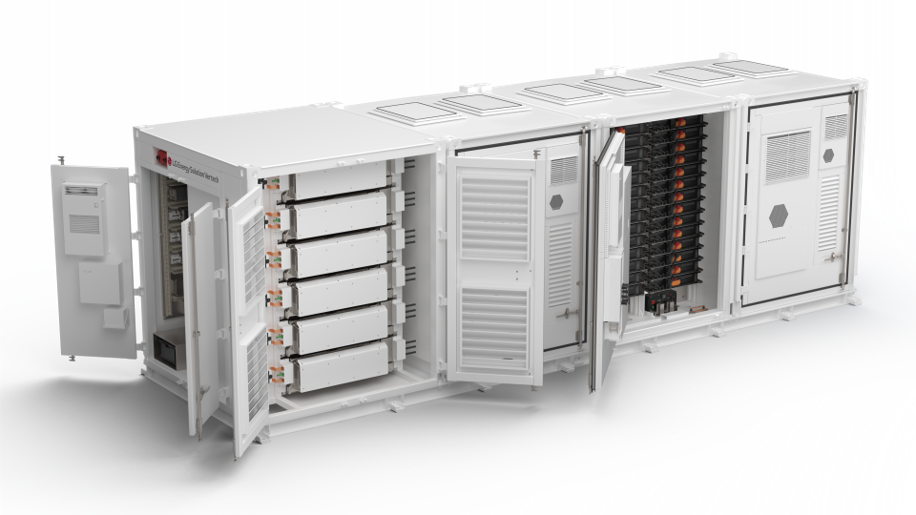
NVIDIA opens DSX Ready battery qualification for AI factories, names three
NVIDIA said on September 21, 2026 that it is introducing DSX Ready, a qualification program for partner products that meet applicable NVIDIA DSX AI factory reference design requirements, starting with batteries and cooling units. At launch it lists qualified BESS solutions from Hitachi Energy, LG Energy Solution and Tesla. Its BESS self-qualification guideline sets the boundary at the AC terminals and defines twelve partner-run tests, including ride-through, black start and AI load buffering, that NVIDIA reviews and approves; the guideline says passing does not imply site-level stability.
-
nT-Tao and Orion sign MoU on US deployment of up-to-20 MW fusion system
nT-Tao and Orion Nuclear Energy Corporation said on September 21, 2026 that they signed a memorandum of understanding under which Orion will act as US project development and commercialization partner for nT-Tao's Compact Fusion System, an on-site unit the company says is designed to deliver up to 20 MW and remains under active development; the companies plan to work toward identifying a limited number of initial US opportunities for further evaluation. The release names no investment, site or timetable; nT-Tao dates the C3 prototype's first plasma to January 2026.
-
CNNC proposes fusion engineering platform, unit signs ITER memorandum
China National Nuclear Corporation said on September 16, 2026 that at its September 15 side event at the 70th IAEA General Conference it proposed a new international cooperation platform for fusion engineering, released an HL-3 tokamak progress report and joint experimental plan, and that China Fusion Energy Co and ITER signed a memorandum of cooperation. World Nuclear News reports the event was told HL-3, open to international cooperation since 2024, reached an ion temperature of 120 million degrees Celsius in 2025 and plans deuterium-tritium burning-plasma experiments in 2027.
-
UK Fusion Energy joins MTC as Tier 1 member, to spend up to £10m on R&D
UK Fusion Energy Ltd, the UKAEA Group subsidiary delivering the STEP prototype fusion plant at West Burton, said on September 15, 2026 that it has become a Tier 1 member of the Manufacturing Technology Centre and set up an R&D contract route through which it expects to spend up to £10 million (about $13.3 million). A release datelined September 14 announced a partnership with INFINITY, which is developing a 200-acre advanced manufacturing site at Infinity Park in Derby. UKFE says procurement packages for six strategic partner opportunities are in their final stages of development.
-
Natura receives Oak Ridge's 1960s FLiBE salt for its Abilene reactor
Natura Resources said on September 18, 2026 that it received FLiBE salt from DOE's Oak Ridge National Laboratory, via Idaho National Laboratory, for the MSR-1 reactor being built at Abilene Christian University; the release says the salt contains 99.99% enriched lithium-7 and that Natura was selected through a competitive DOE solicitation issued in August 2025. ANS reports more than 2 metric tons, the secondary coolant of the 1965 to 1969 Molten Salt Reactor Experiment, now to be the primary constituent of the reactor's fuel salt. The NRC issued the construction permit on September 16, 2024.
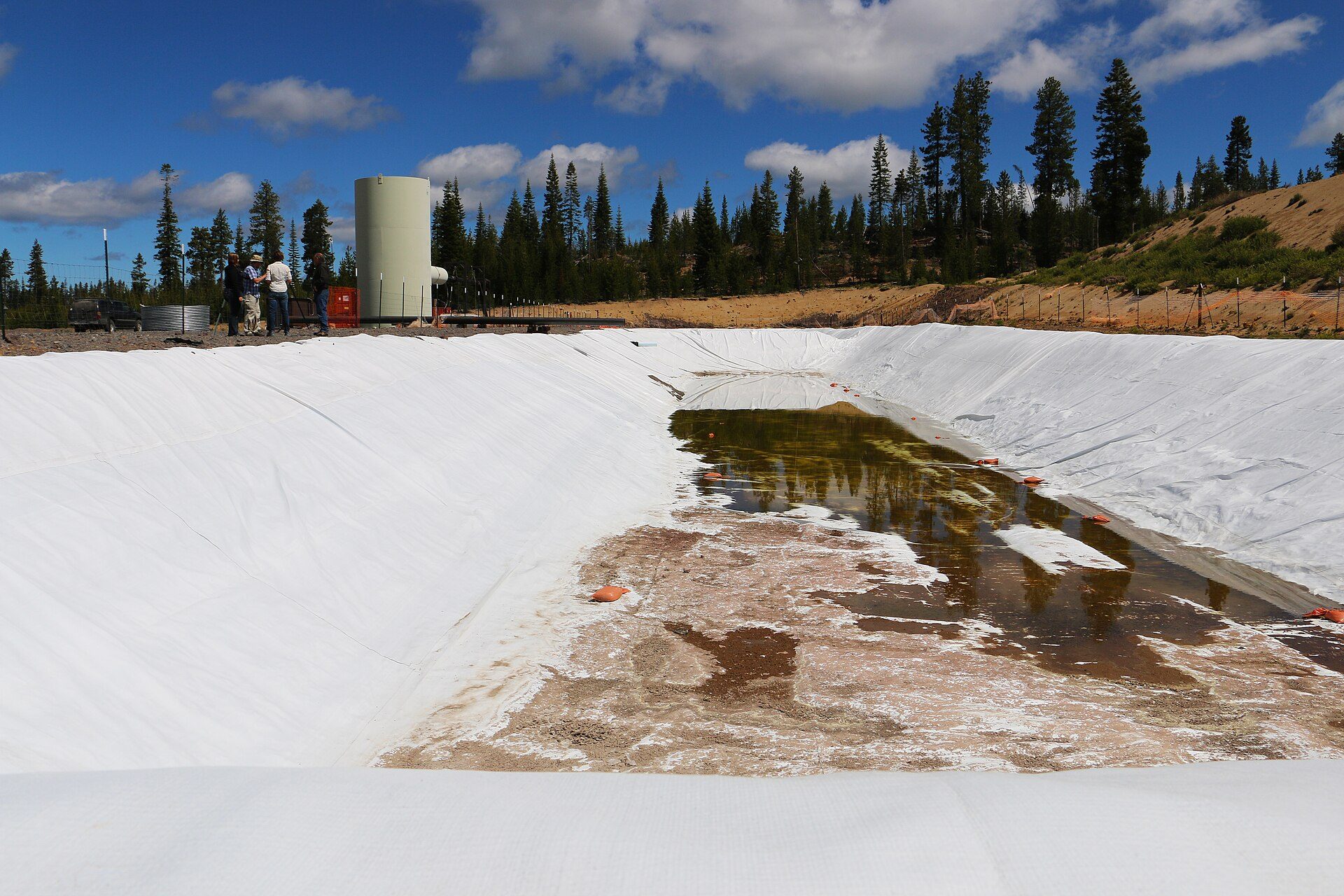
Mazama Energy raises $135M for superhot geothermal wells at Newberry
Mazama Energy announced $135 million in new capital on September 17, 2026, including an oversubscribed Series B led by Centaurus Capital and Doerr Capital, for its Newberry, Oregon engineered geothermal system, which it calls the hottest ever built at 629°F. The money funds Project Ceres, DOE-supported horizontal wells; the BLM issued a categorical-exclusion decision record on a Project Ceres geothermal operations plan on July 24, 2026, and the company now says Ceres will demonstrate power generation in 2027, where its October 2025 release had placed a 15 MW pilot in 2026.
-
Westinghouse eVinci reaches zero-power criticality at 663°C
Westinghouse said on September 15, 2026 that its eVinci microreactor test reached zero-power criticality at 663°C on September 3 at the National Criticality Experiments Research Center in Nevada, and that researchers made a subcritical reactivity measurement at a peak core temperature of 1,011°C, which the company calls a record high temperature for a reactivity measurement at NCERC. The run follows the August 24 zero-power criticality at the same facility.
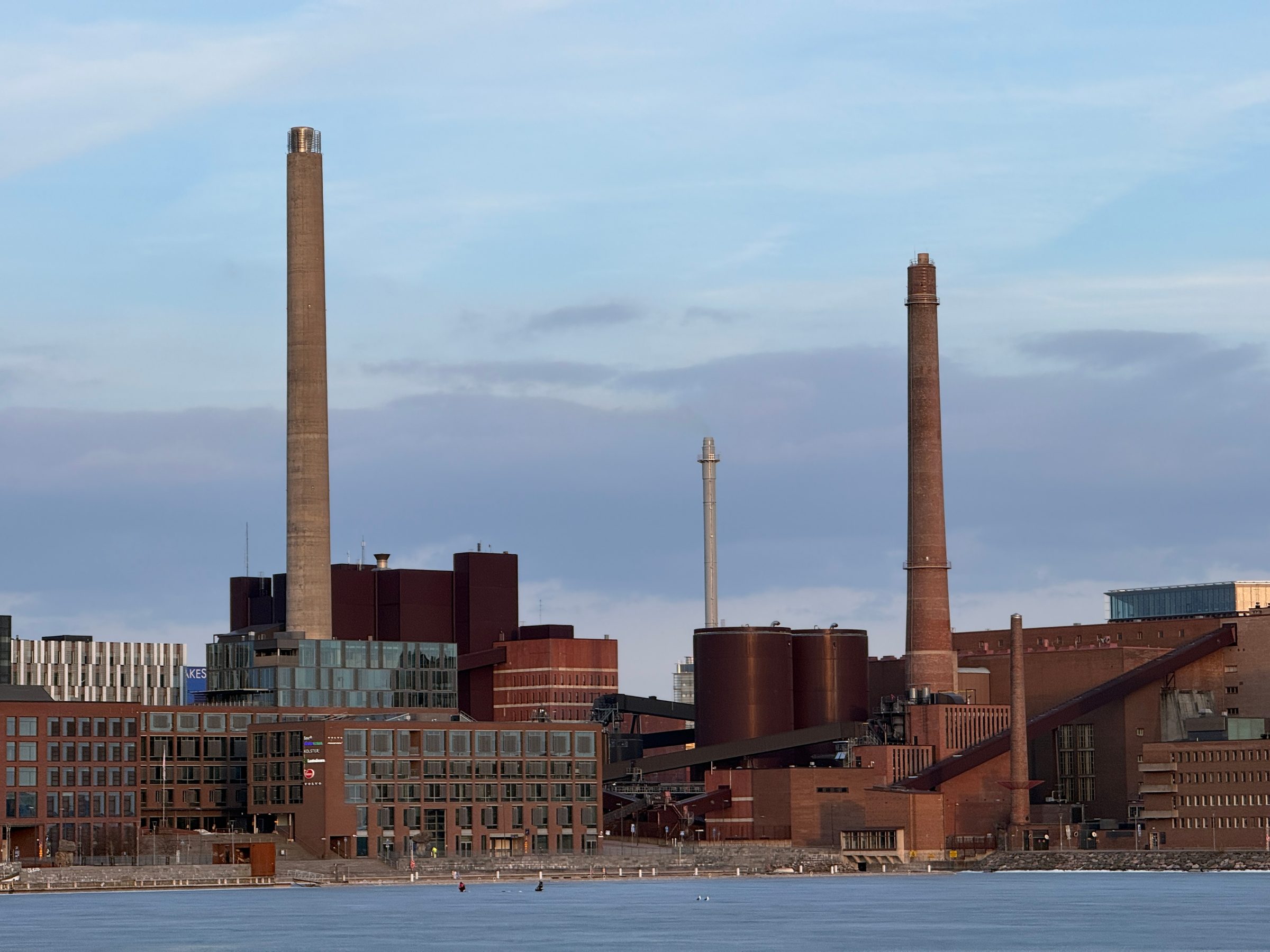
EIB backs Steady Energy's heat-only SMR with up to €40M convertible loan
The European Investment Bank said on September 15, 2026 it is investing up to €40 million in Steady Energy, the Finnish developer of the 50 MW (thermal) heat-only LDR-50 reactor for district heating, as a senior unsecured convertible loan it calls its first investment in SMR technology. A 3North Partners release that day says the loan carries zero percent interest and a 20-year maturity and joins about €69.8 million in irrevocable but conditional investor commitments, an IPO of up to €5 million, and a planned Nasdaq First North listing under a September 11, 2026 share exchange agreement.
-
DICP's 250-kW system co-produces hydrogen and fresh water from seawater
A Dalian Institute of Chemical Physics team reports in Nature Energy, published September 15, 2026, a 250-kW system that couples alkaline water electrolysis with low-temperature seawater distillation driven by the electrolyser's waste heat: 48 Nm³/h of hydrogen and 31.6 kg/h of fresh water, with a 14.4% improvement in system electrical efficiency relative to alkaline electrolysis of fresh water alone, per the abstract. The institute's September 16 release says the 250-kW unit was completed in August 2024 and has run stably for more than 40 days.
-
UK Fusion Week: a UK-US statement, a supercomputer link and up to £3m
The Global Fusion Policy Summit in London on September 14, 2026 is first on the Fusion Industry Association's listing for UK Fusion Week, which runs to September 17. The UK and US issued a joint statement saying fusion safety standards should be distinct from fission safety standards; UKAEA and PPPL signed a declaration of intent to explore linking the SUNRISE and STELLAR-AI supercomputers; Tennessee, TVA and the UK expanded a fusion partnership; Kyoto Fusioneering committed up to £3 million to a breeder blanket experiment for STEP; and DESNZ published a fusion regulation landscape paper.
-
Deep Fission lowers full-size canister replica 100 feet into a borehole
Deep Fission said on September 10, 2026 that a commercial drilling crew lowered a full-size, non-nuclear prototype of its Gravity reactor canister, 20 feet long, to a depth of 100 feet in a 34-inch borehole and retrieved it on September 3, 2026, using equipment already in commercial drilling service. The company's design places a pressurized water reactor about one mile underground; it said on August 6, 2026 that DOE had approved its Nuclear Safety Design Agreement under the Reactor Pilot Program.
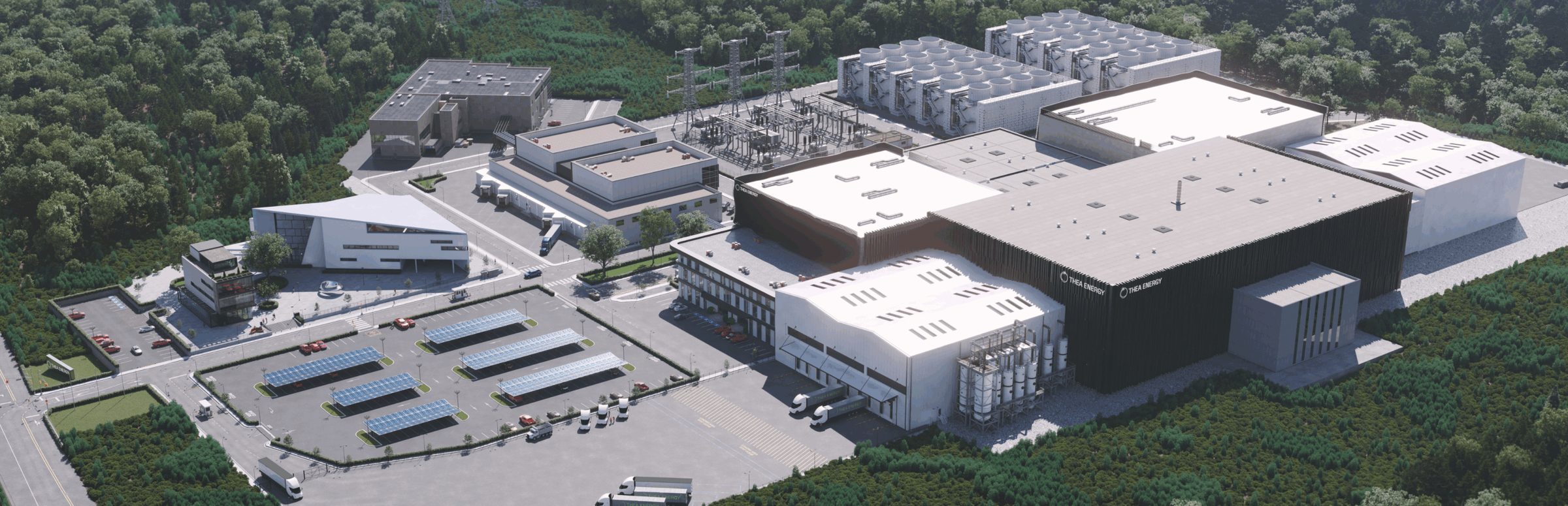
Thea Energy's Helios stellarator design lands in 16 peer-reviewed papers
Thea Energy said on September 9, 2026 that 16 peer-reviewed papers on its Helios stellarator power plant appear in a special issue of Fusion Engineering and Design. The preconceptual design, posted as an arXiv preprint in December 2025 and, per Thea, certified by DOE in January 2026 after an independent expert review, is a two-field-period quasi-axisymmetric stellarator with an 8 m major radius that the preprint says produces 1.1 GW of thermal power and 390 MW of net electric power. Thea says its Eos integrated stellarator is scheduled to be online by 2030; no site has been announced.