 The Duck Curve
UK Warm Homes loans open with up to £15,000 for solar and batteries
Ten lenders offer the government-backed loans at rates cut by up to 5 percentage points; heat pump caps of £20,000 (air-to-water) and £35,000 (ground source) apply before any Boiler Upgrade Scheme grant is deducted.
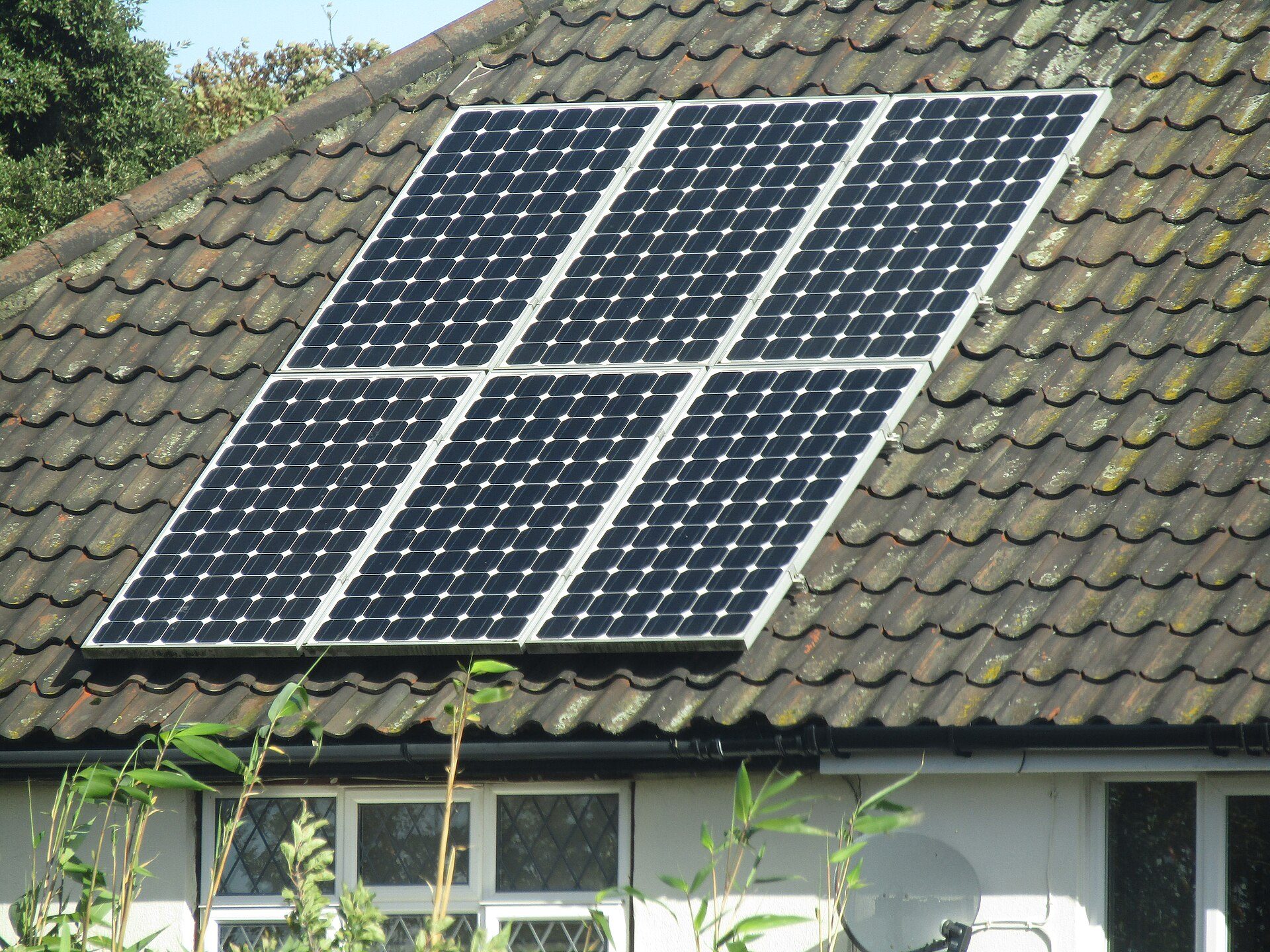
Homeowners anywhere in the UK can now borrow up to £15,000 for rooftop solar, £15,000 for a home battery and £20,000 for an air-to-water heat pump at a government-subsidised rate, under the Warm Homes Loan Scheme, which the Department for Energy Security and Net Zero (DESNZ) launched with a factsheet on October 27, 2026. Ten lenders are offering the loans at first, some of them interest free, with up to 30 years to repay in some cases, per the department's factsheet. The government says it worked with lenders to deliver an interest rate up to 5 percentage points below a regular bank or high-street loan.
Ground source heat pumps get the largest cap, £35,000. Biomass boilers, allowed only for rural homes that also receive a heating grant, and micro-renewables (domestic wind turbines and micro hydro) are capped at £20,000 and heat network connections at £7,500. The ten launch lenders are HomeServe (partnering with E.ON), Hometree Finance, Propensio, Secure Trust Bank, Selina Finance, South Manchester Credit Union, Sunsave, Tandem Bank, The Money Co-op and This Bank. Lloyds Banking Group contributed a quote to the launch, saying it looks forward to working with government on the scheme; it is not on the list.
How the discount is paid for
The subsidy goes to the lender, not the borrower. Under the scheme rules, updated in September 2026, DESNZ pays a participating lender a non-repayable capital grant of up to 20% of the loan amount, in arrears once the installation is verified, and the lender must pass it on by cutting the nominal interest rate. The grant is sized to deliver a reduction of up to 5 percentage points from the lender's market rate, and only on loans of three years or more.
The 20% cap is where long loans come out behind. The rules say the achievable reduction "may be lower" where the cap is reached, which is "more likely to occur for longer-term loans". In the rules' own table, a loan starting at 8% hits the 20% cap at a ten-year term. The 30-year loans the factsheet mentions are well past that point.
The factsheet's worked example sits comfortably inside the cap: £10,000 borrowed at 8% over seven years costs around £155 a month, and the scheme could save "up to £285 a year on repayments". By our arithmetic, that is almost exactly what moving the same loan from 8% to 3% saves (£284.76), so the example assumes the full five-point cut.
Who can borrow, and for what
The loans are for owner-occupiers. GOV.UK's applicant page says the borrower must own the property, with or without a mortgage, and that it must be residential and in the UK. Applications go to the lender, an installer or retailer, or the borrower's mortgage provider, never to the government, and borrowers must pass the lender's credit and affordability checks. Installations other than heat network connections must be done by an MCS-certified installer. Phase one covers personal unsecured loans, point-of-sale finance and loans secured on the home; leasing and subscription products are excluded for now, per the rules.
Heat pump buyers can stack the loan on a grant. The factsheet points to the Boiler Upgrade Scheme's grant of up to £9,000 (Home Energy Scotland in Scotland), and the rules set the heat pump caps "prior to BUS grant being deducted". Heat pumps also arrive with the weaker demand story. The factsheet cites almost 150,000 solar panel installations in the first six months of 2026 and record heat pump sales in 2025; DESNZ's own statistics count a 22% fall in certified UK retrofit heat pump installations in the first half of 2026, as we reported in England's bigger heat pump grant lifted installs 24%, study finds.
One technology is on the price list but not yet for sale. The factsheet caps air-to-air heat pumps at £10,000 "when MCS certification available". The rules say they are not currently eligible because they cannot meet the MCS requirement, and tie their entry to the Boiler Upgrade Scheme adding them, contingent on new MCS product, design and installation standards. The January plan had promised £2,500 Boiler Upgrade Scheme grants for air-to-air units, so the loan waits on the same standard as the grant.
The money behind it
The £300 million is what buys the rate cuts. The Warm Homes Plan, published in January 2026, allocated up to £1.7 billion of Warm Homes Fund financial transactions to the consumer loans, combined with up to £300 million of other government funding to lower their cost. If every loan drew the full 20% grant, £300 million would back £1.5 billion of lending, by our arithmetic; smaller grants on shorter loans stretch it further. The plan estimated that a household adding a heat pump, solar panels and a battery could save £450 to £550 a year compared with a gas boiler, depending on the home; the factsheet uses the £550 ceiling and adds a further £300 a year with a time-of-use tariff.
Thailand approved a home solar program the same day, and it puts the public money in a different place. Its cabinet approved a flat 50,000-baht grant per home toward a solar system for up to 1 million households, funded from a government borrowing decree, and participants can finance the rest through three state banks (Thailand approves 50,000-baht home solar grants for up to 1 million homes). The Warm Homes Loan Scheme pays the homeowner no cash: its grant goes to the lender, up to 20% of the loan, to cut the rate, while the separate Boiler Upgrade Scheme grant still applies to heat pumps.
The launch is also a little late. The rules planned an initial consumer launch phase "from September 2026"; the factsheet arrived on October 27. DESNZ intends a second lender application window in late 2026, for onboarding in early 2027, and the factsheet says more lenders and products are expected to join.
Sources
Primary
- Warm Homes Loan Scheme: Factsheet · Department for Energy Security and Net Zero (GOV.UK)
Supporting
- Warm Homes Plan · Department for Energy Security and Net Zero
- Warm Homes Loan Scheme: Scheme Rules (updated September 2026) · Department for Energy Security and Net Zero
- Warm Homes Loan Scheme · GOV.UK (DESNZ)
Copies of cited sources are retained where available. If a link no longer resolves, request a copy at contact@theduckcurve.com.