 The Duck Curve
UK pushes electric heating appliance rules to October 2028 at the earliest
DESNZ's interim response of September 17, 2026 replaces the proposed December 31, 2027 date with October 31, 2028 or two years after the regulations are made, whichever is later, subject to parliamentary approval.
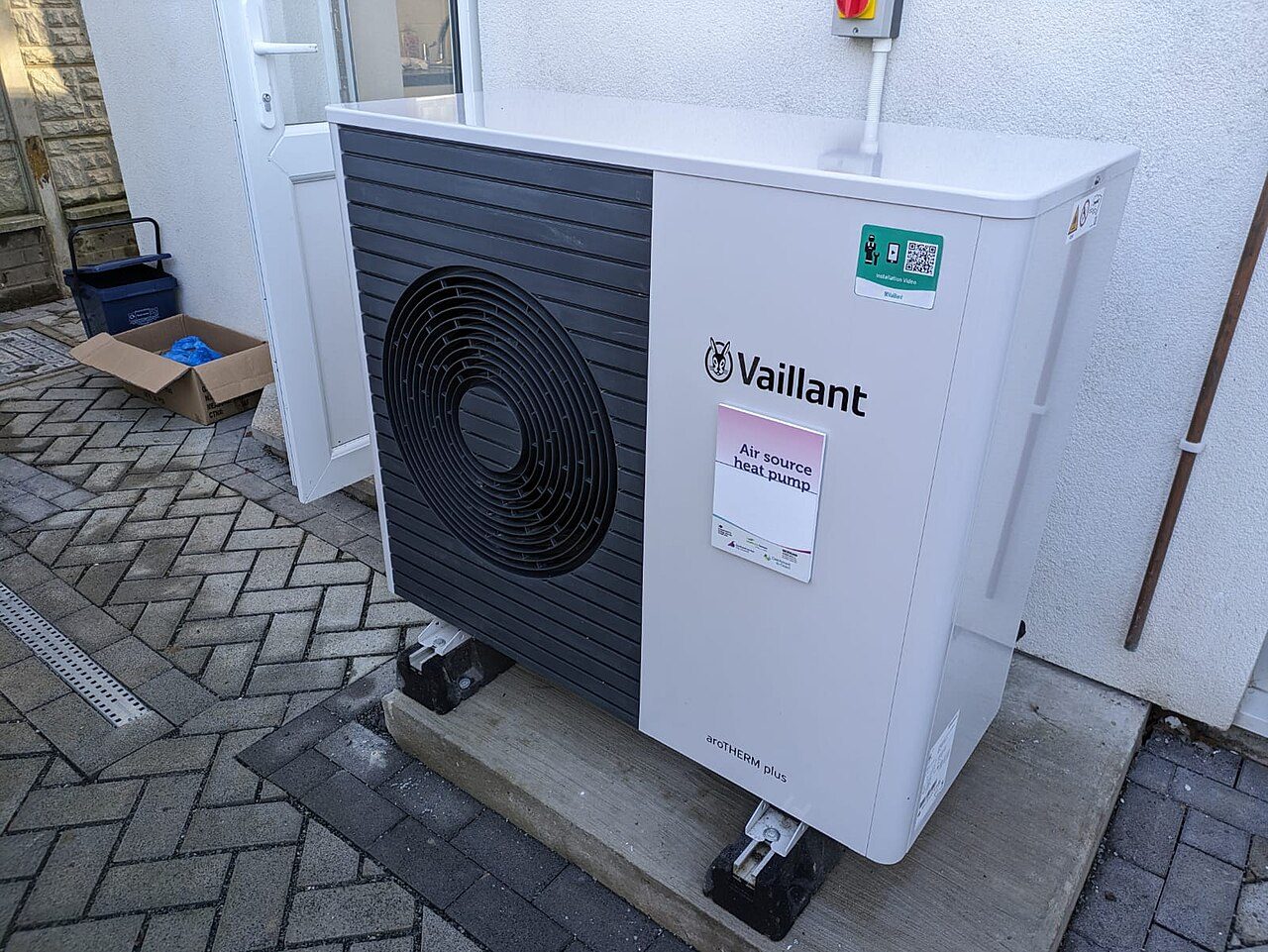
The UK Department for Energy Security and Net Zero (DESNZ) said on September 17, 2026 that electrical heating appliances covered by its draft Energy Smart Appliances Regulations will have to comply from October 31, 2028 or two years after the regulations are made, whichever is later, subject to final parliamentary approval. The interim response replaces the December 31, 2027 date that the department's December 2025 consultation document had proposed for those appliances, and it arrives ahead of the full government response, which the department's consultation page says "will be published in due course".
The interim response attributes the revision to stakeholder feedback, an assessment of the evidence and further engagement with industry partners since the consultation was published. It also says the government intends to permit alternative routes to compliance for the proposed metering and cyber security requirements: compliance with the EU Measuring Instruments Directive will be deemed equivalent to the Measuring Instruments Regulations 2016 requirements in the draft, and conformity with the cyber security standard EN 18031-3:2024 will be accepted alongside ETSI EN 303 645. The consultation document had already said the department would consider in due course other standards equivalent to ETSI EN 303 645, naming EN 18031. The changes, the response says, are intended to ease the compliance burden on manufacturers and importers by increasing certification and approval body options. The decision is being shared before the full response, it adds, to give manufacturers greater certainty for design and investment choices.
The consultation document had proposed that every relevant appliance carry a Class B active electrical energy meter compliant with the Measuring Instruments Regulations 2016, accurate to within 2% at typical ambient temperatures, and that manufacturers comply with the latest version of ETSI EN 303 645, the European baseline standard for consumer Internet of Things cyber security, with a 20-month implementation period after any revised version of that standard is released.
What the draft regulations cover
Per the consultation document, the first-phase regulations, which would apply in Great Britain, establish a smart mandate for electric heating products in scope, requiring that they are placed on the market with smart functionality, with consumers always retaining the option to use their devices in non-smart mode. They also fold the Electric Vehicles (Smart Charge Points) Regulations 2021 into a single set of rules for all energy smart appliances, with some planned amendments, and set minimum requirements for smart functionality, cyber security and grid stability for the heating appliances in scope, electric vehicle smart charge points and domestic-scale battery energy storage systems. Where there is a risk of herding, many devices responding at once, the draft requires devices to be configured to deliver in aggregate a randomised delay of up to 10 minutes. The Office for Product Safety and Standards would enforce the regulations.
The heating appliances in scope of the smart mandate, the consultation document says, are those with up to 45 kW of rated thermal capacity, including heat pumps, hybrid heat pumps, heat batteries, storage heaters, standalone direct electric hot water cylinders and hot water heat pumps. Air-to-air heat pumps stay out of scope under a definition borrowed from the ecodesign framework, and indirect heat batteries are excluded. Battery energy storage systems get a definition, cyber security, meter accuracy and other device-specific requirements, but no smart mandate. The consultation's Table 1 dated the heating appliance requirements, the battery requirements and the charge point cyber security change and meter accuracy requirement to December 31, 2027, with the charge-point-only changes applying six months after the regulations are made.
The interim response names a new date for the heating appliances only. It gives a single implementation date for them and does not separate the cyber security requirement from the smart mandate, and it says nothing about charge points or battery systems. That single date sits oddly against the consultation document, which had said that rising cyber security risks, "expected to increase significantly between now and 2028", ruled out an implementation date later in 2028. The consultation ran from December 1, 2025 to February 5, 2026, and the department had intended to lay the regulations before Parliament in the first or second quarter of 2026. As of September 19, 2026, legislation.gov.uk carries no Energy Smart Appliances Regulations, either among the 2026 draft statutory instruments or as made legislation, so that laying target has passed without the instrument being laid. The interim response conditions the new date on "final parliamentary approval of the regulations", keys it to when they are made, and gives no laying date.
The market the mandate lands on
The consultation document's case for the mandate is consumer-led flexibility: households with heat pumps, it says, could save more than £250 a year by moving to a smart tariff and running the heat pump flexibly, and EV drivers charging at home can typically save around £330 through smart charging, against a 4pm to 7pm evening peak it uses as its example of the hours to avoid. The same asset class is being enrolled on the other side of the Atlantic, as in PG&E's SHARE virtual power plant, which pairs enrollment of existing home devices with battery-enabled heat pumps.
The consultation-stage impact assessment monetises only the costs. It puts the net present value of the first-phase regulations at minus £277 million to minus £732 million over a ten-year appraisal period, an equivalent annual net direct cost to business of £32.5 million, and says the benefits, including lower system costs and lower bills when combined with a smart tariff, had not yet been monetised. It describes the cost of adding smart functionality as small compared to the cost of the whole device and says it is likely that any costs to business will be passed on to consumers. The assessment counts 30 hydronic heat pump firms in its central estimate of businesses in scope, citing BSRIA, and notes that a process evaluation of the 2021 charge point regulations found most manufacturers reported a cost increase of up to 5%.
The appliances the mandate targets are, for now, a shrinking market. DESNZ's heat pump deployment statistics published on September 10, 2026 count 20,895 retrofit heat pump installations in the UK in the first half of 2026, a 22% fall on the 26,768 installed in the same period of 2025, after a 2025 total that was 9% above the 48,857 of 2024. Air-to-water units were 99% of those installations; the consultation's exclusion covers air-to-air units. The series covers Microgeneration Certification Scheme certified retrofits only and excludes new-build homes, and DESNZ publishes it as official statistics in development. The Warm Homes Plan of January 2026, the same release notes, aims for 450,000 heat pump installations a year by 2030.
The consultation document said the department currently plans to lay a second phase of regulations, covering interoperability between appliances and flexibility service providers, in Parliament in 2027, with a view to the functional requirements taking legal effect from 2029. The interim response does not mention the second phase.
Sources
Primary
- Smart Secure Electricity Systems (SSES) Programme: first phase energy smart appliances regulations - interim response · Department for Energy Security and Net Zero
Supporting
- Smart Secure Electricity Systems (SSES) Programme: first phase energy smart appliances regulations - consultation document · Department for Energy Security and Net Zero
- Smart Secure Electricity Systems (SSES) Programme: first phase energy smart appliances regulations - consultation stage impact assessment · Department for Energy Security and Net Zero
- Heat pump deployment statistics: June 2026 - summary · Department for Energy Security and Net Zero
- Smart Secure Electricity Systems (SSES) Programme: first phase energy smart appliances regulations (consultation page) · Department for Energy Security and Net Zero
Copies of every cited source are retained. If a link no longer resolves, request a copy at contact@theduckcurve.com.