 The Duck Curve
#ev charging
-
Renew Home, now Everyday Electric, buys connected-car platform Smartcar
Renew Home renamed itself Everyday Electric on October 6, 2026, introduced a whole-home Everyday VPP with HVAC, EV, EVSE, storage and solar OEM partners, and said it acquired connected-vehicle platform Smartcar for managed charging in utility programs, without disclosing terms. It claims 6+ GW of capacity and a five-year goal of over $5 billion in household savings that counts avoided system costs for all households its energy provider partners serve.
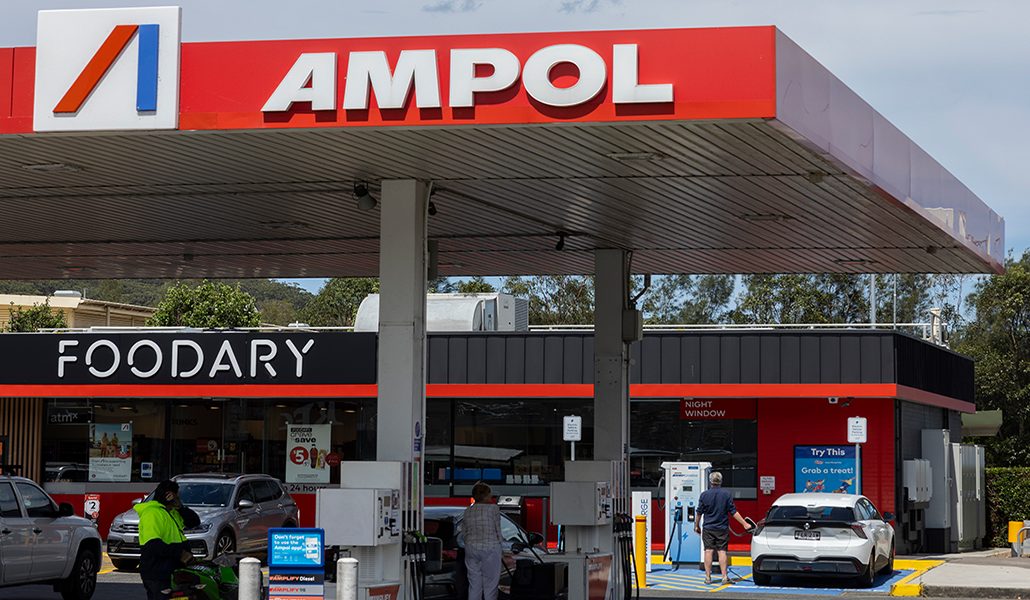
Ampol agrees to buy Evie Networks and its 1,031 charging bays for A$225M
Ampol agreed on October 1, 2026 to buy Fast Cities Australia (Evie Networks) for A$225 million, adding more than 1,030 public charging bays for a combined network of about 1,425 bays at over 400 sites. Ampol anticipates breakeven EBITDA for the combined charging business in 2028 and targets annualised EBITDA of $30 million, including synergies, from Evie and its Energy Solutions unit within three years of completion, which is targeted for the first half of 2027 subject to ACCC clearance.
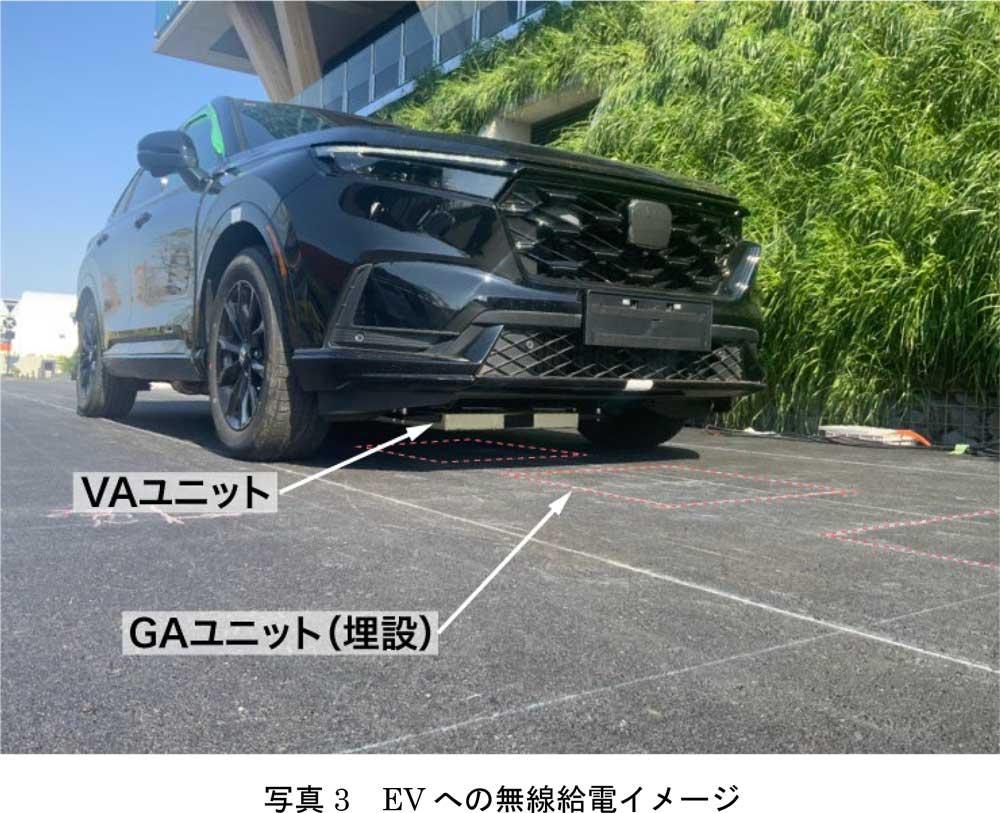
Honda and Taisei test in-road wireless charging built for 20-ton trucks
Honda and Taisei said on October 5, 2026 that Honda R&D, Taisei Corporation and Taisei Rotec have developed the underlying technology for a magnetic coupling wireless charging road for moving EVs, with ground units and pavement built to withstand vehicles of approximately 20 tons gross weight, tested at Taisei's T-FIELD/SATTE test road. Taisei says the system is designed for up to 150 kW; neither company reports a measured power level. The team is one of two scheduled for NEXCO East's roughly 300-meter Tateyama Expressway trial from fiscal 2027.
Boston sues DOT over $20M RAISE grant withdrawn for EV charging stations
The City of Boston sued the US Department of Transportation, the Federal Transit Administration, Secretary Sean Duffy and FTA Acting Deputy Administrator Matthew Cahill in the District of Massachusetts on September 28, 2026 (case 1:26-cv-14419), asking the court to vacate DOT's September 9, 2025 withdrawal of a $20 million FY2022 RAISE award for three Roxbury street corridors. The complaint says DOT's letter gave the project's EV charging stations, less than 1% of the grant, as its single reason, and that Boston offered on October 8, 2025 to remove them.
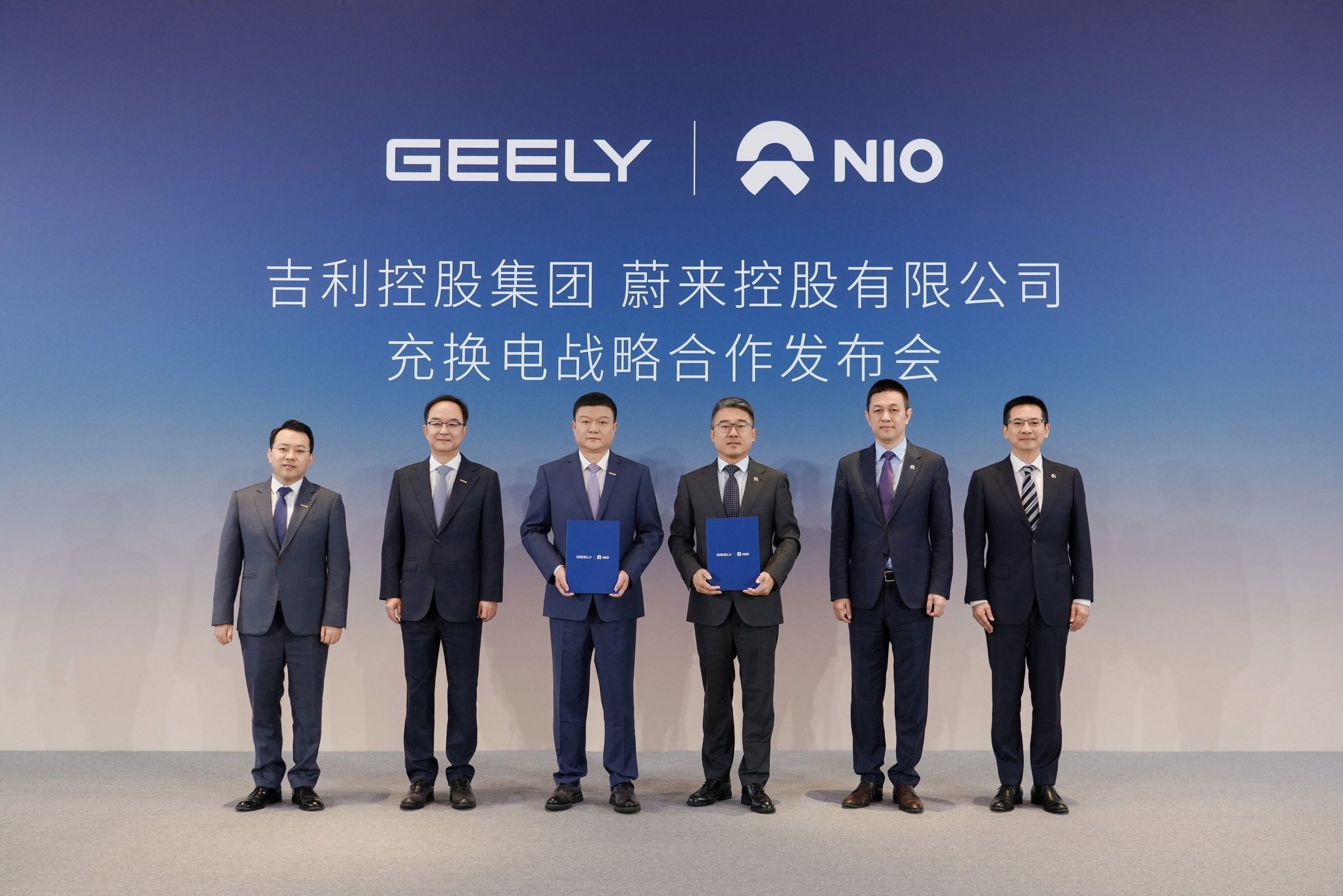
Geely agrees to take 30% of NIO Power for Yiyi Power plus RMB640 million
NIO Inc. said in a Hong Kong Stock Exchange filing on September 28, 2026 that, subject to closing conditions, a Geely Holding Group subsidiary will subscribe for newly issued equity of NIO Power with its 100% stake in Yiyi Power plus RMB640 million in cash, holding 30.0% at completion at a post-money valuation of approximately RMB16 billion; NIO China keeps a controlling 63.6%. Under the same conditions, NIO China will take 10.0% of Geely's charging arm, Haohan Energy. The filing calls plans for battery swapping on Geely consumer-facing models and commercial mobility businesses preliminary.
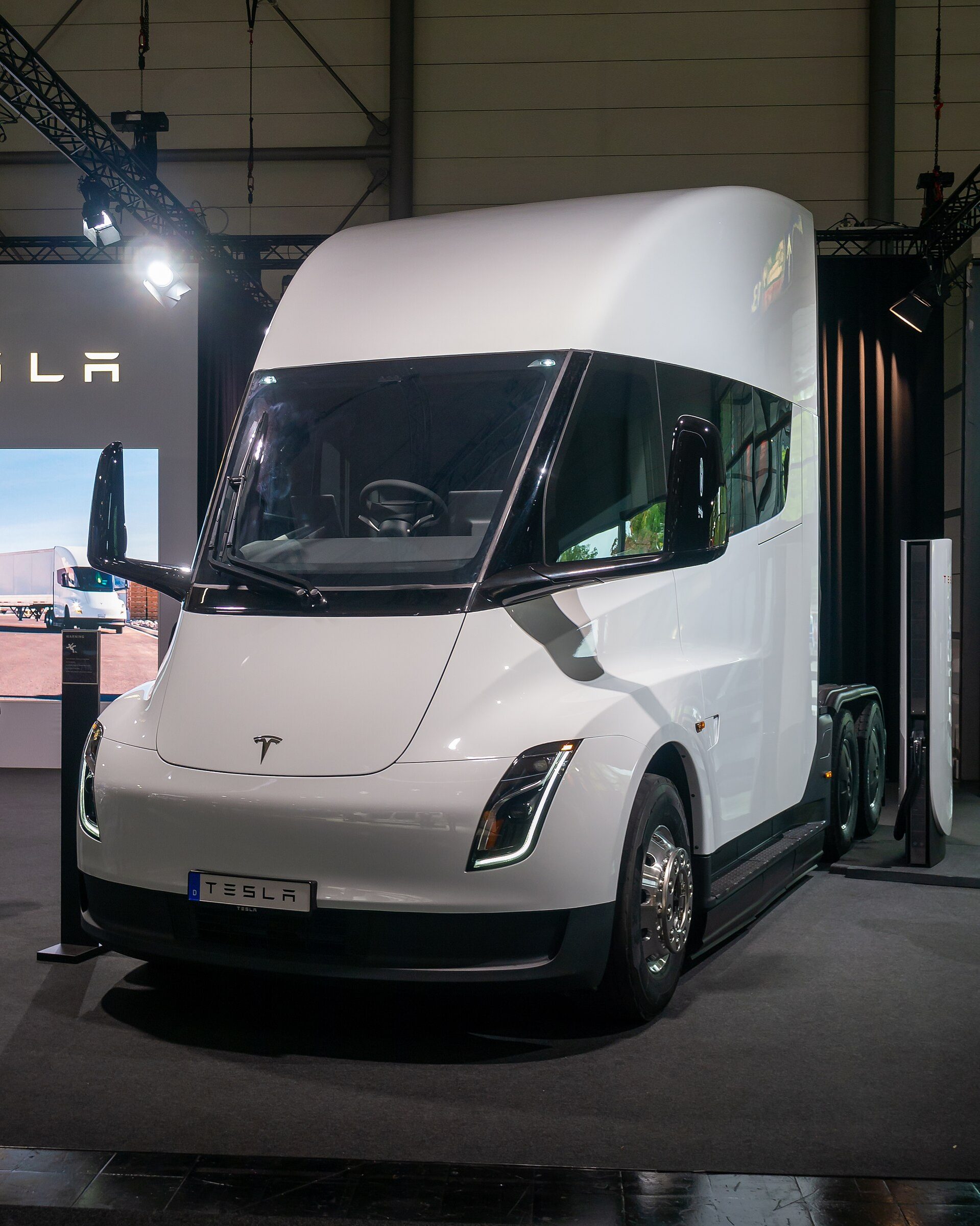
Tesla Semi launch event names customers, gives no production rate or price
Tesla Semi's account on X said on September 24, 2026 that it is launching high volume production, as Tesla streamed a rollout event from its Semi factory in Sparks, Nevada; The Verge dates volume production to April 2026 and PepsiCo pilot units to 2022. Per The Verge, Tesla named customers including PepsiCo, US Foods, DHL and Einride, said first deliveries began in the week of September 21 and claimed 50,000 trucks a year of capacity; per Automotive World, it disclosed no official pricing or production volumes. Its Q2 2026 update lists the Semi line's capacity as blank, status Commissioning.
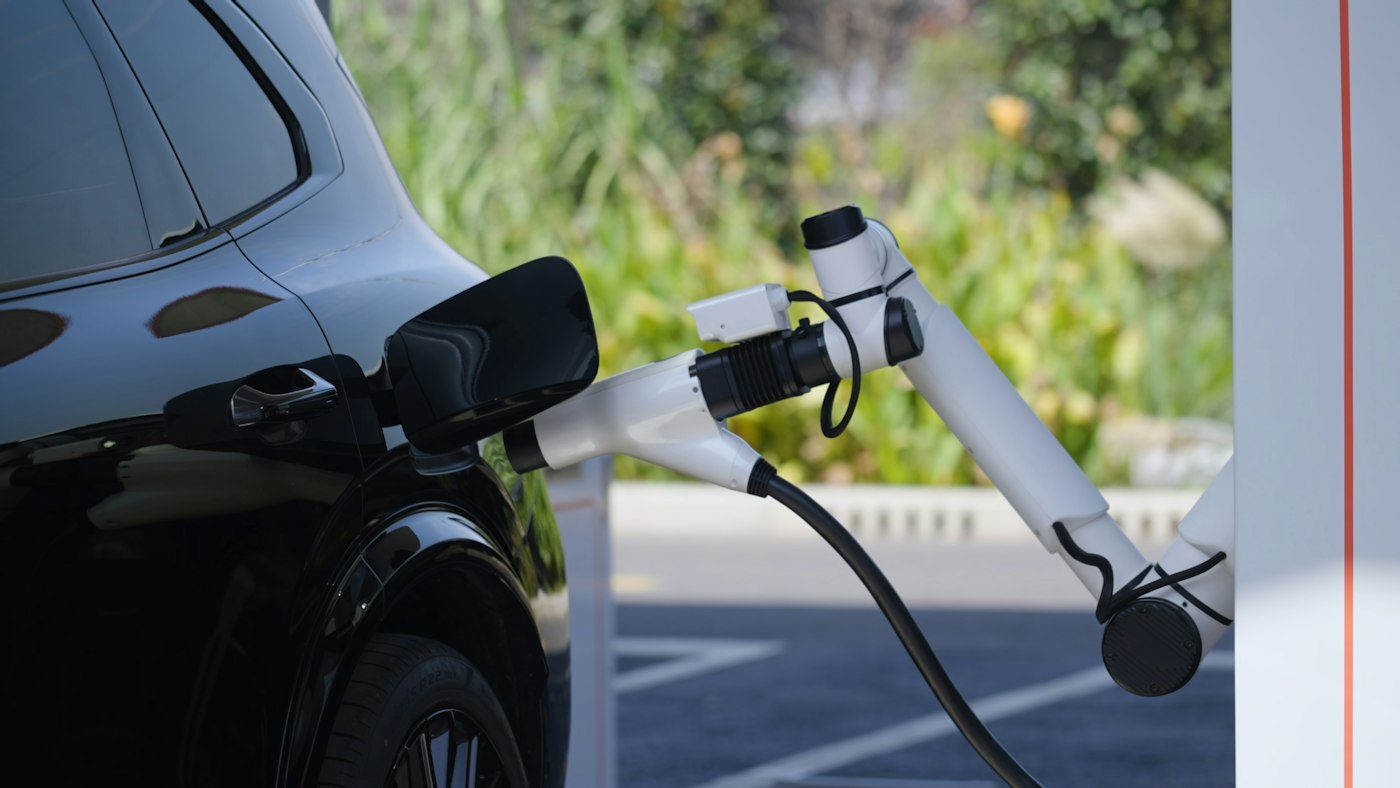
Geely says new station peaks at 2,250 kW, test cars took 4.5 minutes to 70%
Geely Auto Group said on September 23, 2026 it introduced Geely Smart Charging, an AI-managed charging system, alongside a fifth-generation Geely Smart Charging Station it says delivers peak charging power of up to 2,250 kW. In tests it calls real-world, the battery used in the Lynk & Co 10 and Zeekr 001 charged from 10% to 70% in 4 minutes 30 seconds and from 10% to 97% in 8 minutes 40 seconds. The release names no pack capacity, test temperature or price; CnEVPost puts BYD's flash charger at a maximum of 1,500 kW per connector and its network at 11,586 stations in China as of September 24.
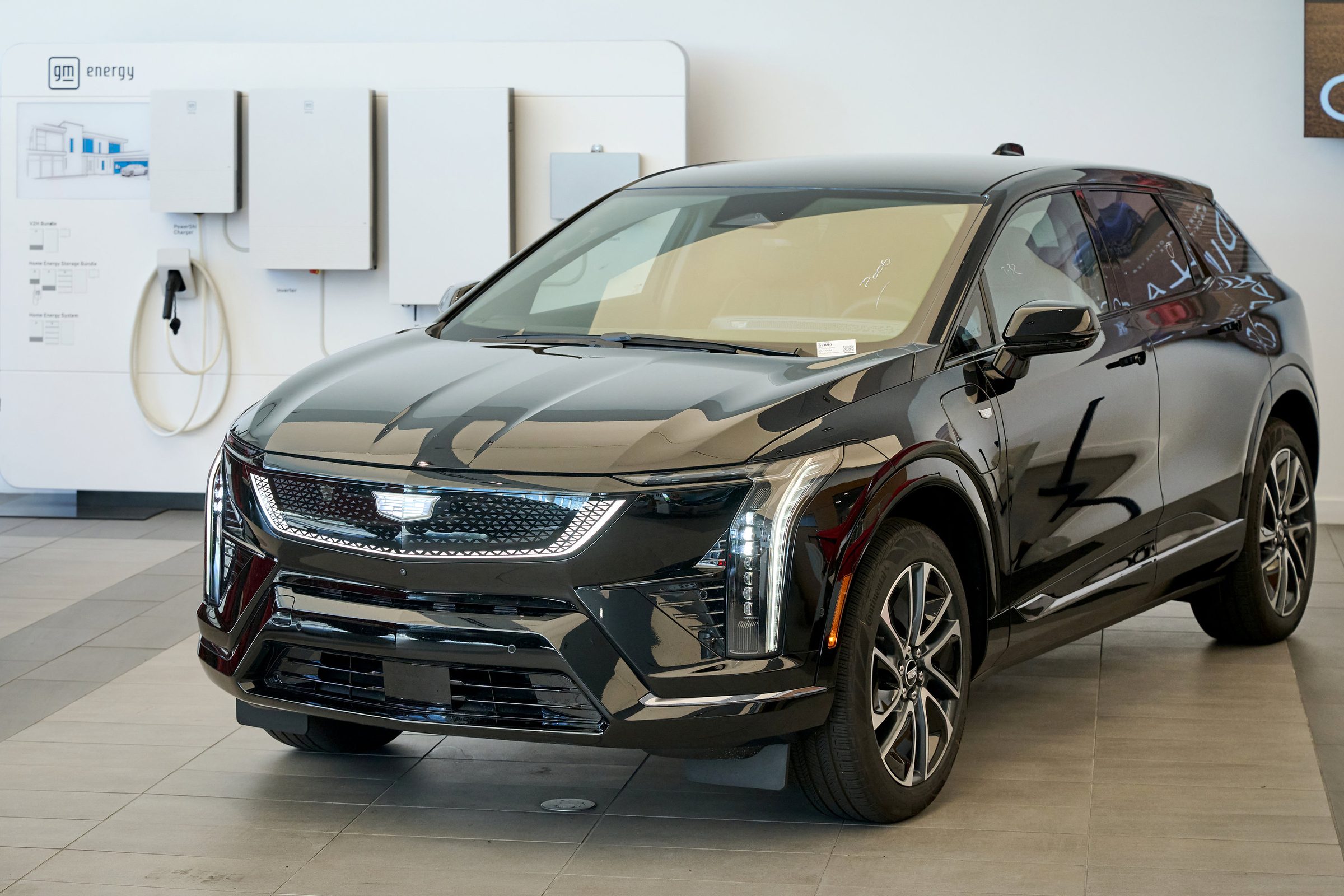
PG&E and GM Energy bundle charger at no additional cost, $15 monthly credit
PG&E and GM Energy said on September 23, 2026 that their Smart Charge Bundle gives buyers of a new Chevrolet, GMC or Cadillac EV a GM Energy home charger at no additional hardware cost plus a $15 monthly PG&E bill credit through the EV Charge Manager program. The bundle page limits participation to single-family or detached homes with an active OnStar plan with location services enabled; as of September 23, 2026 PG&E's page for the general EV Charge Manager program calls that program fully subscribed, and neither page says whether the bundle track is affected.
-
Colorado awards $23.2M in fast-charging grants from NEVI and state funds
The Colorado Energy Office and the Colorado Department of Transportation said on September 22, 2026 that $23.2 million in Direct Current Fast-Charging Plazas grants, funded by the federal National Electric Vehicle Infrastructure (NEVI) program and the state's Community Access Enterprise, will fund what the release counts as 270 fast-charging ports at 35 locations. The release's own awardee list names 34 locations, and the awards sheet it links shows 34 sites with 260 ports requested for the round, with the sheet's NEVI, CAE and BESS EI columns summing to $23,195,000.
Newsom signs six EV bills on charger permits, fees, and battery labels
Governor Gavin Newsom's office said on September 20, 2026 that he signed SB 969, SB 1283, AB 1820, SB 1213, SB 1267, and SB 615. Per the Legislative Counsel's digests, SB 1283 extends California's expedited charger permitting to supporting infrastructure; AB 1820 caps Level 2 charger permit fees at multifamily housing from July 1, 2027 (January 1, 2028 in jurisdictions under 200,000 residents); SB 615 requires a permanent label on new vehicle traction batteries from July 1, 2028. As of September 20 each bill's history page still ended at "Enrolled and presented to the Governor."
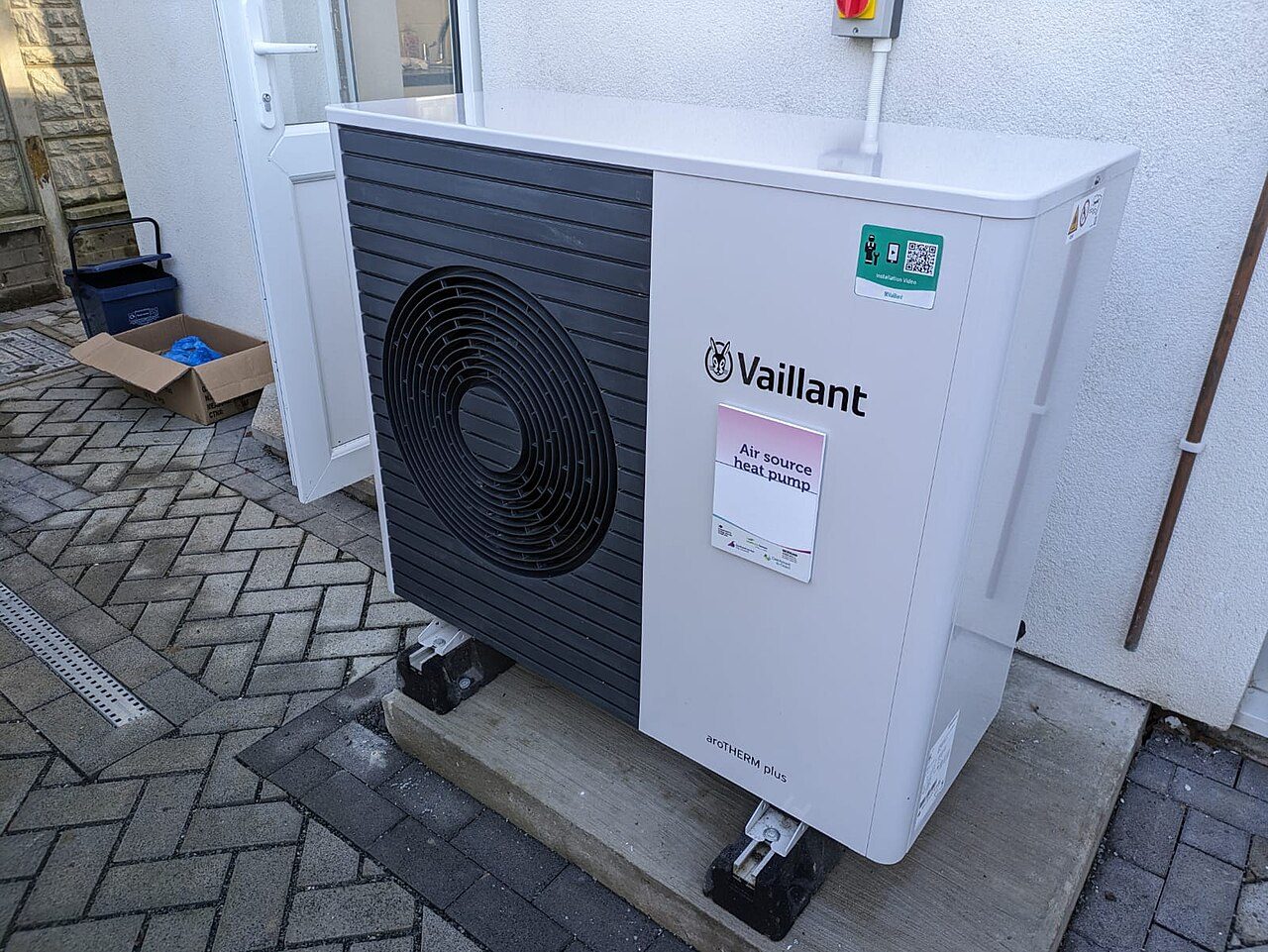
UK pushes electric heating appliance rules to October 2028 at the earliest
The UK Department for Energy Security and Net Zero said on September 17, 2026 that the implementation date for electrical heating appliances under its draft Energy Smart Appliances Regulations will be October 31, 2028 or two years after the regulations are made, whichever is later, subject to final parliamentary approval; the December 2025 consultation had proposed December 31, 2027. The interim response also says the government intends to permit alternative compliance routes for the metering and cyber security requirements. The regulations have not yet been laid before Parliament.
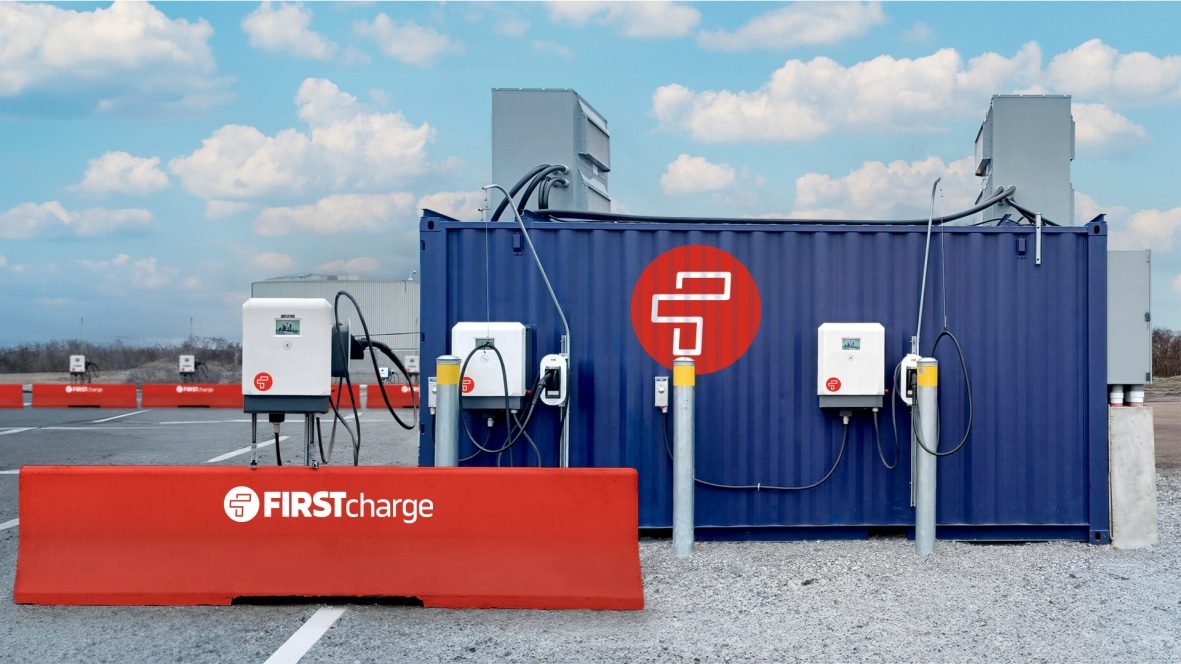
First Student says trenchless NYC bus charging cut build costs 13%
First Student and Con Edison said on September 15, 2026 that the first phase of an electric school bus project serving the New York City Department of Education is complete in Brooklyn and Queens, on First Student's above-ground First Charge equipment, which it says cut infrastructure construction costs by 13% by avoiding trenching; First Student plans 40 more electric buses for the department. The release names no dollar figures, no count of buses now operating, no charger count, no depot address, and no baseline for the 13%; the smart energy hub promised in 2024 is now under consideration.
-
NYC picks it's electric for its 600-point curbside charging expansion
it's electric said on September 15, 2026 that New York City and the New York Power Authority selected it to build the city's permanent curbside EV charging network, replacing the current pilot infrastructure over three years. NYC DOT's August 4, 2026 release set the expansion at 600 new curbside charging points, which it counts with the existing 88 Level 2 points as nearly 700 and the company's release calls 700. Gothamist, citing the DOT, reports contracts of $55.3 million for installation and $4.9 million for operating; DOT says it will keep operating the existing stations.
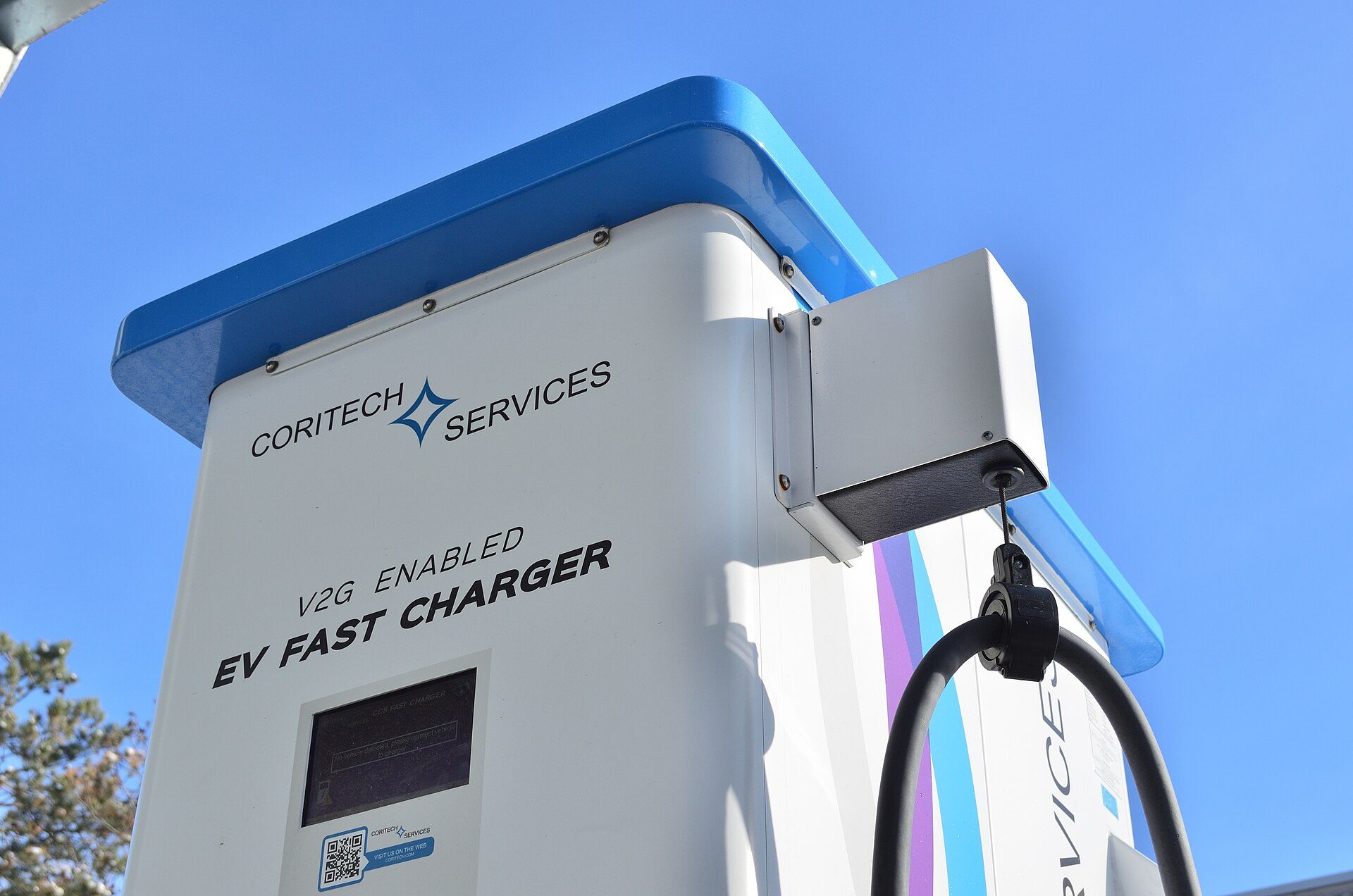
UL Solutions opens V2G certification under new UL 1741 Supplement SC
UL Solutions Inc. announced on September 14, 2026 a certification program for vehicle-to-grid equipment: bidirectional EV supply equipment tested to UL 1741 Supplement SC, which the Vehicle-Grid Integration Council says UL Standards & Engagement published on May 21, 2026 for EVs with SAE J3072 onboard inverters, plus a second route pairing UL 1741 multipiece DER requirements with UL 9741. Its borrowed figures: a GM Energy-funded E3 study's 2030 model (V2G 5 to 15 times managed charging per vehicle) and a 2020 EPRI Journal projection (about 90% of EVs will be parked at any given time).
-
NCDOT awards $14.4M in NEVI funds for 14 corridor charging sites
The North Carolina Department of Transportation announced on September 11, 2026 its second round of National Electric Vehicle Infrastructure awards: $14.4 million to eight businesses to build and operate charging stations at 14 locations along major travel corridors, including Asheboro, Columbus, High Point, Kinston, Raleigh, Wadesboro, and Weaverville. NCDOT's awards page puts the round at $14,405,524 and lists five round-one stations under construction, after nine conditional awards announced in September 2024; in January 2026 NCDOT cut its planned second-round corridor sites from 41 to 16.
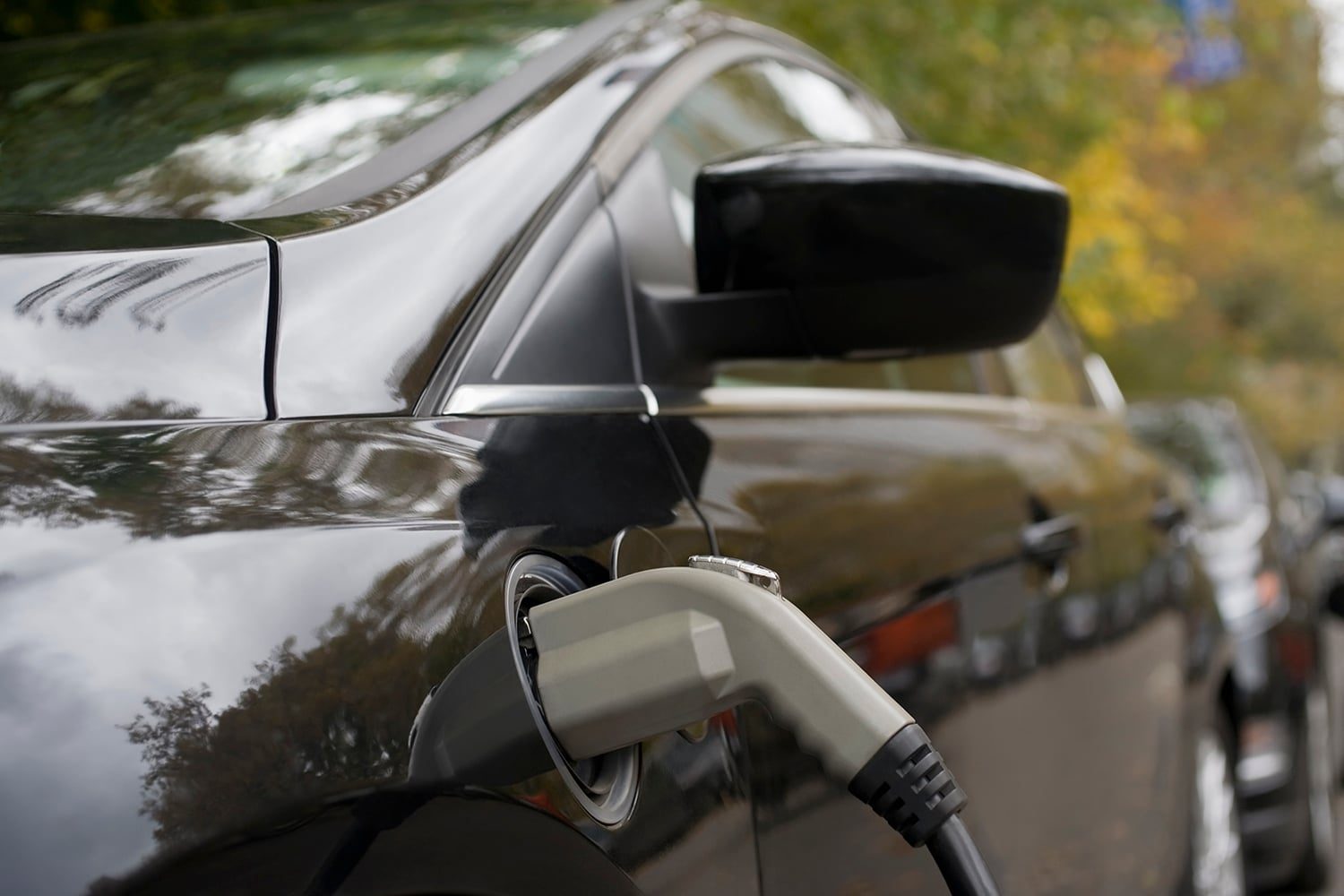
Wildflower breaks ground on 38-stall JFK Park fast-charging hub in Queens
Wildflower Ltd and the New York City Economic Development Corporation announced on September 9, 2026 the groundbreaking of JFK Park, a 2.6-acre EV charging hub adjacent to JFK Airport that is to open with 38 DC fast chargers, operated by Mercedes-Benz High-Power Charging, with completion anticipated in late fall 2027. NYCEDC's March 2024 selection release had described an initial 65 EV-ready charging stations including 12 rapid ones, anticipated to complete in 2025; the 2026 release gives no cost and calls the project one of the largest public EV fast-charging stations in the city.
-
Pennsylvania opens $11M NEVI round for chargers in 26 central counties
The Pennsylvania Department of Transportation announced on September 8, 2026 that $11 million in federal National Electric Vehicle Infrastructure funding is available for public EV chargers in a 26-county central region, the third of four regional Community Charging rounds; applications are accepted until March 12, 2027. PennDOT says the rounds direct over $100 million in federal funding on top of $58 million already invested in corridor charging, and counts nearly 50 NEVI-funded stations built.
-
Wisconsin awards $25M in NEVI grants to 42 fast-charging sites
Gov. Tony Evers and the Wisconsin Department of Transportation announced on September 8, 2026 that 42 sites will receive $25 million in National Electric Vehicle Infrastructure grants through the WEVI Connecting Corridors program, for fast chargers on U.S. and state highway corridors the release says were not previously considered for WEVI funding. WisDOT's award list shows Universal EV LLC on 25 sites and Kwik Trip on eight; the release lists federal shares from $396,800 to $930,849, and the governor's office counts approximately $62 million awarded across 120 projects to date.
South Coast AQMD opens $73.1M of warehouse fees to zero-emission trucks
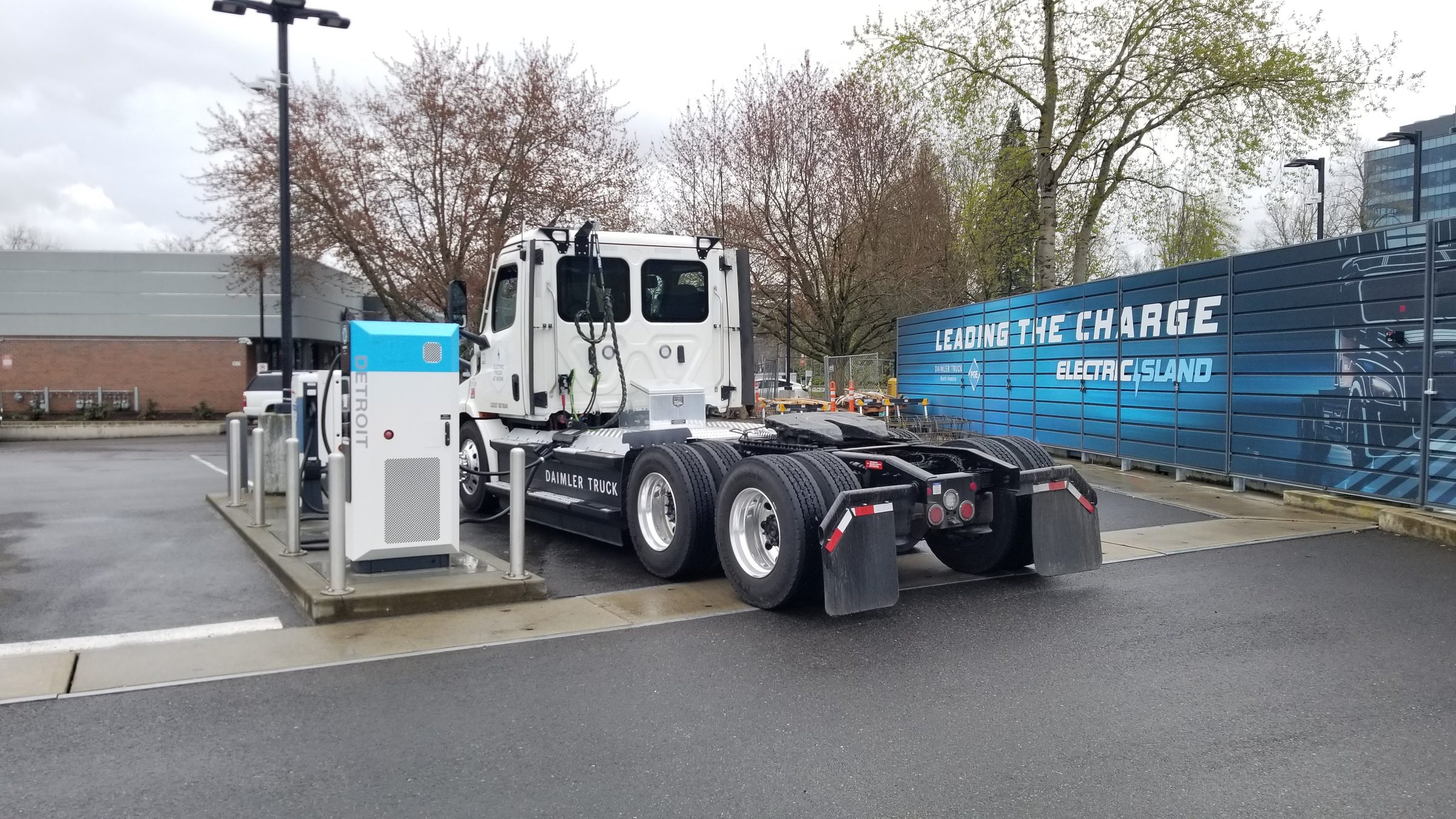
The South Coast Air Quality Management District board approved on September 4, 2026 a program offering up to $73,135,300 in mitigation fees paid by warehouse operators under Rule 2305 for zero-emission Class 4 to 8 trucks, yard trucks, and charging and hydrogen fueling infrastructure serving warehouses. Caps are $120,000 per battery-electric Class 8 truck and $240,000 per hydrogen fuel cell Class 8; applications run October 13 to December 15, 2026, first come first served within the Source Receptor Area where the fees were paid, or an adjacent one in the same county if none qualify there.
-
MnDOT opens $41.2M NEVI round for fast chargers in Greater Minnesota
The Minnesota Department of Transportation announced on September 1, 2026 its third and largest National Electric Vehicle Infrastructure funding round: up to $41.2 million in federally funded grants for fast-charging stations in Greater Minnesota, split 80% federal and 20% grantee. Proposals are due November 2, 2026; MnDOT intends to make up to 40 awards, one per eligible cluster, and to announce conditional awards by a tentative December 30, 2026.
-
Gorham, NH Tesla Supercharger site to shut October 25 over power bills
Terry MacGillivray plans to shut down the four Tesla Superchargers he installed in Gorham, New Hampshire in May on October 25, 2026, the Concord Monitor reports. Net revenue was almost $15,900 through mid-August while electric bills topped $32,500, driven by delivery and demand charges.
-
Schneider Electric launches a home EV charger that manages panel load
Schneider Electric launched Schneider Charge on August 25, 2026: an 11.5 kW (48 A) Level 2 residential EV charger for the United States and Canada with built-in SmartAmp dynamic load management that adjusts charging speed to the home's real-time electrical load, supporting UL 3141 managed-load installations where accepted by the authority having jurisdiction. It ships in NACS (J3400) and J1772 versions; a plug-in model is planned for early 2027.
PG&E expands V2X program to Nissan, Volvo, Polestar, and Kia EVs
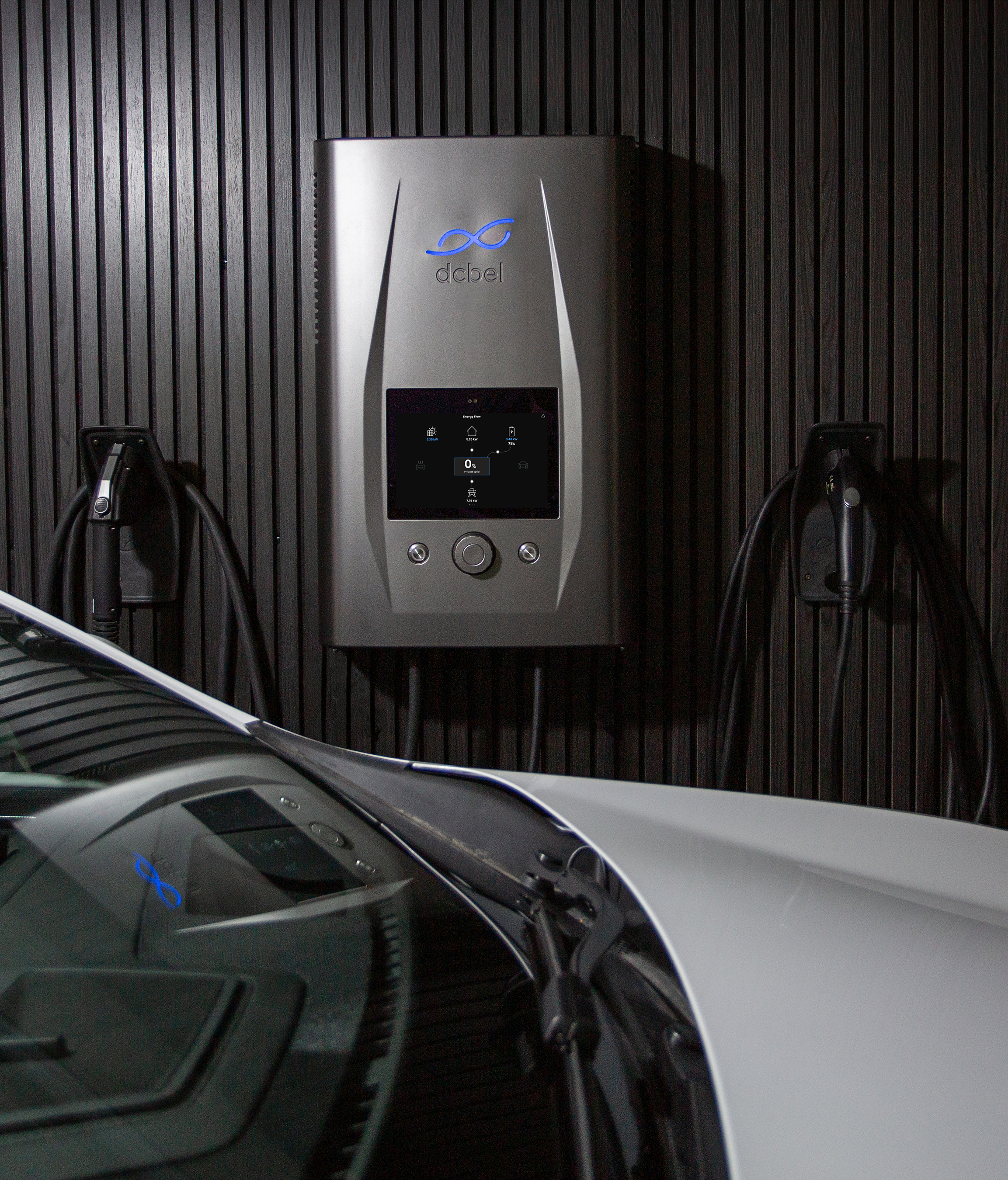
PG&E expanded its Vehicle-to-Everything program on August 24, 2026: the Nissan Leaf, Volvo EX90, and Polestar 3 with dcbel's Ara charger, and the Kia EV9 and EV6 with the Wallbox Quasar 2, are now eligible alongside new partners Bidirectional Energy and PowerFlex. Residential incentives run $2,500 to $4,500, PG&E says the new vehicle-and-charger combinations qualify for up to $13,000 in California Energy Commission grant funding subject to additional eligibility requirements, and enrollment stays open through June 30, 2027.
-
11 GW-plus Northwest plan, Austria's storage pivot, Walmart's 100th charger
Three developments from August 13 to 21, 2026: the Northwest Power and Conservation Council's draft Ninth Power Plan calls for more than 11 GW of new generation and more than 5 GW of storage by 2032; Austria plans to redirect residential solar subsidies toward battery storage from 2027, guided by a ministry-commissioned study that finds up to 8 GW of market-oriented battery capacity economically useful by 2030; and Walmart's company-owned fast-charging network, delivering up to 400 kW, reached 100 stores across 20 states.