 The Duck Curve
EU reaches provisional deal to cap permit times for grids and storage
Small solar, storage and chargers would need a permit only above 200 kW, double the 100 kW the Commission proposed, and mandatory benefit sharing applies above 7 MW; Parliament and Council must still adopt the deal.
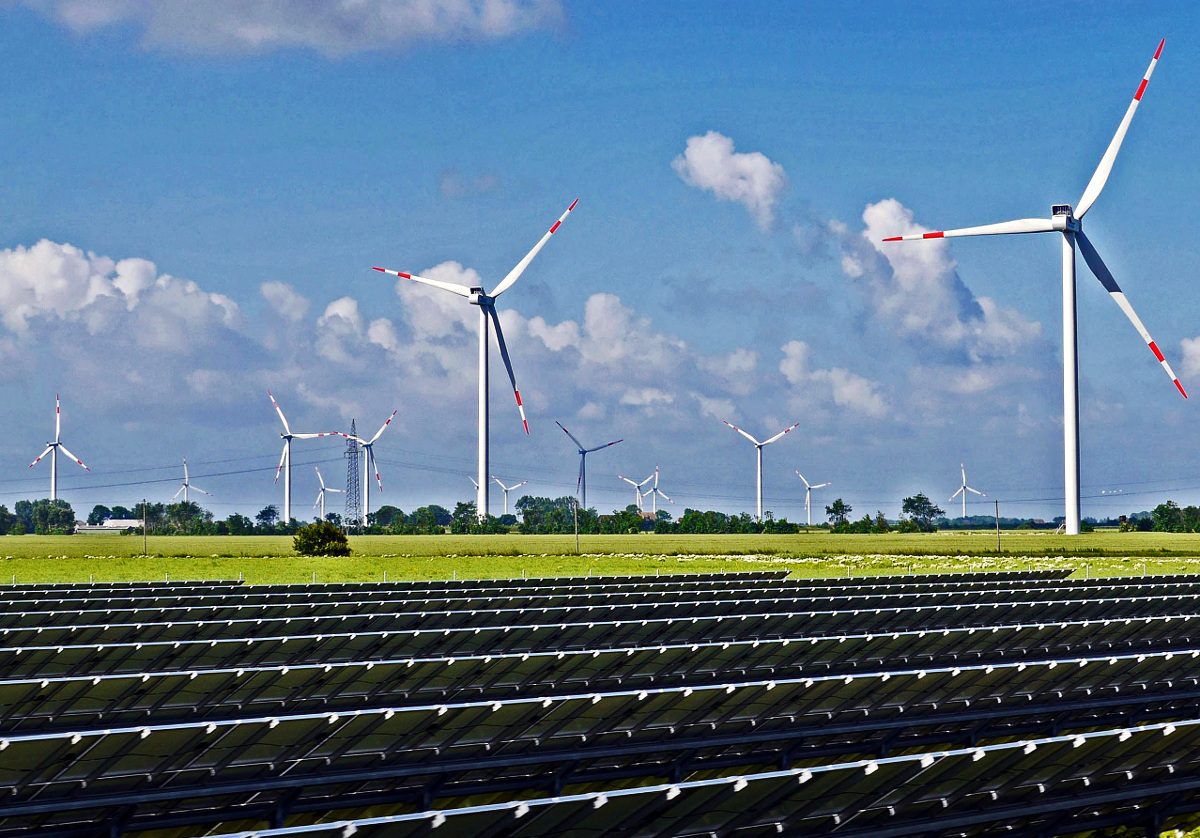
European Parliament negotiators and the Council's Irish presidency reached a provisional agreement early on November 18, 2026, on rules to speed up permits for renewable energy projects, electricity grids, storage facilities and EV recharging stations, Parliament announced. Per Parliament's summary, permitting deadlines must not exceed three months for solar equipment and any co-located storage (hydrogen excluded), six months for stand-alone storage and recharging stations, and two years for pumped hydro. Small solar, storage (hydrogen excluded) and chargers need a permit only above 200 kW, double the 100 kW the Commission proposed.
The deal is the permitting half of the European grids package the Commission proposed in December 2025. The other half, a revised TEN-E Regulation focused on infrastructure planning, is still in negotiation, the Commission said in welcoming the agreement. The problem it targets is time. Electricity transmission grids take around 10 years to complete, and permitting accounts for more than half of that, Parliament says; renewable projects can still take up to nine years to permit depending on the member state and technology, and storage installations from one to seven years.
Managing grid congestion cost Europe's transmission operators €5.4 billion in 2025 in costly remedial actions such as redispatching and countertrading, as ACER's latest market integration report found. "By speeding up and simplifying permitting procedures, we can massively accelerate the deployment of electricity grids, renewable energy projects and storage facilities," says Dan Jørgensen, the Commissioner for Energy and Housing.
Some of this is new ground. The Commission says the agreement introduces, for the first time, time limits on permitting for transmission and distribution grids, stand-alone storage and recharging stations, "including a general presumption of overriding public interest for these assets." Parliament's summary also lists a single national digital portal for all permitting steps and a dedicated EU-wide permitting framework for electricity grid infrastructure. Grid connection procedures get a three-month deadline, extendable to six months if duly justified, with a derogation for isolated or small connected systems such as those in outermost regions.
Chargers get the widest exemption in Parliament's summary. No administrative permits will be needed to install recharging stations with a total installed capacity of 1 MW or less on artificial structures, Parliament says.
The text goes next to a vote in Parliament's Industry, Research and Energy committee at a forthcoming meeting, then needs endorsement by the full Parliament and by the Council before publication in the Official Journal. "We took a very important step tonight to make sure that we get a faster rollout of renewables and grid infrastructure, to the benefit of our citizens, to mitigate climate change and to boost our competitiveness," said Niels Fuglsang (S&D, Denmark), Parliament's lead MEP on the file.
What moved from the Commission's draft
The deadlines look much as the Commission drafted them. The three-month, six-month and two-year ceilings in Parliament's summary are the ones in the Commission's December 2025 proposal, where the three-month solar deadline applied to installations on buildings and other artificial structures. The movement came on who is small enough to skip the process. The proposal exempted solar equipment and any co-located storage, stand-alone storage other than hydrogen, and recharging stations from administrative permits (grid connection permits aside) at 100 kW or less; Parliament says MEPs raised that threshold to 200 kW.
Benefit sharing moved the other way. The Commission proposed that member states ensure a share of the benefits of renewable projects above 10 MW is passed on to local citizens and communities nearby. Under the deal, the threshold for mandatory benefit sharing drops to 7 MW, projects run by renewable energy communities are exempt, and member states may also support vulnerable customers and people affected by energy poverty, according to Parliament.
Both sides claim the overriding-public-interest clause. Renewables and grid projects are presumed to be of overriding public interest, which in the Commission's draft gave them priority when legal interests are balanced in permitting. The draft's renewables clause let member states set the presumption aside only to protect cultural heritage. Under the deal, Parliament says, member states may disregard it "only in duly justified cases where the conflicting interest is cultural heritage or security and defence," and MEPs pushed to broaden and strengthen the principle. The Council, as quoted by pv magazine, says the agreement "aligns with the Council's position, leaving to member states the discretion not to apply this principle in order to protect security and defence and cultural heritage interests." Each institution presents the outcome as going its way.
The clock is shorter too, if pv magazine's account holds: it reports that member states will have 18 months to transpose the directive into national law after formal adoption. The Commission had proposed two years.
Sources
Primary
- Electricity grids: MEPs reach deal with Council on faster project permitting · European Parliament
Supporting
- Proposal for a Directive amending Directives (EU) 2018/2001, (EU) 2019/944, (EU) 2024/1788 as regards acceleration of permit-granting procedures, COM(2025) 1007 final · European Commission
- EU reaches provisional deal to accelerate renewable energy permitting · pv magazine
- Commission welcomes political agreement on faster and simpler permitting for grids, clean energy projects · European Commission
Copies of cited sources are retained where available. If a link no longer resolves, request a copy at contact@theduckcurve.com.