 The Duck Curve
#permitting
DOE exits NRC environmental review of Orano's Oak Ridge enrichment plant
The Department of Energy withdrew on September 17, 2026 as a cooperating agency on the NRC's environmental impact statement for Orano Enrichment USA's Project IKE enrichment plant in Oak Ridge, Tennessee, saying it is identifying faster ways to amend the site's deed. Orano's information system security plan is dated September 21, its exemption deadline, and the NRC set a $4,543,024 fixed fee cap for the review.
NRC draft EIS preliminarily backs Fermi America's four Texas AP1000s
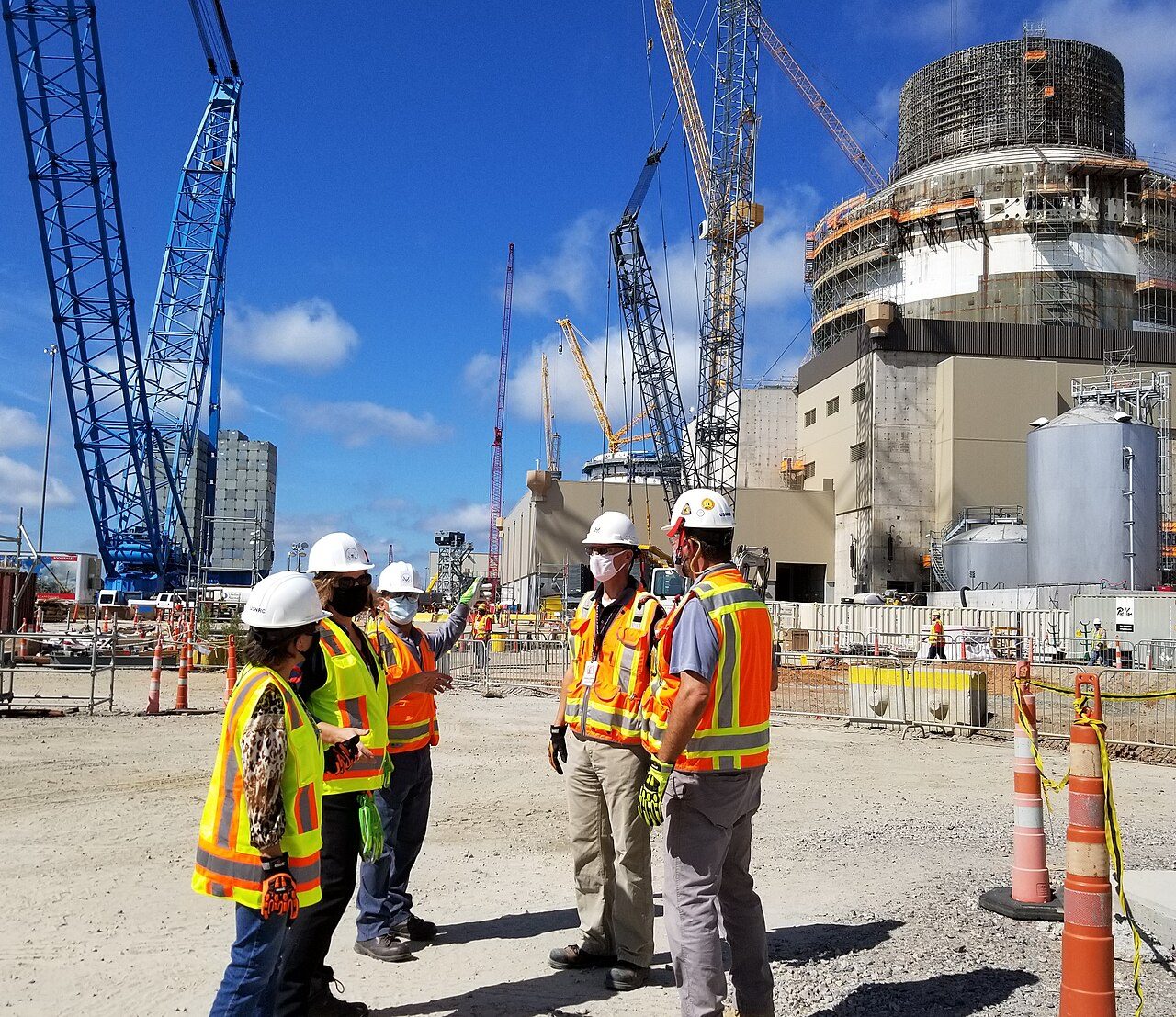
The NRC noticed a draft environmental impact statement on October 9, 2026 for Fermi America's application to build four AP1000 reactors, 4 GW for its Project Matador data center campus in Carson County, Texas, with a preliminary recommendation to issue the combined license if the safety review succeeds. Fermi wrote the draft under an NRC pilot with staff oversight; it rates most impacts SMALL but construction traffic LARGE, and comments are due November 23, 2026.
Terrestrial asks NRC to rule IMSR turbine side is not nuclear construction
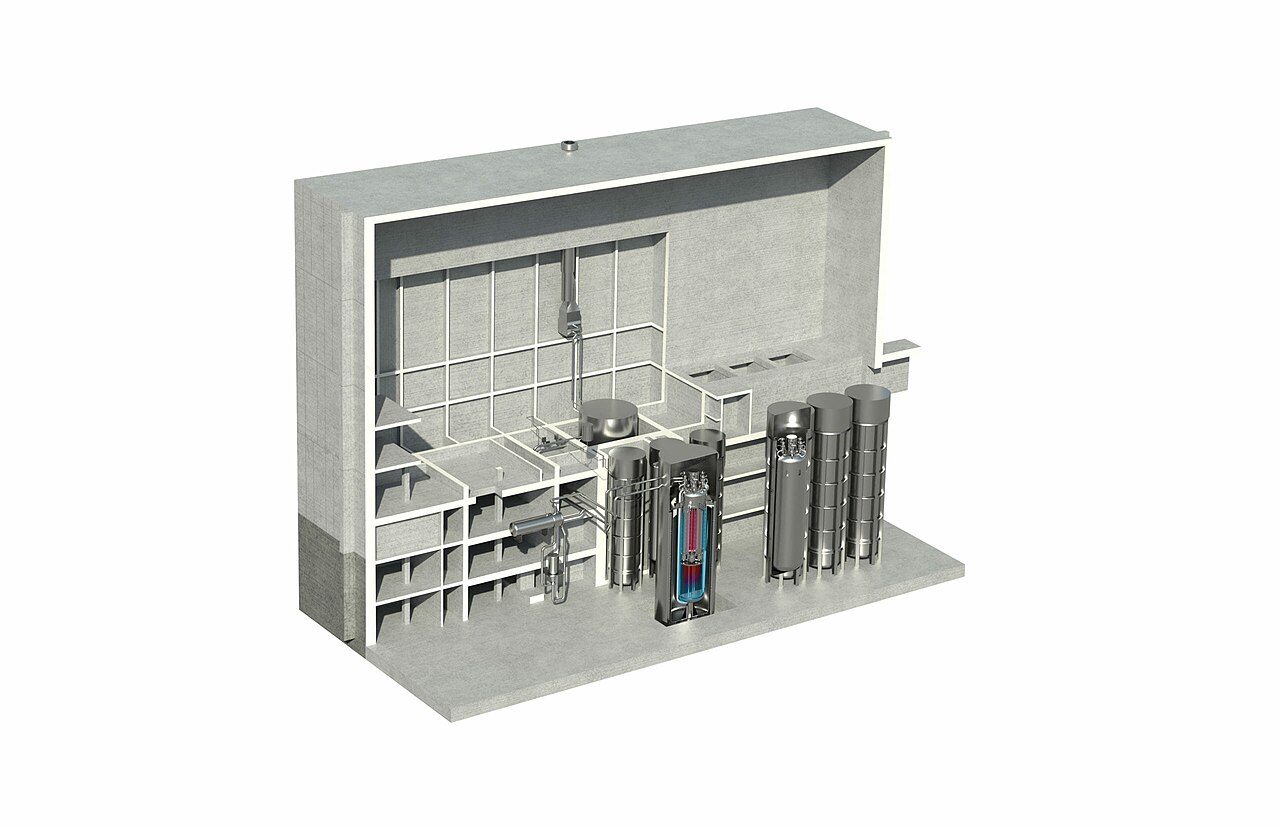
Terrestrial Energy submitted a topical report on October 8, 2026 asking the NRC to confirm that building its IMSR plant's Thermal and Electric Facility (turbines, generators, steam supply) is not nuclear construction under 10 CFR 50.10(a)(1), so it could be built and run before a construction permit.
Fusion energy: milestones, money and rules
As of October 9, 2026, DOE pays fusion developers by milestone and Germany has opened a program of its own, private rounds reach $1 billion, the NRC's fusion machine rule is still a proposal, and the first plant sites have buyers but no finished plant.
Advanced reactors in the US: SMRs and microreactors
As of October 11, 2026, TVA holds an NRC construction permit for what the agency calls the nation's first commercial SMR, DOE's August 6 count put five advanced reactors critical under its authorization, and none of them holds an NRC operating license.
Texas drilling permit issued for Deep Isolation's borehole disposal pilot
Deep Isolation Nuclear, Inc. said on October 1, 2026 that the Texas Railroad Commission has issued a drilling permit for its full-scale, non-radioactive Commercialization Pilot near Cameron, Texas, a deep borehole disposal demonstration, and that the authorization lets the project advance from engineering and design toward construction and field activities. A February 3, 2026 Form 8-K puts the demonstration test well at Halliburton's Cameron site, built by Halliburton, which keeps title, with construction, preparation and initial demonstration expected to take approximately three years.
Newsom signs SB 868, California's plug-in solar law, as Chapter 985
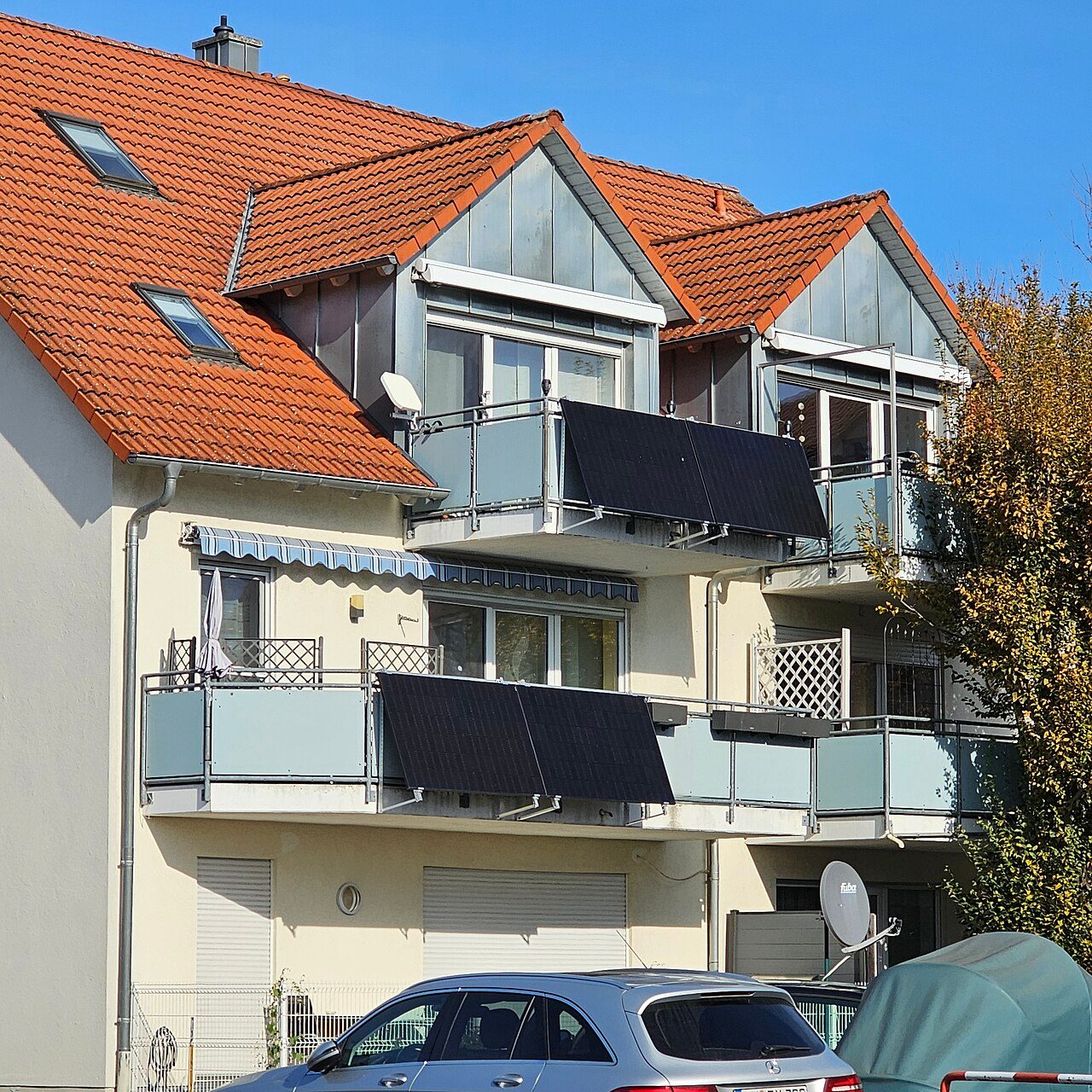
Governor Gavin Newsom approved SB 868 on September 30, 2026; it was chaptered the same day as Chapter 985, Statutes of 2026. The law adds Sections 8530 to 8532 to the Public Utilities Code: a portable solar generation device meeting six conditions, including no more than 1,200 watts of aggregated AC output per dwelling and UL or equivalent certification, is exempt from interconnection requirements and from utility approval, fees and added equipment. The exemption section is repealed on January 1, 2030, when a sales standard for receptacle-connected devices begins.
Newsom signs SB 925 fusion strategic plan and AB 2647 nuclear assessment
Governor Gavin Newsom announced on September 30, 2026 that he has signed SB 925 (McNerney) and AB 2647 (Calderon). SB 925 requires the California Energy Commission to submit a fusion energy strategic plan by December 31, 2029, and adds fusion manufacturing projects with a certified capital investment of at least $250 million over five years to CEQA-streamlined certification. AB 2647 requires the commission to prepare a nuclear assessment by January 1, 2028 and, in preparing it, to consider recommended revisions to state law and regulations, including to Sections 25524.1 and 25524.2.
Newsom signs SB 222, California's heat pump permitting law, as Chapter 738
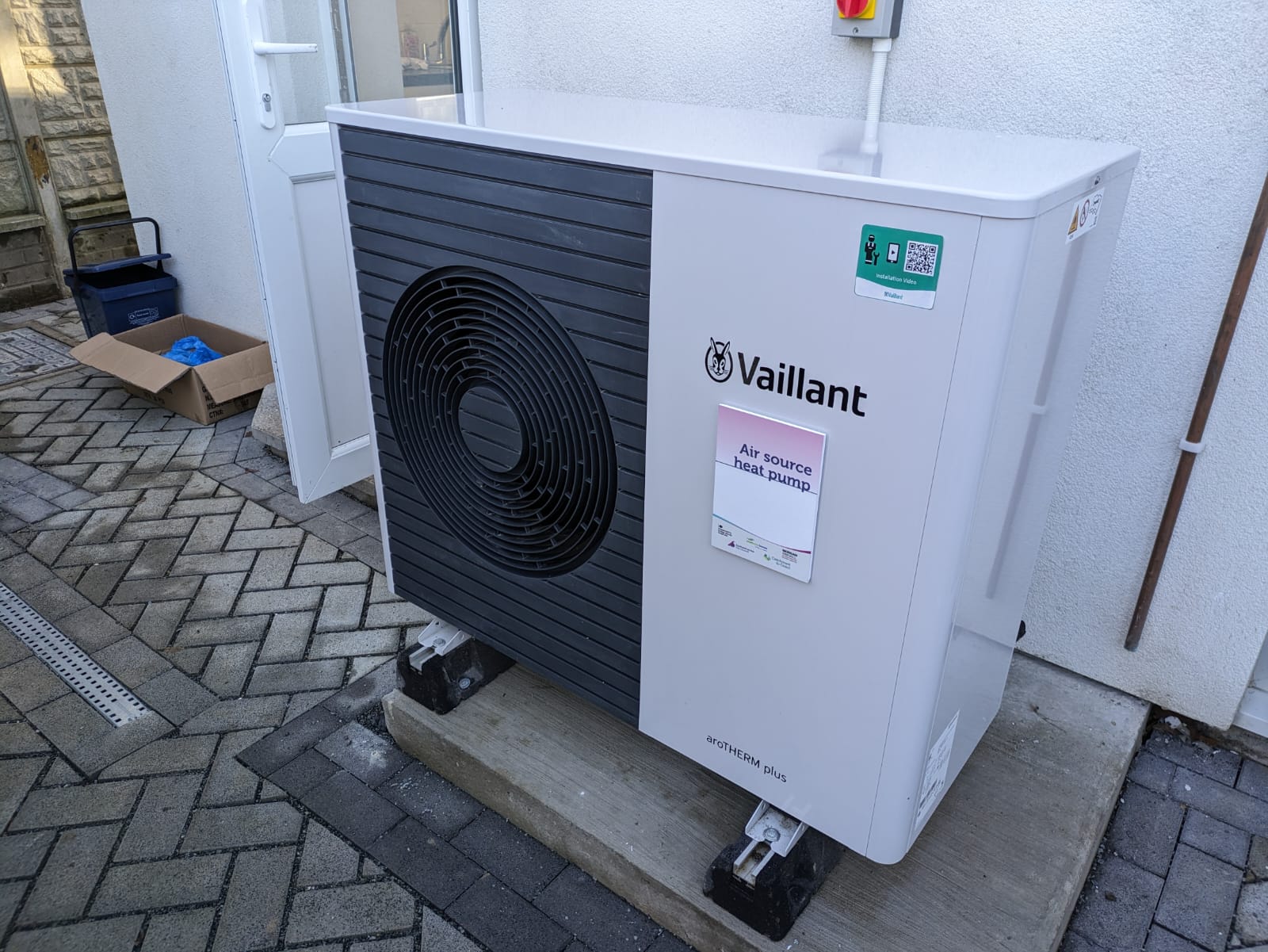
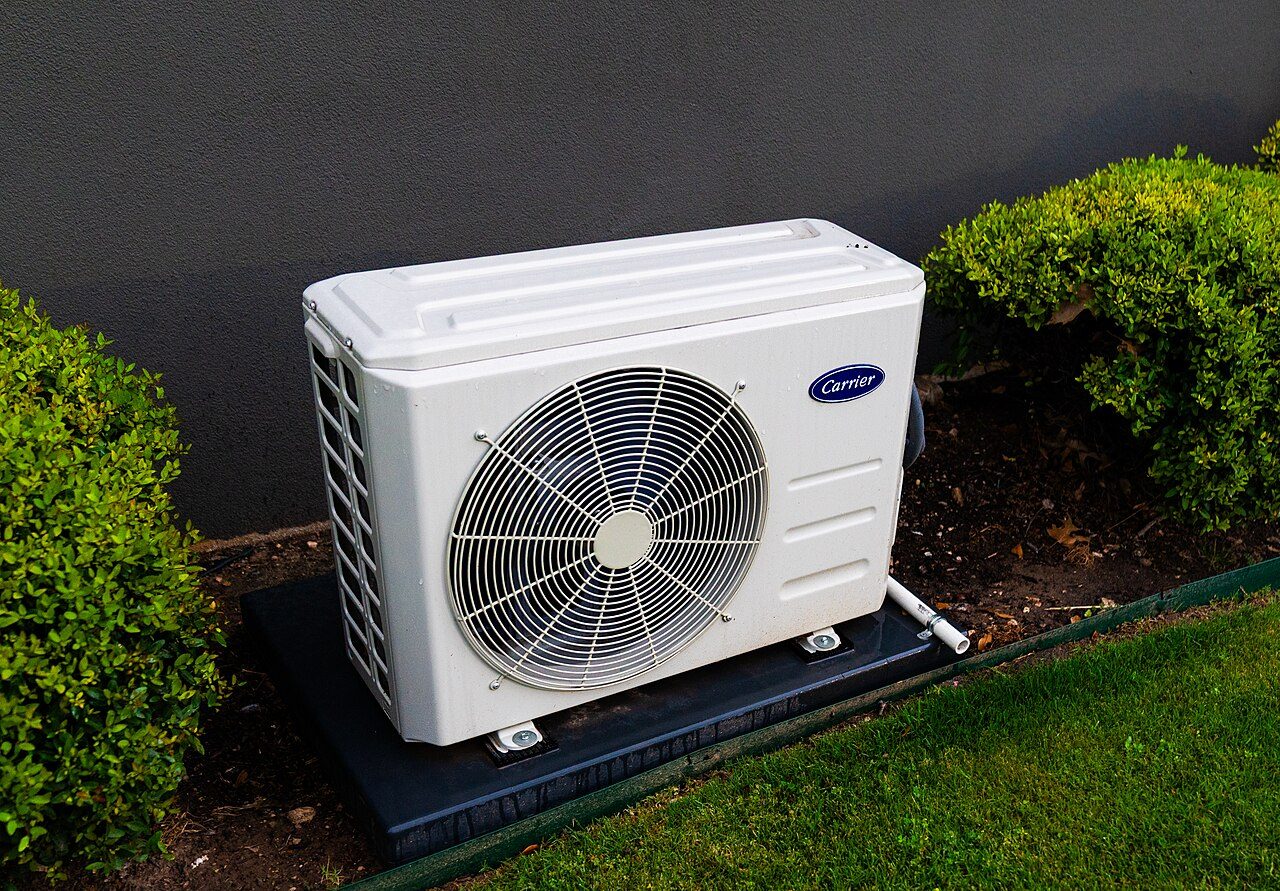
Governor Gavin Newsom approved SB 222 on September 28, 2026, and it was filed the same day as Chapter 738, Statutes of 2026. The chaptered text requires every California city and county, beginning July 1, 2027, to offer asynchronous inspections for residential heat pump water heater and HVAC installations; it requires real-time online permits for swapouts by July 1, 2028 and caps permit fees at $150 and $200, each with its own small-jurisdiction carve-out; it exempts plug-in window units from permits and voids HOA bans on replacing a gas appliance with an electric one.
NRC issues TVA a construction permit for a 300 MW BWRX-300 at Clinch River
The Nuclear Regulatory Commission issued the Tennessee Valley Authority Construction Permit CPAR-2 for Clinch River Nuclear Unit 1, a GE Vernova Hitachi BWRX-300 rated 300 MWe, dated September 28, 2026 and announced September 29 as clearing the way for the nation's first commercial small modular reactor after a 14-month review. The permit sets the earliest completion date at October 1, 2031 and the latest at September 30, 2032, and a separate operating license is required before fuel load; TVA's release says no construction date has been announced.
Newsom signs AB 1738, a remote-inspection option for heat pumps and solar
Governor Gavin Newsom signed AB 1738 on September 18, 2026, adding Section 17970.9 to the Health and Safety Code: cities and counties must offer homeowners, or contractors who give the city or county the homeowner's written consent, a remote-inspection option for heat pump water heaters, heat pump HVAC, reroofs, solar of 15 kW AC or less, energy storage systems, and smoke and CO detectors by January 1, 2028, or July 1, 2028 for cities of 50,000 or fewer; cities under 5,000 and counties under 150,000, with their cities, are exempt. SB 222 was still unsigned on September 27.
Hydropower Licensing Transparency Act signed; FERC report within 180 days
The White House said the President signed H.R. 3657, the Hydropower Licensing Transparency Act, into law on September 25, 2026; the Library of Congress record dates both 'Signed by President.' and 'Became Public Law No: 119-112.' to September 25, 2026. The act adds a section 37 to the Federal Power Act: within 180 days of enactment and annually after that, FERC reports to Congress on each pending new license, subsequent license for which sections 14 and 15 have been waived, and original license for which a notice of intent was given at least three years earlier, with six inclusions each.
NRC's proposed reactor rule published; comments due November 9
The NRC's proposed rule 'Regulatory Enhancements for Reactor Licensing, Decommissioning, and Operational Oversight' was published in the Federal Register on September 24, 2026 at 91 FR 60702; its major provisions, the notice says, include changes in fifteen lettered areas, and comments are due November 9, 2026. The text says removing the 15-year expiration on standard design approvals would not modify existing approvals; the draft analysis of the rule and its associated draft guidance puts net averted costs over 30 years at $311 million (7 percent discount rate) to $411 million (3 percent).
Newsom signs six EV bills on charger permits, fees, and battery labels
Governor Gavin Newsom's office said on September 20, 2026 that he signed SB 969, SB 1283, AB 1820, SB 1213, SB 1267, and SB 615. Per the Legislative Counsel's digests, SB 1283 extends California's expedited charger permitting to supporting infrastructure; AB 1820 caps Level 2 charger permit fees at multifamily housing from July 1, 2027 (January 1, 2028 in jurisdictions under 200,000 residents); SB 615 requires a permanent label on new vehicle traction batteries from July 1, 2028. As of September 20 each bill's history page still ended at "Enrolled and presented to the Governor."
Congress moved four energy bills in three days; one goes to the President
Between September 15 and 17, 2026, the House passed the High-Capacity Grid Act (H.R. 6633) and the Load Forecasting Enhancement Act (H.R. 9332) by voice vote and the Ratepayer Protection Act (H.R. 9340) by 417 to 3, and the Senate passed the Hydropower Licensing Transparency Act (H.R. 3657) by unanimous consent without amendment; the bill status record shows that bill presented to the President on September 17 and the other three received in the Senate. Each orders a report, a rulemaking, study boards, or a state proceeding; none funds or builds anything.
NRC proposes rule package for existing reactors and new applicants
The Nuclear Regulatory Commission announced on September 11, 2026 a proposed rule, docket NRC-2025-1138, that it calls a broad overhaul of its reactor licensing and oversight regulations under Executive Order 14300, for existing plants and new applicants. The release lists ten changes "among other things," including removing the expiration date for standard design approvals; comments run 30 days after Federal Register publication, which the NRC's tracker estimates for September 25, 2026, with a final rule estimated for March 31, 2027.
NRC proposes groundwater rule for uranium in-situ recovery sites
The Nuclear Regulatory Commission announced on September 1, 2026 a proposed rule, docket NRC-2025-1204, to set what it calls risk-informed groundwater protection criteria for uranium in-situ recovery facilities and to streamline extensions of decommissioning timelines for reactors and materials facilities. The rule text had not been published in the Federal Register as of September 4; comments are due 30 days after publication. The NRC's rulemaking tracker says the rule would reduce post-restoration monitoring, and the three industry letters in the docket asked for a narrowly targeted rule.
Studsvik picks GE Vernova Hitachi, Samsung C&T for four Swedish BWRX-300s
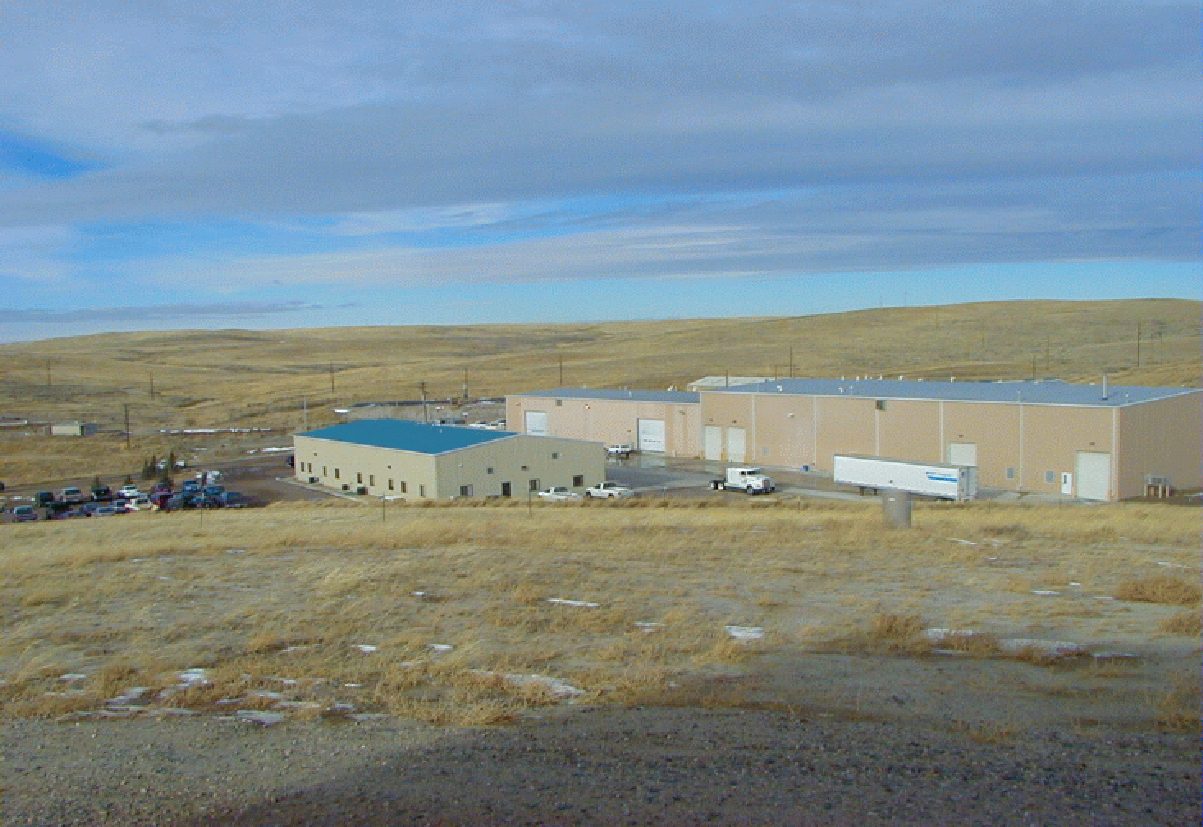
Studsvik AB announced on September 3, 2026 an exclusive agreement with GE Vernova Hitachi Nuclear Energy, Samsung C&T, GE Vernova Financial Services, and DS Investment Partners to advance an initial four-unit BWRX-300 project of approximately 1,200 MWe at either its Nyköping site or the Målma site in Valdemarsvik, Sweden, with the first unit expected in operation in the mid-2030s. The agreement is not a final investment decision or an authorization to construct; both sites await Swedish government approval, and Studsvik applied for state financing support on June 12, 2026.
New Jersey exempts balcony solar up to 1,200 W from utility sign-off
New Jersey Governor Mikie Sherrill signed the Garden State Balcony Solar Act (S2368) on September 1, 2026, exempting plug-in solar devices of up to 1,200 watts from utility interconnection agreements and net-metering requirements, with new limits on landlord, homeowner-association, and municipal bans. The law takes effect six months after enactment, in early March 2027.
Tennessee issues Type One Energy a fusion-specific license
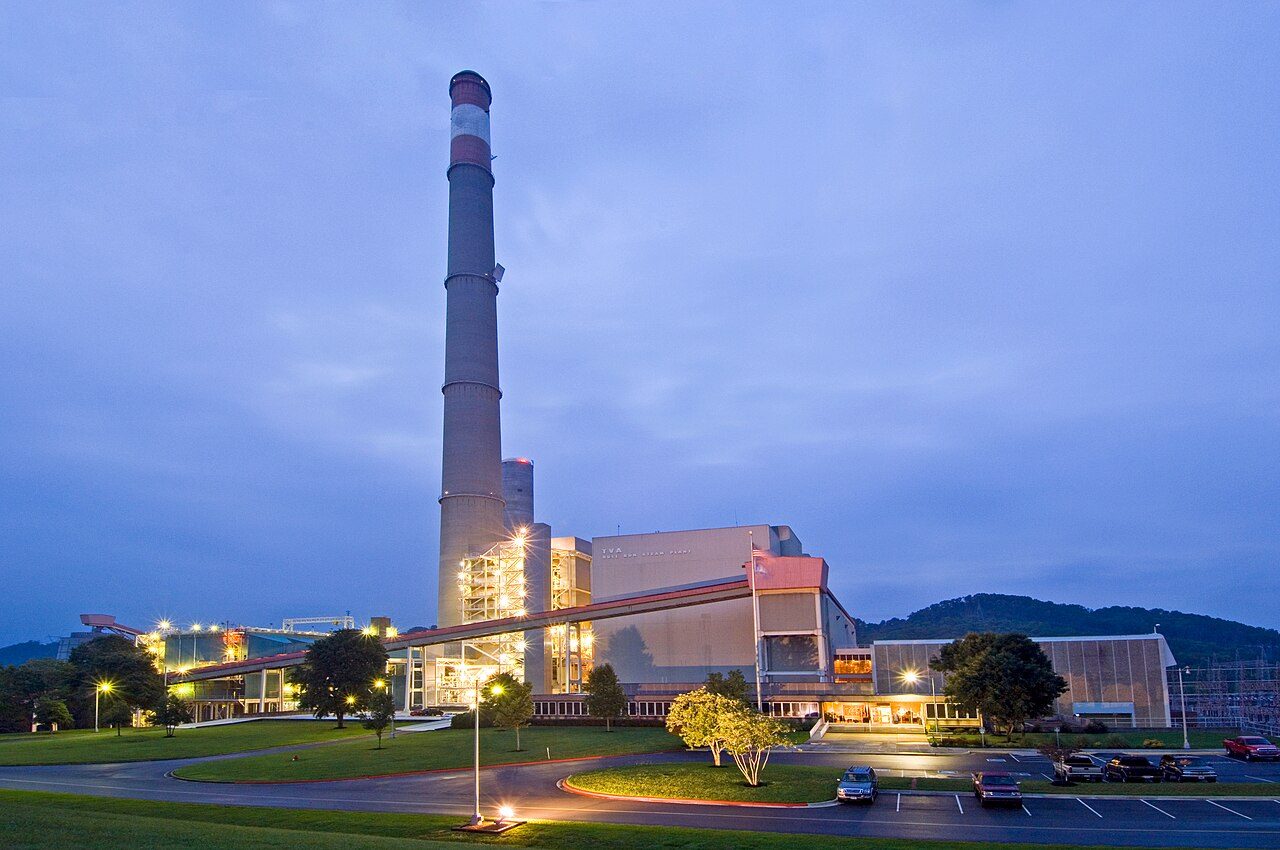
Tennessee regulators announced on August 31, 2026 what the state calls the nation's first license issued under a fusion-specific regulatory framework: a byproduct material license for Type One Energy's Project Infinity at TVA's retired Bull Run coal site in Clinton. The company says it intends to break ground in 2026 and expects a full startup by 2034.
California Legislature passes SB 222 to standardize heat pump permits
The California Legislature passed SB 222, the Heat Pump Access Act, on August 25, 2026 (Assembly 60-8 on August 24, Senate concurrence 32-5). The bill requires cities and counties to issue real-time online permits for residential heat pump installations by July 1, 2028, caps permit fees, limits installations to one nondiscretionary permit, and voids HOA restrictions on replacing gas appliances with electric ones. Governor Newsom has until September 30 to act on it, according to Senator Scott Wiener's office.