 The Duck Curve
Tennessee issues Type One Energy a fusion-specific license
TDEC granted Type One Energy a byproduct material license under fusion-machine rules in effect since June 9; the company intends to break ground at TVA's retired Bull Run coal site in 2026.
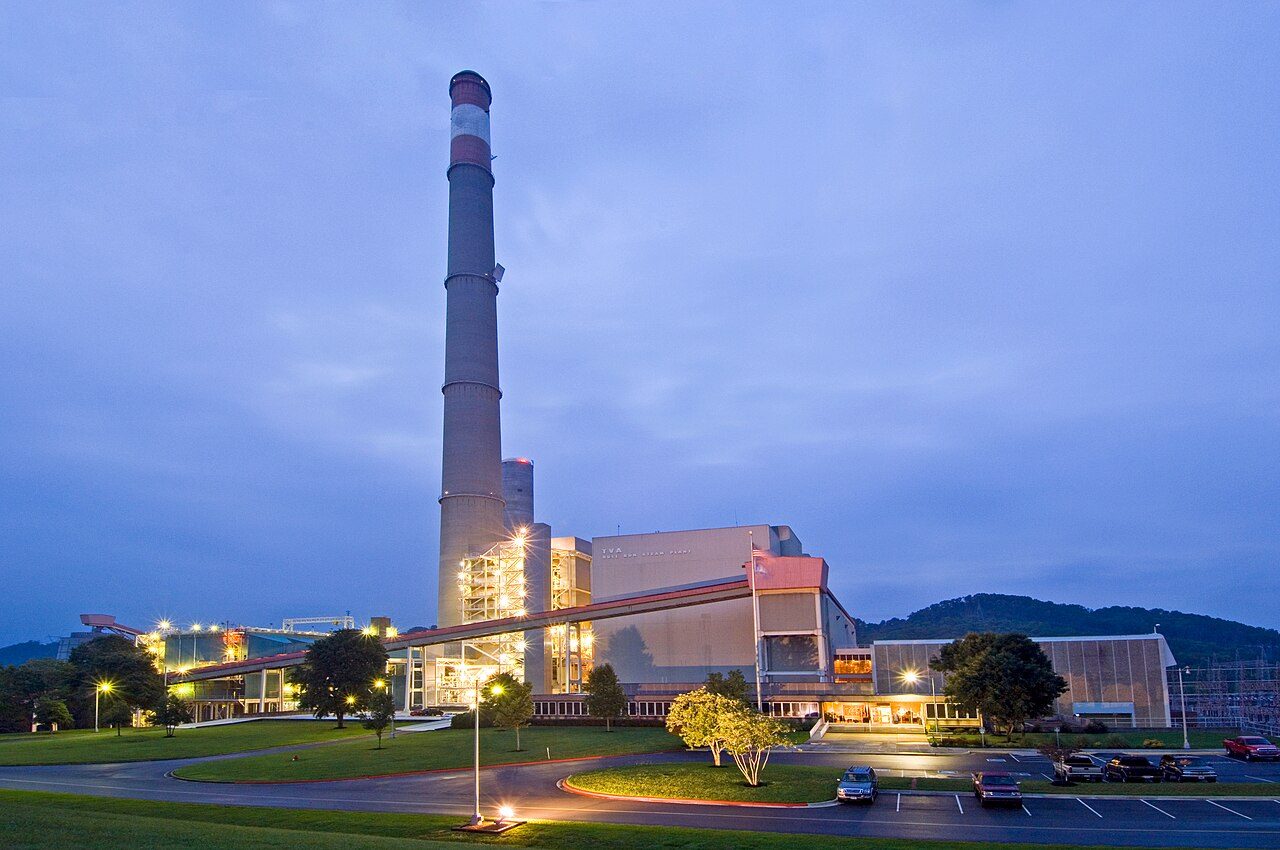
Governor Bill Lee and the Tennessee Department of Environment and Conservation announced the issuance of the state's first fusion-specific byproduct material license on August 31, 2026, granted to Type One Energy in preparation for a commercial fusion project at the Tennessee Valley Authority's Bull Run Energy Complex in Clinton. By the state's account, Tennessee is the first state in the nation to issue a license under a regulatory framework written specifically for nuclear fusion machines. The Knoxville-based company intends to break ground on the first phase of Project Infinity at Bull Run in 2026, the announcement says, and expects a full startup by 2034.
The announcement came at the annual meeting of the Organization of Agreement States in Nashville, a fitting venue. Agreement states are those to which the Nuclear Regulatory Commission has formally relinquished authority over certain nuclear materials, as the NRC's fusion-activities page explains, and fusion landed with them after the NRC's unanimous 2023 decision to regulate fusion machines under the byproduct-materials framework, the same scheme that covers particle accelerators and nuclear medicine facilities, per Type One Energy's January release. Tennessee, an agreement state with more than 60 years of experience by its own count, wrote first-in-the-nation fusion-machine rules that took effect on June 9, 2026 as Chapter 0400-20-14.
The January release, dated January 29, 2026, announced the initial license application from Type One Energy, TVA and TDEC; TDEC Commissioner David Salyers said then that the application "lays the groundwork for subsequent submissions." The license announced August 31 is likewise a beginning rather than a finish line: Type One Energy CEO Christofer Mowry called it an "initial fusion machine license" for Project Infinity, and said Tennessee's licensing process "is now the international benchmark" for ensuring fusion power plant safety by design.
Project Infinity proceeds in phases, per the January release: Infinity One, a stellarator prototype paired with a workforce training center, was scheduled at the time for commissioning and startup in 2029, with the Infinity Two commercial plant to follow under a TVA letter of intent that put construction as early as 2028, pending completion of development activities and receipt of approvals. Infinity Two has grown on paper along the way: the January release described a 350 MWe plant, while the state's June and August announcements both forecast 400 MWe.
The host site spent 56 years burning coal. TVA finished Bull Run Fossil Plant in 1967, when the utility's own account of the site says it stood as the world's largest in volume of steam produced, and retired it on December 1, 2023, removing 765 MW from the grid. The NRC's fusion-activities page notes that Infinity One will reuse existing fossil-plant infrastructure, and the state announcement says the campus will host development projects with Oak Ridge National Laboratory, TVA, and the University of Tennessee. A site that shed 765 MW of coal generation is now slated for a 400 MWe fusion plant.
Tennessee is early, but the state-by-state map is already drawn. The NRC's agreement-states rundown lists Commonwealth Fusion Systems operating under Massachusetts oversight for its SPARC tokamak in Devens, with plans for its first grid-scale plant, ARC, in Virginia, another agreement state, and Helion working under Washington's oversight in Everett. Salyers said the Tennessee framework "will serve as a model for other states." The pattern so far spans technologies: the microreactor designs that reached first criticality in the summer of 2026 did so under Department of Energy authorization rather than NRC licenses, as The Duck Curve surveyed in August, and fusion machines are being licensed as materials users at state radiation-control offices rather than as reactors.
Outlook
If the framework travels the way TDEC expects, Virginia is the obvious next test: Commonwealth Fusion Systems has announced its first grid-scale plant there, and the state's agreement-state status puts the licensing question on its desk rather than the NRC's. For Tennessee, the nearer milestones are dated: a Project Infinity groundbreaking in 2026, Infinity Two construction as early as 2028 under TVA's letter of intent, and the subsequent submissions the January application anticipated. Private fusion construction has already started elsewhere: Pacific Fusion broke ground on its Albuquerque campus on August 25, 2026.
⚠ The Outlook extrapolates from the cited state announcement, the timelines in Type One Energy's January 2026 release, and the NRC's summary of fusion activity in agreement states.
Sources
Primary
- Governor Bill Lee, TDEC Announce 1st License For Commercial Fusion · Tennessee Governor's Office / TDEC, republished by Chattanoogan.com
Supporting
- Type One Energy Submits Initial Licensing Application for Tennessee's First Commercial Fusion Project at Bull Run Site · Type One Energy
- Tennessee Powers Up With First-In-The-Nation Fusion Regulations Starting June 9 · Tennessee Department of Environment and Conservation
- Fusion Activities in Agreement States · US Nuclear Regulatory Commission
- The Future at Bull Run · Tennessee Valley Authority
Copies of cited sources are retained where available. If a link no longer resolves, request a copy at contact@theduckcurve.com.