 The Duck Curve
California Legislature passes SB 222 to standardize heat pump permits
Real-time online permits by July 2028, at most one nondiscretionary permit per install, capped fees, and HOA restrictions on swapping gas appliances for electric become unenforceable; Governor Newsom has until September 30 to act, per the author's office.
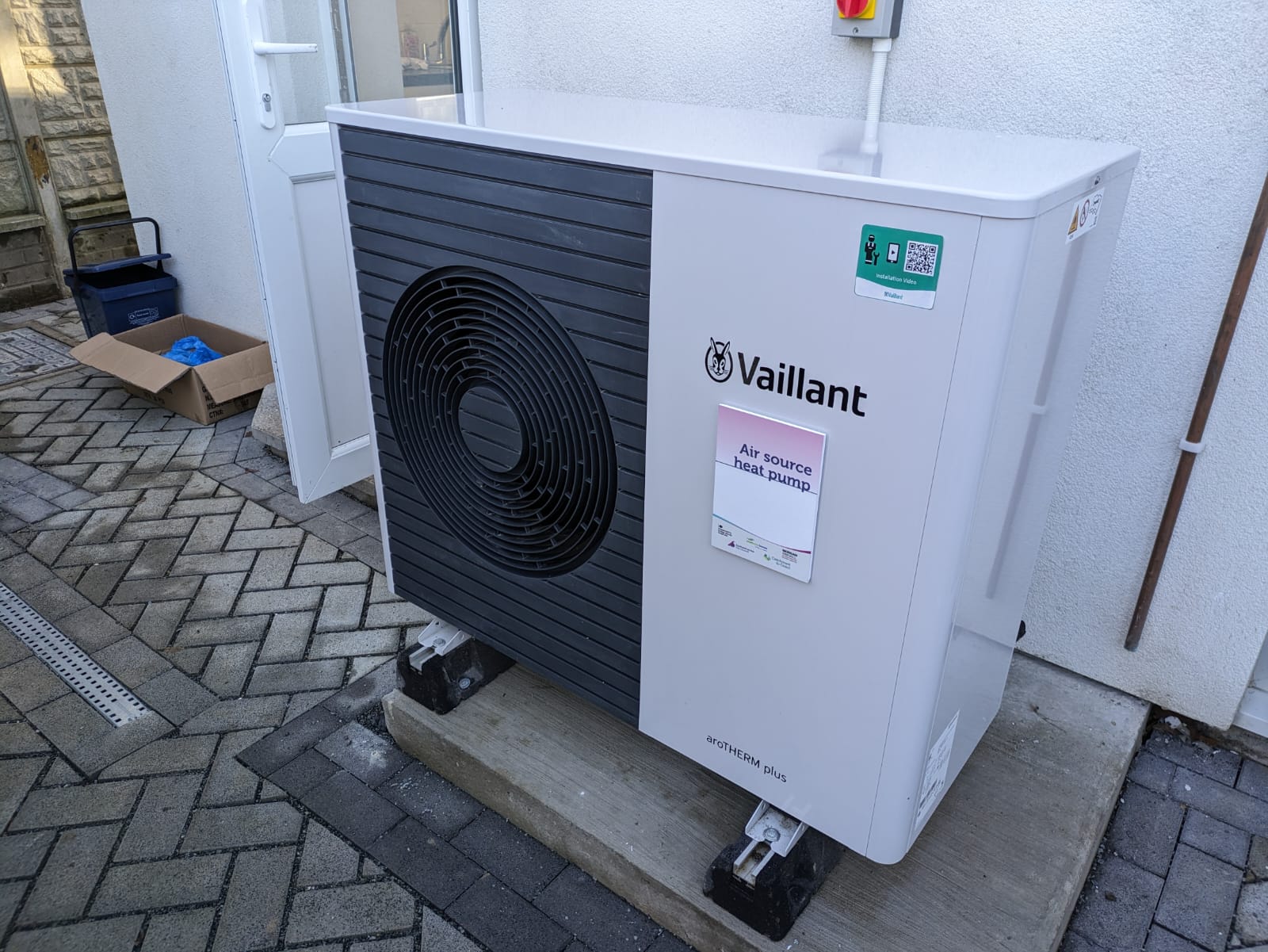
The California Legislature passed SB 222, the Heat Pump Access Act, on August 25, 2026. The Assembly voted 60-8 on August 24 and the Senate concurred in the Assembly's amendments 32-5 the next day, per the Senate's roll call. The bill, authored by state Senator Scott Wiener of San Francisco, standardizes local permitting for residential heat pump water heaters and heat pump HVAC systems statewide; Wiener's office says Governor Gavin Newsom has until September 30 to act on it, and calls the bill the first of its kind in the nation.
One bookkeeping note: the release puts the Senate vote at 26-5, a figure that matches no recorded Senate floor vote on the bill. The concurrence vote was 32-5 and the January 2026 third reading was 29-8. The numbers above are the Legislature's own.
What the bill requires
California has more than 600 jurisdictions with authority to set their own permitting rules, by the count in Wiener's release, and the bill's core move is to make them behave like one. Under the Legislative Counsel's Digest of the bill: beginning July 1, 2027, cities and counties must offer asynchronous inspections, so a licensed contractor and a building inspector no longer need to be present at the same time. By July 1, 2028, they must run an online automated permitting process that issues permits in real time to licensed contractors who certify, under penalty of perjury, that they performed a load calculation to size the new equipment. Jurisdictions may require at most one nondiscretionary permit per installation, permit fees are capped, and plug-in window heat pumps and window air conditioners rated 120 volts or less need no permit or inspection at all. New residential construction is exempt, and the bill declares heat pump permitting a matter of statewide concern, which extends it to charter cities.
HOAs lose the gas-appliance veto
The bill adds Section 4737 to the Civil Code: any provision of a homeowners association's governing documents that prevents replacing a fuel-gas-burning appliance with a code-compliant electric one is void and unenforceable, as is any deed covenant or restriction that effectively blocks installing or using a residential heat pump. Associations may no longer prohibit members from installing or upgrading heat pumps in their own units, with exceptions the statute spells out.
The cost case
The release leans on TECH Clean California data: households save an average of $304 a year switching to a heat pump for space heating and cooling, and $97 a year upgrading from a gas water heater to a heat pump water heater. It also cites estimates that about a quarter of Californians have no air conditioning. "Inconsistent local permitting and avoidable soft costs are adding hundreds of dollars to every installation," said Colleen Corrigan of SPUR, which co-sponsored the bill alongside the Building Decarbonization Coalition and the Bay Area Air Quality Management District. The release ties the bill to Governor Newsom's goal of 6 million heat pumps installed by 2030.
SB 222 extends a pattern The Duck Curve has been tracking: states sanding the administrative friction off home electrification rather than writing new checks. On August 12, Massachusetts swapped surprise solar interconnection upgrade charges for a flat $225 fee. California's version targets the permit counter instead of the utility queue. If Newsom signs, the first compliance deadline lands July 1, 2027, and the real-time permitting mandate follows a year later.
Sources
Primary
- SB-222 Residential heat pump water heater or heat pump HVAC systems (2025-2026) · California Legislative Information
Supporting
- SB-222 Votes · California Legislative Information (leginfo.legislature.ca.gov)
- California Passes Senator Wiener's First-in-the-Nation Bill to Accelerate Heat Pump Approvals, Lower Energy Costs For Households · Office of Senator Scott Wiener
Copies of cited sources are retained where available. If a link no longer resolves, request a copy at contact@theduckcurve.com.