 The Duck Curve
Dutch cabinet plans hybrid heat pump standard for boiler swaps from 2029
A letter to parliament sets out the rule: a tighter efficiency requirement in the Buildings Decree that a boiler alone fails, with apartment buildings, listed monuments and homes soon joining a heat network expected to be left out.
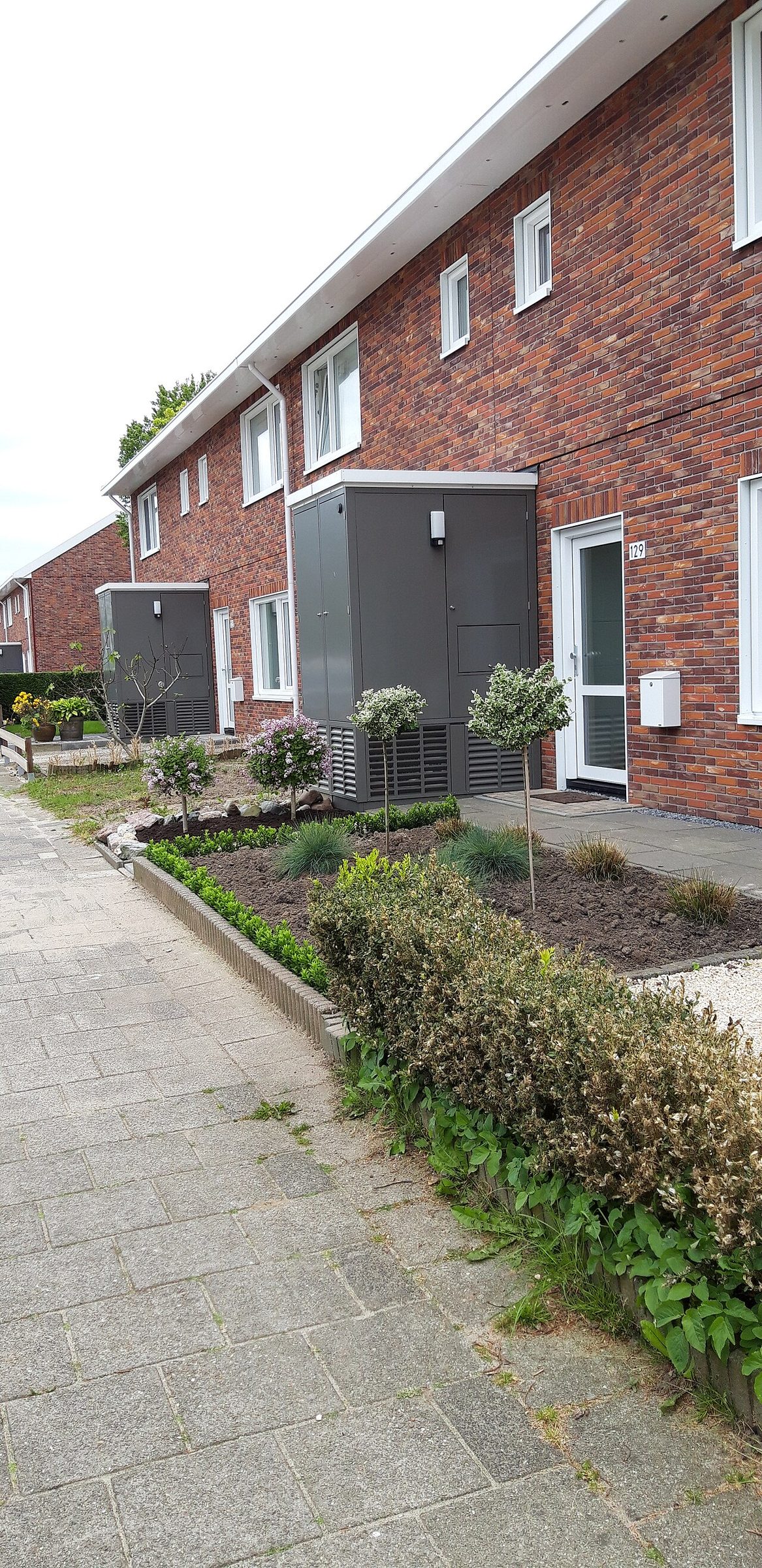
The Dutch cabinet intends to make a smart hybrid heat pump the default replacement for a gas boiler in many homes from 2029. In a letter to the House of Representatives dated October 7, 2026, Housing Minister Elanor Boekholt-O'Sullivan writes that from that year, in many cases, installing only a new central-heating boiler will no longer be enough. The rule would go into the Buildings Decree (Besluit bouwwerken leefomgeving) as a tightening of its existing efficiency requirement for heating installations, set so that a hybrid heat pump meets it.
The 2029 date is not new; the design is. The coalition agreement already committed to stimulating and setting standards for hybrid, smart heat pumps from 2029 where a heat network is not the most suitable option, the letter notes. In recent years more and more households have switched from a boiler to a hybrid or fully electric heat pump, the letter says, but the current pace of replacing boilers with heat pumps is too slow to heat all buildings without natural gas by 2050.
The requirement is technology-neutral. A fully electric heat pump also meets it; heating only with a boiler, infrared panels or an electric heater does not. It applies when a boiler is replaced, which the letter says usually happens at a move, a renovation or the end of the boiler's life, so no working equipment is written off. Where a fully electric heat pump is possible, the letter prefers it, because the cost of the remaining gas use and of the gas connection can then go too.
Three groups are already expected to be left out, because the standard is not desirable for them or not feasible by 2029: homes due to join a heat network in the short term; apartment buildings, where the letter says there is not always room for a unit, noise can be a nuisance and low energy use makes a heat pump less profitable; and listed monuments, where a heat pump needs a permit that may be refused. The cabinet will look at how and when apartments and monuments could come under the standard, and has yet to decide whether to include non-residential buildings such as schools and commercial property. The precise boundary, the letter says, is still being worked out.
2029 is the earliest the standard can start, the letter says, because amending the decree follows a fixed process, and the steps leave little slack. An external study of where a hybrid heat pump is expected to earn back its cost within its lifetime is due in early 2027, and the cabinet's decision in spring 2027 on additional climate measures will shape the standard. Consultation and parliamentary scrutiny of the proposal follow in summer and autumn 2027, with publication of the decree changes foreseen in mid-2028 so the standard can take effect in 2029. The government's announcement says the details are being worked out with landlords, homeowners, installers, manufacturers and municipalities.
The goal has outlasted a cabinet's objection to the rule. NOS reports that the Rutte IV cabinet wanted to make the hybrid heat pump mandatory from 2026, a 2022 plan dropped under the Schoof cabinet. As late as July 11, 2025, the housing minister of the day, Keijzer, told parliament that a proposal in MP Kröger's initiative note to make replacing the boiler with a heat pump mandatory was undesirable, given the cabinet's policy of restraint on standards, and pointed to subsidies and loans. In the same passage she said the cabinet was studying how to ensure that, as far as possible, households switch to a sustainable alternative when their boiler is replaced, making the heat pump the new standard at that moment. The new letter keeps that goal and adds the intended obligation.
The smart part is for the grid
The "smart" half of the standard is there for the power grid. To limit the load on the network and grid congestion, the letter says, the heat pump must be controllable, for example set to heat outside peak moments on the grid or when power prices are low. The rules will build on a Dutch Technical Agreement (NTA) drawn up with the sector and commissioned by the climate minister, and the cabinet is already taking steps to apply it through the ISDE subsidy ahead of the standard.
Standards body NEN published that agreement, NTA 8171, on October 7, 2026, and made it freely available. It sets requirements so that systems from different parties can communicate in a uniform way and respond to signals from the energy system, such as dynamic power prices. NEN says most new heat pumps subsidized through ISDE already have smart functions, and that the agreement supplies the technical uniformity they need to work with other devices and flexibility services.
The hybrid's gas burner does grid work too. The letter says a hybrid can switch to gas on cold winter days, when the grid is often more heavily loaded, and cites research that in most cases a hybrid needs no heavier electricity connection and works on a smaller single-phase one. Britain is writing smartness into appliance rules as well: its draft regulations would require heat pumps to be placed on the market with smart functionality, from October 31, 2028 at the earliest.
The bill
Households get no new money yet. The letter names no new subsidy and expects any supporting policy to be settled in the spring 2027 climate decisions; for now it points to existing support: the ISDE, SVVE and SVOH subsidy schemes, which it says have money available at least through 2030, financing through the Nationaal Warmtefonds, and help from many municipalities. The ISDE pays at least €500 for a heat pump, hybrid or not, with the amount depending on the model, according to RVO, the agency that runs it.
NOS reports the minister acknowledged that the cost left after subsidies, about €6,000 by the broadcaster's estimate, is still a great deal of money for many people, and that she wants to offer interest-free loans. NOS puts a hybrid at easily €8,000 including installation, against €2,000 for a boiler. NL Times reported a €2,000 subsidy per household; neither the letter nor the government's announcement names that figure.
The cabinet's case for the cost is the energy bill. A hybrid lets a household use 65% less gas for heating on average, the letter says, and cuts the home's CO2 emissions by more than 30%, though the saving depends on gas use, home type, insulation and energy prices. It also cites research that, even with the time-dependent network tariffs now before regulator ACM, households with a heat pump will pay less for energy than those heating with a gas boiler. The cabinet calls the hybrid an interim step: it still burns gas, and the letter says it gives owners time between 2030 and 2050 to tackle insulation before going fully gas-free.
Sources
Primary
- Voorgenomen normering slimme, hybride warmtepompen (Kamerbrief, 7 oktober 2026, ref. 2026-0000499978) · Minister van Volkshuisvesting en Ruimtelijke Ordening (via open.overheid.nl)
Supporting
- Kamerstuk 32847, nr. 1376: Brief van de minister van Volkshuisvesting en Ruimtelijke Ordening (11 juli 2025) · Officiële bekendmakingen (Tweede Kamer)
- Kabinet wil burger toch weer aan hybride warmtepomp hebben · NOS
- Slimme en hybride warmtepompen vanaf 2029 de nieuwe standaard · Rijksoverheid
- NTA 8171 voor slimme warmtepompen gepubliceerd · NEN
- Dutch government making hybrid heatpumps mandatory from 2029 · NL Times
- ISDE: Warmtepomp woningeigenaren aanvragen · RVO (Netherlands Enterprise Agency)
Copies of cited sources are retained where available. If a link no longer resolves, request a copy at contact@theduckcurve.com.