 The Duck Curve
#demand flexibility
Dutch cabinet plans hybrid heat pump standard for boiler swaps from 2029
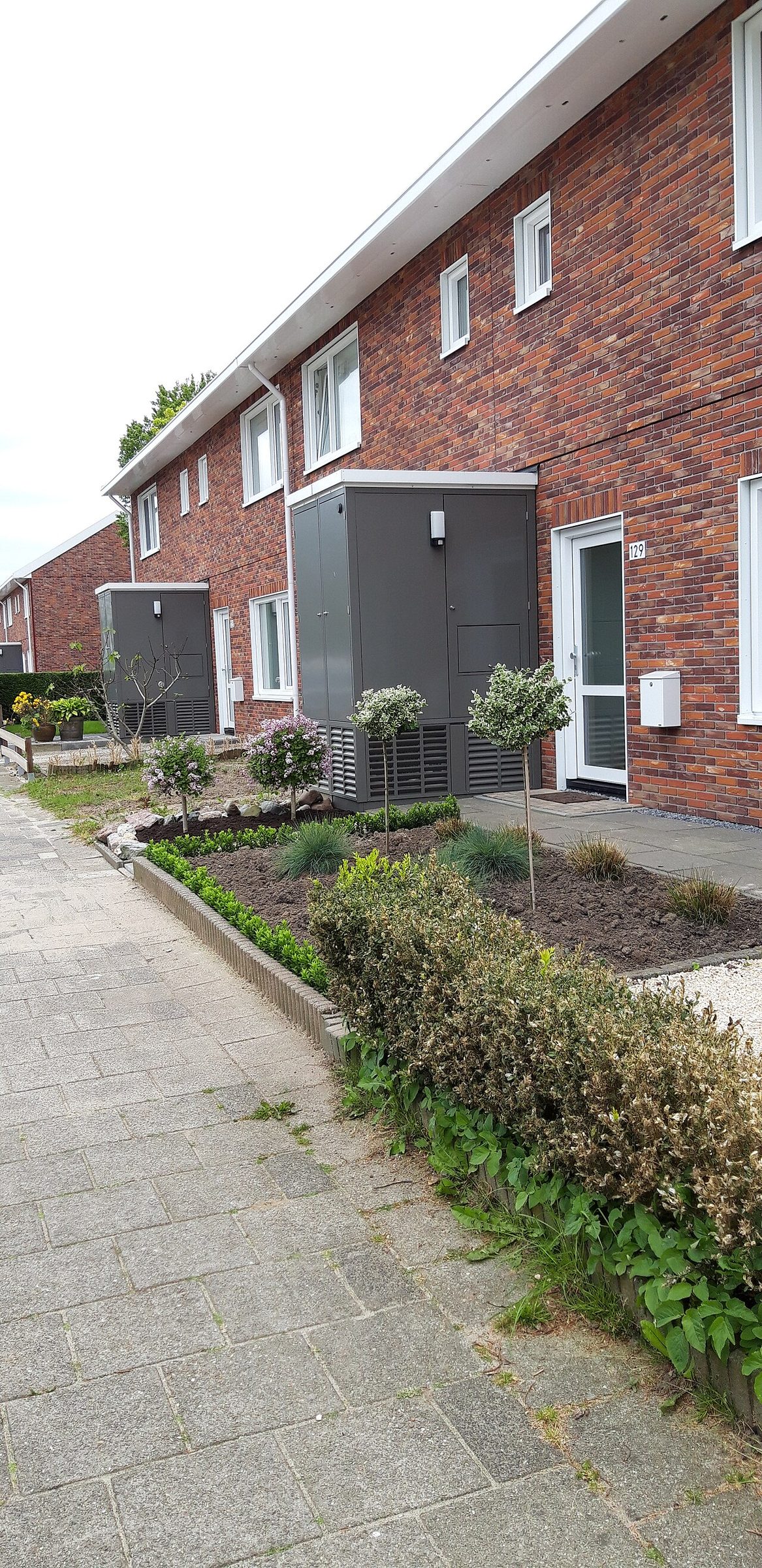
Dutch Housing Minister Elanor Boekholt-O'Sullivan told parliament on October 7, 2026 that the cabinet intends, from 2029, to make a smart hybrid heat pump or a more efficient system the standard in many cases when a gas boiler is replaced, through a tightened efficiency requirement in the Buildings Decree. Apartment buildings, listed monuments and homes soon joining a heat network are expected to be left out, and publication of the decree changes is foreseen for mid-2028.
Renew Home, now Everyday Electric, buys connected-car platform Smartcar
Renew Home renamed itself Everyday Electric on October 6, 2026, introduced a whole-home Everyday VPP with HVAC, EV, EVSE, storage and solar OEM partners, and said it acquired connected-vehicle platform Smartcar for managed charging in utility programs, without disclosing terms. It claims 6+ GW of capacity and a five-year goal of over $5 billion in household savings that counts avoided system costs for all households its energy provider partners serve.
Newsom signs SB 913, a 2028 deadline to count aggregations as grid capacity
Governor Gavin Newsom approved SB 913 on September 30, 2026, and the Secretary of State chaptered it the same day as Chapter 987, Statutes of 2026. The law adds Section 380.1 to the Public Utilities Code: by June 30, 2028, the California Public Utilities Commission, with the California Energy Commission and the Independent System Operator, must enhance existing market-integrated pathways for aggregated distributed energy resources to qualify as resource adequacy capacity. The digest key records no appropriation.

Sunrun and Tesla put the September 9 home-battery dispatch at over 580 MW
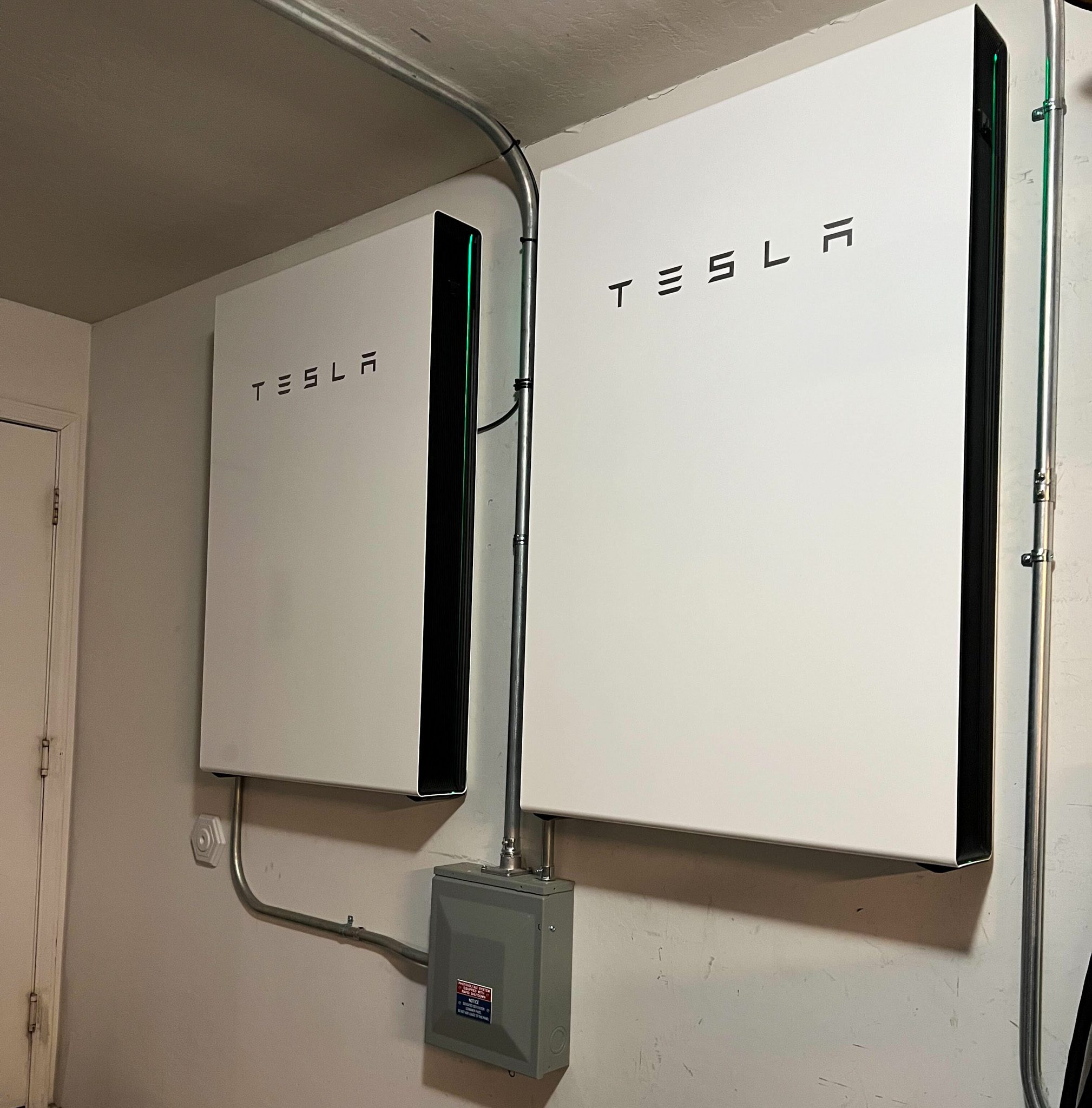
Sunrun and Tesla said on September 21, 2026 that their home battery fleets dispatched more than 580 MW of peak power to California's grid for three hours on the evening of September 9, 2026: 517 MW from Tesla Powerwalls, 110,000 of which participated (55% Sunrun-owned), and 63 MW from what the release calls additional batteries; Sunrun separately dispatched more than 30,000 customer batteries from other manufacturers. The release ties the event to the CEC's DSGS price trigger and a PG&E call under the CPUC's ELRP, and calls it the largest distributed power plant dispatch event on record.
Morgan Stanley's 1GT leads €49M Series E for Amber Electric
Amber Electric said on September 21, 2026 it closed a nearly twice oversubscribed Series E led by 1GT, which Amber calls Morgan Stanley's climate tech fund and Morgan Stanley Investment Management calls its private climate equity strategy, with existing backers ETF Partners, Innovation Victoria and E.ON participating, to scale in Australia and expand across Europe. Amber puts the round at $78.5 million with no currency named; Morgan Stanley's release states €49 million (about US$56.3 million). Amber says it orchestrates more than half of Australia's automated home batteries.
UK pushes electric heating appliance rules to October 2028 at the earliest
The UK Department for Energy Security and Net Zero said on September 17, 2026 that the implementation date for electrical heating appliances under its draft Energy Smart Appliances Regulations will be October 31, 2028 or two years after the regulations are made, whichever is later, subject to final parliamentary approval; the December 2025 consultation had proposed December 31, 2027. The interim response also says the government intends to permit alternative compliance routes for the metering and cyber security requirements. The regulations have not yet been laid before Parliament.
Virgin Islands VPP discharges at 800 kW and 500 kW in two half-hour tests
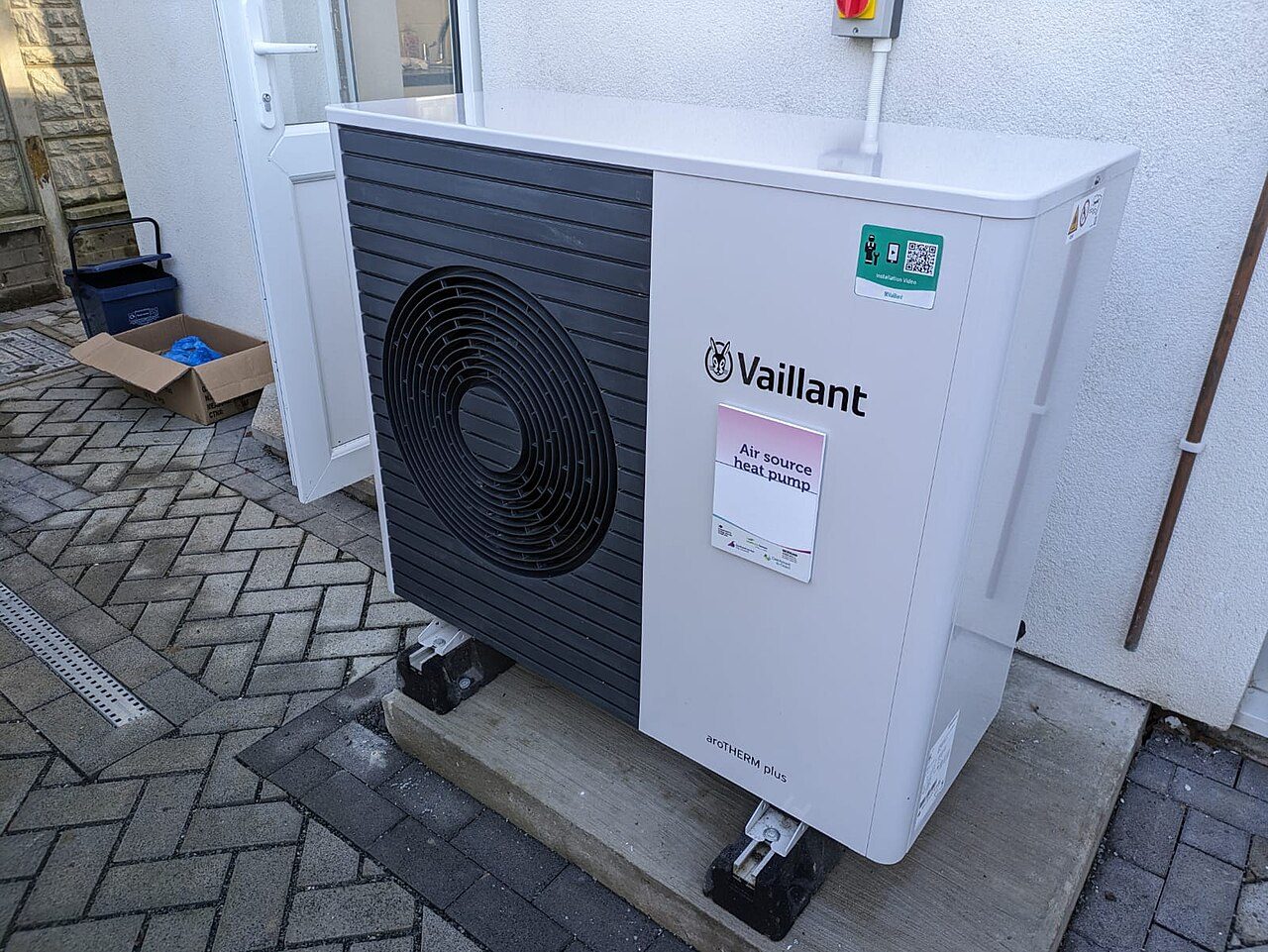
The Virgin Islands Energy Office said on September 16, 2026 that its Tesla-operated VIBES-2.0 virtual power plant ran two half-hour tests on September 11: 190 residential batteries on St. Thomas and St. John discharged at approximately 800 kW and 108 on St. Croix at approximately 500 kW, and VIEO put the combined total at 2.5 MWh without saying how it was measured. It has paid out over $176,000 in participation incentives; its Terms and Conditions set a $500 per battery enrollment incentive and a $500 per battery annual participation incentive, each capped at $2,000 per participant.
Tesla says about 69,000 California homes sent over 500 MW to the grid
Tesla Energy said on X on September 9, 2026 that about 69,000 Powerwall owners across California were dispatching more than 500 MW to the grid during that day's heatwave. The attached screenshot of Tesla's California Virtual Power Plant dashboard showed 105,009 homes in California VPPs, 68,887 homes in a VPP event, and 507 MW of battery power discharging. The dashboard credits Tesla VPPs with the majority of a July 2025 event that delivered over 500 MW, which a Brattle Group report commissioned by Sunrun and Tesla Energy measured as an average 539 MW net-load reduction in a test event.
Virtual power plants in the US
As of October 6, 2026, US virtual power plants are growing through state programs and private capacity deals while FERC Order 2222 market access arrives operator by operator: live at CAISO since November 2024, due at ISO New England November 2026 and at MISO and SPP in 2030.
California budget bill carries no 2027 money for its DSGS home-battery VPP
California's end-of-session budget bill AB 113, passed by the Senate on September 1, 2026 with the Assembly concurring the same day, contains no appropriation for the Demand Side Grid Support program, the California Energy Commission's virtual power plant of home batteries, smart thermostats and demand response that the CEC estimated at 1,145 MW enrolled in April 2026. The bill adds $20 million for the sister Distributed Electricity Backup Assets program; a Senate proposal to shift $70 million of CalSHAPE interest into DSGS was not included, and Advanced Energy United says the program is funded only through the end of 2026.
PG&E launches Google-funded SHARE virtual power plant in the Bay Area
Pacific Gas and Electric Company announced SHARE (Smart Home Assets for Reliability and Efficiency) on September 3, 2026, a virtual power plant proof of concept it says will enroll nearly 21,000 existing home energy devices through Tesla, Sunrun, and Renew Home and deploy new Carrier battery-enabled heat pumps in Alameda and Santa Clara counties, with Google funding customer incentives, technology deployment, and program delivery. PG&E expects the resource to begin supporting the grid as early as fall 2026 and the program to run through 2027; no capacity or dollar figure was disclosed.
Sunrun will supply home battery capacity to Voltus's AI hyperscaler deals
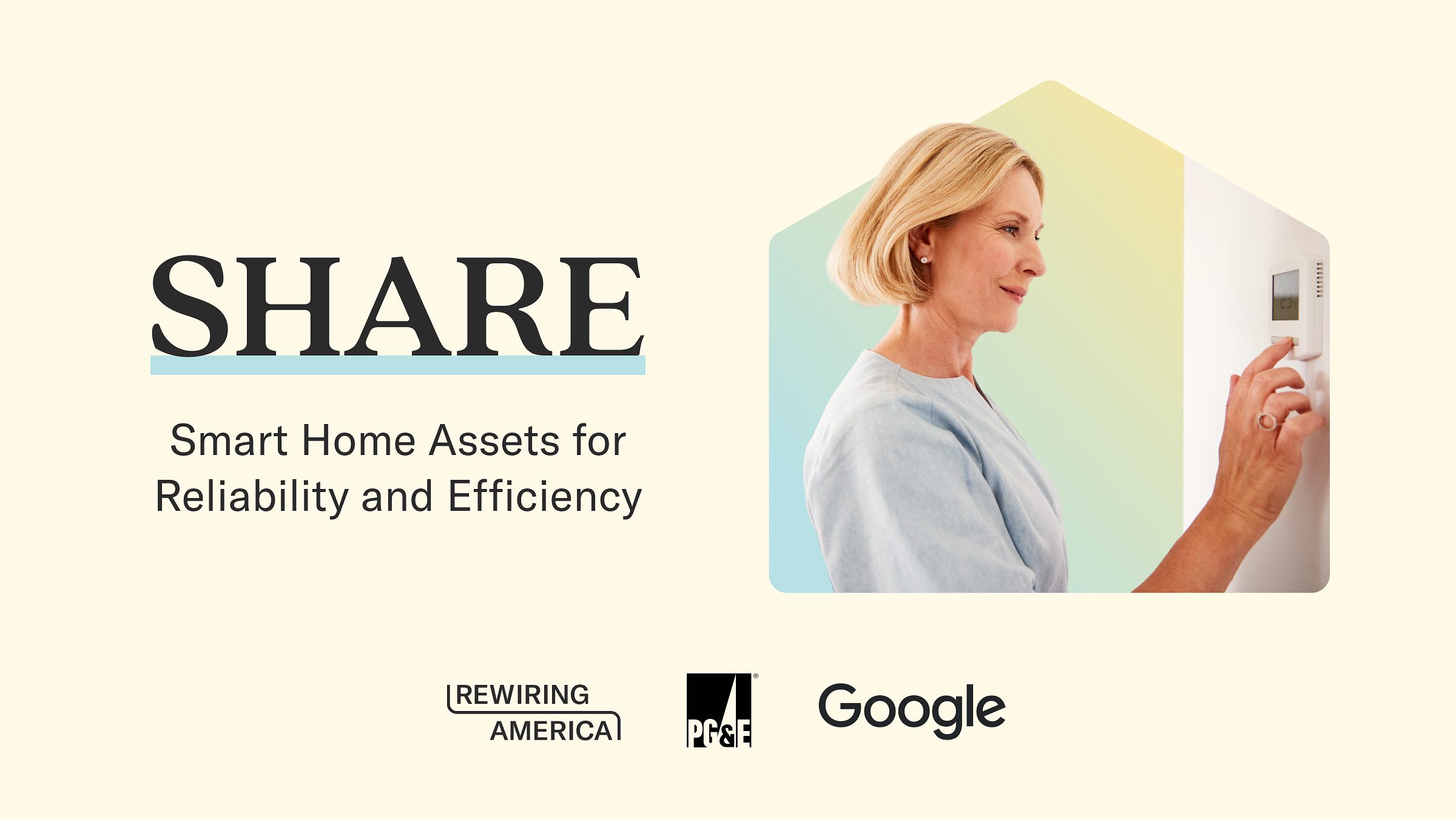
Sunrun announced an agreement on August 17, 2026 to supply capacity from a portion of its residential solar-plus-storage systems in PJM and MISO to Voltus's Bring Your Own Capacity programs for AI hyperscalers. Voltus's first disclosed BYOC buyer was Google, under a June 2026 agreement covering up to 100 MW of distributed resources a year in PJM.
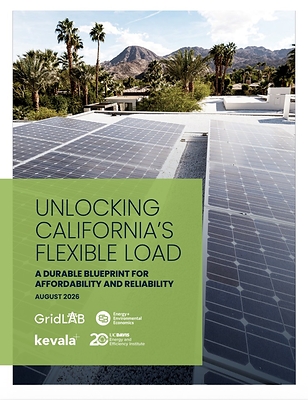
GridLab: V2G could supply 30% of California's utility-scale storage target
A GridLab, Kevala, and E3 report released in August 2026 and announced on August 18 finds that enrolling 10 percent of the 9.7 million light-duty EVs California projects for 2036 in vehicle-to-grid programs could supply 30 percent of the state's cumulative utility-scale storage procurement target, if V2G resources are accredited on a comparable basis with grid-scale storage. The report recommends replacing California's fragmented demand-flexibility programs with standardized products that pay only for measured performance, below verified avoided costs.