 The Duck Curve
Sunrun and Tesla put the September 9 home-battery dispatch at over 580 MW
The joint release counts 110,000 Powerwalls and more than 30,000 other Sunrun batteries, called under the CEC's DSGS program and, in PG&E territory, the CPUC's ELRP, and calls it the largest distributed power plant dispatch event on record.
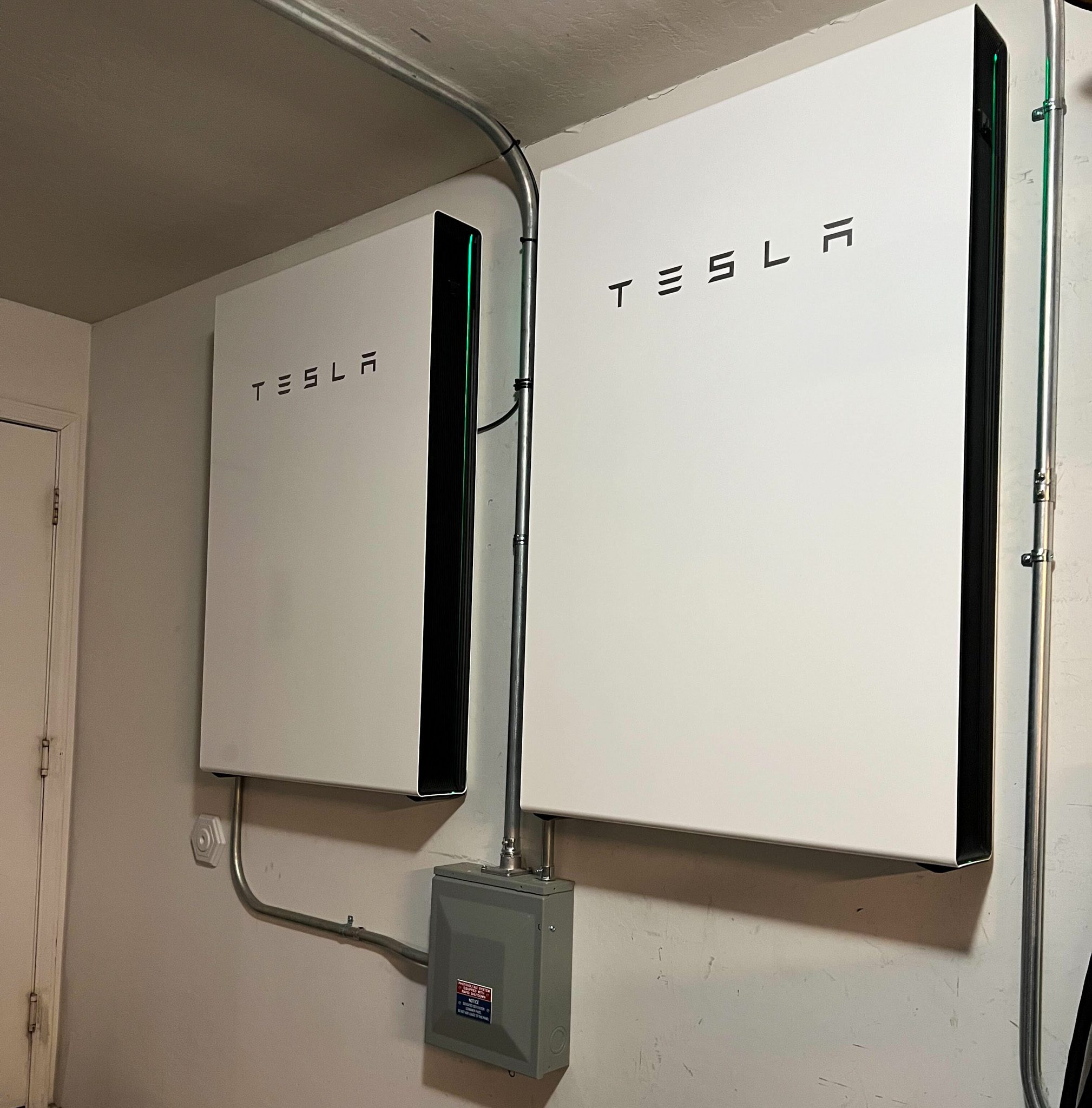
Sunrun and Tesla said in a joint release on September 21, 2026 that their fleets of home batteries dispatched more than 580 MW of peak power to California's grid on the evening of September 9, 2026, over a three-hour window the companies say was called at the request of the California Energy Commission and utilities during a heat wave. The release calls the combined output "the largest distributed power plant dispatch event on record" and says it was enough capacity to power all households in Sacramento County during peak hours.
The release's breakdown adds to 580 MW exactly: 517 MW from Tesla Powerwalls and 63 MW from what it calls additional batteries. It says 110,000 Powerwalls participated, more than half of them (55%) owned and operated by Sunrun, and that Sunrun separately dispatched more than 30,000 of its customers' batteries from other manufacturers. The participating batteries were located statewide, in all three investor-owned utilities' service territories, per the release. Sunrun CEO Mary Powell is quoted saying the company's distributed home batteries "are operating at a scale larger than many peaker power plants combined."
The Duck Curve covered the event on September 12, 2026 from a Tesla Energy post on X at 7:26 p.m. Pacific time on September 9 that said about 69,000 Powerwall owners across California were dispatching more than 500 MW, with a dashboard screenshot, live as of 7:17 p.m., showing 68,887 homes in a virtual power plant event and 507 MW discharging. The dashboard's caption named DSGS and ELRP as programs the California fleet supports, but the post gave no duration, no energy figure, and no word on which program called the event. The joint release supplies the duration and says which program triggered which dispatch, and still gives no energy figure in megawatt-hours. The two documents also count different things: the dashboard counted homes, the release counts batteries, and the release does not say how many homes its 110,000 Powerwalls and 30,000-plus other batteries sit in.
The release names two programs. The CEC's Demand Side Grid Support program called its event because, the release says, the California Independent System Operator's day-ahead locational marginal price exceeded $200 per megawatt-hour. That matches the storage virtual power plant option (Option 3) in the CEC's DSGS Program Guidelines, Fifth Edition, approved at the commission's April 27, 2026 business meeting, which sets an "Absolute Price Trigger" for day-ahead events at an hourly day-ahead LMP "greater than or equal to $200/MWh," defined per aggregation as the CAISO day-ahead hourly LMP for the default load aggregation point of the host utility, and allows events only between 4:00 p.m. and 9:00 p.m. It is one of two day-ahead criteria in the guidelines; the other is an EEA Watch or above called for the following day. The second program, the California Public Utilities Commission's Emergency Load Reduction Program, was, per the release, "an event called to coincide with the heat wave" by Pacific Gas and Electric Company for batteries in its territory. The CPUC's ELRP page says the program "is called upon only as a last resort during an emergency grid situation issued by the California Independent System Operator (CAISO)," and that the utilities call an event only after a declaration under CAISO's Energy Emergency Alert process "or a CAISO-issued Flex Alert in some cases"; the release does not say which CAISO declaration, if any, preceded PG&E's call. The page says the pilot continues each year through 2027 "with the exception of residential Power Saver Rewards which will sunset at the conclusion of the 2025 ELRP program year"; its eligibility list for customers not already in a demand response program includes customers with exporting distributed energy resources and "Aggregators of Virtual Power Plants," and neither the page nor the release says under which offering the September 9 batteries were dispatched.
The release also reports a second, smaller event. Southern California Edison, whose ELRP-enrolled batteries in the two fleets were not dispatched on September 9, requested a three-hour dispatch during peak hours on September 10, and the companies say they delivered more than 140 MW. Had both events fallen on one night, the release says, Sunrun and Tesla "would have had the ability to deliver over 720 megawatts in a single dispatch."
The program's funding, its economics, and the buyers lined up after it
DSGS, the program whose price trigger called the larger event, has a short budget horizon. Advanced Energy United said on August 29, 2026 that DSGS "is currently funded only through the end of 2026," and California's budget bill AB 113, which passed on September 1, 2026 with no DSGS appropriation, did not change that. The guidelines' preface says the program has grown to "over 448,000 participants and an estimated 1,145 MW enrolled" across four participation options. The storage VPP chapter makes $19.5 million available for the 2026 season's performance-based capacity payments, rising to as much as $42.7 million "if additional funding becomes available through the 2026-2027 budget process," and limits 2026 storage VPP participation, except for aggregators of bidirectional EV chargers, to aggregators that took part in October 2025.
The companies' own case for the program is the Brattle Group report they commissioned, announced August 18, 2025, which the Sunrun release restates as "up to $206 million in net cost savings to Californians by 2028." The Brattle release put it as net system cost savings "between $28 million and $206 million" from 2025 to 2028, with the program "projected to nearly double in capacity by 2028." The "up to $206 million" framing is the Brattle release's own lede; the $28 million floor sits two paragraphs later.
The release ties the event to two other threads. It calls the dispatch "a strong proof point" for the initiative Sunrun, Tesla, and Renew Home announced on June 24, 2026, which it now describes as unlocking "more than 16.8 gigawatts" of flexible capacity; the June release itself said "more than 16 gigawatts." And it says the three companies will enroll nearly 21,000 existing flexible energy devices into a Google-funded distributed power plant with PG&E, which the release expects to begin supporting the grid as early as fall 2026: the SHARE proof of concept that PG&E announced on September 3, 2026. Whether such fleets get a formal buyer as resource adequacy capacity is the question in SB 913, which would require the CPUC, with the CEC and the ISO, to enhance existing market-integrated pathways for aggregated distributed energy resources to qualify as resource adequacy capacity on or before June 30, 2028; its bill history shows it enrolled and presented to the Governor on September 2, 2026, with no later action listed as of September 22, 2026.
Sources
Primary
- Sunrun and Tesla Dispatch 580 Megawatts To California's Grid During Heat Wave, Marking Largest Residential Distributed Power Plant Event In History · Sunrun Inc. (GlobeNewswire distribution)
Supporting
- Emergency Load Reduction Program · California Public Utilities Commission
- Brattle Report Finds California's Distributed Power Plant Program Could Deliver Hundreds of Millions in Cost Savings While Supporting Grid Reliability · The Brattle Group via PR Newswire
- Demand Side Grid Support (DSGS) Program Guidelines, Fifth Edition (CEC-300-2026-001-CMF) · California Energy Commission
- Sunrun, Renew Home, and Tesla Team Up to Deliver More Than 16 Gigawatts of Fast, Flexible Power for Data Centers and Large Loads · Renew Home (joint release with Sunrun and Tesla)
- SB-913 Resource adequacy: aggregated distributed energy resources · California Legislative Information
- California Turns Its Back on Proven Low-Cost Reliability Program · Advanced Energy United
- SB-913 bill history · California Legislative Information
- Tesla Energy (@teslaenergy) on X: ~69,000 Powerwall owners across California are currently dispatching more than 500 MW to the grid · Tesla Energy (official Tesla account on X)
Copies of every cited source are retained. If a link no longer resolves, request a copy at contact@theduckcurve.com.