 The Duck Curve
Sunrun and Tesla home batteries hit 745 MW in California, Sunrun says
The October 5 and 6 dispatches top September's 580 MW, Sunrun says. Tesla's dashboard puts 85,774 participating Powerwall homes at 601 MW of peak power and 932 MWh of output on October 6.
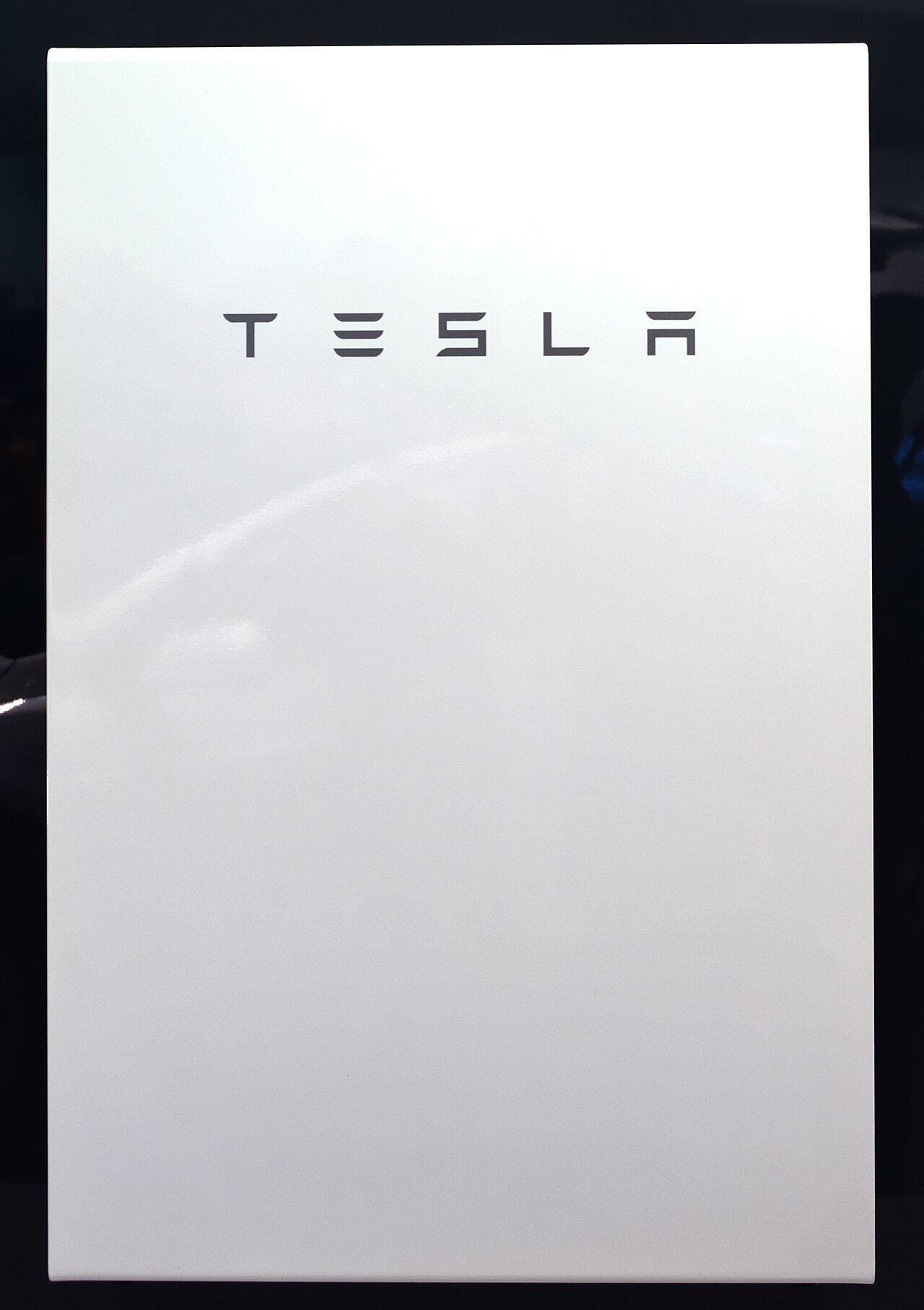
Home batteries run by Sunrun and Tesla delivered 669 MW of peak power to California's grid on the evening of October 5, 2026 and 745 MW on October 6, Sunrun said in a release on October 14. The company calls them the largest residential distributed power plant dispatches in US history, run at the request of the California Energy Commission and utilities during a prolonged heat wave. The previous mark on Sunrun's list lasted less than a month: 580 MW on September 9, which The Duck Curve covered on September 22.
What called the batteries
The October 5 event, per the release, was the first time in 2026 that the CEC's Demand Side Grid Support program (DSGS) and the CPUC's Emergency Load Reduction Program (ELRP) called concurrent dispatches across all participating investor-owned utility service territories. On both evenings, Sunrun says, the DSGS dispatches were triggered after the California Independent System Operator's day-ahead locational marginal price exceeded $200 per megawatt-hour, and the batteries discharged over multi-hour evening peak periods. Sunrun puts the 745 MW at enough to power all households in San Francisco and San Jose combined during peak hours.
That is a change from September. On September 9, the companies' ELRP batteries in Southern California Edison's territory were not dispatched; Edison requested its own three-hour dispatch on September 10, and the companies' September 21 release said that had both events fallen on the same night, they "would have had the ability to deliver over 720 megawatts in a single dispatch." With all territories called together on October 5, the fleets delivered 669 MW. On October 6, 745 MW topped the hypothetical.
The grid was busy both nights. California ISO data put demand at a peak of 46,022 MW at 5:45 p.m. on October 5 and 45,622 MW at 5:00 p.m. on October 6, in five-minute readings. By our arithmetic, 745 MW is about 1.6% of the October 6 peak.
Tesla's count, and Sunrun's record list
The October numbers are bigger than September's and come with less detail. The September release, issued jointly by both companies, broke its 580 MW into 517 MW from Tesla Powerwalls and 63 MW from other batteries and counted 110,000 participating Powerwalls. Sunrun announced the October events alone, and its release gives no split between the companies, no count of the batteries that took part, no event length in hours and no energy figure in megawatt-hours. It does say Sunrun alone has more than 120,000 residential batteries enrolled to support California's grid.
Tesla filled in part of the second night. Tesla Energy posted on X on October 8 that "On Tuesday, 85,000+ Powerwall owners across California dispatched more than 600 MW to the grid, helping to meet peak demand," and called it "a new record for the largest Powerwall VPP event." The dashboard screenshot attached to the post, dated October 6, 2026, shows 85,774 participating homes, 601 MW of participating peak power, 634 MW of total peak power and 932 MWh of participating energy output, with the grid event shaded from 5 p.m. to 8 p.m.
The two counts cannot simply be subtracted. In September, 55% of the participating Powerwalls were owned and operated by Sunrun, and neither the post nor the October release says whether Sunrun's Powerwalls sit inside Tesla's 85,774 homes this time. Tesla's own claim is also narrower than Sunrun's: a record for Powerwall events, not for residential batteries as a class.
The same chart shows the other half of the day. Through the middle of the day the Powerwall fleet was charging, at roughly 200 MW around noon by our reading of the chart, during the solar hours that dig the belly of the duck curve. Its discharge peaked between 6 p.m. and 7 p.m. on the chart, with ISO demand still at 45,356 MW at 6:00 p.m.
Sunrun's release lists four records: 539 MW on July 29, 2025, then 580, 669 and 745 MW. The first entry is a different kind of measurement. When the Brattle Group, in a report commissioned by Sunrun and Tesla Energy, reviewed a July 2025 demonstration event, its August 2025 release quoted the report: "There was a visible reduction in net load, with the average reduction of 539 megawatts representing roughly 1.9% of CAISO's net peak demand during the event." The three later entries are the companies' own figures for peak power delivered. An average reduction seen on the grid and a fleet's peak output are both reasonable numbers; they are not the same number.
DSGS money runs to the end of the season
DSGS called dispatches on both evenings on its price trigger, alongside ELRP on October 5, and the release does not say how the megawatts split between the two programs. DSGS's calendar is short. The CEC's DSGS guidelines, approved on April 27, 2026, run the storage virtual power plant program year from May through October and make $19.5 million available for 2026 storage VPP capacity payments, rising to up to $42.7 million if additional funding comes through the 2026-2027 budget process. Advanced Energy United said on August 29, 2026 that the program is funded only through the end of 2026, and the budget bill AB 113 carried no DSGS appropriation; an earlier trailer bill, SB 168, made 2021 backup-assets money available to the program through June 30, 2027 without stating an amount.
So DSGS called its part of the dispatches Sunrun ranks as the largest on record in the final month of its program year, with, by AEU's account, no funding behind the next one. The longer route runs through resource adequacy: SB 913, signed September 30, 2026, requires the CPUC, with the CEC and the ISO, to enhance existing market-integrated pathways for aggregated distributed energy resources to qualify as resource adequacy capacity by June 30, 2028.
Sunrun CEO Mary Powell framed the events as a cost argument. "Instead of relying solely on costly new power plants to meet peak demand, California is putting existing home battery infrastructure to work when electricity is needed most, and customers are being compensated for helping strengthen grid reliability," she said in the release.
The fleets have one more job lined up. Sunrun, Tesla and Everyday Electric plan to enroll nearly 21,000 existing flexible energy devices in a Google-funded distributed power plant with PG&E focused on the San Jose area, the SHARE pilot, which the release says is expected to begin initial dispatching in October 2026.
Sources
Primary
- Sunrun Leads Record Grid Dispatch Delivering Enough Energy to Power Every Home in San Francisco and San Jose · Sunrun Inc. (GlobeNewswire distribution)
Supporting
- Brattle Report Finds California's Distributed Power Plant Program Could Deliver Hundreds of Millions in Cost Savings While Supporting Grid Reliability · The Brattle Group via PR Newswire
- Demand Side Grid Support (DSGS) Program Guidelines, Fifth Edition (CEC-300-2026-001-CMF) · California Energy Commission
- California Turns Its Back on Proven Low-Cost Reliability Program · Advanced Energy United
- Sunrun and Tesla Dispatch 580 Megawatts To California's Grid During Heat Wave, Marking Largest Residential Distributed Power Plant Event In History · Sunrun Inc. (GlobeNewswire distribution)
- California ISO Today's Outlook demand data, October 5, 2026 · California ISO
- California ISO Today's Outlook demand data, October 6, 2026 · California ISO
- Tesla Energy (@teslaenergy) on X: 85,000+ Powerwall owners across California dispatched more than 600 MW to the grid · Tesla Energy (official Tesla account on X)
Copies of cited sources are retained where available. If a link no longer resolves, request a copy at contact@theduckcurve.com.