 The Duck Curve
#v2g
Renault and EDF plan EV, home charger and V2G bundles for French homes
Renault Group and EDF said on October 8, 2026 that they aim to sell French households an electric vehicle, a home charger installed by IZI by EDF and smart charging management through Renault Group dealers, with bidirectional services for single-family homes, and expect the offers to roll out by summer 2027. They put V2G savings at the equivalent of up to 10,000 km of driving a year but give no prices. Renault launched a V2G offer in France with The Mobility House in 2024.

MiSpeL lets German home batteries mix grid power, on direct-marketing terms
Germany's Bundesnetzagentur adopted the MiSpeL determination on October 1, 2026, letting batteries and bidirectional EV charge points store grid power alongside solar while keeping the EEG market premium on the solar share and levy relief on stored grid power. The premium requires direct marketing, the flat-rate option for arrays up to 30 kWp awaits EU state-aid approval, and until September 30, 2027 use needs grid and meter operator consent.
BYD Sealion 7 joins Amber's ARENA-backed V2G program in Australia
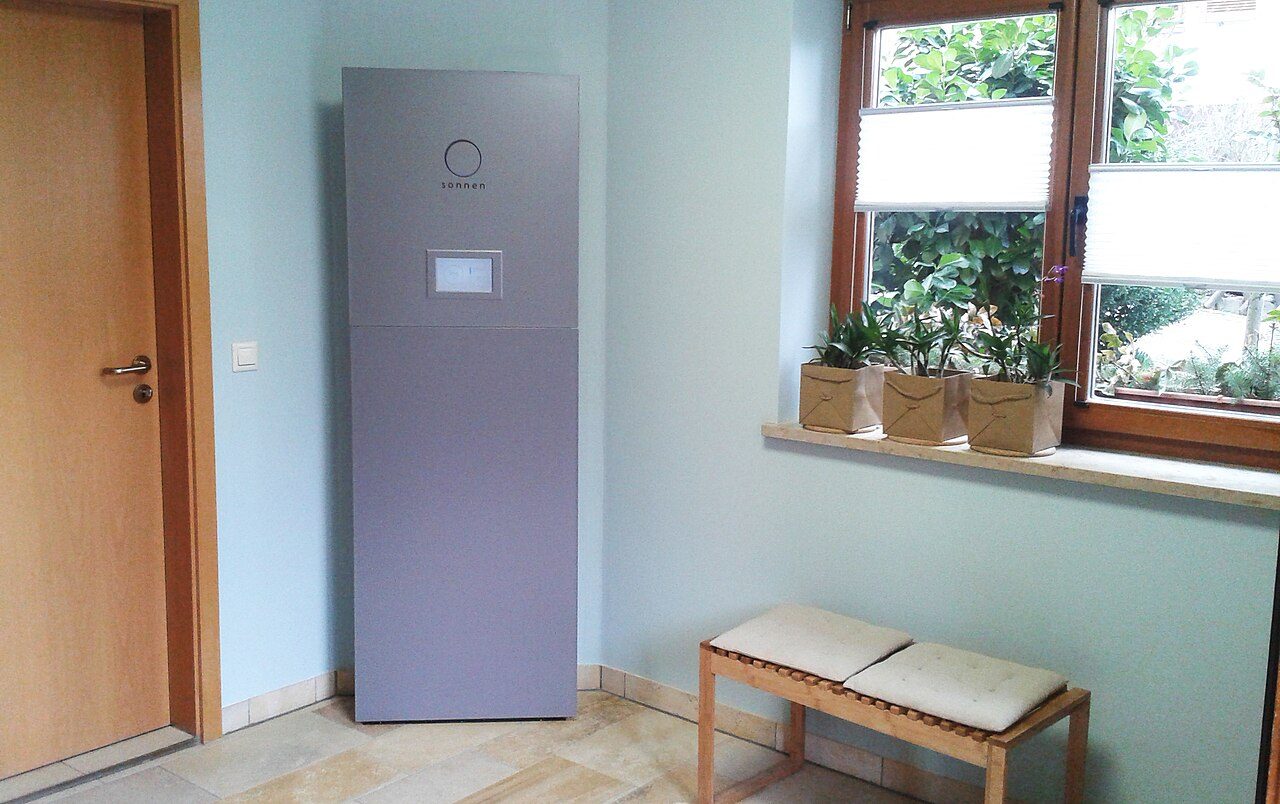
Amber Electric and BYD Australia announced on September 18, 2026 that the Sealion 7 joins Amber's vehicle-to-grid program, which Amber calls Australia's largest live V2G program, scaling to 1,000 households with A$13.6 million more from ARENA (May 29, 2026). The release says Sealion 7 owners in the program will have their EV battery covered under BYD's warranty support and that participants will be able to buy eligible Atto 3 or Sealion 7 variants at six per cent off the base RRP; as of September 20, 2026 the eligibility list and discount offer on Amber's program page name only the Atto 3.
UL Solutions opens V2G certification under new UL 1741 Supplement SC
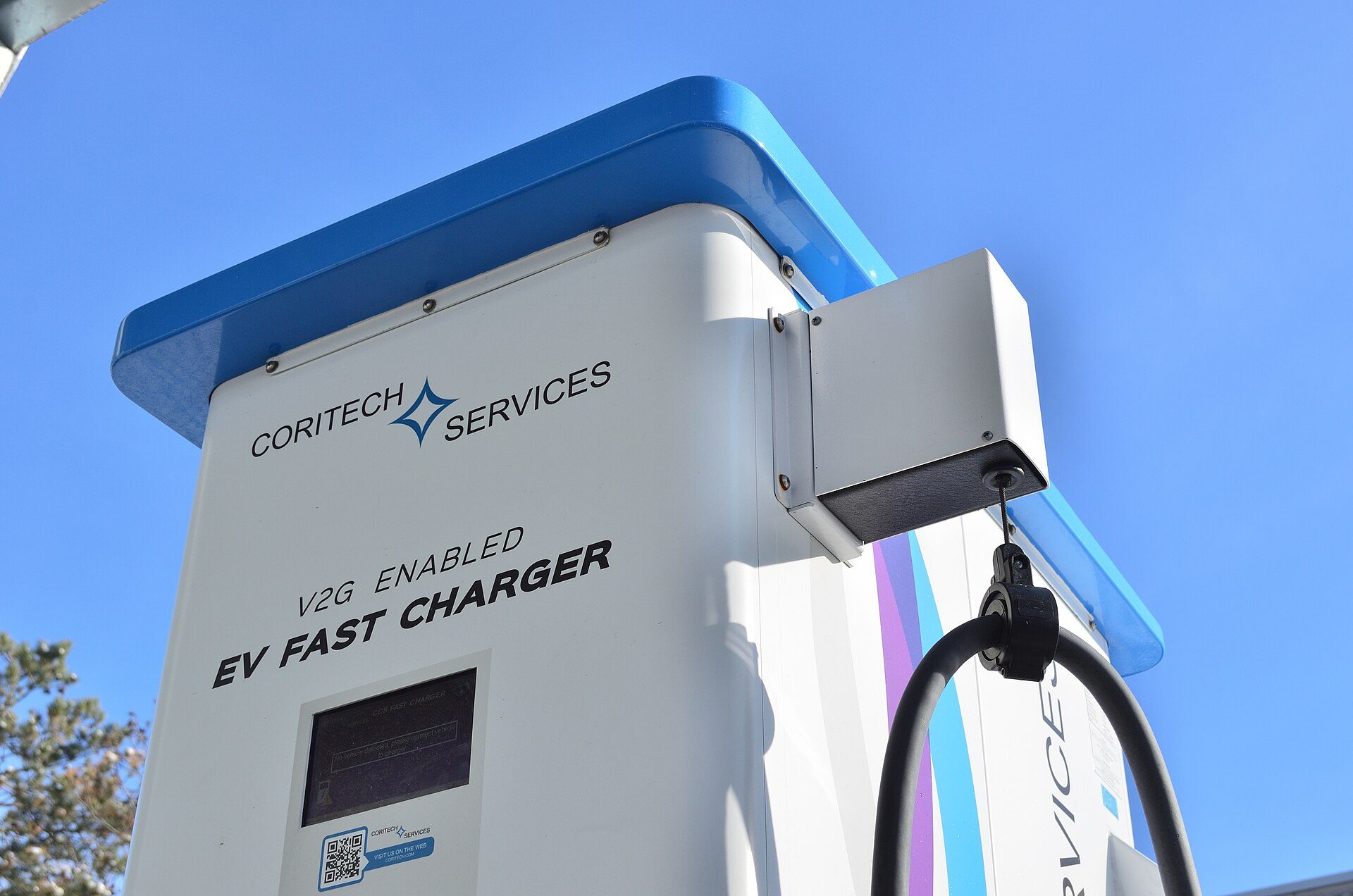
UL Solutions Inc. announced on September 14, 2026 a certification program for vehicle-to-grid equipment: bidirectional EV supply equipment tested to UL 1741 Supplement SC, which the Vehicle-Grid Integration Council says UL Standards & Engagement published on May 21, 2026 for EVs with SAE J3072 onboard inverters, plus a second route pairing UL 1741 multipiece DER requirements with UL 9741. Its borrowed figures: a GM Energy-funded E3 study's 2030 model (V2G 5 to 15 times managed charging per vehicle) and a 2020 EPRI Journal projection (about 90% of EVs will be parked at any given time).
Bruegel: Europe's EVs hold 600 GWh, about ten times its stationary storage
Bruegel's European Clean Tech Atlas, published September 2, 2026, says 60 GWh of stationary battery storage had been connected to the European grid by 2024 and estimates 600 GWh of capacity in the EV fleet. Assuming away physical constraints, it says the stationary fleet could absorb or supply the grid's average output for about a quarter of an hour, and the vehicles, if all connected, hypothetically for almost two hours; SolarPower Europe's June 2026 outlook says 2025's additions took operational stationary capacity beyond 100 GWh.
PG&E expands V2X program to Nissan, Volvo, Polestar, and Kia EVs
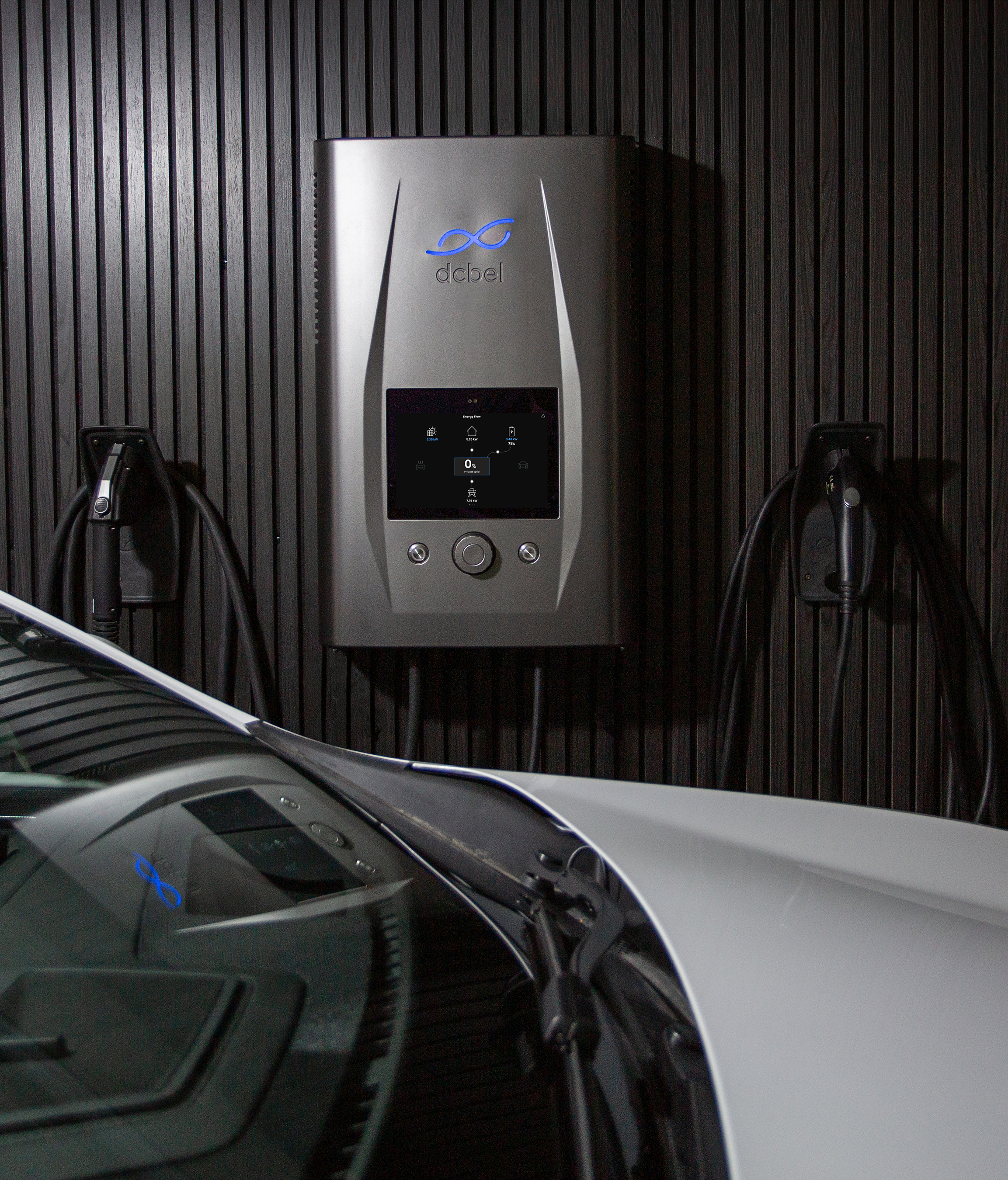
PG&E expanded its Vehicle-to-Everything program on August 24, 2026: the Nissan Leaf, Volvo EX90, and Polestar 3 with dcbel's Ara charger, and the Kia EV9 and EV6 with the Wallbox Quasar 2, are now eligible alongside new partners Bidirectional Energy and PowerFlex. Residential incentives run $2,500 to $4,500, PG&E says the new vehicle-and-charger combinations qualify for up to $13,000 in California Energy Commission grant funding subject to additional eligibility requirements, and enrollment stays open through June 30, 2027.
GridLab: V2G could supply 30% of California's utility-scale storage target
A GridLab, Kevala, and E3 report released in August 2026 and announced on August 18 finds that enrolling 10 percent of the 9.7 million light-duty EVs California projects for 2036 in vehicle-to-grid programs could supply 30 percent of the state's cumulative utility-scale storage procurement target, if V2G resources are accredited on a comparable basis with grid-scale storage. The report recommends replacing California's fragmented demand-flexibility programs with standardized products that pay only for measured performance, below verified avoided costs.