 The Duck Curve
PG&E expands V2X program to Nissan, Volvo, Polestar, and Kia EVs
New partners Bidirectional Energy and PowerFlex bring dcbel Ara and Wallbox Quasar 2 chargers into the bidirectional pilot, which pays up to $4,500 per home.
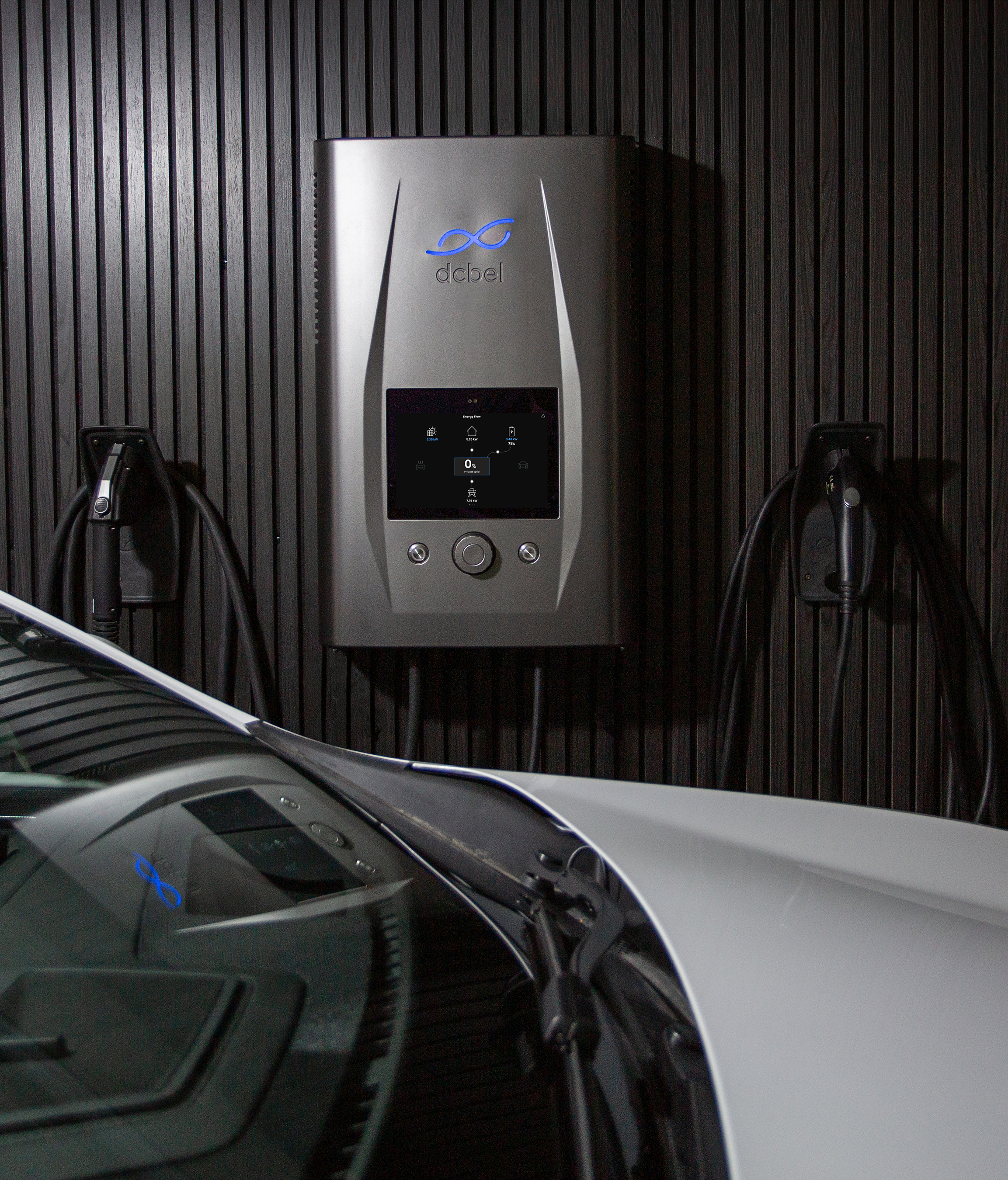
Pacific Gas and Electric Company announced an expansion of its Vehicle-to-Everything (V2X) program on August 24, 2026, adding five vehicle-and-charger combinations: the Nissan Leaf (2018–2025), Volvo EX90 (2025), and Polestar 3 (2025) paired with dcbel's Ara bidirectional charger, and the Kia EV9 (2024 and newer) and Kia EV6 (2025 and newer) paired with the Wallbox Quasar 2. Bidirectional Energy and PowerFlex join as approved partners, and residential customers can enroll through June 30, 2027.
The expansion also adds three General Motors models, the 2027 Chevrolet Bolt and the Cadillac Celestiq and Escalade IQL (both 2025 and newer), to a list that already included Ford, Tesla, Chevrolet, GMC, and Cadillac vehicles. "This expansion is all about choice," said David Almeida, PG&E's director of clean energy transportation, in the release.
What the program pays
V2X participants use a bidirectional charger to draw on the EV's battery for backup power during outages, for managing household energy costs, and for sending power back to the grid during periods of high demand. Residential enrollees get $2,500 upfront, rising to $3,000 for customers in disadvantaged communities, plus a $1,500 Early Adopter Incentive for the first 250 customers to enroll. Commercial customers installing three-phase bidirectional chargers get $2,500 to $5,000 depending on charger size and location. PG&E says the newly added combinations also qualify for up to $13,000 in additional incentives through California Energy Commission grant funding, subject to additional eligibility requirements.
The vendor arithmetic
dcbel followed on August 25, 2026 with its own release marketing the combined stack at up to $18,300 per home: up to $13,800 from the company's CEC-funded California Connected Home Rebate plus up to $4,500 from PG&E. Two footnotes belong on that headline figure. The $4,500 utility maximum requires being both in a disadvantaged community and among the first 250 enrollees; a customer outside a disadvantaged community tops out at $4,000. And the two releases, published a day apart, price the CEC-funded piece $800 apart, with PG&E saying up to $13,000 and dcbel up to $13,800. dcbel also says fewer than 50 rebate spots remain, issued first come, first served.
A pilot next to a 9.7-million-EV question
What a resource like this could add up to was modeled in one scenario of the GridLab, Kevala, and E3 flexible-load blueprint, an August 2026 report announced on August 18, which The Duck Curve covered in its report on the study: enrolling 10 percent of the 9.7 million light-duty EVs the state projects for 2036 in vehicle-to-grid programs could supply 30 percent of California's cumulative utility-scale storage procurement target, if V2G resources are accredited on a comparable basis with grid-scale storage. Set against that arithmetic, a pilot whose early-adopter tranche is 250 households is small. PG&E has worked the commercial side of the same idea with school districts in Fremont, Oakland, and San Francisco, supporting their transition to bidirectionally capable electric school bus fleets, according to the release.
Sources
Primary
- More California EV Owners Can Now Power Their Homes, Save on Energy Costs, and Support the Grid Through PG&E's Expanded Vehicle-to-Everything Program · Pacific Gas and Electric Company
Supporting
- Unlocking California's Flexible Load: A Durable Blueprint for Affordability and Reliability · GridLab, Kevala, and E3
- California homeowners offered up to $18,300 in incentives to increase their home's energy independence · dcbel Inc.
Copies of cited sources are retained where available. If a link no longer resolves, request a copy at contact@theduckcurve.com.