 The Duck Curve
Bay Area Air District delays zero-NOx water heater rule to 2028
The November 4 amendments to Rule 9-6 exempt low-income owners and homes with space or electrical limits and give multifamily and large units until 2033; staff say about half the 2023 rule's projected cuts are potentially exempt.
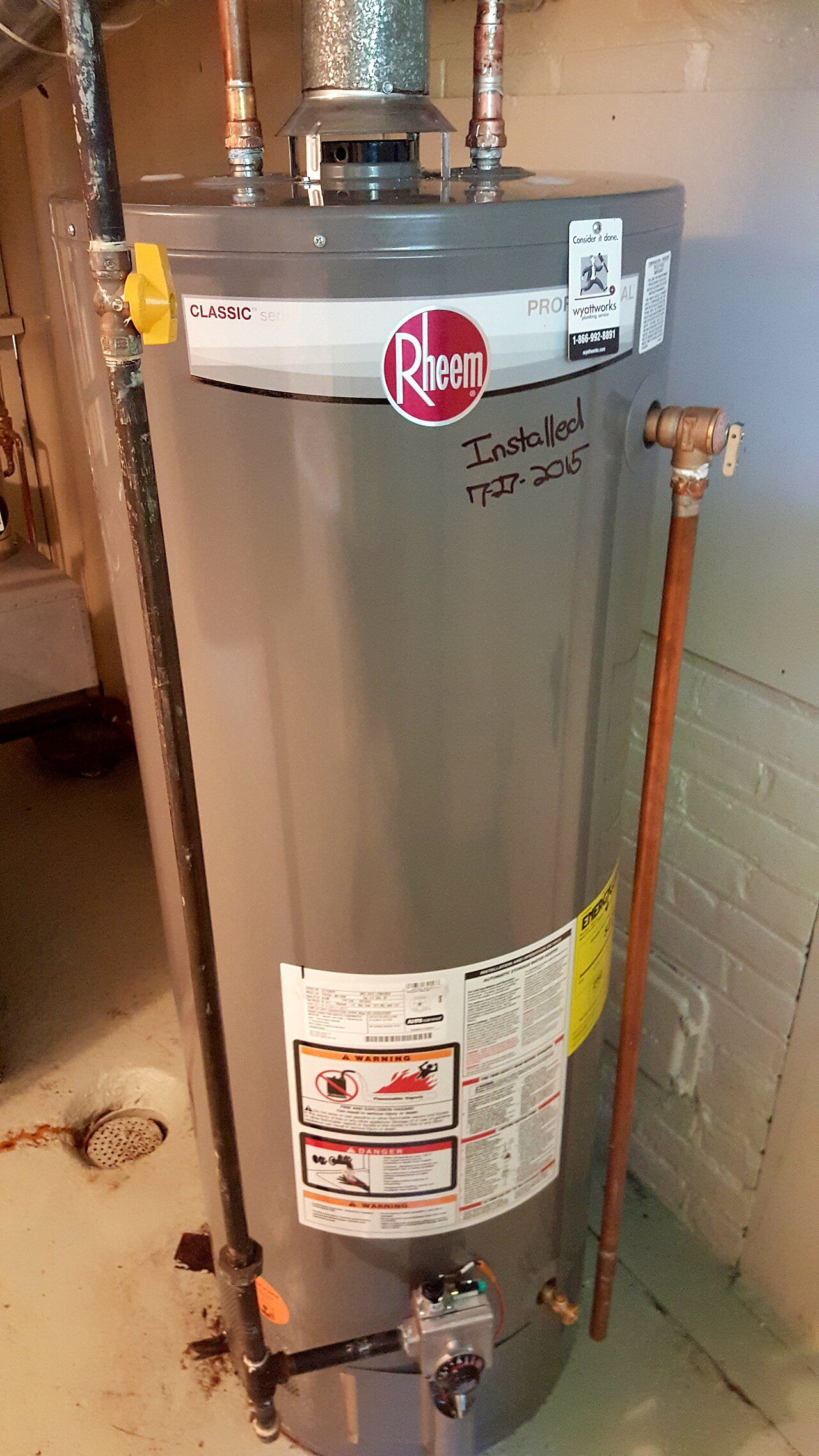
The Bay Area Air District's Board of Directors voted on November 4, 2026 to amend Rule 9-6, moving the region's zero-NOx standard for residential water heaters from January 2027 to January 2028 and adding exemptions for low-income property owners and for properties where electrical or space constraints make the switch especially difficult, the district announced. The standard bites only at the moment of replacement: it applies when an owner replaces an existing water heater, does not require anyone to remove a working one, and does not touch stoves, dryers or fireplaces. Water heaters of 30 gallons or less and mobile home water heaters are not required to comply.
The rule is technology-neutral, but staff know of no commercially available gas-fired water heater that can reliably meet the standard across the covered applications, per the final staff report. For most homes it is a heat pump rule. In most scenarios, a staff cost memo to the board says, the most energy- and cost-efficient compliant unit will be a heat pump water heater.
The board raised "real questions about cost and implementation" in May, Board Chair Lynda Hopkins said in the release, and staff came back with the package adopted on November 4. "This decision protects public health and respects what households can manage," she said. May itself took two sittings: the May 6 board meeting ended early for loss of quorum and was continued on May 13, per the district's rule development page.
Who is exempt, and for how long
The release's headline list of exemption categories:
- Low-income property owners: those earning less than 80 percent of area median income, including participants in programs such as Medi-Cal or CalFresh, or households paying more than 28 percent of their income toward mortgage and property taxes. (The staff report says "at or below" 80 percent and "at least" 28 percent.)
- Space-constrained properties without enough room or ventilation for a compliant unit.
- Properties with electrical limitations, such as panels below 100 amps, insufficient panel capacity, or a need to run electrical lines more than 50 feet.
Staff's framework also has pathways for high-hot-water-demand businesses, hydronic systems, multifamily and deed-restricted affordable housing, temporary emergency replacement loaners and certain wholesale transactions. Both the low-income and site-constraint exemptions require an Air District exemption certificate before installation, per the staff report. The low-income exemption is available to any owner who qualifies when applying, regardless of earlier exemptions, and housing-cost status is self-attested. The space and electrical exemptions are one-time: a single use per property address regardless of ownership changes, existing buildings only. Staff expect a replacement unit to last an average of 13 years, time in which the barriers should shrink, so a gas water heater installed under one of them buys that address, on average, about 13 more years of gas.
For the failure nobody schedules, the release adds allowances for temporary emergency installations: under the staff report, a licensed contractor may install a temporary gas water heater when an existing unit fails and a compliant one cannot go in immediately; it must be removed within 12 months or replaced with, or approved under, a qualifying exemption.
Larger and harder cases get until January 1, 2033, which the release applies to water heaters in multifamily buildings and deed-restricted affordable housing, and to product categories "such as hydronic units, specialized high heat uses, and large water heaters." The staff report counts multifamily as five or more dwelling units and moves the zero-NOx date for water heaters and boilers above 75,000 and up to 2,000,000 BTU per hour from January 1, 2031 to January 1, 2033.
What the delay and exemptions cost in NOx
The rule's case is a health case: Air District analysis found that pollution from gas-fired water heaters and furnaces causes as many as 85 premature deaths and 15,000 asthma attacks in the Bay Area each year, per the release. Under the 2023 dates, Rule 9-6 was projected to cut NOx by 142 tons a year in 2030; under the 2028 and 2033 dates it is 106 tons, about a quarter less by our arithmetic. The two converge at 575 tons by 2045.
The exemptions reach further. Staff estimate that 19.8 percent of Bay Area households fall under the low-income and housing-cost exemption, 20 percent under the project-constraint exemptions, and 10 percent under continued sales of units 30 gallons and below. Calling those estimates conservative and noting that the categories may overlap, staff conclude that about half of the emissions reductions initially estimated for Rule 9-6 as adopted in 2023 are potentially exempt.
Staff also modeled a January 2029 date, which would have cut the 2030 reduction to 71 tons, and advised against going past 2029. Rule 9-4, the companion furnace rule, has 2029 deadlines, and the EPA may designate the Bay Area nonattainment for the 2024 annual PM2.5 standard; a later date, staff wrote, risks confusion with the furnace deadlines and may create a need for additional rulemaking on other sources and industries.
What a heat pump water heater costs
A heat pump water heater installed through Bay Area incentive programs from 2019 to 2023 cost an average of $7,071 up front, and $3,496 more than replacing a gas tank with another gas tank, according to a 2024 district analysis of over four thousand projects that anchors the cost memo. Newer contractor bids from the TECH Clean California incremental cost study ran higher, averaging $9,821 total in its 2025 round, but gas tank replacements rose too, to $4,264 in 2024 and $4,300 in 2025. The incremental figure in that round was $3,174, and staff consider their $3,496 generally aligned. Both appliances got more expensive, by similar proportions, so the gap held roughly steady.
The staff report cites a socioeconomic analysis by Eastern Research Group estimating annualized net compliance costs of about $372.8 million for households after utility bill savings and exemptions, $97.9 million a year less than under the 2023 rule.
The paperwork is getting cheaper under state law. California's SB 222 requires asynchronous inspections statewide by July 1, 2027 and, with exceptions, caps the permit fee for a residential heat pump water heater at $150. Rebates are moving the other way to the south: South Coast AQMD's GO ZERO Phase 2 cut its single-family heat pump water heater rebate from $1,000 to $500.
Outlook
The compliance date is now January 1, 2028, and the exemption certificate process the staff report describes has to be running before then; the district says it intends that process to avoid delays, particularly in emergency replacements. The district's rule development page says the second phase of its implementation working group was to focus on Rule 9-4 and its 2029 compliance date. When hydronic heater makers asked to align their date with the furnace rule, staff pointed stakeholders to that review and its "potential future amendments". If it follows the water heater path, a flexibility package for furnaces is a plausible next step.
⚠ The Outlook extrapolates from the Air District's final staff report (the exemption certificate process and the 2029 furnace deadline cited against a later water heater date, plus staff's reference to potential future Rule 9-4 amendments) and the district's rule development page (the working group's planned focus on Rule 9-4). The district has not proposed furnace rule amendments; the furnace scenario is our inference.
Sources
Primary
- Air District Board of Directors adopts water heater rule amendments and delays implementation to January 2028 · Bay Area Air District
Supporting
- Informational Update: Small Water Heater Incremental and Total Upfront Costs, 2024 Report Compared with More Recent Research · Bay Area Air District
- Proposed Amendments to Rule 9-6: Final Staff Report (October 2026) · Bay Area Air District
- Rules 9-4 and 9-6 Building Appliances · Bay Area Air District
Copies of cited sources are retained where available. If a link no longer resolves, request a copy at contact@theduckcurve.com.