The Duck Curve
Home Energy
Rooftop solar, home batteries, heat pumps, and the rates and programs that decide what they are worth.
RSS feed for Home Energy →Grid batteries topped gas at the NEM evening peak in Q3, AEMO says
AEMO's Quarterly Energy Dynamics Q3 2026, released October 23, says grid-scale batteries in the National Electricity Market discharged 10.9 GWh a day on average in the 4pm to 9pm peak, 8.0% of evening-peak generation against gas-fired generation's 5.1%, a first for any quarter. Batteries set the spot price in 48% of dispatch intervals, average wholesale prices fell 27% to A$63/MWh, and operational demand hit an all-time low of 9,422 MW on September 20.
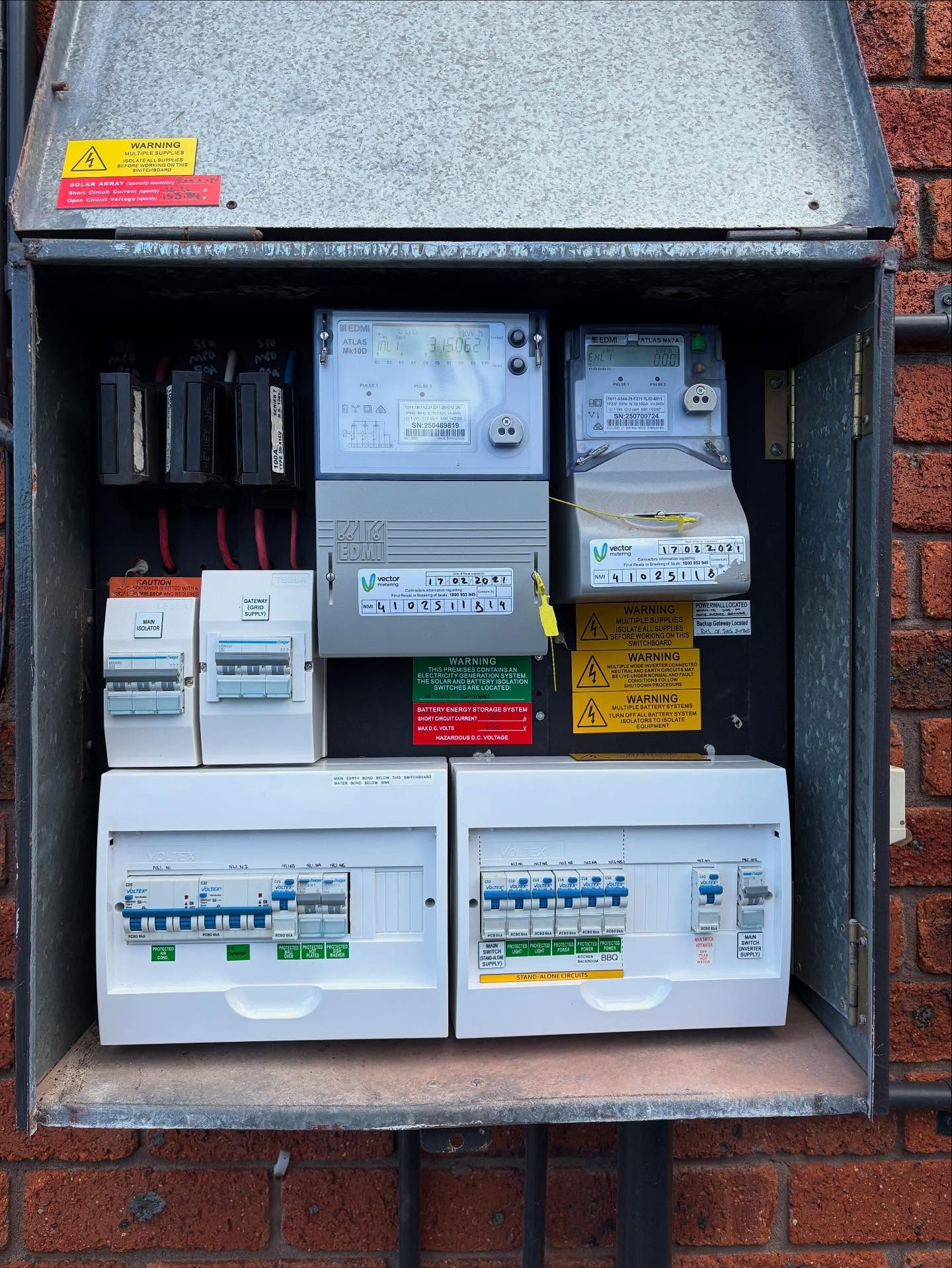
NeoVolta's home battery fund, Transaera's DC apartment test, Pascal's $9.3M
NeoVolta launched a $40 million third-party-ownership platform for about 700 home battery and solar-plus-storage projects; Transaera will test its metal-organic-framework heat pump beside a conventional system in a Washington, D.C., apartment building; and Pascal raised $9.3 million for solid-refrigerant cooling, starting with beverage coolers.
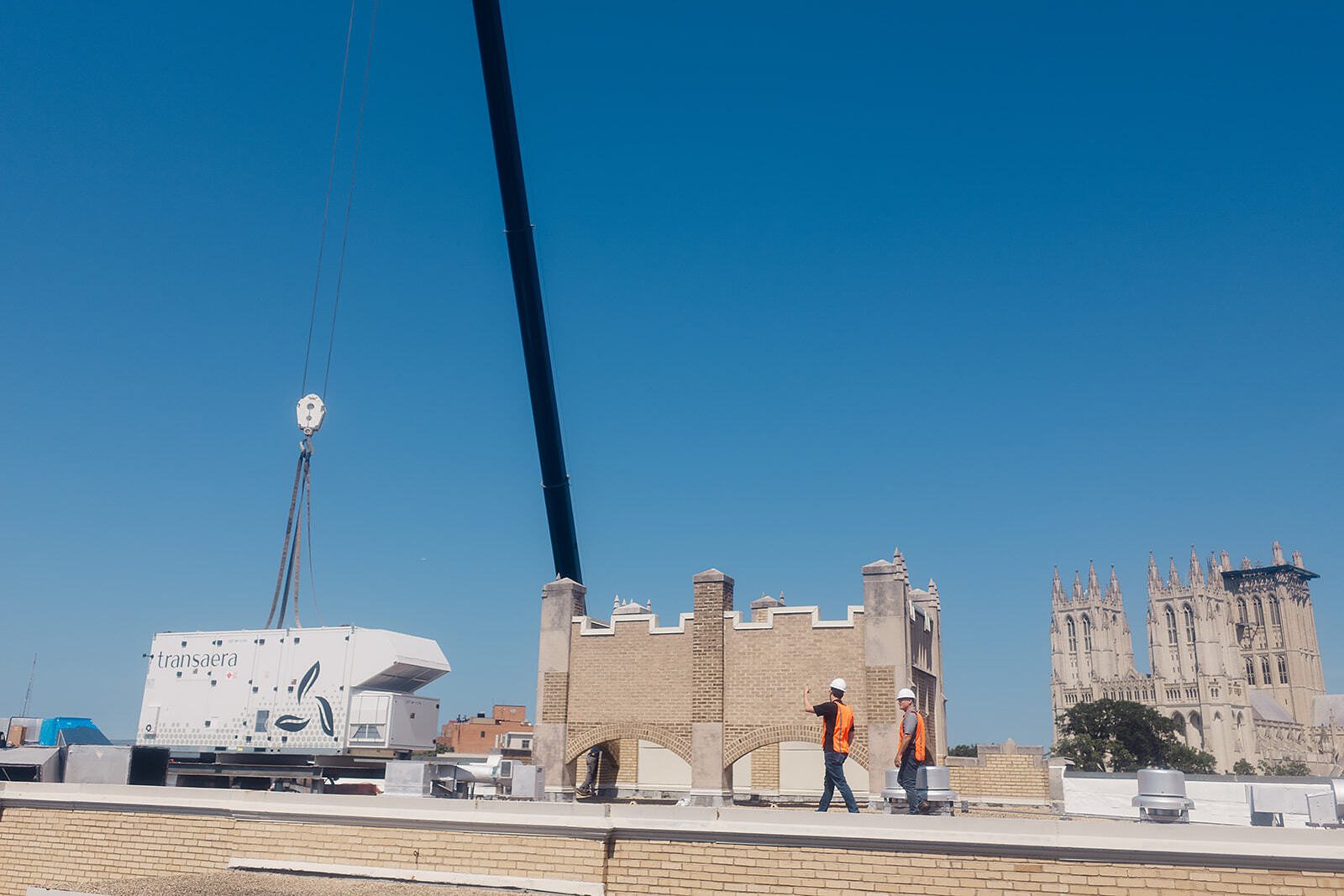
Google expands its Voltus virtual power plant in PJM to 1 GW
Google and Voltus said on October 22, 2026 they will build a 1 GW virtual power plant in PJM, adding 1,070 MW of distributed capacity to a 100 MW agreement signed in June, with Voltus paying businesses and homes to cut demand when the grid is strained. The contract is voluntary: FERC rejected PJM's rules for new large loads to bring their own new capacity on October 9.

Ember wants India to subsidise batteries for rooftop solar homes
Ember said on October 22, 2026 that adding a 5 kWh battery to a typical 3 kW Indian household rooftop solar system would cut daytime exports to the grid by 85–90%, but under net metering the household gains nothing and payback stretches from 3.3 years to around nine. The think tank proposes a battery subsidy in the next tranche of PM Surya Ghar; at 50% of battery cost, payback falls to 6.3 years.

Menendez bill would make states weigh plug-in solar rules, fund rebates
Rep. Rob Menendez (D-N.J.) introduced H.R. 10851, the Socket Full of Sunshine Act, on October 19, 2026. It would require state utility regulators to consider rules easing plug-in solar devices of up to 1,200 watts and fund state point-of-sale rebates of up to $1,000 for low- or moderate-income households.
Netze BW automates grid approvals for solar systems up to 15 kWp
Netze BW, the Stuttgart-based distribution grid subsidiary of EnBW, said on October 19, 2026 that it now approves grid connections for photovoltaic systems up to 15 kilowatt-peak automatically in clear standard cases, usually in about five minutes. More than 5,000 requests were approved that way during the introduction phase.
Ontario cuts its electricity rebate to 15.7% as regulated prices fall
Ontario's electricity rebate falls from 23.5% to 15.7% of the eligible portion of the bill on November 1, 2026 under O. Reg. 328/26, as Ontario Energy Board prices for households, small businesses and farms drop. The board puts the rebate at about $23 a month for a typical 700 kWh household, down from about $36 a year earlier.
AEMO's 11am demand jump, a NSW price spike, Octopus's heat pump cooler
AEMO chief executive Daniel Westerman said on October 13, 2026 that NEM demand jumps about 360 MW at 11am, when free-power periods start under some tariffs, and Amber Electric says its NSW battery customers netted $2.12 million during an October 12 price spike to $23.11/kWh. Octopus Energy priced its Cosy Cooler heat pump add-on, NYSERDA split $200 million of NY-Sun money, and Qcells will sell home panels with Tennessee-made frames.
NSW apartment charging right, Mercedes home V2G, BMW batteries in China
New South Wales passed a law on October 15, 2026 giving apartment owners a right to install an EV charger on their lot that strata committees cannot unreasonably refuse; Mercedes-Benz launched home vehicle-to-grid charging in Germany on October 12; and BMW said on October 15 it had begun Gen6 battery production in Shenyang.
US small-scale solar made an estimated 92,979 GWh in 2025, EIA says
The U.S. Energy Information Administration estimates that small-scale solar systems under 1 MW generated 92,979 GWh in 2025, up from 18,812 GWh in 2016. California, Arizona, Texas and Florida lead, New York ranks fifth, and growth has slowed since a 25% jump in 2022.
Sunrun and Tesla home batteries hit 745 MW in California, Sunrun says
Sunrun said on October 14, 2026 that home batteries it and Tesla dispatch delivered 669 MW of peak power to California's grid on October 5 and 745 MW on October 6, at the request of the California Energy Commission and utilities, and called them the largest residential distributed power plant dispatches in US history. The state's DSGS program, which called dispatches on both evenings on a $200/MWh price trigger, is funded only through the end of 2026, per Advanced Energy United.

Home VPPs could offset over half of modeled bill growth, Brattle finds
The Brattle Group estimates that a 301 MW residential virtual power plant at a representative utility with one million residential customers could offset $56 of a modeled $98 five-year rise in the average household's annual electricity bill, in inflation-adjusted terms. Brattle prepared the report for Everyday Electric, formerly Renew Home, whose thermostat program informs the model's largest component.
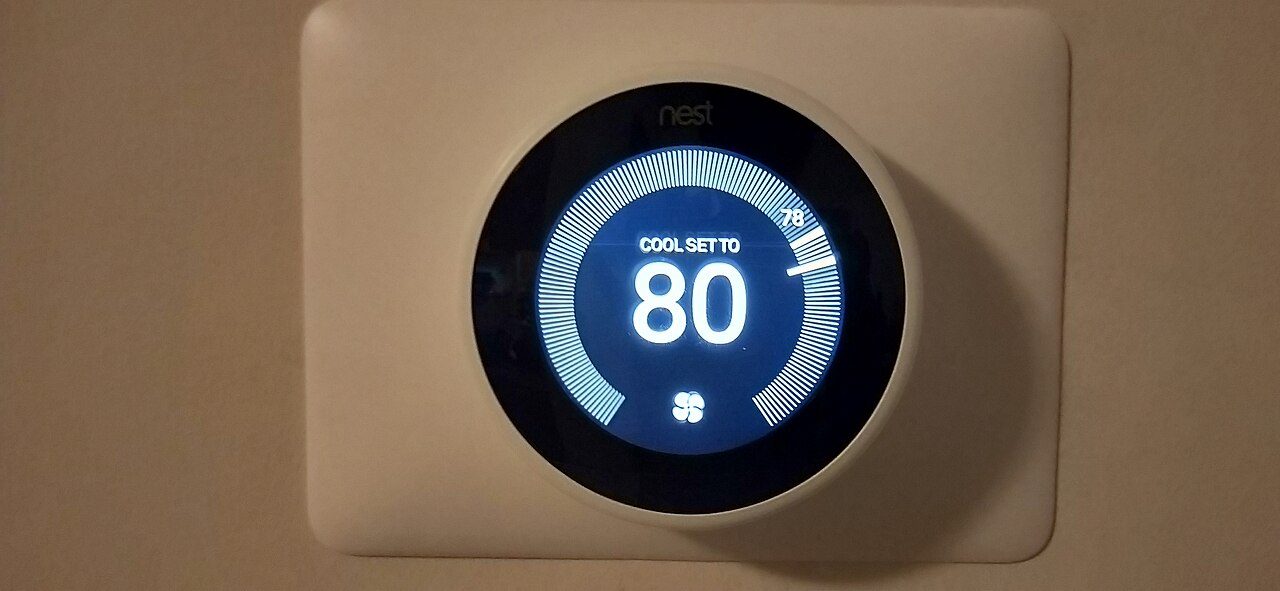
Central Georgia EMC and Base Power plan 50 MW of $95 home batteries
Central Georgia EMC and Base Power announced on October 13, 2026 a 50 MW residential battery program: co-op members get a whole-home backup battery installed for $95 with no monthly fee, while the cooperative dispatches the fleet for peaks and price arbitrage. First installations are scheduled for 2027; it is Base's first utility partnership outside Texas.
Voltus raises $225M Series D, expects its platform to reach 20 GW by 2030
Voltus said on October 8, 2026 that it raised $225 million in a Series D led by Generation Investment Management, with Activate Capital and Vitol as co-leads, and expects to grow its platform to 20 GW by 2030 as it executes on its Bring Your Own Capacity program in PJM and MISO; its website lists 8.5 GW of distributed energy resources today. On October 9, FERC rejected PJM's IRAS and BYONC large-load rules, which Voltus had supported in September comments.

Utilities sought a record $4.5B for a third quarter, PowerLines says
Electric and gas utilities requested $4.5 billion in rate increases in the third quarter of 2026, the highest third quarter on record and $23.1 billion for the year, per PowerLines' October 7 index. The total does not split electricity from gas, but 46 of the 64 filings in its appendix are electric, including every one of $0.2 billion or more.
Heat pumps up 5.0% year over year in August 2026, a seventh straight gain
US shipments of air-source heat pumps rose 5.0% year over year to 338,416 units in August 2026, the Air-Conditioning, Heating, and Refrigeration Institute reported on October 9, 2026, the seventh straight month of year-over-year growth by The Duck Curve's count of AHRI's releases. Central air conditioners rose 17.2% and gas furnaces fell 4.3%. The federal Section 25C credit for heat pumps ended with 2025, per the IRS.
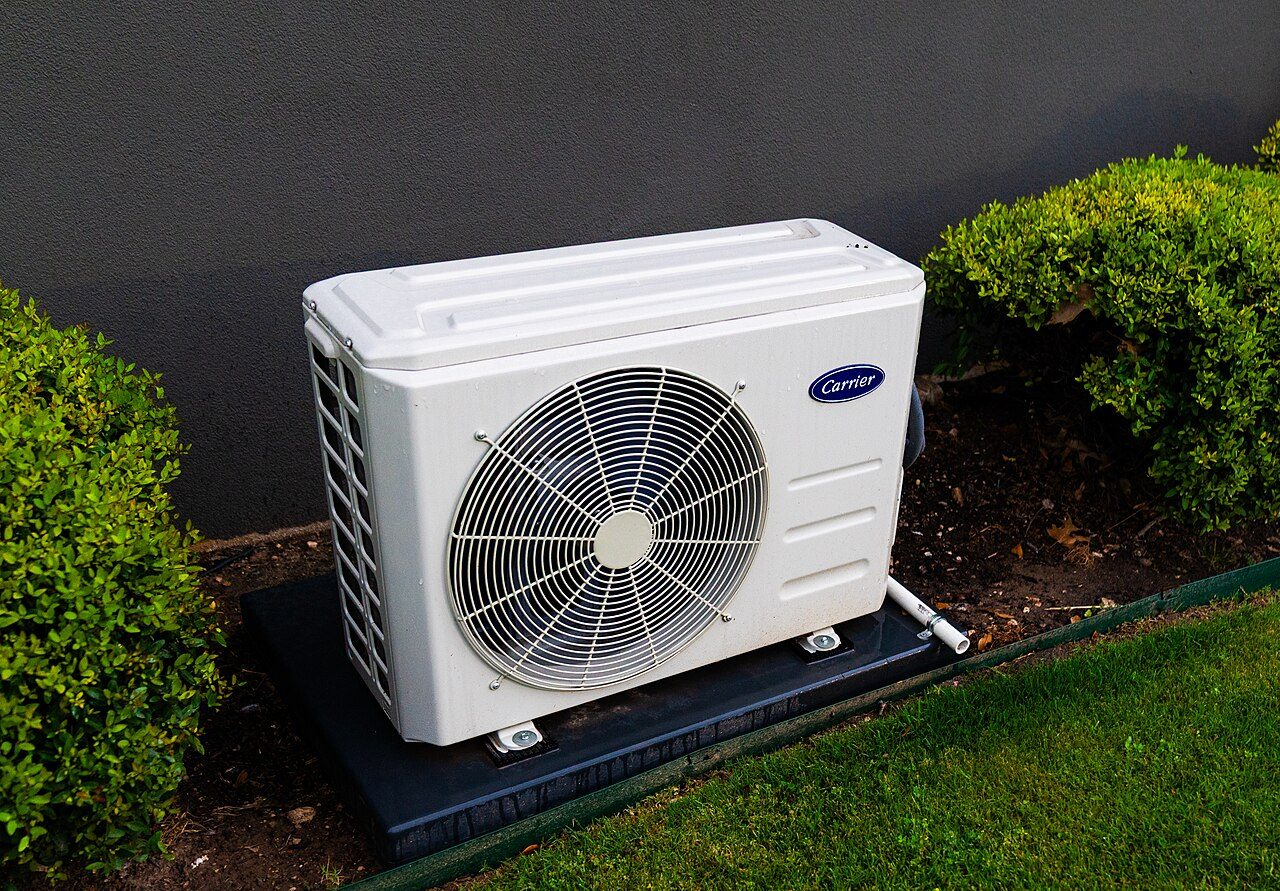
Canada announces C$2 billion heat pump rebate worth up to C$10,000
Prime Minister Mark Carney announced a National Heat Pump Rebate on October 8, 2026, with C$2 billion over eight years attached in the government's backgrounder: up to C$10,000 for eligible below-median-income households and C$2,000 for other eligible households, for up to 820,000 households, with approval promised within 24 hours and no launch date given. CMHC mortgage insurance and the Canada Infrastructure Bank are to help retrofit 280,000 apartment units over eight years, rounding out what the government calls one million home retrofits.
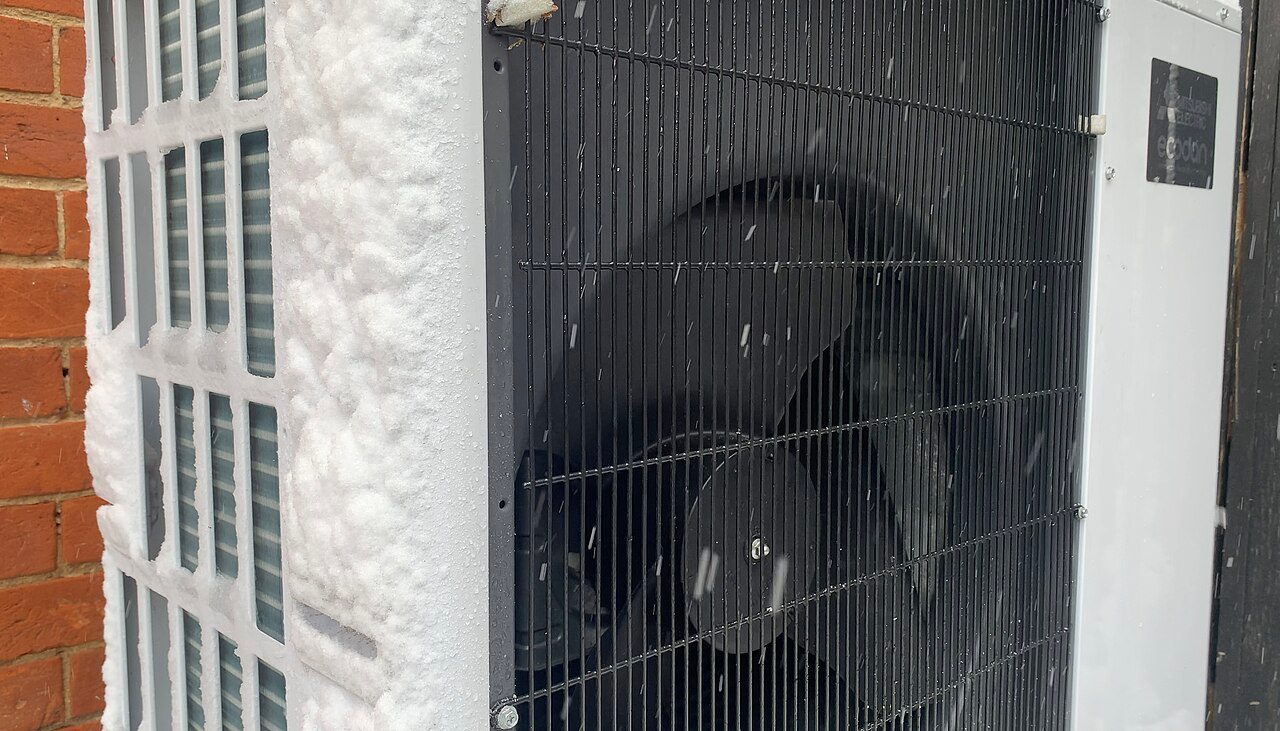
Renault and EDF plan EV, home charger and V2G bundles for French homes
Renault Group and EDF said on October 8, 2026 that they aim to sell French households an electric vehicle, a home charger installed by IZI by EDF and smart charging management through Renault Group dealers, with bidirectional services for single-family homes, and expect the offers to roll out by summer 2027. They put V2G savings at the equivalent of up to 10,000 km of driving a year but give no prices. Renault launched a V2G offer in France with The Mobility House in 2024.

Austria plans to swap its solar panel grant for a battery bonus in 2027
Austria's governing parties plan to replace the EAG investment grant for new PV arrays with a storage-system bonus from 2027, paid on application after completion, after the second 2026 call's money ran out in 33 seconds. The bonus size is still being negotiated, the law change needs a two-thirds majority, and the old system's last call, worth €38.5 million, runs October 8 to 22, 2026.
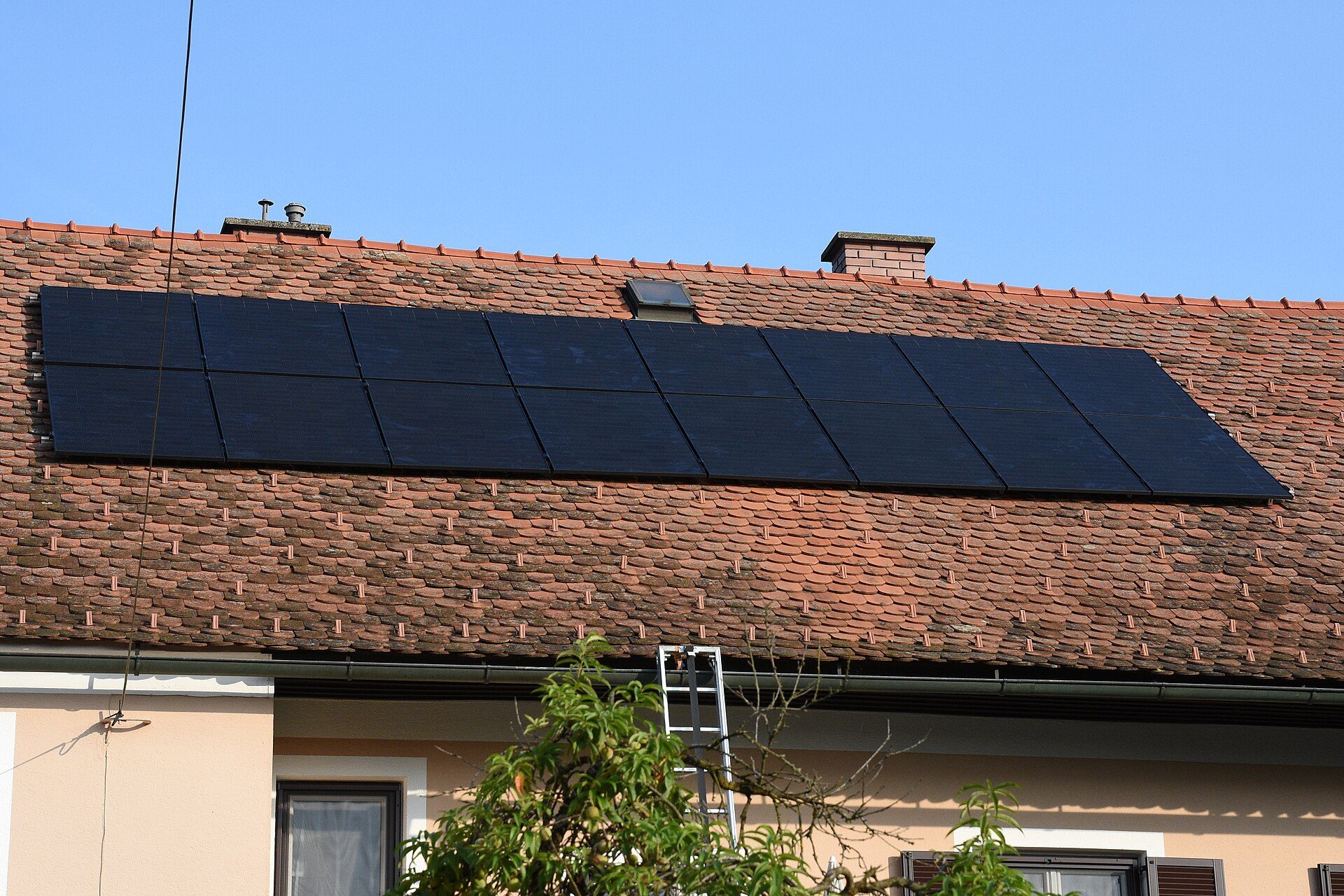
Dutch cabinet plans hybrid heat pump standard for boiler swaps from 2029
Dutch Housing Minister Elanor Boekholt-O'Sullivan told parliament on October 7, 2026 that the cabinet intends, from 2029, to make a smart hybrid heat pump or a more efficient system the standard in many cases when a gas boiler is replaced, through a tightened efficiency requirement in the Buildings Decree. Apartment buildings, listed monuments and homes soon joining a heat network are expected to be left out, and publication of the decree changes is foreseen for mid-2028.
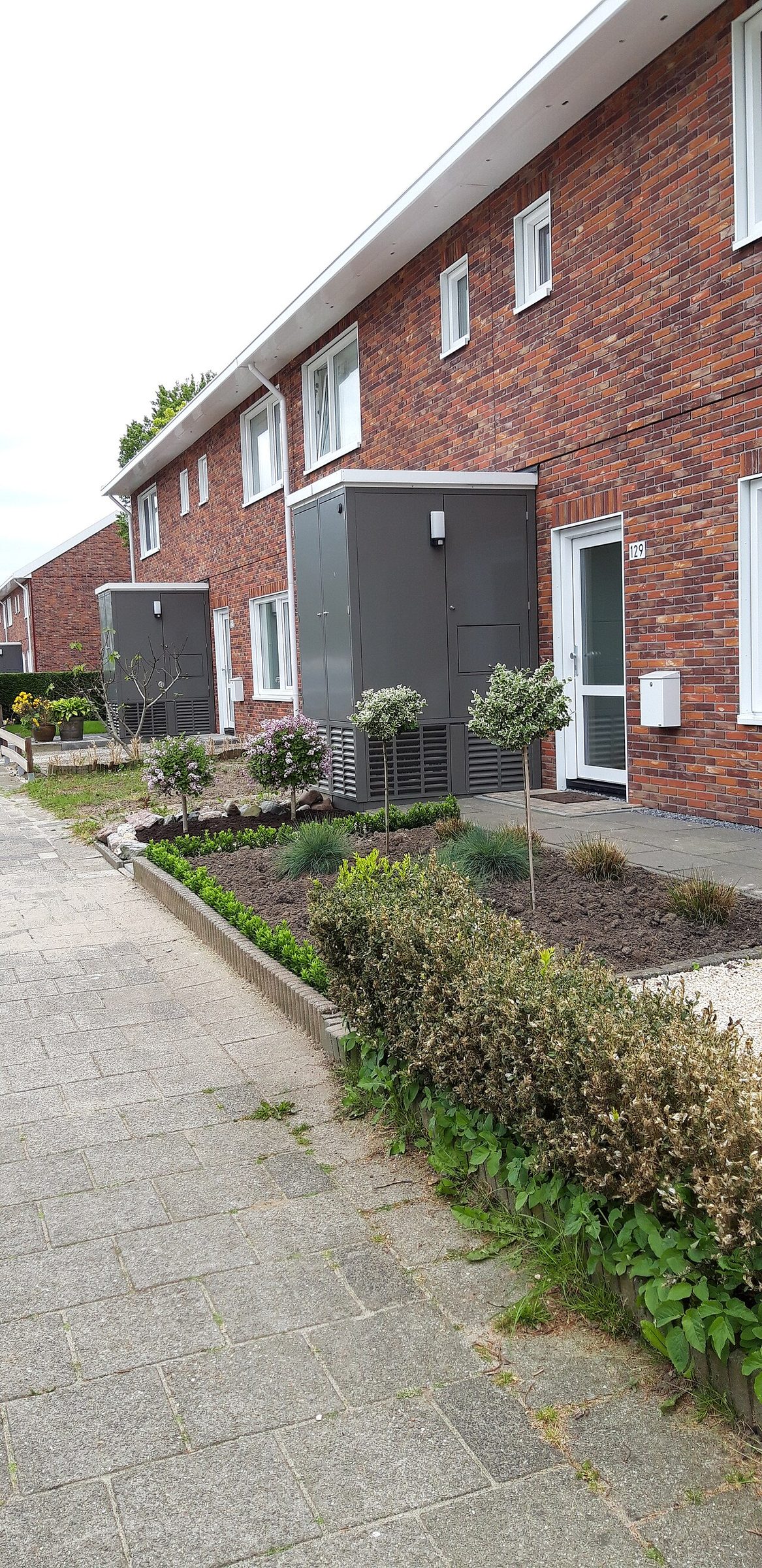
Poland opens PLN 1 billion in home battery grants on October 20
Poland's NFOŚiGW will take applications from October 20, 2026 to October 1, 2027, or until the money runs out, for PLN 1 billion of Modernisation Fund grants toward home batteries and heat stores, up to PLN 19,000 per metering point for prosumers with a grid-connected renewable microinstallation. Batteries must hold at least 10 kWh, carry an energy management system and be able to run as backup in an outage; projects must be finished before applying, with costs from November 1, 2025.
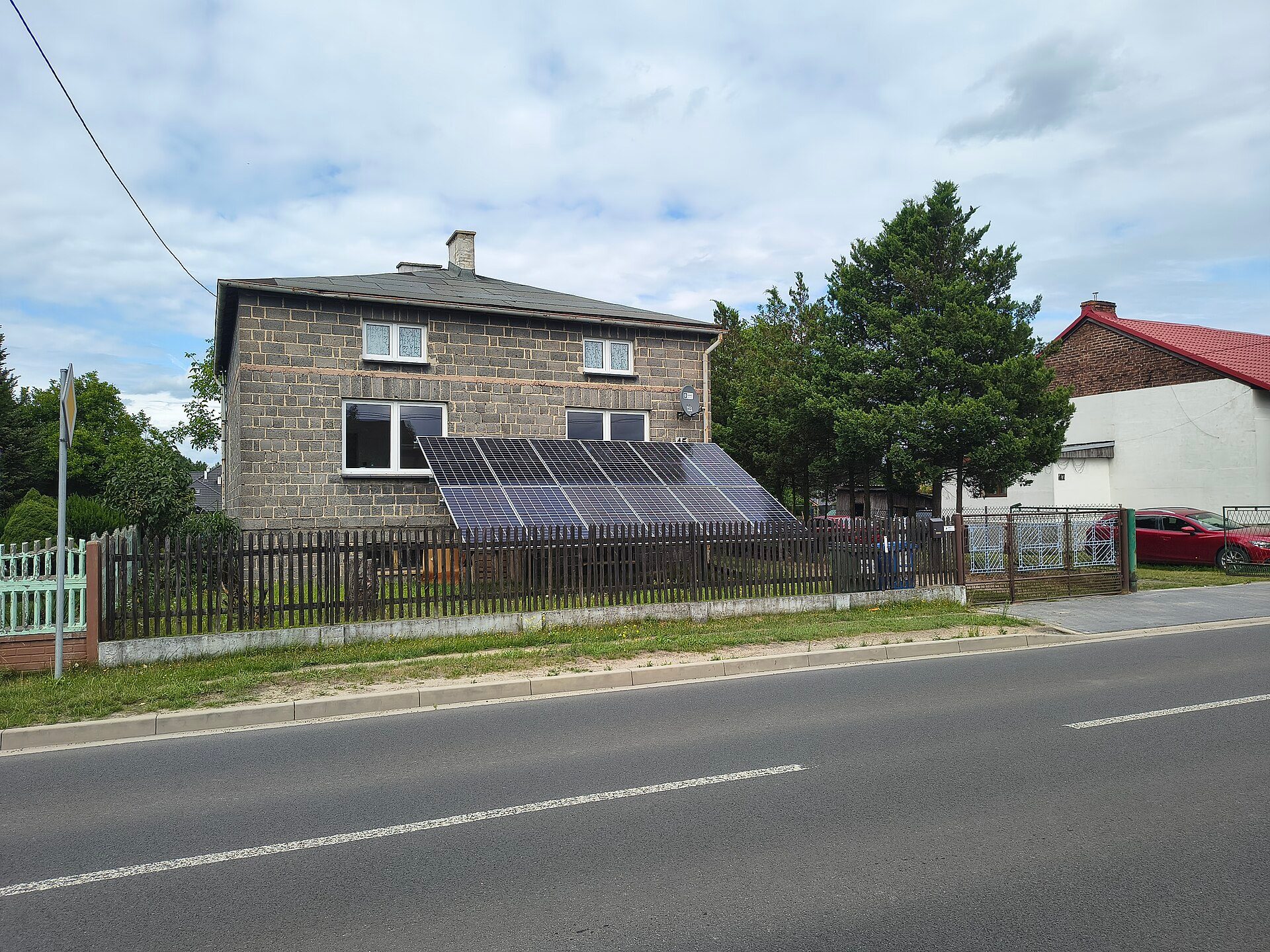
Tesla turns on Powershare home backup for new Model 3 and Model Y
Tesla Energy said on October 6, 2026 that Powershare Home Backup is available for new Model 3 and Model Y with a Powerwall 3, extending home backup by over two days per Tesla. Its Powershare page covers new orders from October 1, 2026, narrowed in a footnote to US and Puerto Rico orders after that date, says some but not all earlier cars are capable, and offers the two models no setup without a Powerwall.
Renew Home, now Everyday Electric, buys connected-car platform Smartcar
Renew Home renamed itself Everyday Electric on October 6, 2026, introduced a whole-home Everyday VPP with HVAC, EV, EVSE, storage and solar OEM partners, and said it acquired connected-vehicle platform Smartcar for managed charging in utility programs, without disclosing terms. It claims 6+ GW of capacity and a five-year goal of over $5 billion in household savings that counts avoided system costs for all households its energy provider partners serve.
MiSpeL lets German home batteries mix grid power, on direct-marketing terms
Germany's Bundesnetzagentur adopted the MiSpeL determination on October 1, 2026, letting batteries and bidirectional EV charge points store grid power alongside solar while keeping the EEG market premium on the solar share and levy relief on stored grid power. The premium requires direct marketing, the flat-rate option for arrays up to 30 kWp awaits EU state-aid approval, and until September 30, 2027 use needs grid and meter operator consent.
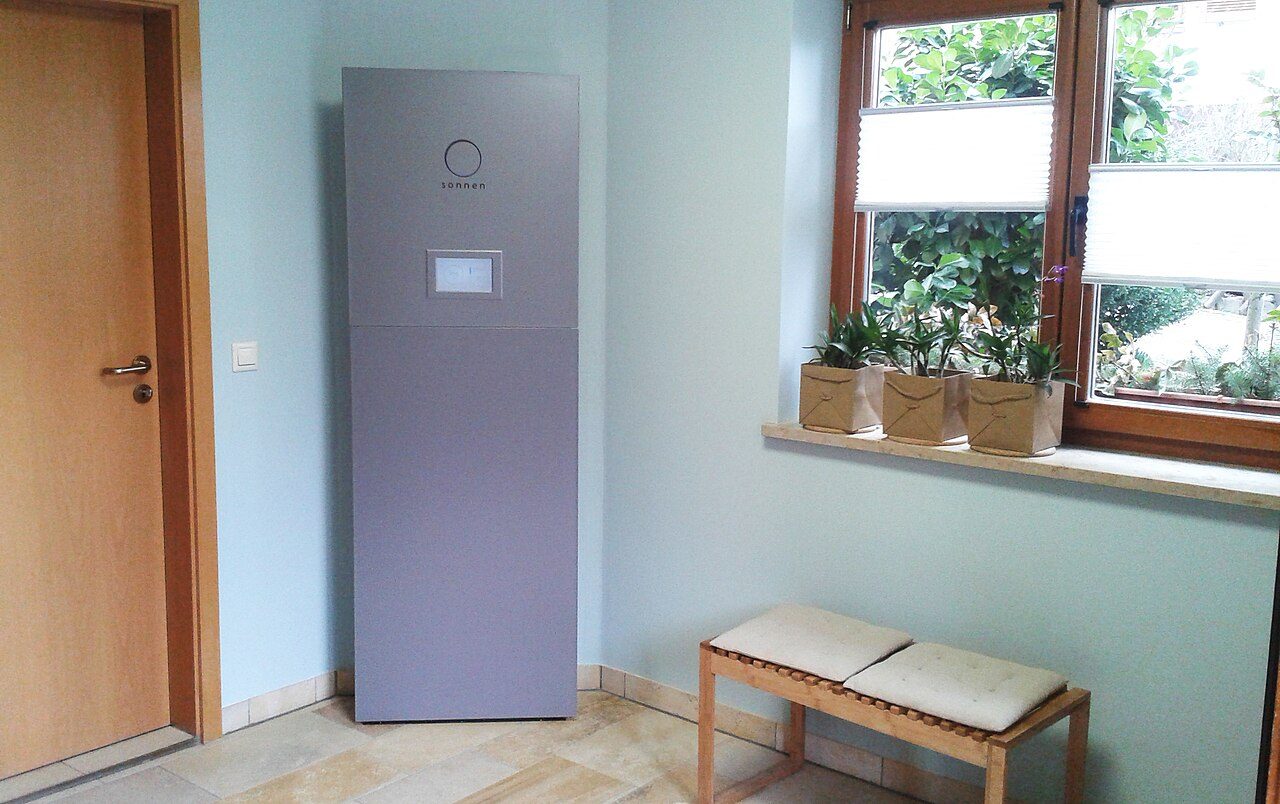
Berkeley Lab: batteries paired with 37% of new US home solar in 2025
Lawrence Berkeley National Laboratory's U.S. Distributed Solar and Storage: 2026 Data Update, published in August 2026, finds batteries were paired with 37% of new US residential solar systems in 2025, up from 25% in 2024: 74% in California (from 58%) and 17% in all other states combined (from 7%). Median residential battery capacity held at 13.5 kWh while median discharge capacity rose from 6.0 kW to 11.4 kW, which the lab attributes to Tesla's Powerwall 3. The rates exclude batteries added to existing systems and stand-alone storage.
National Grid's winter heat pump rate clears the DPU at $0.02476 per kWh
The Massachusetts DPU issued two orders on September 30, 2026: D.P.U. 26-84 allowed National Grid's $13,559,331 performance-based ratemaking adjustment for October 1, 2026, and D.P.U. 26-78 allowed the rate summaries carrying a $0.02476 per kWh base distribution charge for November 1 through April 30 for customers enrolled in the optional residential heat pump rate, against $0.06777 on the default R-1 and R-2 rate. National Grid's filing puts the effect for an R-1 heat pump rate customer on Basic Service at a decrease on average of $104.35, or 11.0 percent, compared with the default R-1 rate.
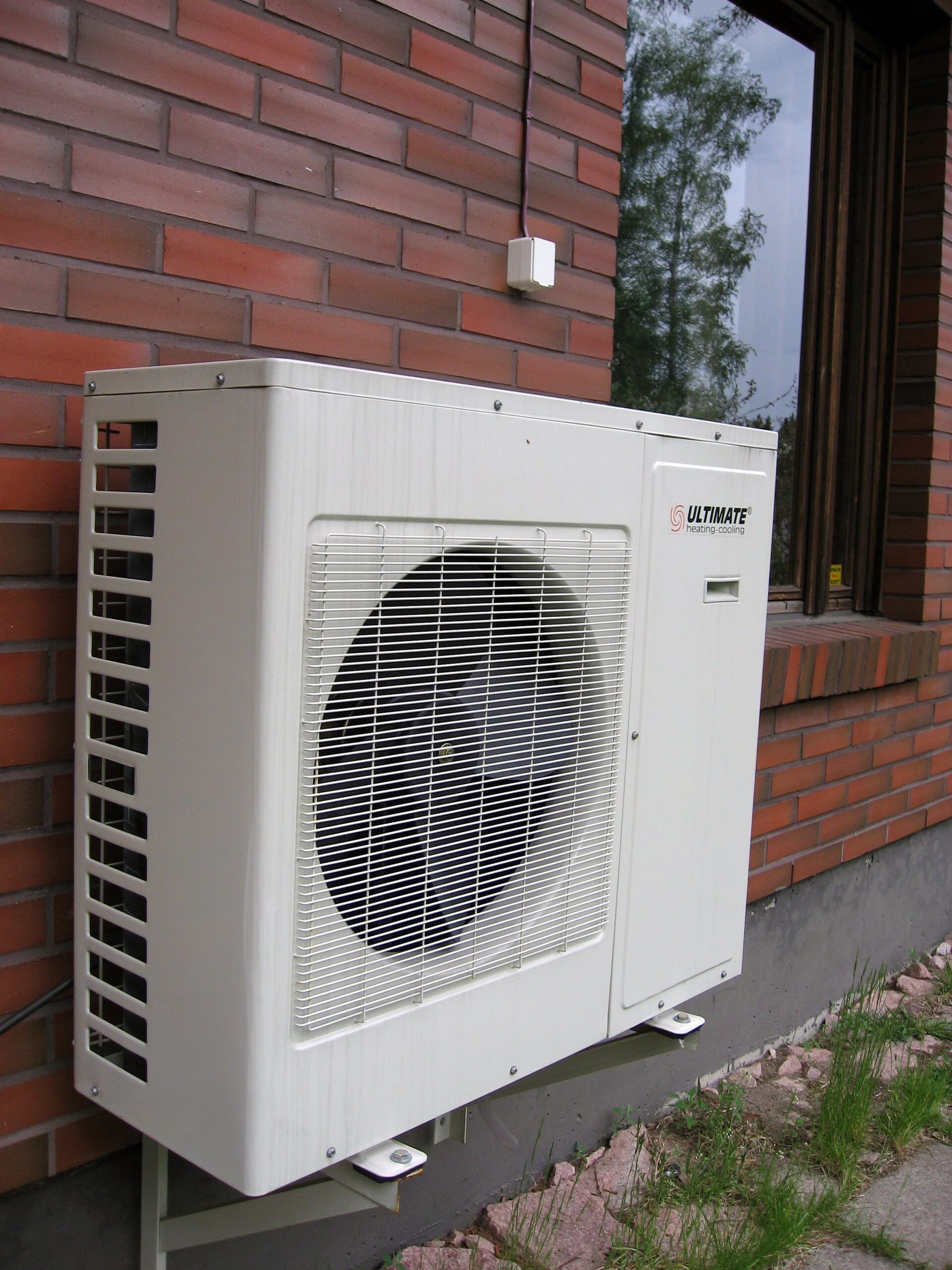
South Coast AQMD adds $60.2 million to GO ZERO with lower home rebates
South Coast AQMD's board approved GO ZERO Phase 2 on October 2, 2026: up to $60.2 million of Rules 1111 and 1121 mitigation fees for swapping gas furnaces and water heaters for heat pumps. The board letter puts up to $20 million each into single-family and multifamily rebates, plus up to $20 million the Executive Officer may release in $5 million increments to those, small business rebates or outreach; it adds solar water heating, lowers amounts for smaller systems including mini-split and window heat pumps, and sets every single-family and multifamily rebate in its table below the pilot's.
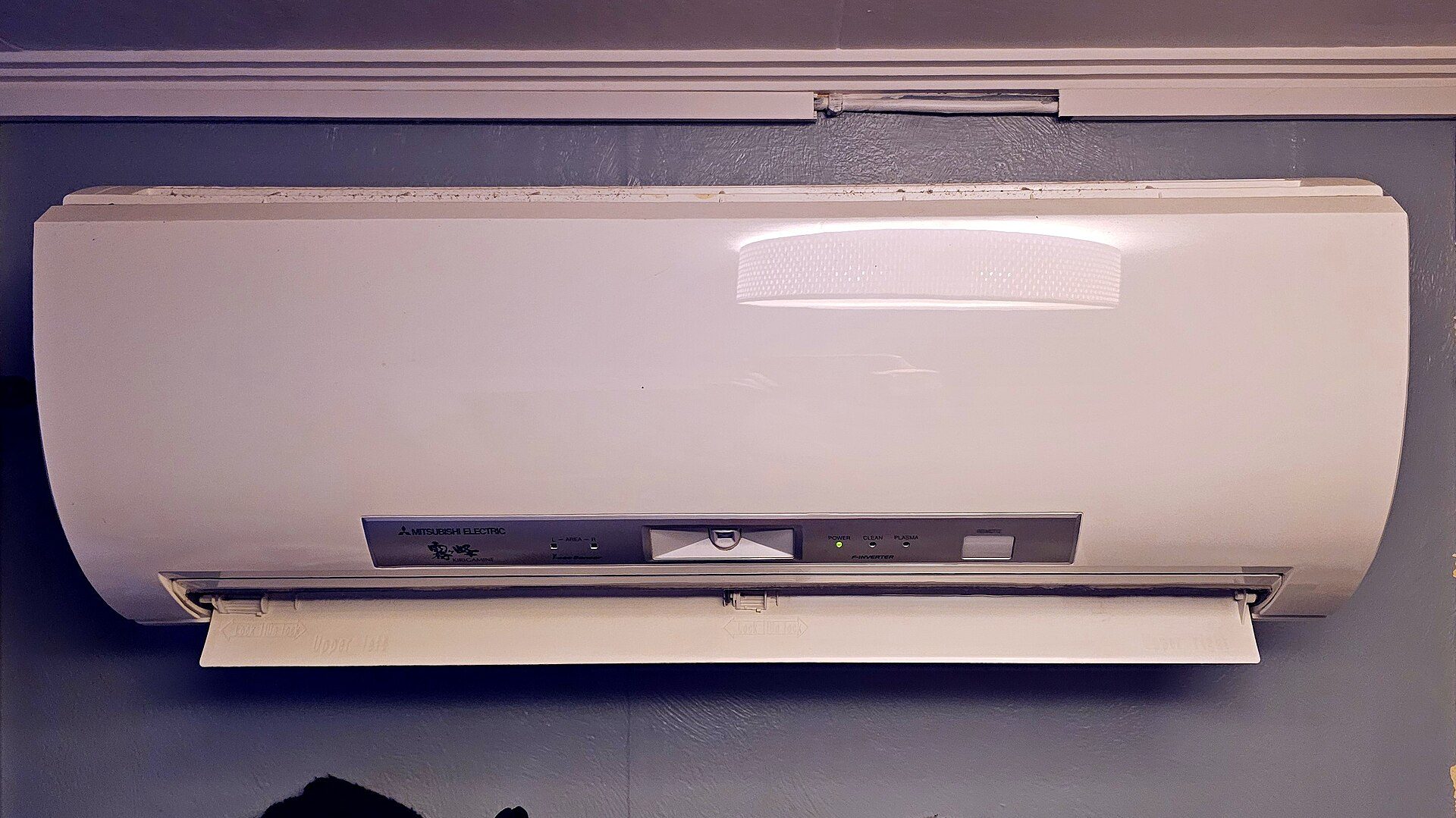
Colorado Springs votes 7-2 for grid access or demand charges on new solar
The Colorado Springs City Council adopted Resolution 81-26 on September 22, 2026 by a 7-2 vote: from April 1, 2027, Colorado Springs Utilities' new residential and small commercial net metering customers choose time-of-day rates plus a $1.00-per-day Grid Access Charge with no rollover, or a summer $0.3608 / winter $0.2462 per kW per day demand charge on the highest 15-minute on-peak net load with rollover kept. Utilities puts the average residential net metering bill about $38 a month above the approved 2027 frozen rates either way; earlier agreements keep frozen rates until April 1, 2032.
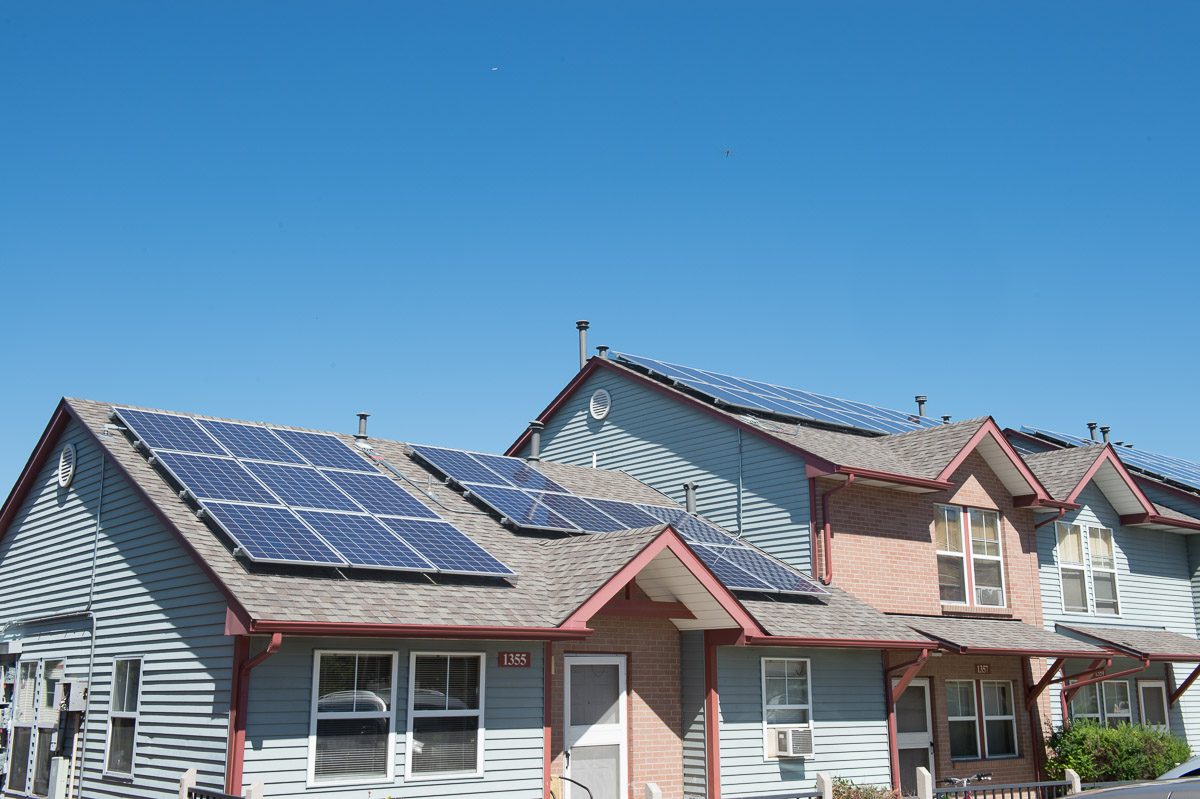
Vermont Gas will fund and own Riggs Meadow ground loops; Dandelion drills
Dandelion Energy said on October 1, 2026 that Vermont Gas Systems (VGS) will pay the upfront cost of geothermal ground loops at Riggs Meadow, a 44-unit affordable housing development in Hinesburg, Vermont, with Dandelion designing and drilling; drilling is to begin in early 2027. VGS's June 27, 2025 filing in Vermont PUC Case No. 25A-0742 puts the $400,000 loop scope on VGS, $260,000 of it from the Climate Action and Innovation Budget in its Alternative Regulation Plan; the Department of Public Service did not object on July 28, 2025.
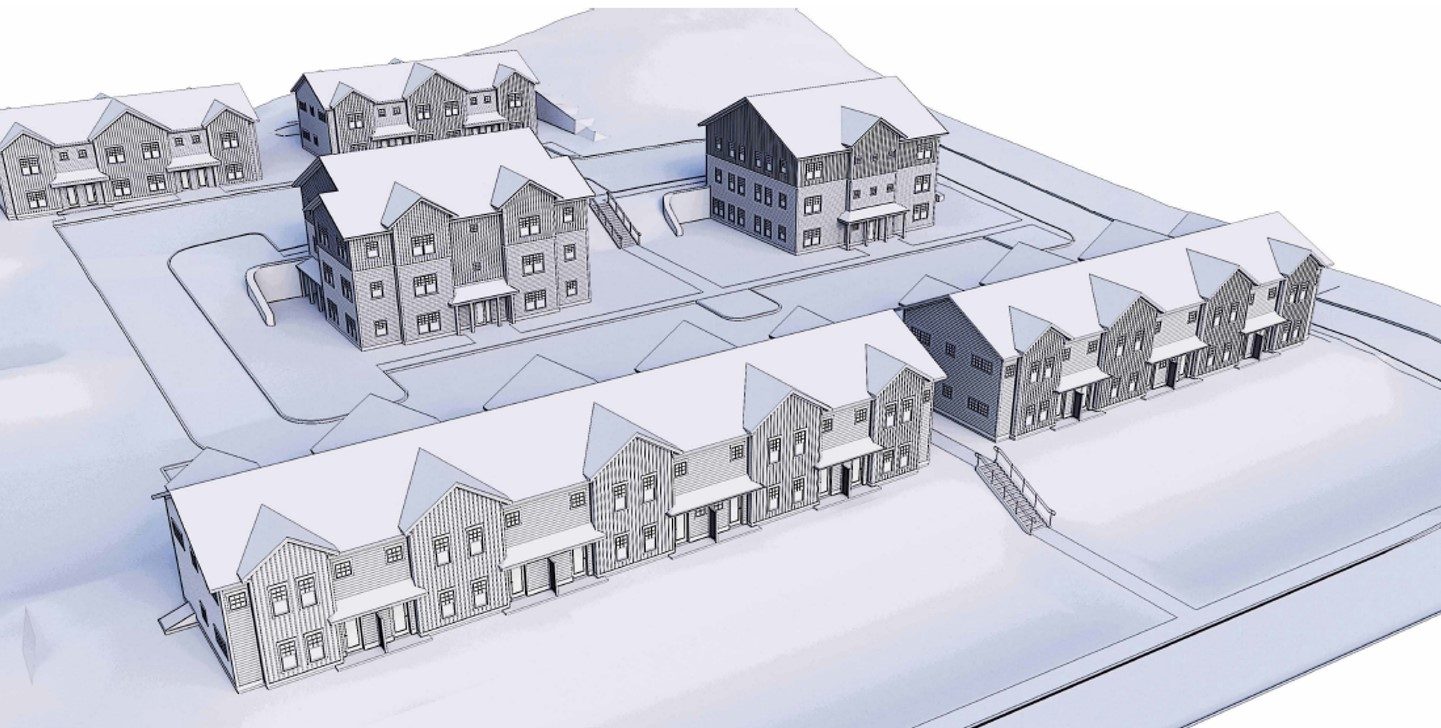
Newsom signs SB 868, California's plug-in solar law, as Chapter 985
Governor Gavin Newsom approved SB 868 on September 30, 2026; it was chaptered the same day as Chapter 985, Statutes of 2026. The law adds Sections 8530 to 8532 to the Public Utilities Code: a portable solar generation device meeting six conditions, including no more than 1,200 watts of aggregated AC output per dwelling and UL or equivalent certification, is exempt from interconnection requirements and from utility approval, fees and added equipment. The exemption section is repealed on January 1, 2030, when a sales standard for receptacle-connected devices begins.