 The Duck Curve
Poland opens PLN 1 billion in home battery grants on October 20
Batteries of at least 10 kWh get up to 30% of costs, capped at PLN 16,000 on net-billing and PLN 8,000 on net-metering, and only after they are installed, paid for and connected.
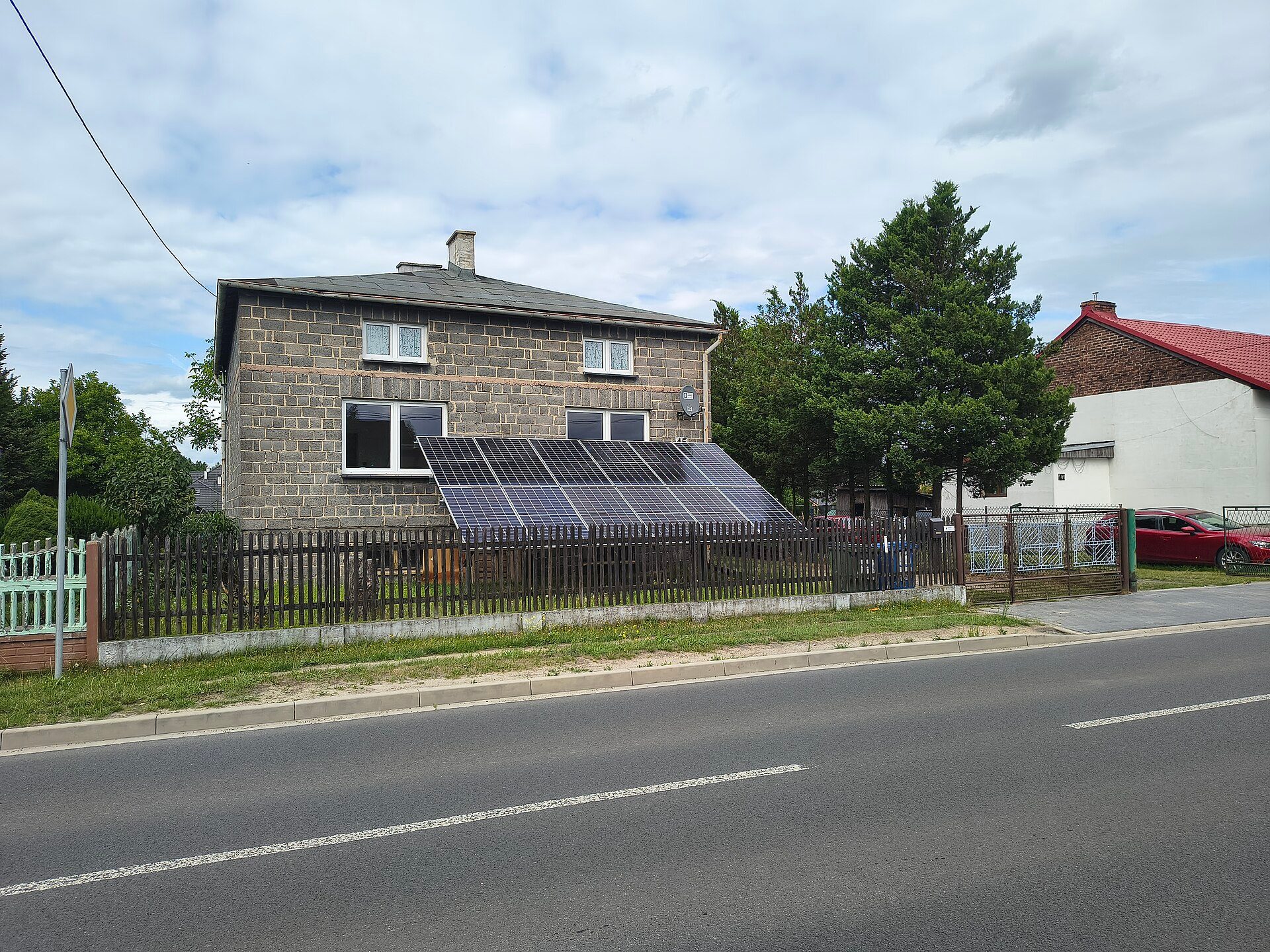
Poland's National Fund for Environmental Protection and Water Management (NFOŚiGW) will open PLN 1 billion of grants for home batteries and heat stores on October 20, 2026, the fund said on October 2, 2026. The money comes from the EU's Modernisation Fund, households with a renewable microinstallation connected to the grid can claim up to PLN 19,000 per metering point, and the call runs until October 1, 2027 or until the funds are exhausted.
The program, "Dofinansowanie przydomowych magazynów energii, część 2" (home energy storage grants, part 2), pays toward a battery, a heat store, and a hybrid inverter or equivalent device where the battery needs one to work with the existing installation. The battery must hold at least 10 kWh and at least twice the peak power of the solar array it works with: by our arithmetic, 14 kWh behind a 7 kWp array.
The battery grant covers up to 30% of eligible costs and no more than PLN 800 per kWh of nominal capacity, capped at PLN 16,000 for prosumers on net-billing, Poland's value-based settlement, and PLN 8,000 for those still on volume-based net-metering. The program document puts prosumers who have switched from net-metering to net-billing in the higher group. A heat store earns up to 30% of costs and no more than PLN 1,000, and an EU-made battery or inverter adds a one-time bonus of up to PLN 2,000. By our arithmetic, the PLN 19,000 is those three ceilings added together, and the full PLN 16,000 takes a battery of at least 20 kWh and about PLN 53,300 of eligible cost.
A refund for finished work
The grant pays for work already done. Per the program document, a project qualifies only if it is complete before the application goes in: every invoice paid in full; the equipment permanently connected and running, confirmed by an acceptance protocol; the battery's connection confirmed by the distribution system operator; and the operator's certificate showing when the solar installation was connected. Costs count only from November 1, 2025. Applications open at 9:00 on October 20 and are filed online only; the call rules close the call early once the grants requested in submitted applications reach the budget, assess applications in order of registration, and allow up to 120 days for assessment, a period the fund may extend.
The battery also has to do more than store midday solar. An energy management system is now mandatory and must at least schedule charging and discharging by time profiles; the program document lists among its tasks limiting uncontrolled export to the grid during hours of peak production, which for a solar array means the bottom of the duck curve, and requires it to meet EU cybersecurity requirements and the ETSI EN 303 645 standard. Simple controllers and display apps that make no decisions and analyze no weather or economic data do not count. The battery must also be able to run as backup power during a grid outage.
The rules close some doors. Purchase and installation of the battery, excluding the inverter and EMS, may not cost more than PLN 3,000 per kWh, or the grant is refused. Heat stores qualify only if made in the EU, equipment already funded by other public programs such as Mój Prąd is excluded, and owners must keep everything running at the address for at least five years after payment. They must also put up a permanent plaque with the program's logos somewhere visible, such as the building or fence, which they make themselves: suggested size A3, no smaller than A4.
Tighter than part one
Part one ran on money from Poland's EU-funded recovery plan (KPO). Its program document, with a budget of up to PLN 335 million, was open only to net-billing prosumers, paid up to 50% of eligible costs with the same PLN 16,000 battery cap, accepted batteries from 2 kWh at a ratio of at least 1.5 to the array's kWp, and refused batteries costing more than PLN 6,000 per kWh. It also paid up to PLN 7,000 toward the solar array itself, when bought with storage, for households without an earlier solar subsidy, and up to PLN 5,000 for a heat store. Its cost-eligibility window ran from August 1, 2024 to October 31, 2025; part two's opens the next day. When the fund reopened part one for June 8 to 19, 2026 with PLN 105 million, it described it as a bridge between the end of the Mój Prąd 6.0 program and a new Modernisation Fund storage program, the one now opening.
So the second round pays a lower share, sets a stricter price ceiling, wants batteries five times the old minimum, and lets net-metering households in at half the cap. Germany's regulator took a different tool to the same hardware on October 1, 2026: its MiSpeL determination lets a battery charge from both the rooftop array and the grid and still collect the EEG market premium on the solar share of its exports, though only in direct marketing, and the one-meter option for arrays up to 30 kWp waits on EU state-aid approval.
Part two alone targets at least 1,250 MWh of battery capacity, per the program document; by our arithmetic that is the budget divided by the PLN 800 per-kWh ceiling, the storage PLN 1 billion buys if every zloty is paid out at that ceiling. Across all of the fund's programs, it says, more than 99,000 applications for home batteries with a combined capacity above 900 MWh had been filed as of October 2, 2026.
NFOŚiGW deputy president Paweł Augustyn said that after years of supporting solar microinstallations, using the energy they produce efficiently is gaining importance, and that the program will contribute to higher self-consumption and, as a consequence, lower energy bills.
Sources
Primary
- NFOŚiGW przeznacza miliard złotych na dotacje do magazynów energii prosumentów · Narodowy Fundusz Ochrony Środowiska i Gospodarki Wodnej (NFOŚiGW)
Supporting
- Program priorytetowy: Przydomowe magazyny energii, Część 1 (KPO), version of 17.04.2026 · NFOŚiGW
- Rozszerzamy ofertę dla prosumentów na fotowoltaikę i przydomowe magazyny energii · NFOŚiGW (przydomowemagazyny.gov.pl)
- Regulamin naboru wniosków, Dofinansowanie przydomowych magazynów energii Część 2) FM · NFOŚiGW
- Program priorytetowy: Dofinansowanie przydomowych magazynów energii, Część 2) finansowanie ze środków FM · NFOŚiGW
Copies of cited sources are retained where available. If a link no longer resolves, request a copy at contact@theduckcurve.com.