 The Duck Curve
#data centers
NRC draft EIS preliminarily backs Fermi America's four Texas AP1000s
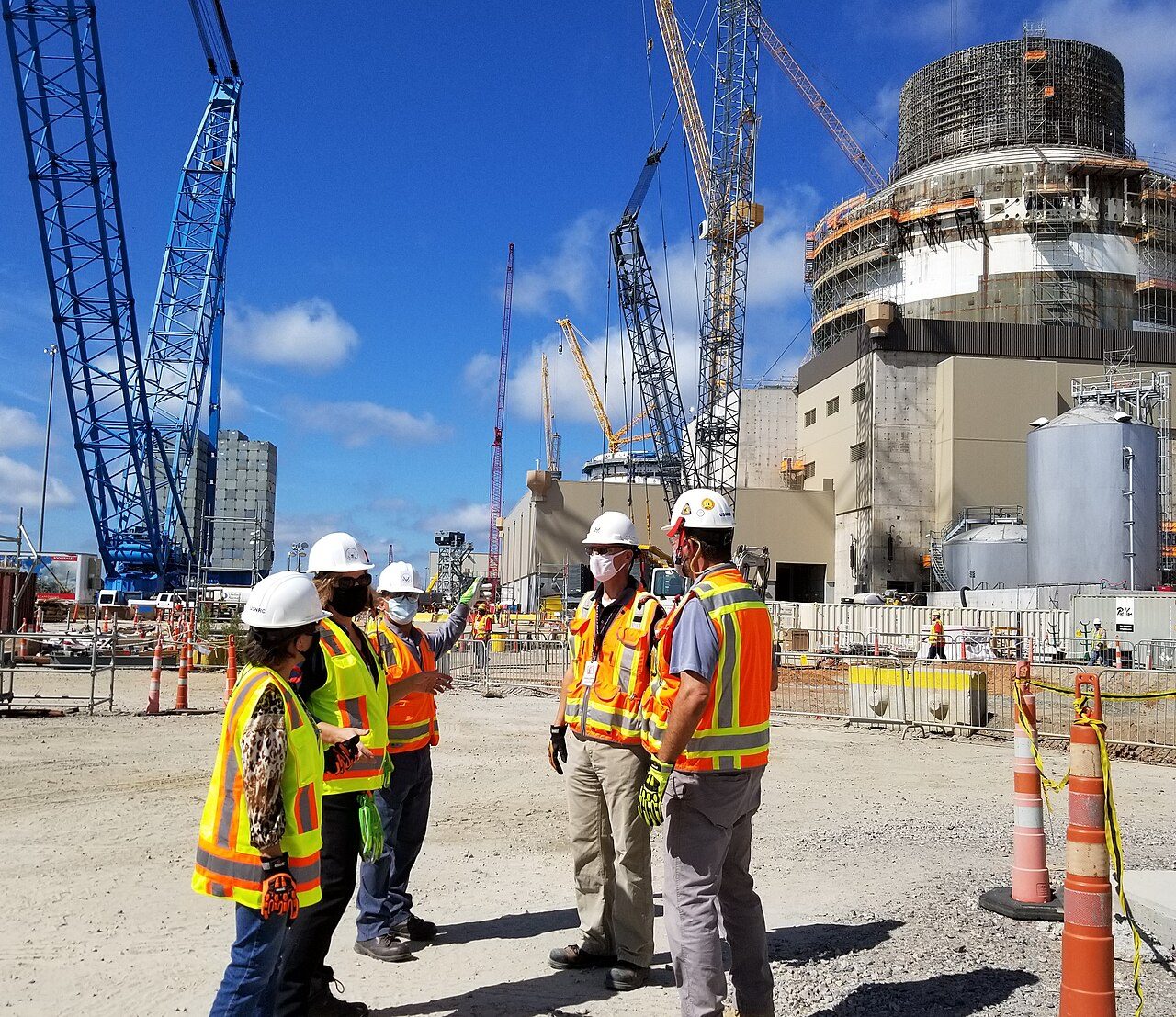
The NRC noticed a draft environmental impact statement on October 9, 2026 for Fermi America's application to build four AP1000 reactors, 4 GW for its Project Matador data center campus in Carson County, Texas, with a preliminary recommendation to issue the combined license if the safety review succeeds. Fermi wrote the draft under an NRC pilot with staff oversight; it rates most impacts SMALL but construction traffic LARGE, and comments are due November 23, 2026.
Google backs 890 MW of Constellation nuclear uprates at 11 PJM units
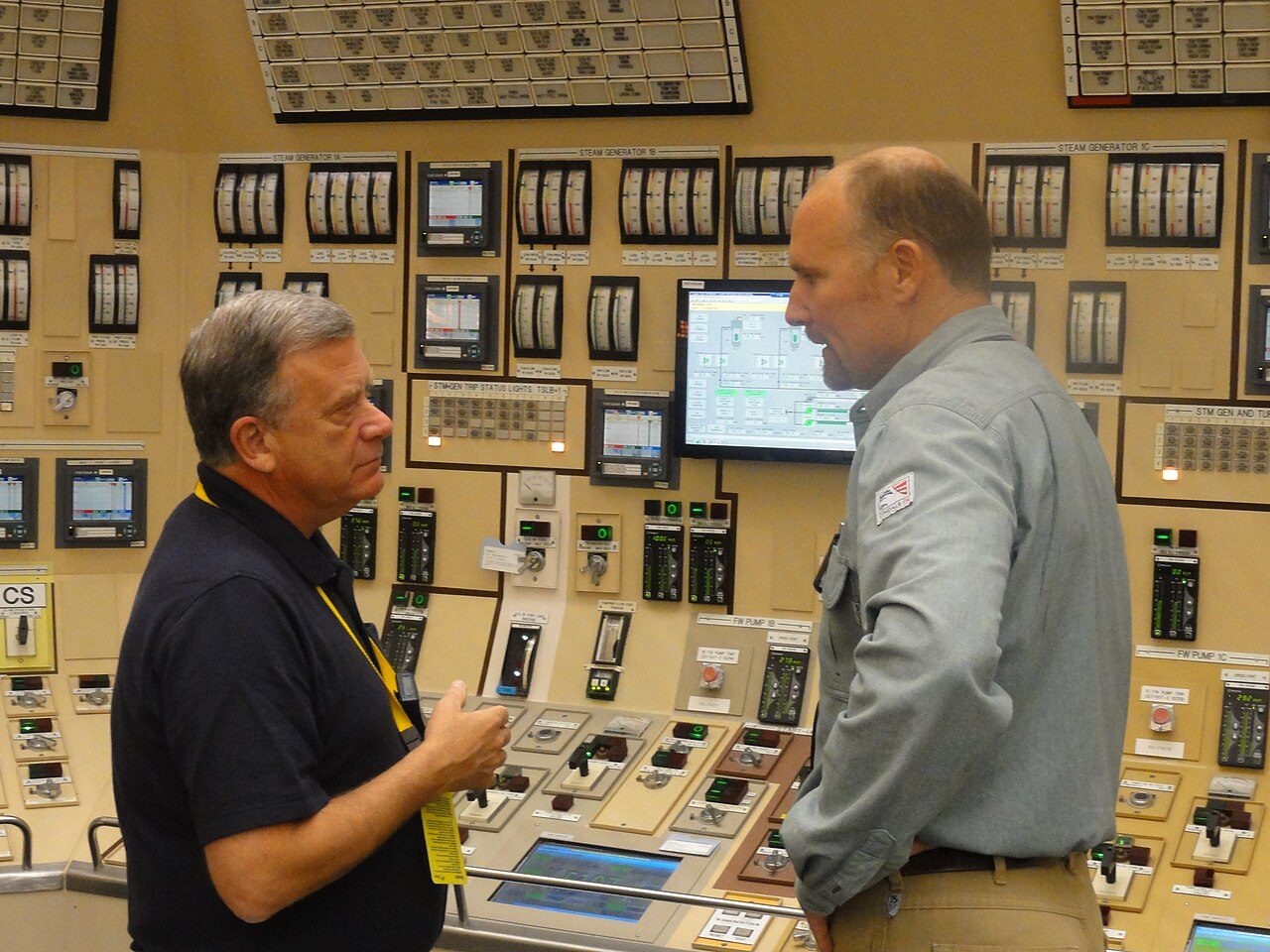
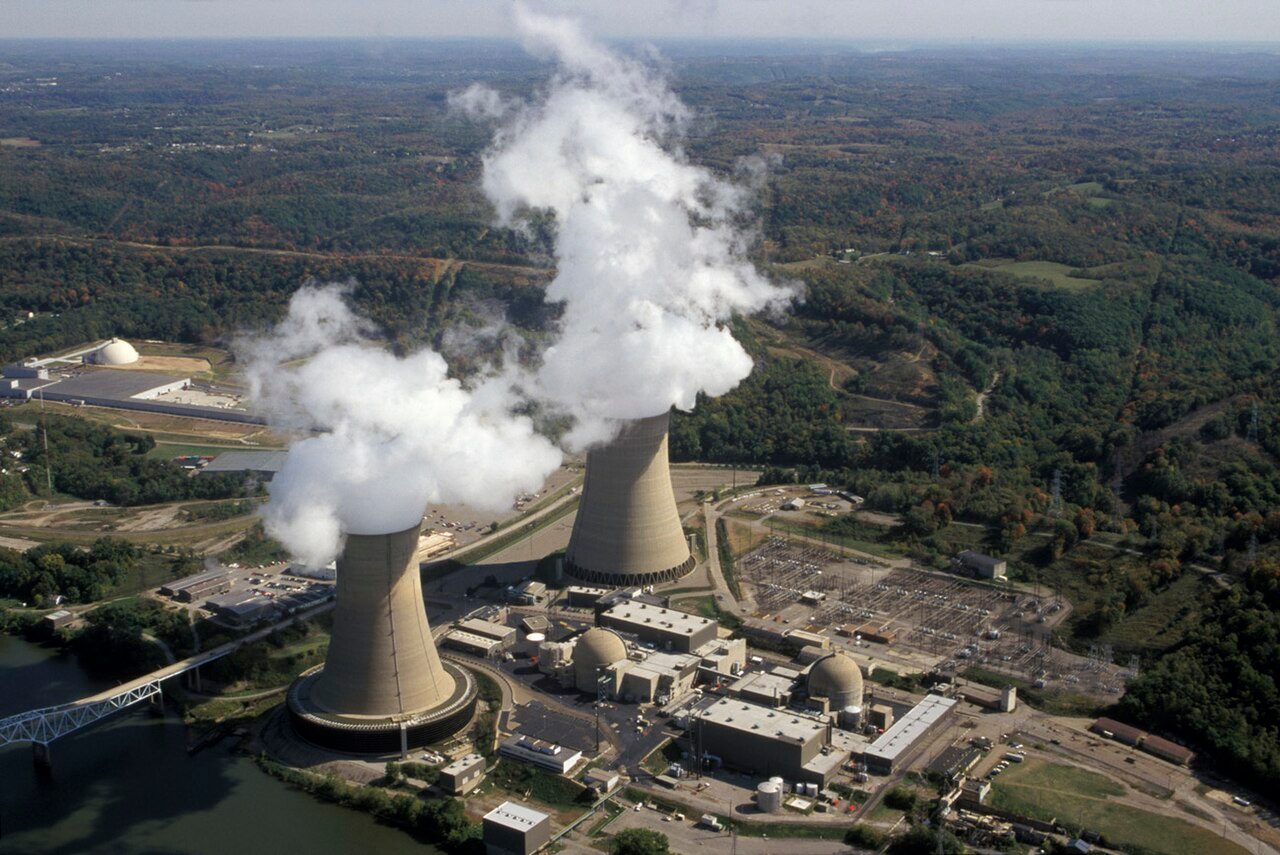
Google and Constellation Energy announced on October 6, 2026 a 20-year power purchase agreement backing uprates at 11 Constellation nuclear units in Illinois, Pennsylvania and New Jersey that Constellation says will add 890 MW to the PJM grid, the first by 2028, plus a 15-year agreement for 2,700 MW from its operating PJM fleet. Constellation calls it a direct response to PJM's bring-your-own-power proposal, which both companies have asked FERC to reject except its registry.
Interconnection queues and costs in the US
As of October 9, 2026, PJM's first reformed queue cycle is in study with 617 projects and its new fast track has accepted three, upgrade costs drove a Massachusetts battery out of ISO New England's queue, and FERC is weighing PJM and MISO data-center load rules.
DOE offers Vistra conditional loan of up to $4.2B for nuclear uprates
The US Department of Energy announced on October 5, 2026 a conditional commitment for a loan of up to $4.2 billion to Vistra for uprates and modernization at Beaver Valley, Perry and Davis-Besse, which DOE says will add 433 MW and preserve nearly 4 GW, with an option to finance potential future Comanche Peak uprates. Vistra must meet conditions before the loan is documented and funded; Meta agreed in January to buy 433 MW of uprate output from the same plants, and Vistra plans NRC uprate filings from 2029 to 2032.
Oracle deal expected to absorb about $300 million of Point Beach fuel costs
Oracle will subscribe to a portion of Point Beach Nuclear Plant output that We Energies is required to buy; both companies said on October 2, 2026 it is expected to save We Energies customers approximately $300 million in fuel costs, Oracle says it is subject to Public Service Commission of Wisconsin approval, and We Energies says details go to the commission in the following months. Neither release gives megawatts, price or term; Oracle ties the commitment to its Port Washington data center, and the contract behind the plant's rising cost escalates each year to 2030 and 2033.
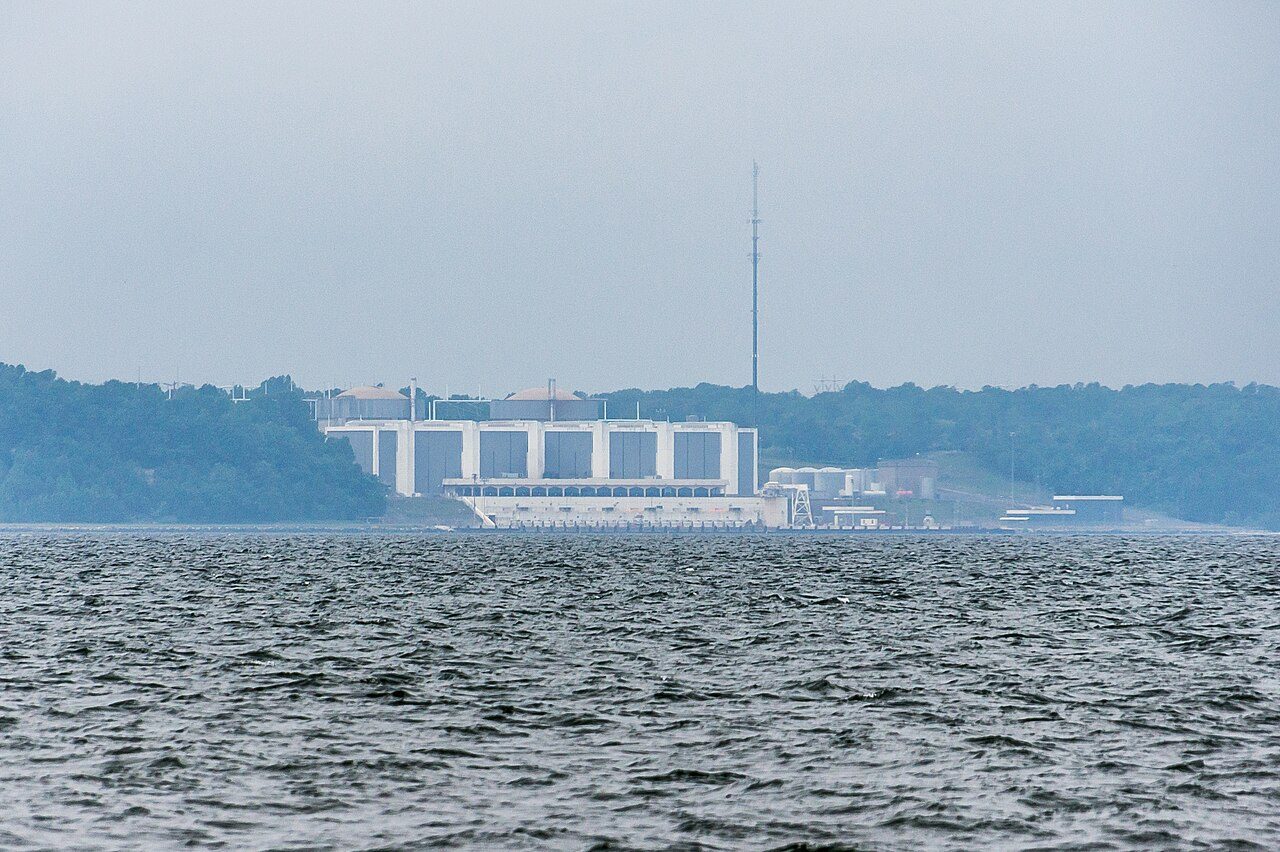
Amazon signs 20-year Calvert Cliffs PPA backing a 190 MW nuclear uprate
Constellation and Amazon announced on September 30, 2026 a 20-year power purchase agreement for 690 MW from the Calvert Cliffs Clean Energy Center in Lusby, Maryland, including an approximately 190 MW uprate Constellation expects online between 2030 and 2032. Constellation says the deal enables more than $3 billion of investment and will help provide the revenue certainty to relicense the plant for another 20 years; all output keeps flowing to the PJM grid, and a related retail supply agreement covers Amazon operations in the 13-state PJM market.
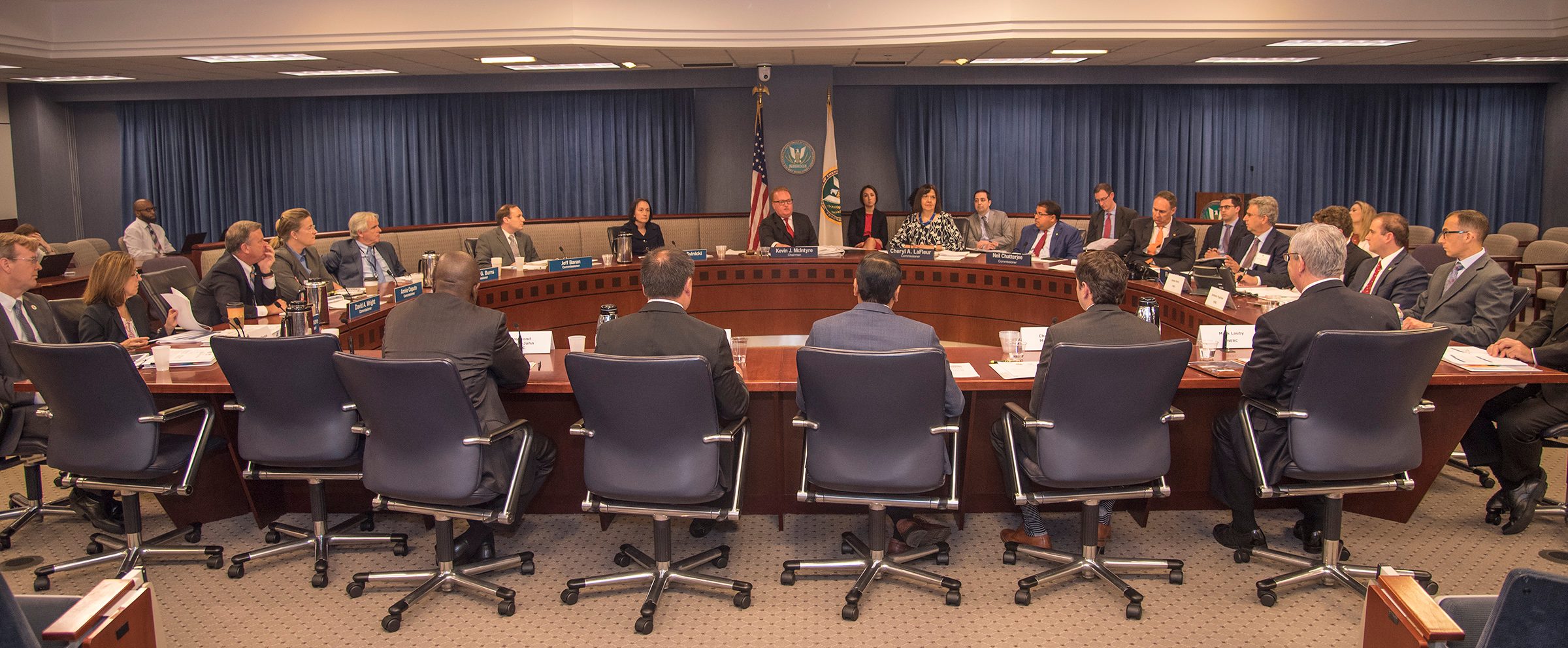
FERC accepts PJM backstop procurement but suspends it to February 2027
FERC on September 29, 2026 accepted PJM's one-time Reliability Backstop Procurement for filing in docket ER26-3380-000 but suspended it for five months, to February 28, 2027, subject to refund, set a paper hearing on cost allocation, transmission-owner exit rules and load-serving-entity collateral, and opened a section 206 proceeding. It found the core design, from eligibility rules to the $555/MW-day average price cap, just and reasonable and encouraged a new section 205 filing. PJM says the procurement will not begin on September 30 as planned.
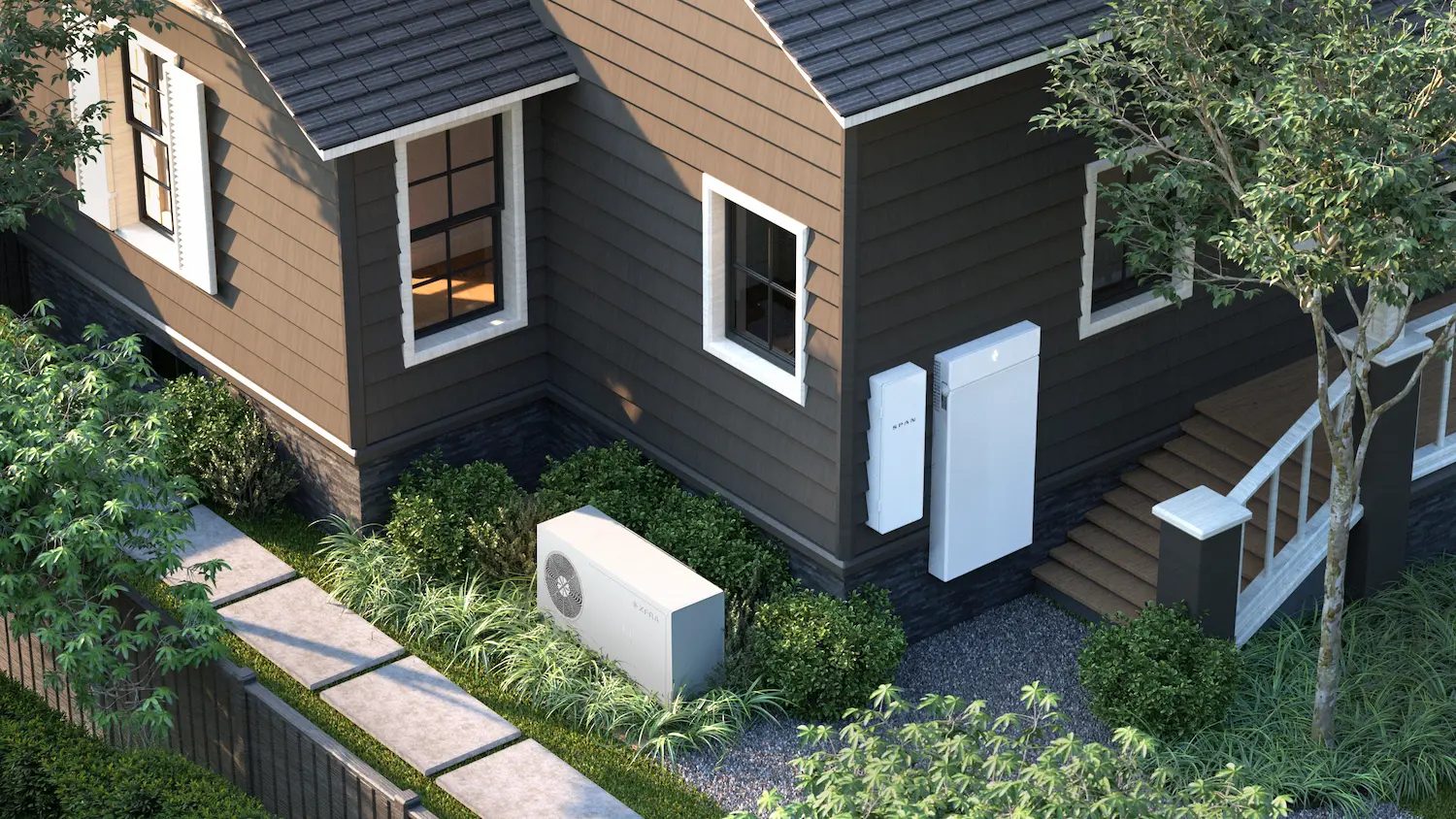
Sunrun to supply solar and batteries for SPAN's XFRA nodes in Texas homes
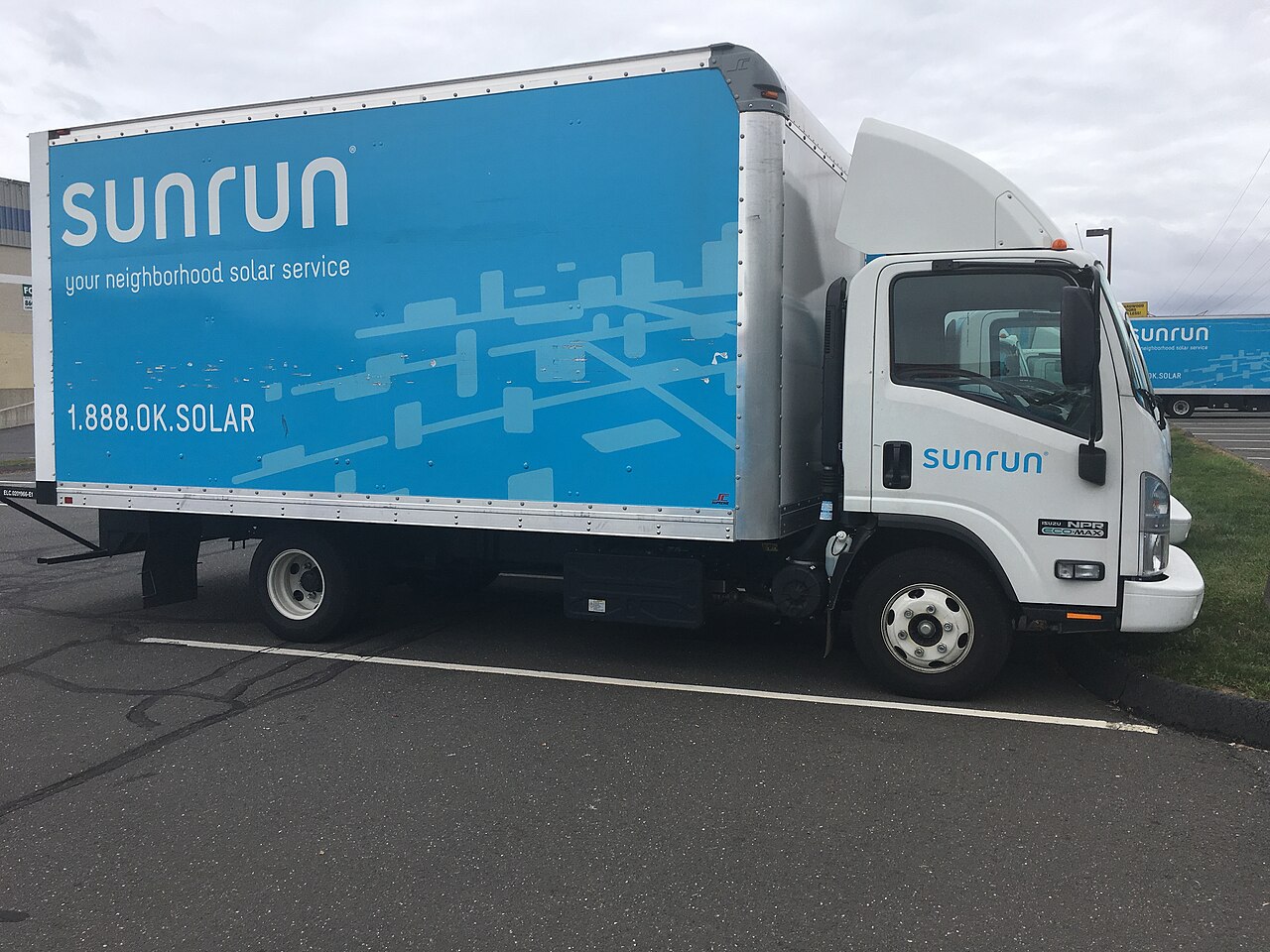
Sunrun and SPAN said on September 23, 2026 that Sunrun will provide home solar and battery storage to help power SPAN's XFRA distributed data center nodes, starting in Texas new-construction communities and other unnamed markets; each host home gets a smart panel, batteries and solar through a pre-paid lease and hosting compensation, at no cost to the builder or buyer. The release names no node count, price or compute buyer; SPAN's xfra.ai page specs each node at 16 NVIDIA GPUs with a 15 kWh battery and says it is on a first 100-home proof of concept and plans to expand more broadly in 2027.
NVIDIA opens DSX Ready battery qualification for AI factories, names three
NVIDIA said on September 21, 2026 that it is introducing DSX Ready, a qualification program for partner products that meet applicable NVIDIA DSX AI factory reference design requirements, starting with batteries and cooling units. At launch it lists qualified BESS solutions from Hitachi Energy, LG Energy Solution and Tesla. Its BESS self-qualification guideline sets the boundary at the AC terminals and defines twelve partner-run tests, including ride-through, black start and AI load buffering, that NVIDIA reviews and approves; the guideline says passing does not imply site-level stability.
nT-Tao and Orion sign MoU on US deployment of up-to-20 MW fusion system
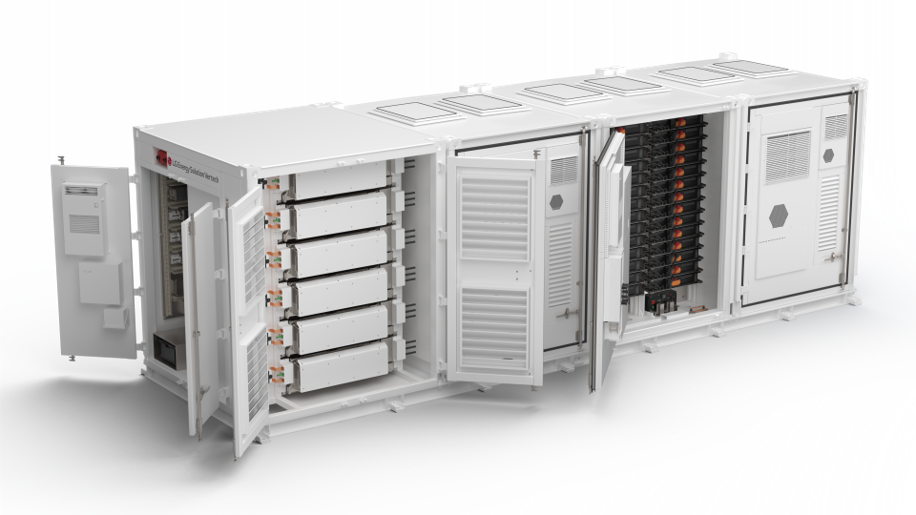
nT-Tao and Orion Nuclear Energy Corporation said on September 21, 2026 that they signed a memorandum of understanding under which Orion will act as US project development and commercialization partner for nT-Tao's Compact Fusion System, an on-site unit the company says is designed to deliver up to 20 MW and remains under active development; the companies plan to work toward identifying a limited number of initial US opportunities for further evaluation. The release names no investment, site or timetable; nT-Tao dates the C3 prototype's first plasma to January 2026.
Congress moved four energy bills in three days; one goes to the President
Between September 15 and 17, 2026, the House passed the High-Capacity Grid Act (H.R. 6633) and the Load Forecasting Enhancement Act (H.R. 9332) by voice vote and the Ratepayer Protection Act (H.R. 9340) by 417 to 3, and the Senate passed the Hydropower Licensing Transparency Act (H.R. 3657) by unanimous consent without amendment; the bill status record shows that bill presented to the President on September 17 and the other three received in the Senate. Each orders a report, a rulemaking, study boards, or a state proceeding; none funds or builds anything.
PJM proposes ride-through rules for data centers after 3,800 MW drop-off
PJM presented proposed voltage and frequency ride-through requirements for large computational loads, a category PJM says includes data centers and crypto-mining facilities, at its September 8, 2026 Planning Committee, after a July 22 fault in the Dominion zone that PJM's August 6 Operating Committee deck says sent approximately 3,800 MW of load onto backup power. PJM plans to file at FERC in November 2026 in docket EL26-67-000, where FERC faulted the tariff in June for specifying no ramp-rate or ride-through requirements and on August 14 paused the proceeding until November 16.
DOE closes loan of up to $1.9B for Duane Arnold nuclear restart
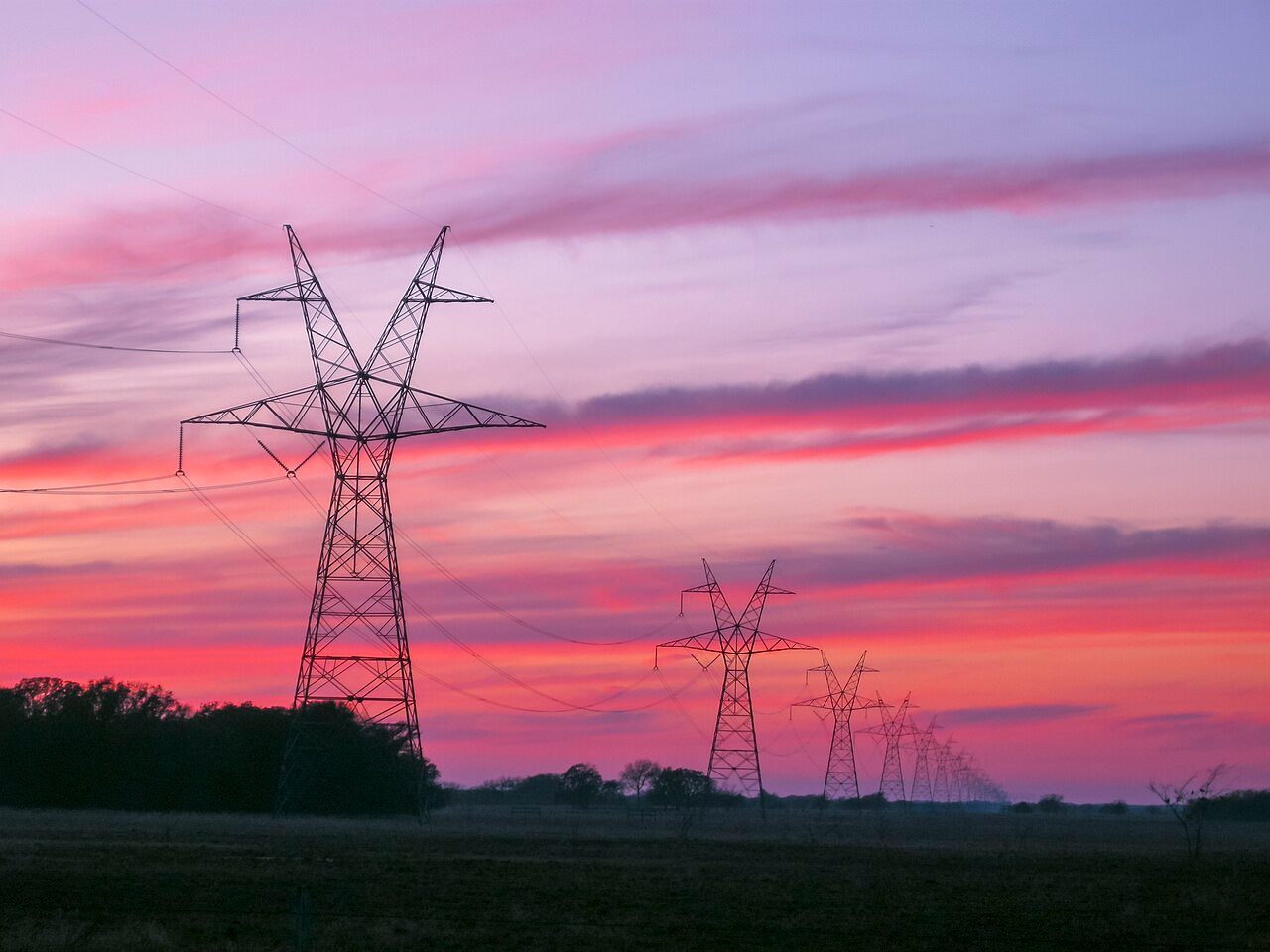
The US Department of Energy's Office of Energy Dominance Financing announced on September 8, 2026 the financial close of a loan of up to $1.9 billion to NextEra Energy for the restart of the 615 MW Duane Arnold Energy Center in Linn County, Iowa, shut down since August 2020. NextEra plans to restart the plant no later than the first quarter of 2029, pending regulatory approvals, and NRC staff expect to issue final licensing decisions by January 29, 2028. Google holds a 25-year agreement for power from the plant, with Central Iowa Power Cooperative buying the remainder on the same terms.
SB Energy IPO filing shows about 5.5 GWac of contracted solar and storage
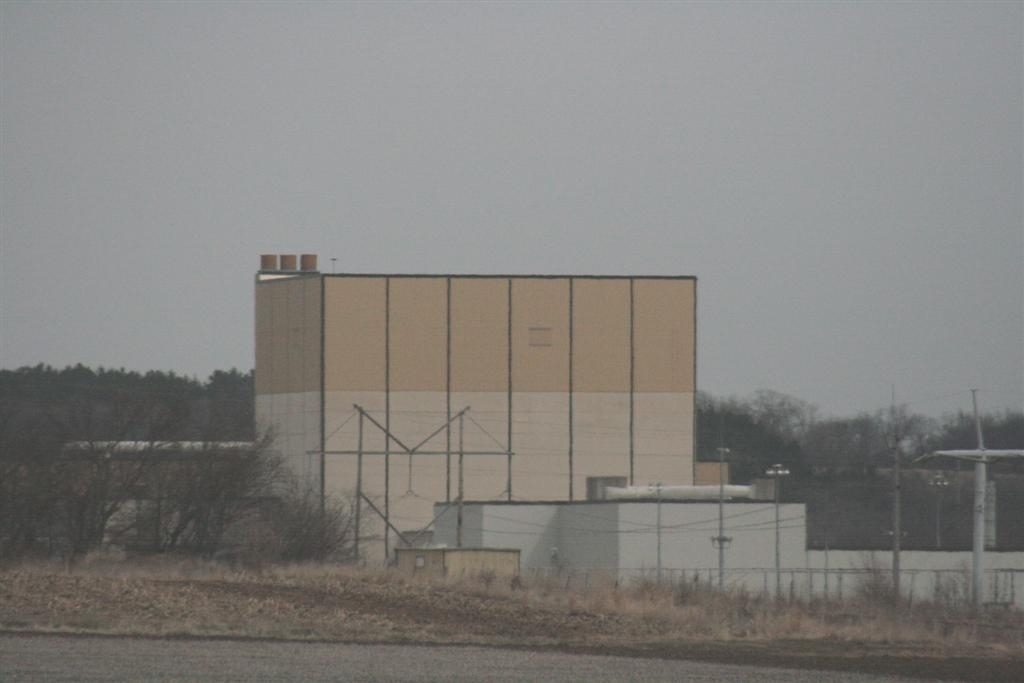
SB Energy, Inc., the SoftBank-backed developer, filed a Form S-1 with the SEC dated August 31, 2026 and posted September 1 for a Nasdaq IPO under the symbol SBE. The filing describes a Standalone Power Contracted Portfolio of approximately 5.5 GWac of solar and battery storage, about 2.2 GWac of it operating, about $10 billion of power backlog, and about $430 billion of data center backlog from campuses leased to SoftBank and OpenAI, with the 8 GW-IT Ohio campus expected to be supported by the PJM transmission system and neighboring gas plants that SB Energy says it does not expect to own.
Google to buy from 86 MW solar and zinc storage project in West Virginia
MN8 Energy, Eos Energy Enterprises, and Google announced on September 2, 2026 that Google will purchase the energy, capacity, and clean energy attributes of MN8's Mammoth Solar project in Kanawha County, West Virginia: 86 MW of solar, 70 MW/280 MWh of lithium-ion storage, and 10 MW/100 MWh of Eos Z3 zinc-based long-duration storage on a reclaimed coal mine. MN8 expects the solar online in 2028, the lithium-ion in 2029, and the zinc system in 2030, and estimates up to $350 million in capital investment; the West Virginia PSC granted the project's siting certificate on November 24, 2025.

PG&E launches Google-funded SHARE virtual power plant in the Bay Area
Pacific Gas and Electric Company announced SHARE (Smart Home Assets for Reliability and Efficiency) on September 3, 2026, a virtual power plant proof of concept it says will enroll nearly 21,000 existing home energy devices through Tesla, Sunrun, and Renew Home and deploy new Carrier battery-enabled heat pumps in Alameda and Santa Clara counties, with Google funding customer incentives, technology deployment, and program delivery. PG&E expects the resource to begin supporting the grid as early as fall 2026 and the program to run through 2027; no capacity or dollar figure was disclosed.

Fervo and Google sign 396 MW geothermal PPA for possible Utah data center
Fervo Energy subsidiary Cape Generating Station 6 LLC signed a 15-year, 396 MW power purchase agreement with Google Energy LLC on August 26, 2026, announced September 1, for enhanced geothermal output from Cape Station in Beaver County, Utah, delivered in four 99 MW sub-tranches with target commercial operation dates beginning in the third quarter of 2028. Fervo has agreed to offer Google an expansion of approximately 600 MW, for total contracted capacity of not less than approximately 950 MW with a guaranteed commercial operation date no later than June 2030, and says the project is intended to use delivery pathways under Utah's S.B. 132, subject to regulatory approvals.
Oklo asks FERC to reinstate its 750-MW project in PJM's queue
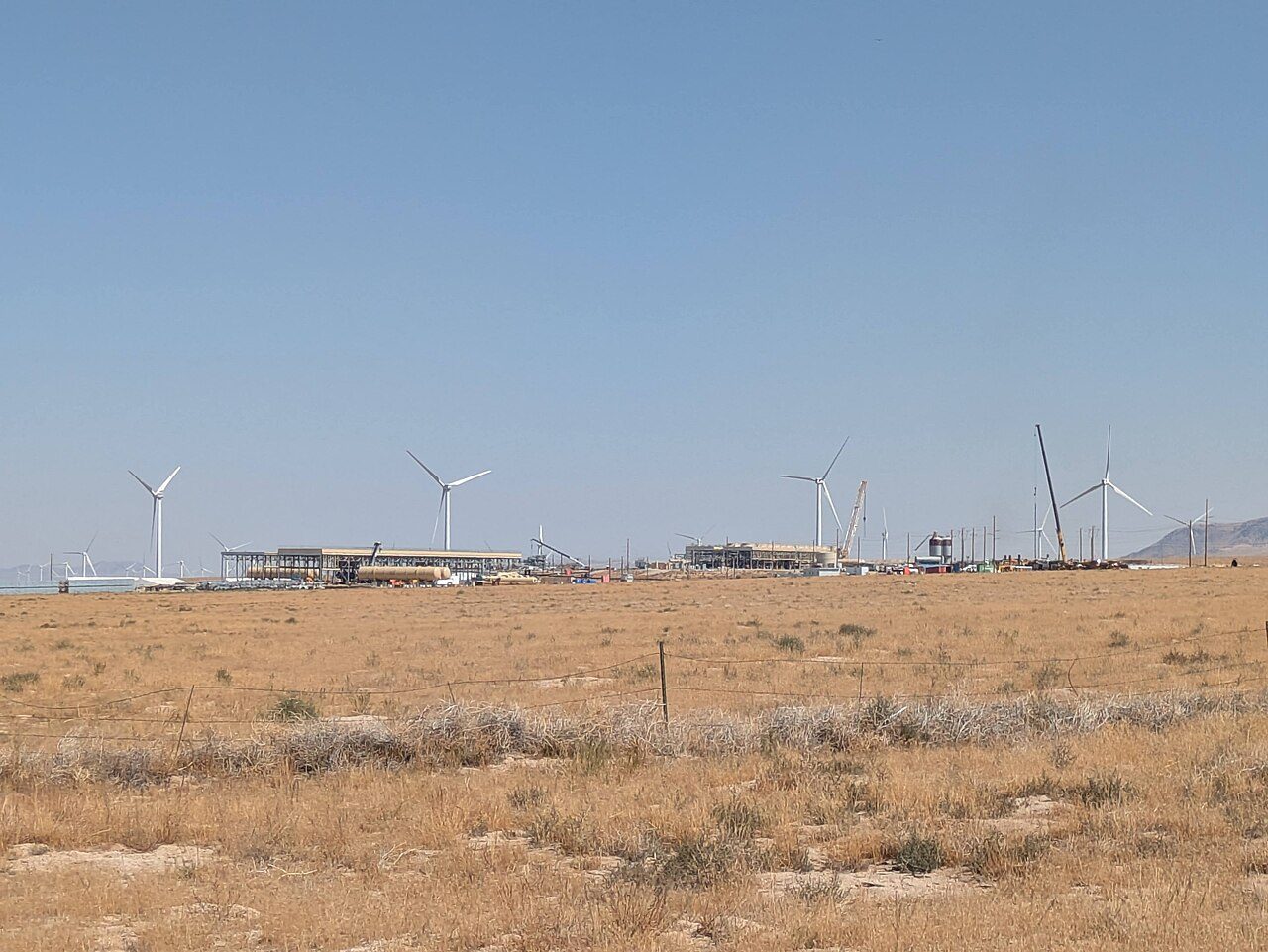
Oklo filed an emergency complaint at FERC on August 28, 2026 (docket EL26-101-000) asking the commission to order PJM to reinstate a 750-MW mixed-technology generation project, combining advanced nuclear, natural gas, and fuel cells, that PJM withdrew from the first cycle of its reformed interconnection study. Oklo says the withdrawal was unlawful and would delay the project by at least 14 months; it wants PJM to answer by September 4, 2026.
KIMM demonstrates ammonia heat pump cooling from 40°C waste heat
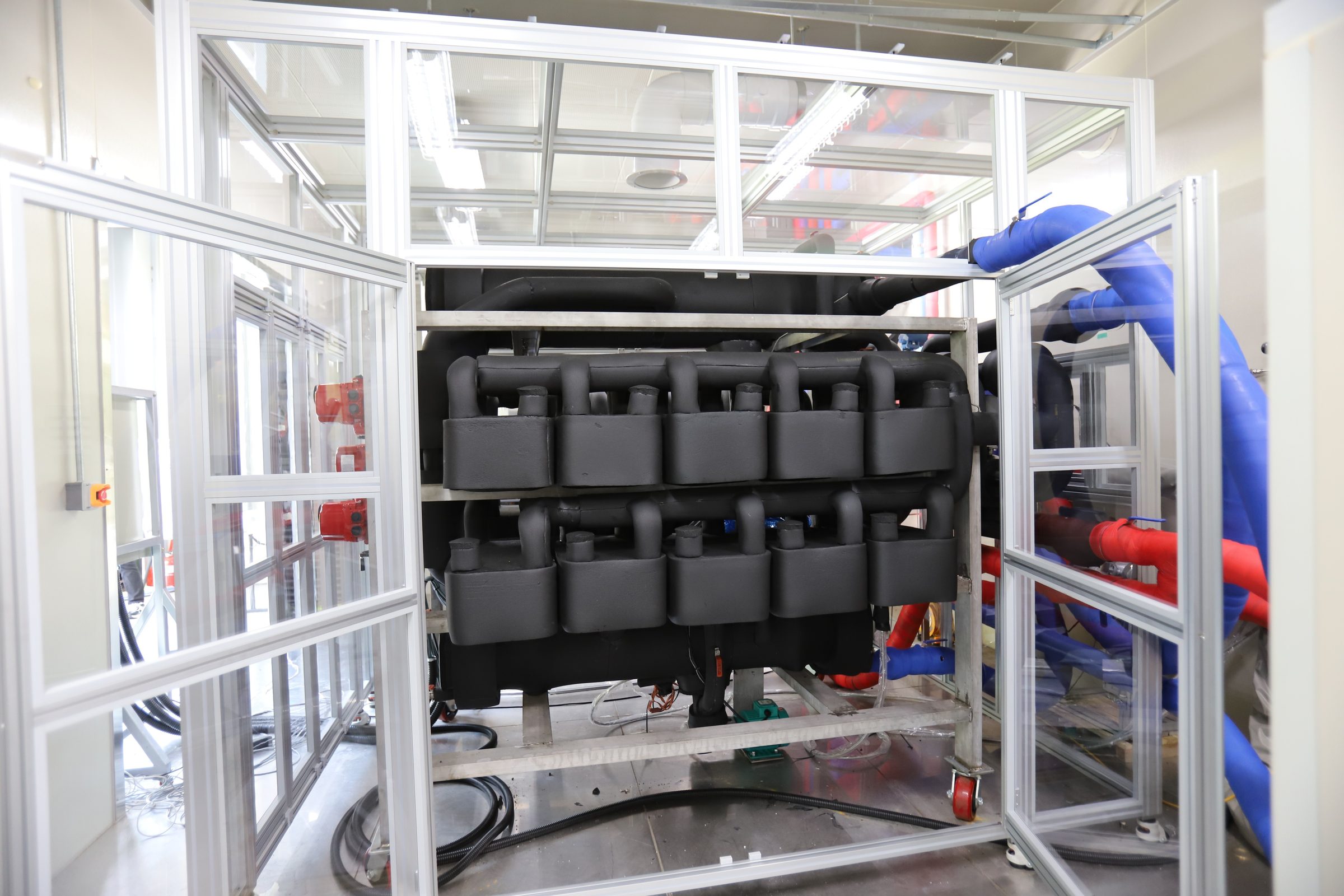
The Korea Institute of Machinery and Materials announced on August 5, 2026 that it demonstrated a chemical adsorption heat pump providing cooling from waste heat of approximately 40°C, well below the 70°C-plus that conventional adsorption systems require. Samjung Tech built a 10 kW-class prototype, and KIMM says the redesigned adsorption bed reaches a specific cooling power of 346.5 W/kg, more than twice that of comparable international technologies.
Sunrun will supply home battery capacity to Voltus's AI hyperscaler deals
Sunrun announced an agreement on August 17, 2026 to supply capacity from a portion of its residential solar-plus-storage systems in PJM and MISO to Voltus's Bring Your Own Capacity programs for AI hyperscalers. Voltus's first disclosed BYOC buyer was Google, under a June 2026 agreement covering up to 100 MW of distributed resources a year in PJM.