 The Duck Curve
Google signs 50 MW superhot geothermal PPA with Quaise in Oregon
Deliveries could start as early as 2030 from a first phase drilled with conventional rigs; DOE lists the Newberry field test at 265–365°C, below ARPA-E's 375°C superhot floor.
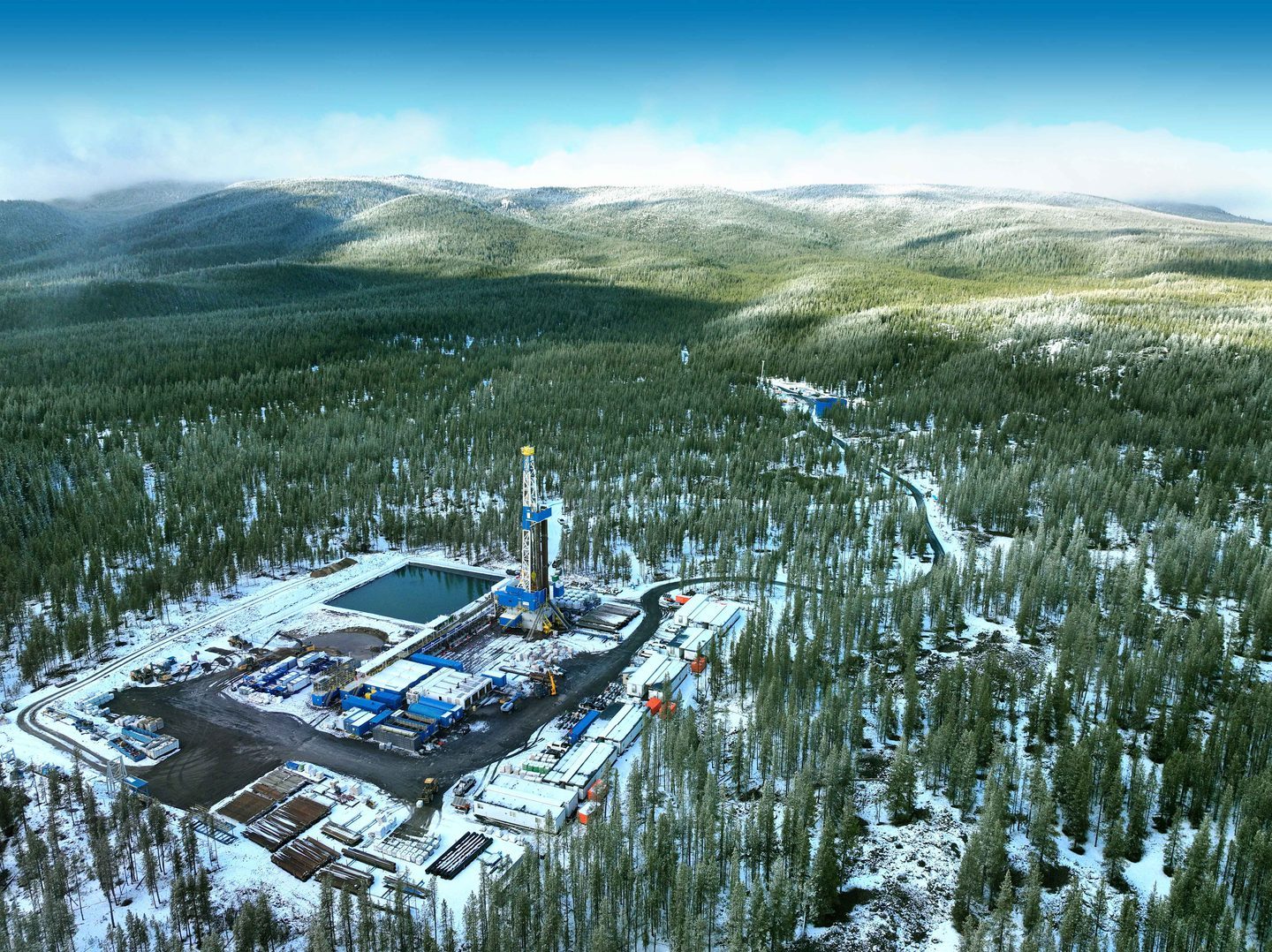
Google has signed a power purchase agreement for 50 MW from Project Obsidian, the Central Oregon plant Quaise Energy bills as superhot geothermal, with deliveries beginning as early as 2030, Quaise announced on November 17, 2026. The power is slated to support Google's existing data center operations in The Dalles and "the region's communities," per the release. Neither company disclosed a price, OPB reported.
The contract is about the size of the plant's first phase. Quaise's September 22 release said phase one "is expected to produce more than 50 megawatts of electric power by 2030," and that Obsidian has "potential for expansion up to one gigawatt of electricity." Google has, in effect, bought the opening act.
Two phases, two drilling methods
The release splits the project in two. The initial phase "will use conventional drilling technology to access superhot geothermal conditions at commercial scale," and the second phase "is expected to be the first in the world to use millimeter wave drilling," a technology developed after more than a decade of research at MIT. The company's pitch for that tool is that it "can plug into existing drilling rigs to economically reach superhot geothermal conditions." So the megawatts Google buys first come from conventional rigs, and the drill Quaise is known for arrives with phase two.
Drilling was underway by October. In an October 26 video from the site, Quaise's Trenton Cladouhos said the first resource confirmation well would go to 15,000 feet and 700 degrees Fahrenheit, after which the rig moves to drill an injection well and a production well for a flow test "proving out 10 to 15 megawatts of electricity production potential." The September release, announcing Quaise's selection for up to $25 million in Department of Energy funding, said a three-well configuration targets "average reservoir temperatures of over 300°C" and more than 25 MW of gross electric capacity, and that Quaise expects to drill a later well at Obsidian to temperatures over 400°C.
"Superhot" carries a number in federal usage. ARPA-E's SUPERHOT program defines super-hot reservoirs as above 375°C and 22 MPa, and DOE's project list describes Quaise's Newberry field test at bottomhole temperatures of 265–365°C. By our arithmetic, 700°F is about 371°C. The first wells approach the federal line from below; the 400°C well would cross it, a gap our ARPA-E coverage noted on November 13.
A buyer for the superhot tier
When Quaise announced the first close of its Series B on July 7, 2026, it said it was advancing "toward first revenues secured by yet-undisclosed commercial off-take partners." Google is the first of them Quaise has named. The round closed in August at $180 million, including $35 million from Nabors Industries, per the November release.
Its Newberry neighbor has money and, so far, no named customer. Mazama Energy raised $135 million in September for its own superhot wells at Newberry and reported a CO2-cooled drilling test on November 16, and neither announcement named a buyer. OPB called the Quaise contract the world's first commercial-scale superhot rock geothermal deal, a claim the release itself does not make.
Google's geothermal buying did not start here: Fervo signed a 396 MW agreement with Google on August 26, 2026 for Cape Station in Utah. The November release puts Google's clean energy buying from 2010 to 2025 at more than 240 agreements for nearly 35 GW.
Getting the power to The Dalles
Delivery needs new wire. Quaise will need to build a 10-mile transmission line from the site to the nearest substation in La Pine, and from there the energy will move up the grid to The Dalles, OPB reported. The release says grid upgrades associated with the project "will strengthen reliability for local consumers," without describing them.
Carlos Araque, Quaise's chief executive, told OPB that a gigawatt "is too much power to be serving only one kind of customer," and that a data center "just happens to be the first mover, the fastest mover that is able to take that risk." Lucia Tian, Google's head of advanced energy technologies, said in the release that the collaboration "will help fuel local economic growth while helping to build a more robust and affordable energy future for Oregon."
Outlook
The dates to watch are Quaise's. If the confirmation well reaches its planned 15,000 feet and 700°F, the injection and production wells and their flow test come next, and that test is the first measured check on the 10 to 15 MW of production potential Cladouhos described. The 2030 start of deliveries depends on that sequence and on the La Pine line OPB described. Whether the first phase counts as superhot by the federal definition will rest on the temperatures those wells actually reach, which the September release puts above 300°C on average for the first three.
⚠ The Outlook extrapolates from Quaise's October 26, 2026 site video (planned well depth, temperature and flow-test sequence), its September 22, 2026 release (three-well temperature and capacity targets) and OPB's report of the La Pine transmission line; it adds no figures of its own.
Sources
Primary
- Quaise Energy Signs 50 MW Geothermal Power Purchase Agreement with Google · Quaise Energy (also via Business Wire)
Supporting
- Quaise Energy Raises $134 Million in First Close of Series B to Build World's First Superhot Geothermal Power Plant · Quaise Energy
- Pilots and Demonstrations: Next-Generation Field Tests and Drilling New Resources · U.S. Department of Energy, Geothermal Technologies Office
- Quaise Energy Selected for Up to $25 Million in U.S. Department of Energy Support to Advance World's First Commercial Superhot Geothermal Power Plant · Quaise Energy
- Confirming the Resource at Project Obsidian · Quaise Energy
- Google to buy superhot rock geothermal power from Newberry Volcano for data centers · OPB
- SUPERHOT program page · U.S. Department of Energy, ARPA-E
Copies of cited sources are retained where available. If a link no longer resolves, request a copy at contact@theduckcurve.com.