 The Duck Curve
#egs
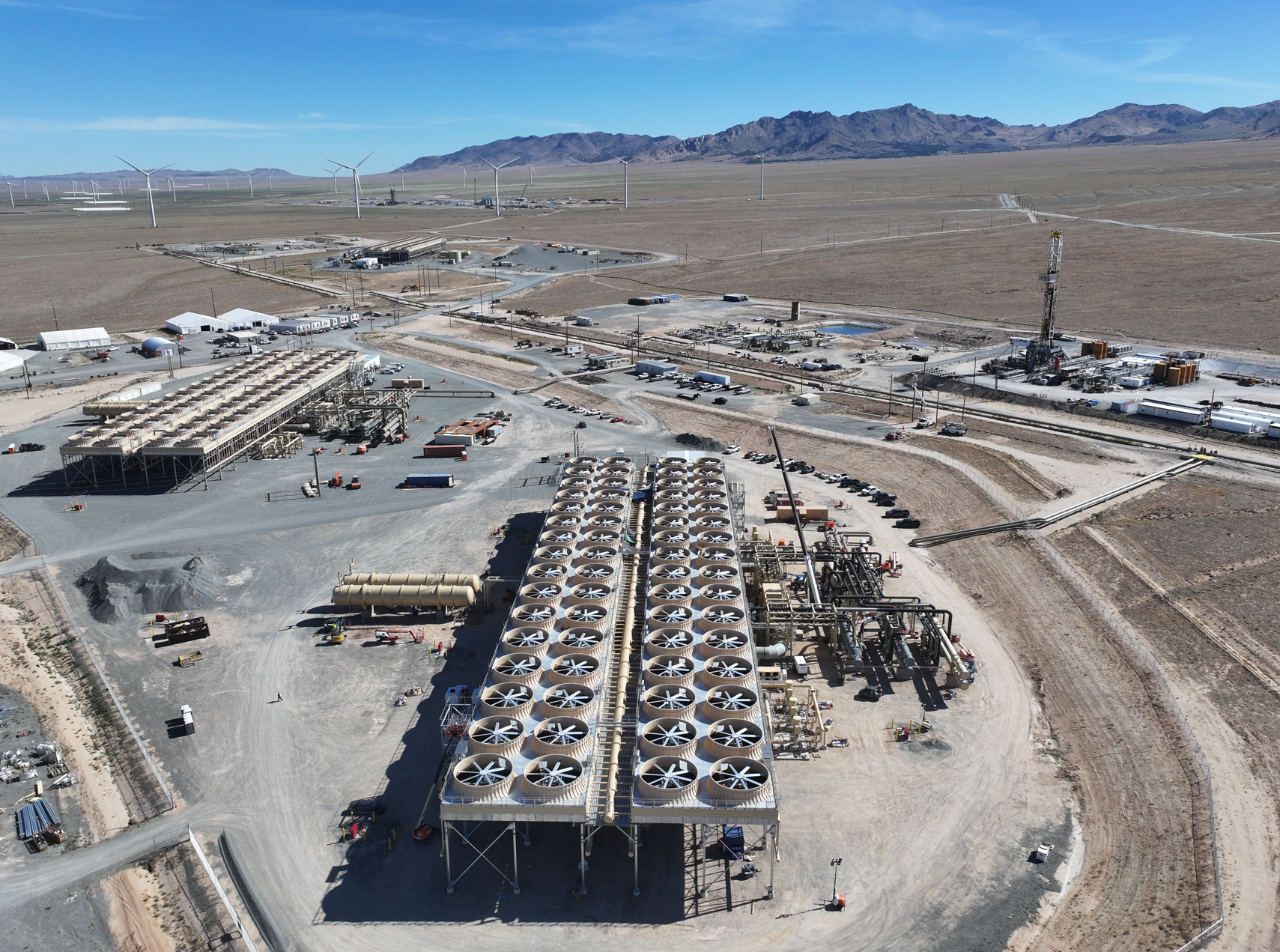
Fervo declares commercial operation at Cape Station's first 33 MW GeoBlock
Fervo Energy said on October 1, 2026 that the first of Cape Station Phase I's three 33 MW GeoBlocks in Beaver County, Utah declared commercial operation on September 30, 2026, one day before its contractual date, and that revenue is now being generated under a power purchase agreement; the company's August 10-Q risk factors had put first power in the fourth quarter of 2026. Fervo expects the remaining two GeoBlocks to reach contractual COD by January 1, 2027.
-
DOE selects five EGS field tests and 16 geothermal drilling projects
The US Department of Energy said on September 21, 2026 that it selected 21 geothermal projects for award negotiations: five field-scale enhanced geothermal system tests (Fervo, Zanskar, AlterG, the University of Utah and Quaise) and 16 exploration drilling projects. The press release says more than $99 million; the Geothermal Technologies Office's article says up to $99 million for the first budget period. None of the three DOE pages lists per-project amounts.
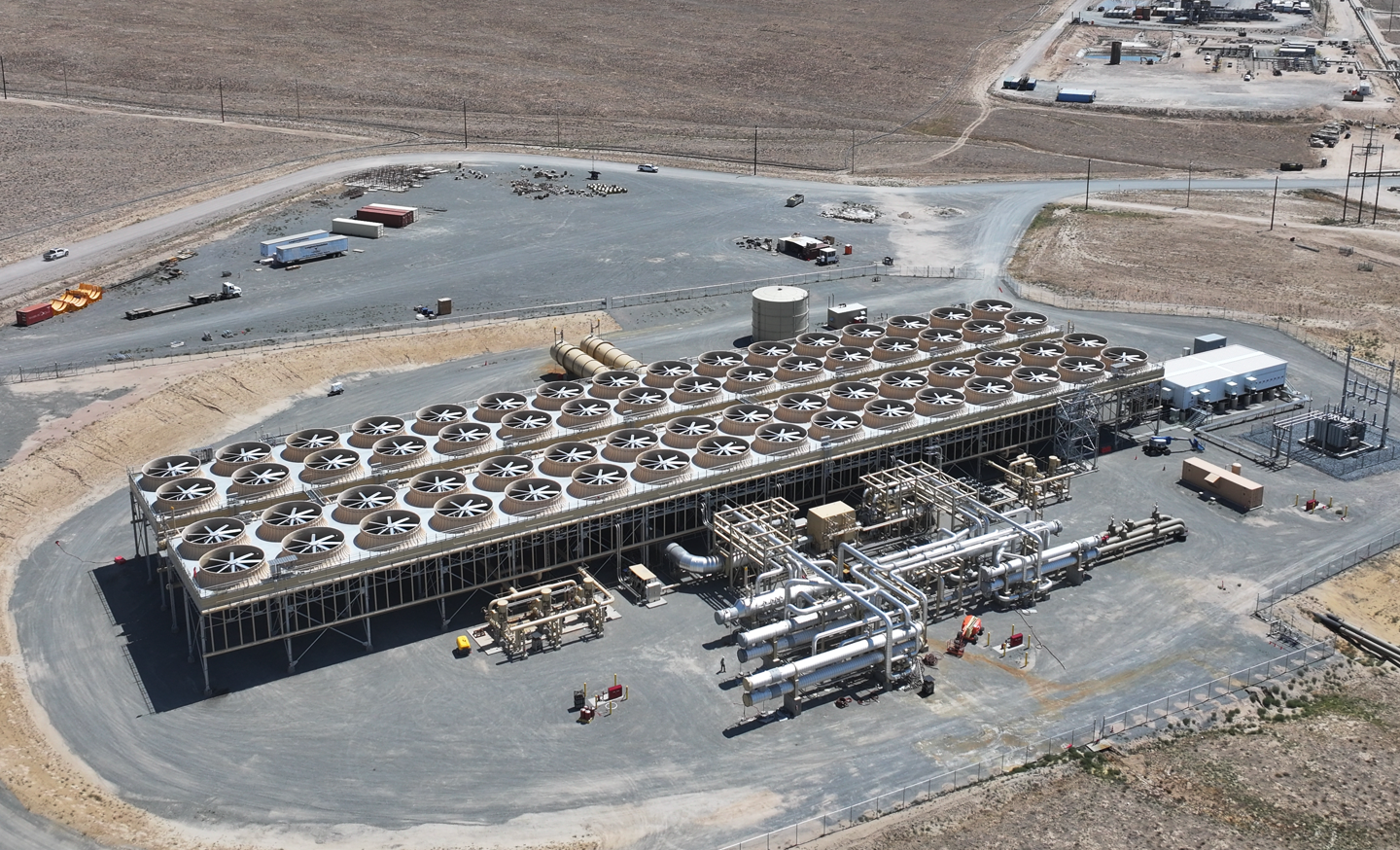
Fervo reports first power from Cape Station's first 33 MW GeoBlock in Utah
Fervo Energy said on September 24, 2026 that Cape Station, its enhanced geothermal development in Beaver County, Utah, reached what it calls First Power: the first of Phase I's three 33-megawatt GeoBlocks is synchronized to the grid and exporting electricity, with a contractual commercial operation date it expects to reach by October 1, 2026, the other two by January 1, 2027. Fervo's August 13 10-Q guided first power to the fourth quarter of 2026; its May prospectus defines a GeoBlock as 50 MW and puts its first Cape Station project at approximately $7,000/kW in overnight capital costs.
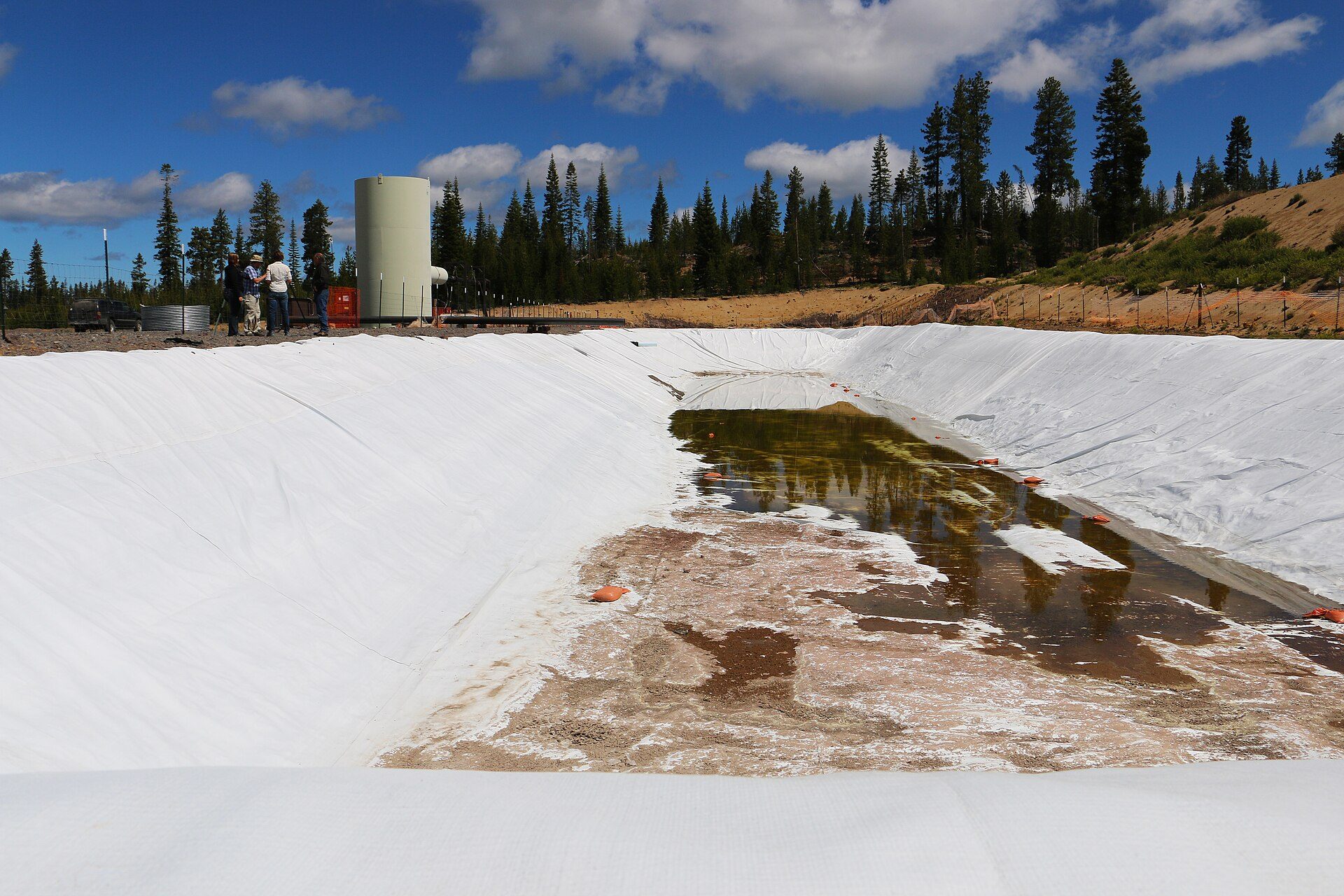
Mazama Energy raises $135M for superhot geothermal wells at Newberry
Mazama Energy announced $135 million in new capital on September 17, 2026, including an oversubscribed Series B led by Centaurus Capital and Doerr Capital, for its Newberry, Oregon engineered geothermal system, which it calls the hottest ever built at 629°F. The money funds Project Ceres, DOE-supported horizontal wells; the BLM issued a categorical-exclusion decision record on a Project Ceres geothermal operations plan on July 24, 2026, and the company now says Ceres will demonstrate power generation in 2027, where its October 2025 release had placed a 15 MW pilot in 2026.
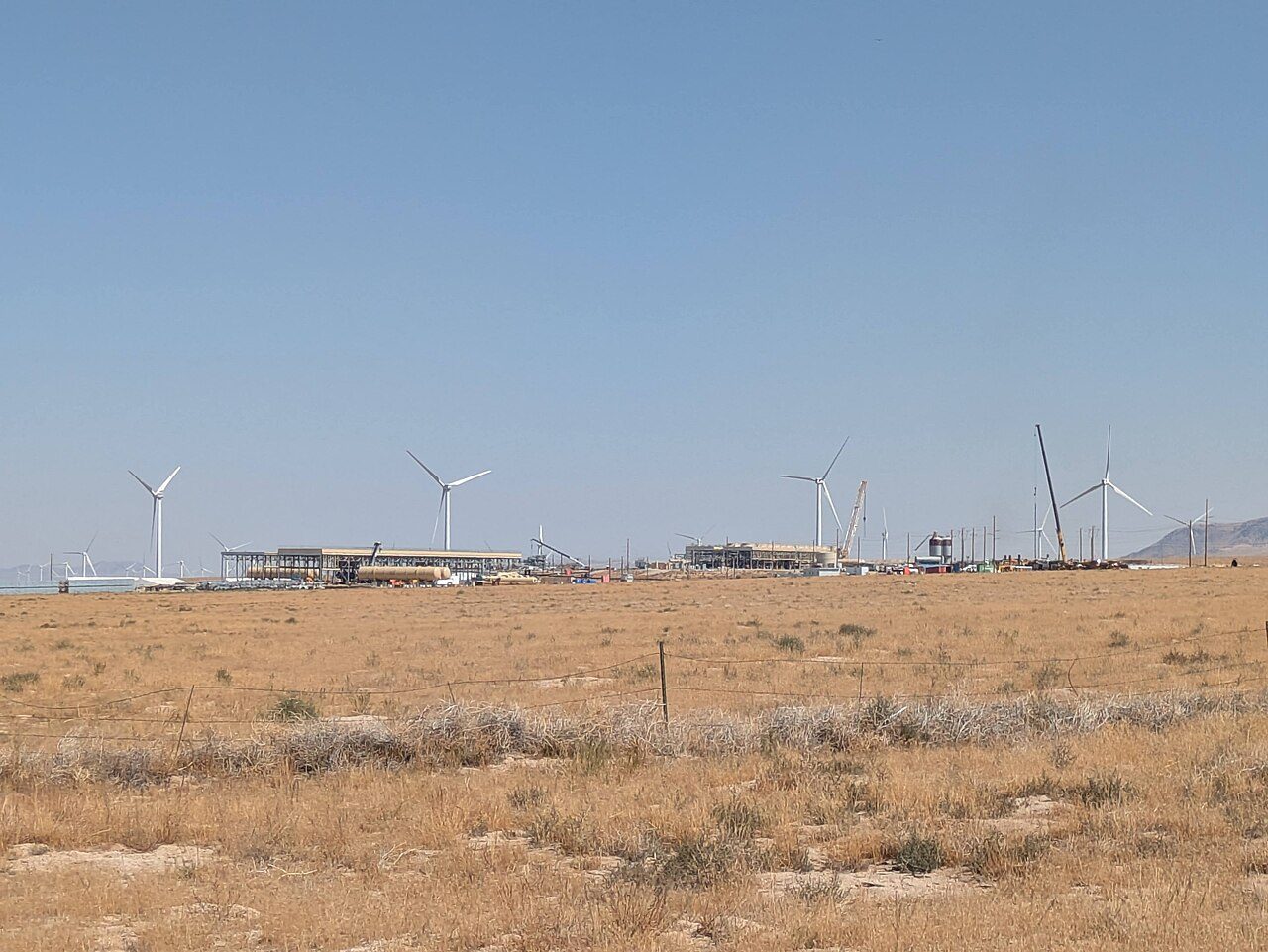
Fervo and Google sign 396 MW geothermal PPA for possible Utah data center
Fervo Energy subsidiary Cape Generating Station 6 LLC signed a 15-year, 396 MW power purchase agreement with Google Energy LLC on August 26, 2026, announced September 1, for enhanced geothermal output from Cape Station in Beaver County, Utah, delivered in four 99 MW sub-tranches with target commercial operation dates beginning in the third quarter of 2028. Fervo has agreed to offer Google an expansion of approximately 600 MW, for total contracted capacity of not less than approximately 950 MW with a guaranteed commercial operation date no later than June 2030, and says the project is intended to use delivery pathways under Utah's S.B. 132, subject to regulatory approvals.
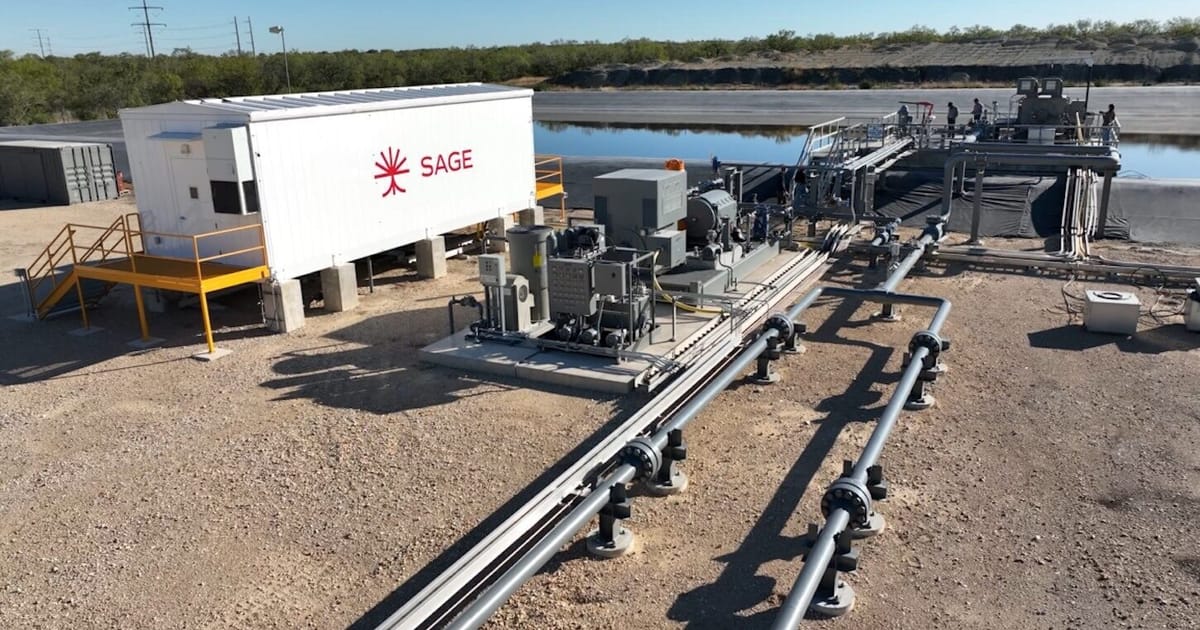
Sage Geosystems puts its 3 MW Texas geothermal plant in service
Sage Geosystems placed its SMECI enhanced geothermal facility in Christine, Texas in service on August 19, 2026, after more than 120 days of grid-connected operation. The company says the 3 MW plant held water losses below 10 percent across cycles and matched its reservoir model's predictions, results it is now applying to a planned commercial project at an Ormat site in Nevada.