 The Duck Curve
Policy
Legislation, regulation, incentives, and trade. The rules of the transition.
RSS feed for Policy →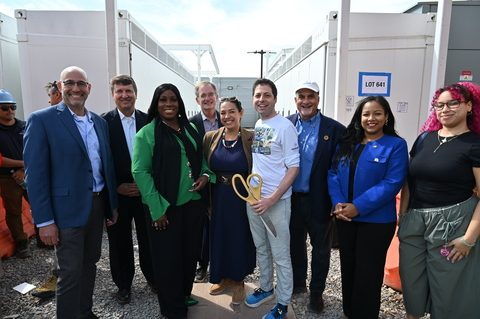
NineDot cuts ribbon on Bronx site it says will deliver nearly 20 MW
NineDot Energy said in a September 24, 2026 release that it cut the ribbon the previous day on a Hunts Point, Bronx battery storage site it calls its largest, which it says will be fully operational for summer 2027 and deliver nearly 20 MW to the local community, enough by its account for nearly 20,000 homes during peak grid hours. NineDot's projects page, read September 25, 2026, lists the site as under construction; NYSERDA's incentive dataset, as of September 4, 2026, carries four approved Retail Storage applications on Casanova Street totalling 19,584 kW AC and 78,336 kWh by our addition.
-
Lofgren fusion bill would appropriate $10 billion for commercialization
Rep. Zoe Lofgren (D-CA) and Rep. Jay Obernolte (R-CA) led the introduction of the American Leadership in Fusion Act, H.R. 10574, on September 24, 2026; GovInfo lists Lofgren as sponsor, four original cosponsors, referral to the House Science Committee and no posted text. A committee-posted draft dated September 16, 2026 would make six appropriations in five clauses summing to $10 billion by our arithmetic, put a DOE Office of Fusion under an Assistant Secretary for Fusion Energy, and list among its duties a goal to start building more than one fusion pilot power plant by December 31, 2028.
Rhode Island launches $32 million HOMES heat pump rebate for multifamily
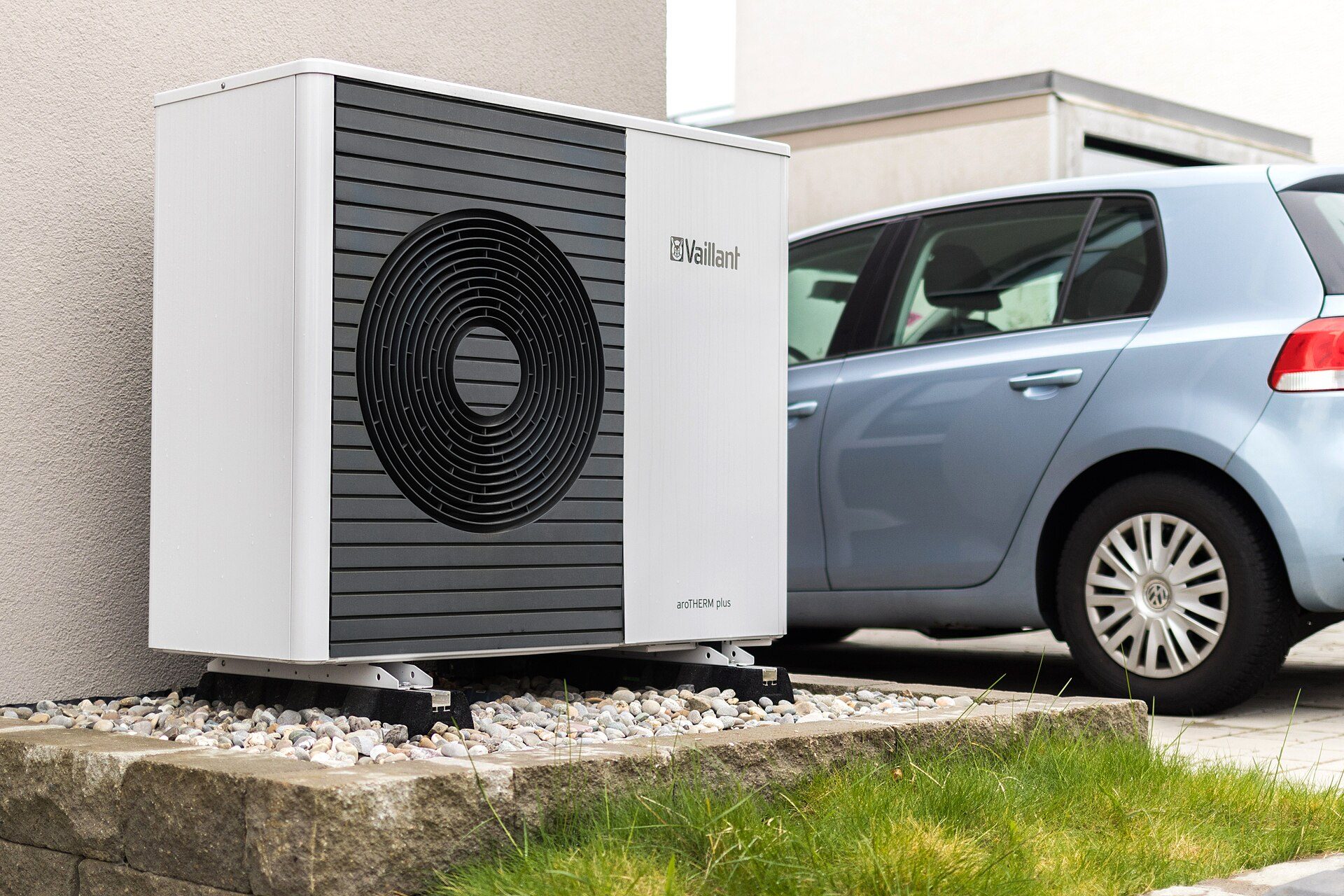
The Rhode Island Office of Energy Resources said on September 23, 2026 that it launched the $32 million federal Home Owner Managing Energy Savings (HOMES) program, approved by DOE, to fund heat pump installations in income-eligible multifamily buildings of five or more units at up to $16,000 per housing unit; OER calls Rhode Island the first New England state to launch HOMES. The program page requires modeled energy savings of at least 20 percent and at least half of units occupied by households under 80 percent of area median income.
DOE selects 31 SPARK grid projects for $1.9 billion in federal funding
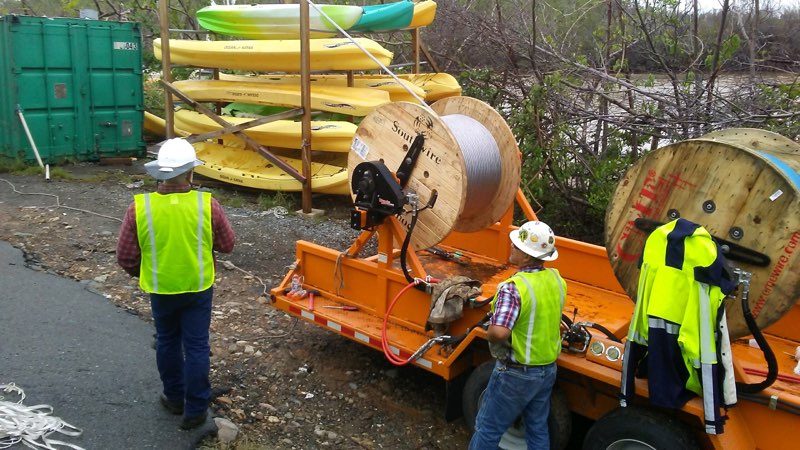
The US Department of Energy's Office of Electricity said on September 24, 2026 that it intends to help fund 31 grid-improvement projects across 26 states under the SPARK initiative: $1.9 billion in federal funding and $3.35 billion in recipient cost share, expected to reconductor or rebuild more than 1,500 miles of transmission lines and deploy grid-enhancing technologies across nearly 21,000 miles. Four state-led Topic Area 3 selections account for $810,395,919 of the listed federal funds by The Duck Curve's sum of DOE's selection document.
-
NRC's proposed reactor rule published; comments due November 9
The NRC's proposed rule 'Regulatory Enhancements for Reactor Licensing, Decommissioning, and Operational Oversight' was published in the Federal Register on September 24, 2026 at 91 FR 60702; its major provisions, the notice says, include changes in fifteen lettered areas, and comments are due November 9, 2026. The text says removing the 15-year expiration on standard design approvals would not modify existing approvals; the draft analysis of the rule and its associated draft guidance puts net averted costs over 30 years at $311 million (7 percent discount rate) to $411 million (3 percent).
-
Colorado awards $23.2M in fast-charging grants from NEVI and state funds
The Colorado Energy Office and the Colorado Department of Transportation said on September 22, 2026 that $23.2 million in Direct Current Fast-Charging Plazas grants, funded by the federal National Electric Vehicle Infrastructure (NEVI) program and the state's Community Access Enterprise, will fund what the release counts as 270 fast-charging ports at 35 locations. The release's own awardee list names 34 locations, and the awards sheet it links shows 34 sites with 260 ports requested for the round, with the sheet's NEVI, CAE and BESS EI columns summing to $23,195,000.

Massachusetts awards over $40M for storage at schools, housing and a resort
The Massachusetts Department of Energy Resources said on September 18, 2026 that its Advancing Massachusetts Power grant program awarded funding to 36 projects: 28 planned resilience batteries at schools, housing and other critical facilities, which DOER says will add roughly 10 megawatts, or 44 megawatt hours; six safety and education grants; and two planned long-duration projects, a 4 MW / 80 MWh Inlyte sodium-iron chloride battery at Berkshire East in Charlemont and a 0.24 MW / 2.4 MWh Eos zinc battery at an apartment complex in Medford. The listed awards sum to $40,315,189.
Newsom signs six EV bills on charger permits, fees, and battery labels
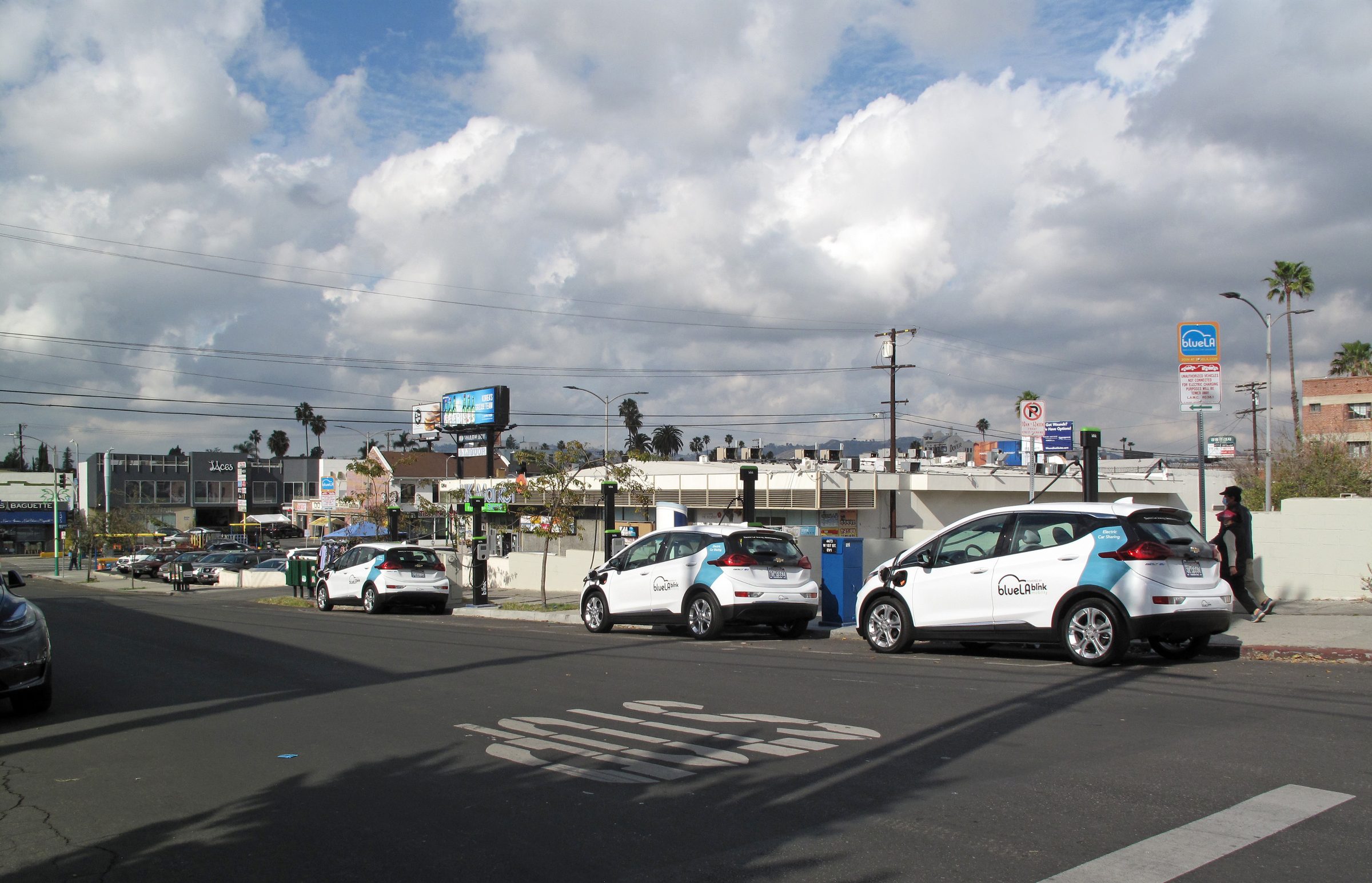
Governor Gavin Newsom's office said on September 20, 2026 that he signed SB 969, SB 1283, AB 1820, SB 1213, SB 1267, and SB 615. Per the Legislative Counsel's digests, SB 1283 extends California's expedited charger permitting to supporting infrastructure; AB 1820 caps Level 2 charger permit fees at multifamily housing from July 1, 2027 (January 1, 2028 in jurisdictions under 200,000 residents); SB 615 requires a permanent label on new vehicle traction batteries from July 1, 2028. As of September 20 each bill's history page still ended at "Enrolled and presented to the Governor."

Minnesota PUC finds co-op's threat to disconnect Upper Sioux solar unlawful
The Minnesota Public Utilities Commission determined on September 17, 2026 that Minnesota Valley Cooperative Light & Power Association is acting unlawfully and unreasonably when it threatens to disconnect the Upper Sioux Community over its behind-the-meter solar and battery project, and required the co-op to keep serving the community as long as the project operates behind the meter and safely. The West Central Tribune reports a unanimous vote, a 2.5 MW array with battery storage, and that the co-op's attorney said it would appeal any such order.
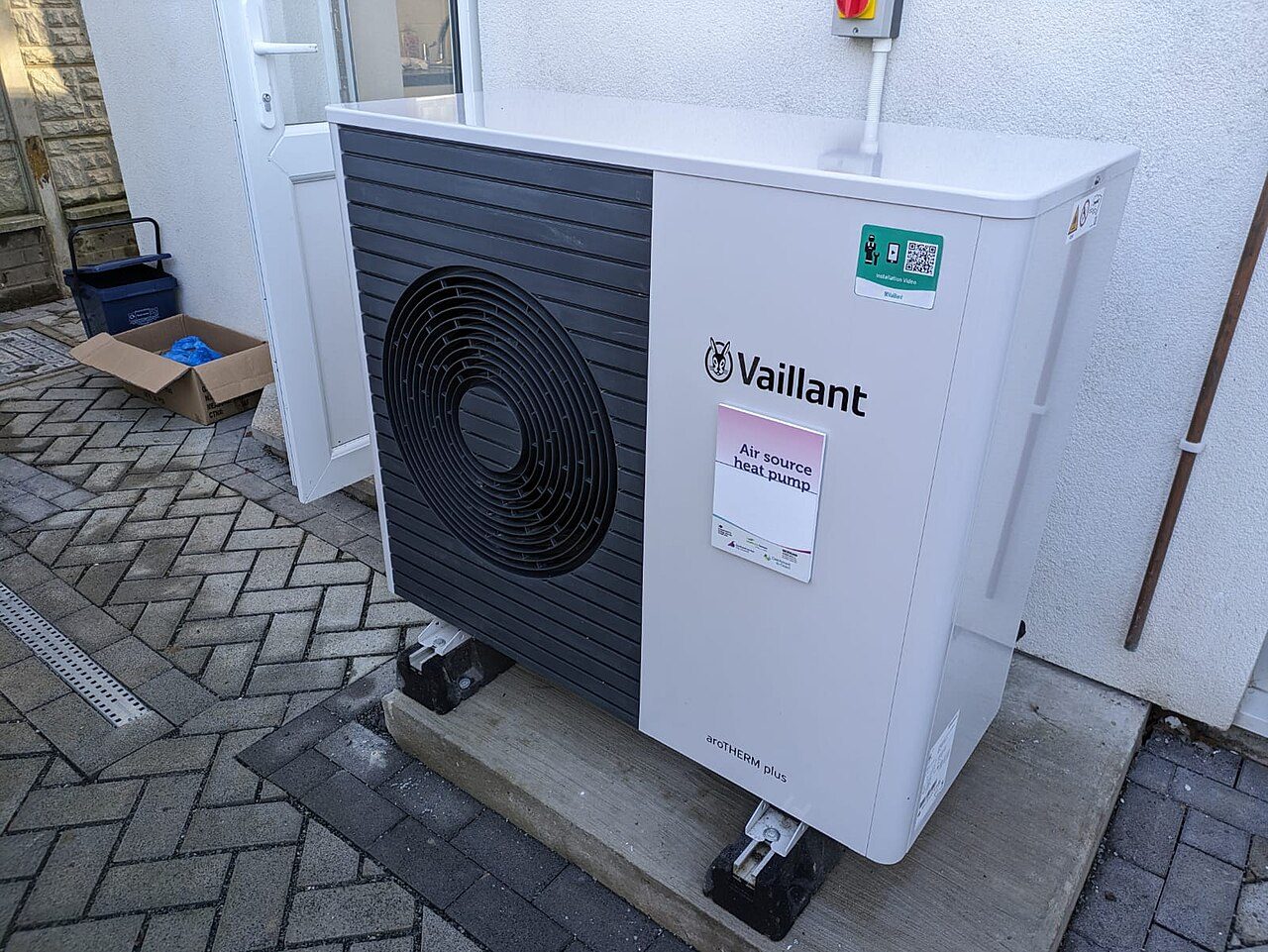
UK pushes electric heating appliance rules to October 2028 at the earliest
The UK Department for Energy Security and Net Zero said on September 17, 2026 that the implementation date for electrical heating appliances under its draft Energy Smart Appliances Regulations will be October 31, 2028 or two years after the regulations are made, whichever is later, subject to final parliamentary approval; the December 2025 consultation had proposed December 31, 2027. The interim response also says the government intends to permit alternative compliance routes for the metering and cyber security requirements. The regulations have not yet been laid before Parliament.
-
Congress moved four energy bills in three days; one goes to the President
Between September 15 and 17, 2026, the House passed the High-Capacity Grid Act (H.R. 6633) and the Load Forecasting Enhancement Act (H.R. 9332) by voice vote and the Ratepayer Protection Act (H.R. 9340) by 417 to 3, and the Senate passed the Hydropower Licensing Transparency Act (H.R. 3657) by unanimous consent without amendment; the bill status record shows that bill presented to the President on September 17 and the other three received in the Senate. Each orders a report, a rulemaking, study boards, or a state proceeding; none funds or builds anything.
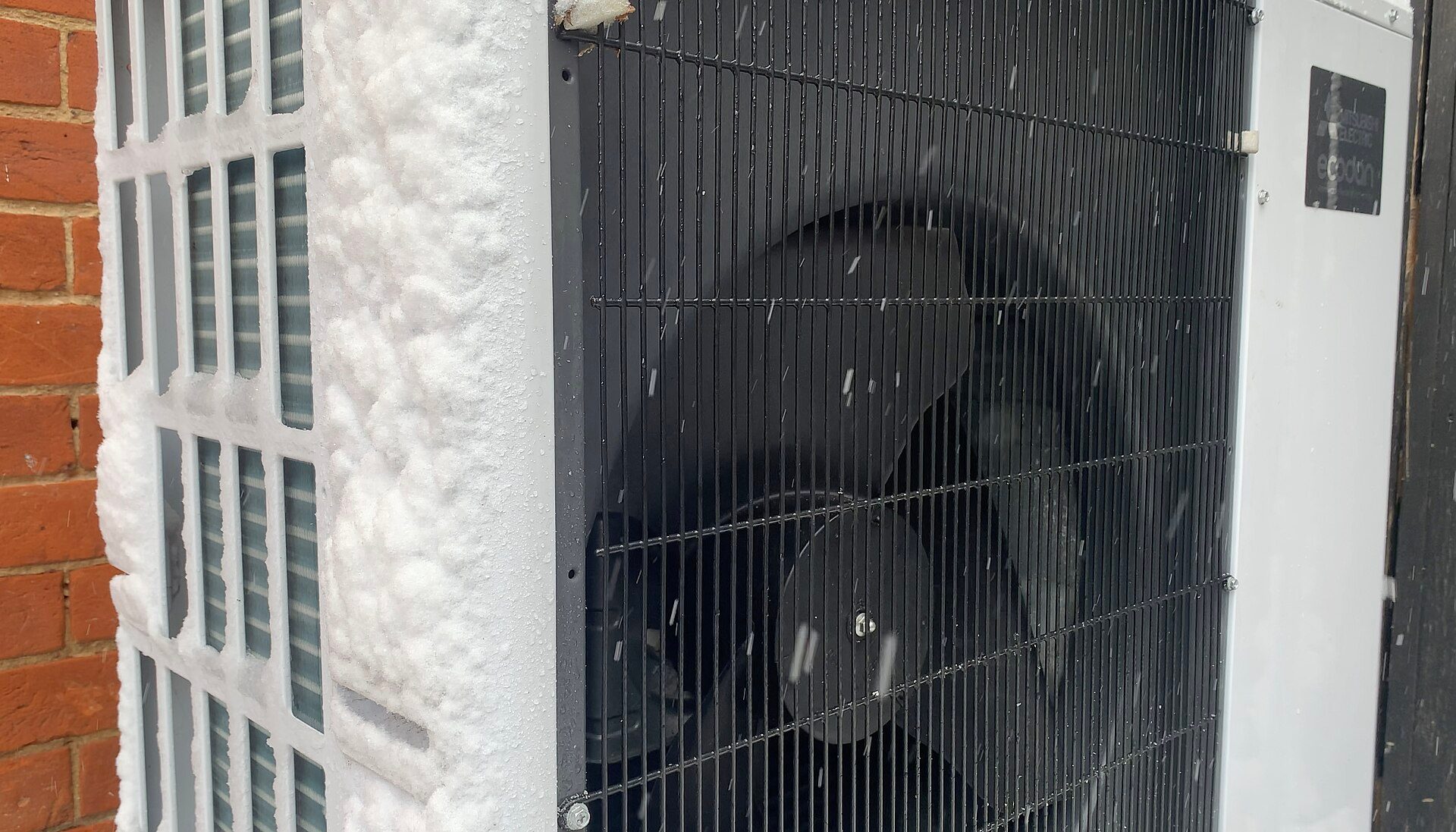
Massachusetts adds winter transmission discount to two heat pump rates
The Massachusetts DPU stamp-approved National Grid's compliance filing in D.P.U. 26-71 on July 29, 2026 and Unitil's revised heat pump tariffs in D.P.U. 26-72 on July 31, 2026, adding winter transmission charges for the 2026-2027 heating season to the optional residential heat pump rates enrolled customers pay, as directed in D.P.U. 25-08-A on June 1, 2026. National Grid's charge is $0.00477 per kWh for November 2026 through February 2027 against a $0.05464 default; Unitil's is $0.01499 against $0.04201 in summer, a rate Unitil says it plans to replace with revised rates for January 1, 2027.
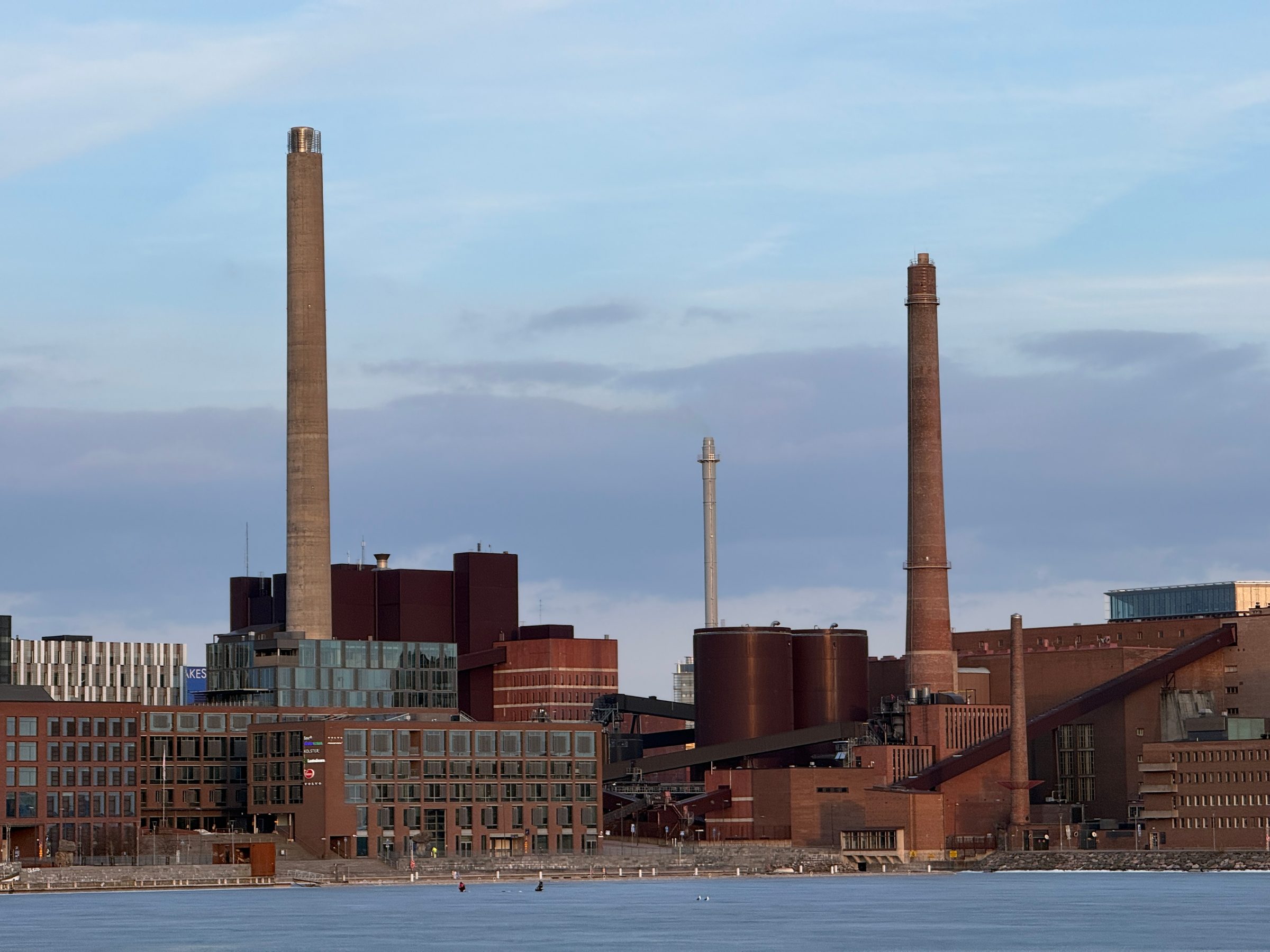
EIB backs Steady Energy's heat-only SMR with up to €40M convertible loan
The European Investment Bank said on September 15, 2026 it is investing up to €40 million in Steady Energy, the Finnish developer of the 50 MW (thermal) heat-only LDR-50 reactor for district heating, as a senior unsecured convertible loan it calls its first investment in SMR technology. A 3North Partners release that day says the loan carries zero percent interest and a 20-year maturity and joins about €69.8 million in irrevocable but conditional investor commitments, an IPO of up to €5 million, and a planned Nasdaq First North listing under a September 11, 2026 share exchange agreement.
-
Oklo tells FERC that PJM's fault test is not in PJM's own guidelines
Oklo's September 14, 2026 answer in FERC docket EL26-101-000 says its cure for the 750-MW project (150 MW nuclear, 300 MW gas, 300 MW fuel cells) passed the flat start test for the whole facility and the 9-cycle ride-through test for the inverter-based fuel cells, the only two stability tests it says PJM's guidelines contain, and calls PJM's explanation of the 5-cycle three-phase fault it ran a post hoc rationalization. PJM's answer says the cured model was unstable with all 750 MW in service. No FERC order was on the docket as of September 16.
-
UK Fusion Week: a UK-US statement, a supercomputer link and up to £3m
The Global Fusion Policy Summit in London on September 14, 2026 is first on the Fusion Industry Association's listing for UK Fusion Week, which runs to September 17. The UK and US issued a joint statement saying fusion safety standards should be distinct from fission safety standards; UKAEA and PPPL signed a declaration of intent to explore linking the SUNRISE and STELLAR-AI supercomputers; Tennessee, TVA and the UK expanded a fusion partnership; Kyoto Fusioneering committed up to £3 million to a breeder blanket experiment for STEP; and DESNZ published a fusion regulation landscape paper.
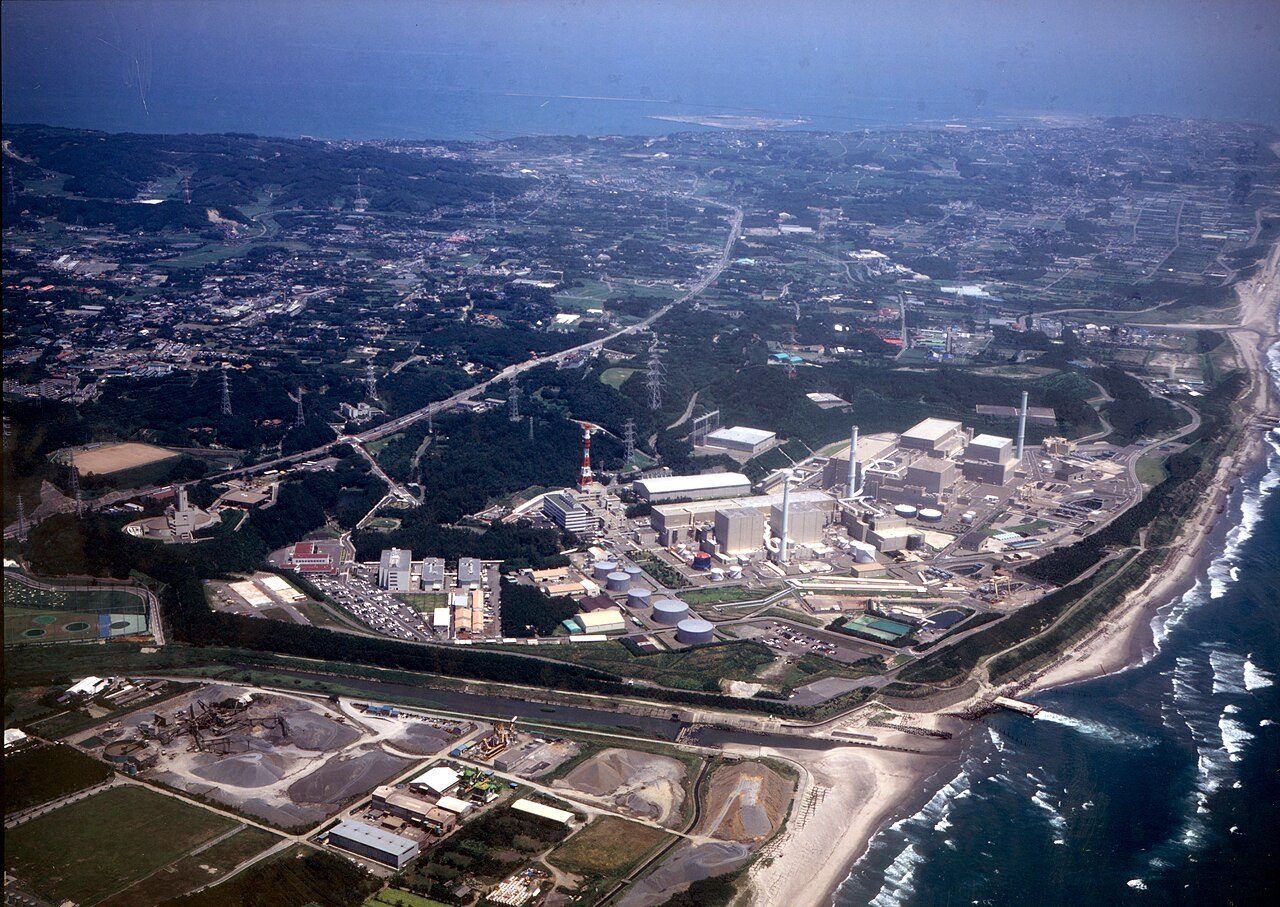
Chubu withdraws Hamaoka 3 and 4 applications after seismic-data inquiry
Chubu Electric Power's board decided on September 14, 2026 to withdraw the new-regulatory-standards applications for Hamaoka units 3 and 4 (1,100 MW and 1,137 MW) after an outside investigation committee reported on how the plant's design basis ground motion was developed. Chairman Satoru Katsuno and President Kingo Hayashi step down September 30; director Minoru Yasui becomes president October 1. The committee says it does not find the acts appropriate but also rejects reducing them to falsification or data fraud.

Suniva closes $835M raise for 4.5 GW South Carolina solar cell plant
Suniva said on September 8, 2026 it completed an $835 million debt and equity raise to build a 4.5 GW solar cell factory in Laurens County, South Carolina, for 5.5 GW of US cell capacity with its 1 GW Georgia plant. The release puts it at approximately $600 million and 564 jobs, completion late 2027; South Carolina's April 14, 2026 announcement said $350 million. The raise precedes Section 232 minimum import prices on polysilicon, ingots and wafers, cells and modules effective December 4, 2026, which the proclamation says replace the safeguard relief Suniva petitioned for in 2017.
-
NCDOT awards $14.4M in NEVI funds for 14 corridor charging sites
The North Carolina Department of Transportation announced on September 11, 2026 its second round of National Electric Vehicle Infrastructure awards: $14.4 million to eight businesses to build and operate charging stations at 14 locations along major travel corridors, including Asheboro, Columbus, High Point, Kinston, Raleigh, Wadesboro, and Weaverville. NCDOT's awards page puts the round at $14,405,524 and lists five round-one stations under construction, after nine conditional awards announced in September 2024; in January 2026 NCDOT cut its planned second-round corridor sites from 41 to 16.
-
BLM sets October 27 auction for 19 California geothermal parcels
The Bureau of Land Management announced on September 11, 2026 a competitive geothermal lease sale on October 27, 2026 for 19 parcels covering 39,723.81 acres of public land in Inyo, Mono, Lake, Sonoma, Modoc, and Imperial counties, California. It is the fourth sale listed on the bureau's California geothermal page since 2014; the August 2025 sale took $2,711,858 on 13 parcels, and a December 2025 instruction memorandum directs BLM state offices to hold geothermal sales annually where nominations are pending.
PJM says Oklo's fix left the 750-MW model unstable, asks FERC to deny
PJM asked FERC on September 4, 2026 to deny Oklo's complaint over the withdrawal of its 750-MW project C01-1735 from Cycle 01. PJM says Oklo's response to a May 15 deficiency notice removed excitation-limiter models from the synchronous units and that the model showed an unstable response when PJM tested the whole facility at 750 MW; it says its tariff allows one cure round, that four other Oklo projects totaling 900 MW advanced, and that reinstatement could delay Phase I, set to start September 28, by as much as two months. It asks FERC to act by September 14 if it grants relief.
NRC proposes rule package for existing reactors and new applicants
The Nuclear Regulatory Commission announced on September 11, 2026 a proposed rule, docket NRC-2025-1138, that it calls a broad overhaul of its reactor licensing and oversight regulations under Executive Order 14300, for existing plants and new applicants. The release lists ten changes "among other things," including removing the expiration date for standard design approvals; comments run 30 days after Federal Register publication, which the NRC's tracker estimates for September 25, 2026, with a final rule estimated for March 31, 2027.
-
PJM proposes ride-through rules for data centers after 3,800 MW drop-off
PJM presented proposed voltage and frequency ride-through requirements for large computational loads, a category PJM says includes data centers and crypto-mining facilities, at its September 8, 2026 Planning Committee, after a July 22 fault in the Dominion zone that PJM's August 6 Operating Committee deck says sent approximately 3,800 MW of load onto backup power. PJM plans to file at FERC in November 2026 in docket EL26-67-000, where FERC faulted the tariff in June for specifying no ramp-rate or ride-through requirements and on August 14 paused the proceeding until November 16.
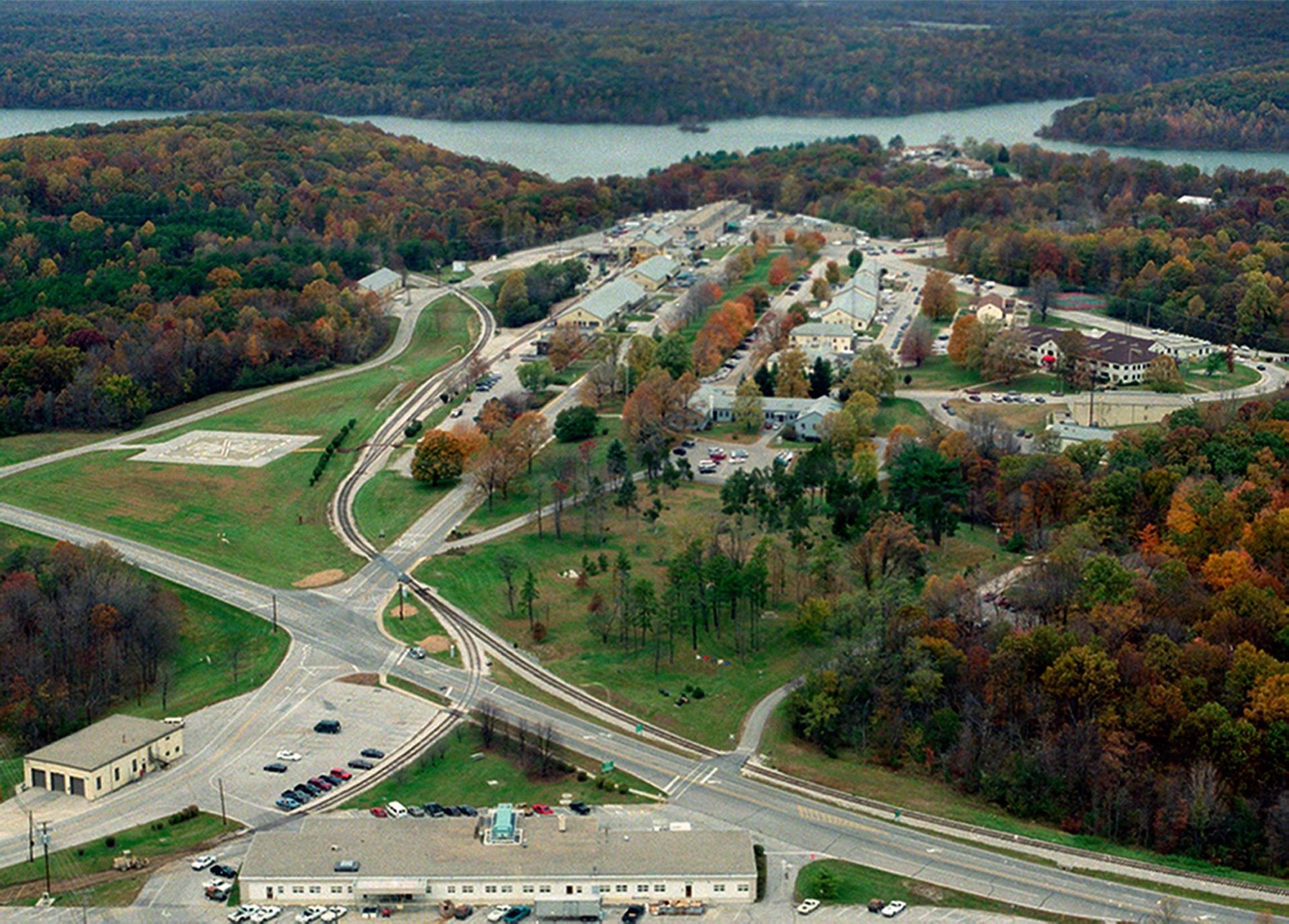
Department of War plans shore-based Navy microreactor at Crane by 2028
The Department of War announced on September 9, 2026 the planned installation of an advanced nuclear Micro Modular Reactor at Naval Weapons Station Crane, Indiana, no later than September 2028, executed through the Army's Janus Program with the Navy and the State of Indiana. The release describes the reactor as commercially owned and operated and as the first power-producing reactor installed in Indiana, and names no vendor, design, output, or cost; an Army official's quote cites the Army's "regulatory authorities" without saying who licenses the unit.
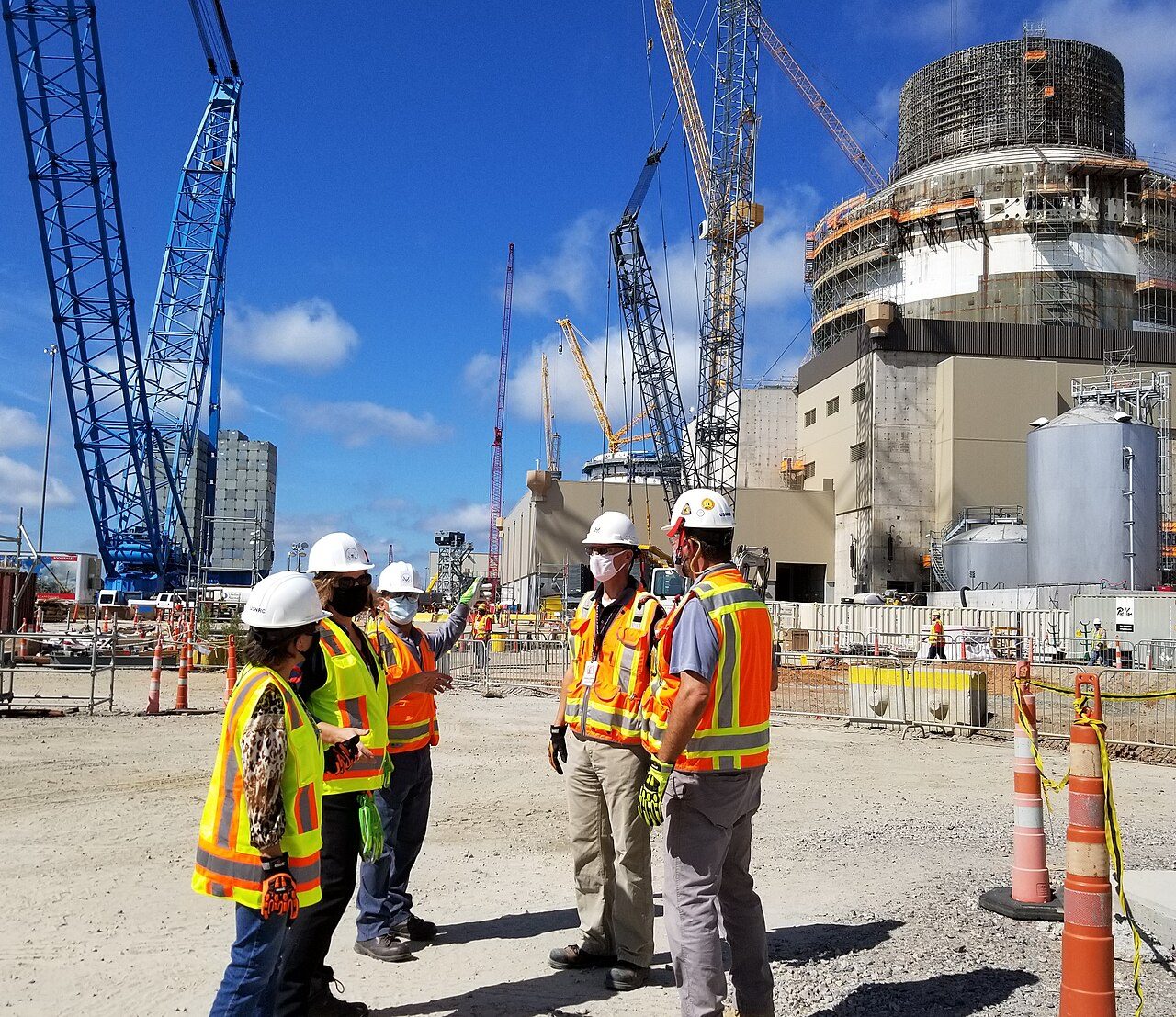
CU Boulder preprint says SMR operating costs, not capex, drive poor returns
A preprint posted to arXiv on September 8, 2026 by Pradyumna Rao, Daniel T. Kaffine, and Bri-Mathias Hodge of the University of Colorado Boulder finds that fuel and operating costs, not investment costs, make small modular reactors uneconomical at manufacturer-advertised costs in US wholesale and capacity markets: almost all concepts have discounted payback periods longer than their technical lifetimes on energy revenue, 18 of 22 do not reach a 20-year payback at current production tax credit levels, and at advertised costs SMRs are about as profitable as advanced estimates of the AP1000.
DOE closes loan of up to $1.9B for Duane Arnold nuclear restart
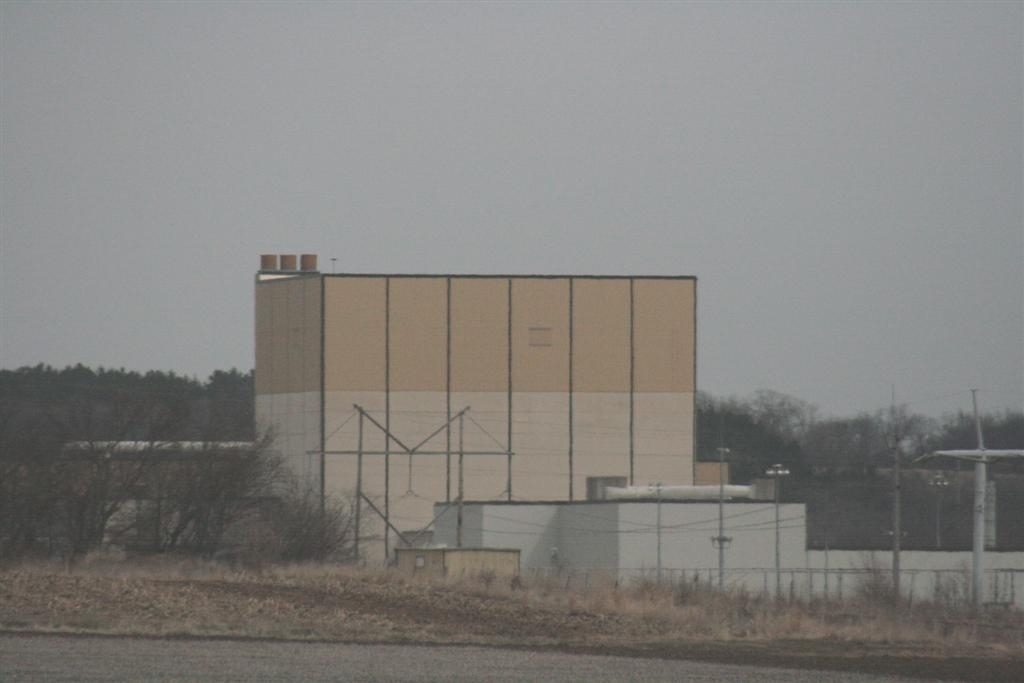
The US Department of Energy's Office of Energy Dominance Financing announced on September 8, 2026 the financial close of a loan of up to $1.9 billion to NextEra Energy for the restart of the 615 MW Duane Arnold Energy Center in Linn County, Iowa, shut down since August 2020. NextEra plans to restart the plant no later than the first quarter of 2029, pending regulatory approvals, and NRC staff expect to issue final licensing decisions by January 29, 2028. Google holds a 25-year agreement for power from the plant, with Central Iowa Power Cooperative buying the remainder on the same terms.
-
Pennsylvania opens $11M NEVI round for chargers in 26 central counties
The Pennsylvania Department of Transportation announced on September 8, 2026 that $11 million in federal National Electric Vehicle Infrastructure funding is available for public EV chargers in a 26-county central region, the third of four regional Community Charging rounds; applications are accepted until March 12, 2027. PennDOT says the rounds direct over $100 million in federal funding on top of $58 million already invested in corridor charging, and counts nearly 50 NEVI-funded stations built.
-
Wisconsin awards $25M in NEVI grants to 42 fast-charging sites
Gov. Tony Evers and the Wisconsin Department of Transportation announced on September 8, 2026 that 42 sites will receive $25 million in National Electric Vehicle Infrastructure grants through the WEVI Connecting Corridors program, for fast chargers on U.S. and state highway corridors the release says were not previously considered for WEVI funding. WisDOT's award list shows Universal EV LLC on 25 sites and Kwik Trip on eight; the release lists federal shares from $396,800 to $930,849, and the governor's office counts approximately $62 million awarded across 120 projects to date.

Ember: coal power has stalled in 17 of the 26 Chinese regions it tracks
Ember's China Energy Transition Review 2026, published September 8, 2026, says coal generation plateaued or turned flat between 2021 and 2025 in 17 of the 26 provincial-level regions it tracks, together holding more than half of China's thermal capacity, and that thermal generation fell 0.7% in 2025 while electricity demand rose 5%. China's National Bureau of Statistics reports thermal generation down 0.7% and total coal consumption up 0.1% for 2025. Ember says battery storage overtook pumped hydro in installed capacity by the end of 2024 and grew 84% in 2025.
South Coast AQMD opens $73.1M of warehouse fees to zero-emission trucks
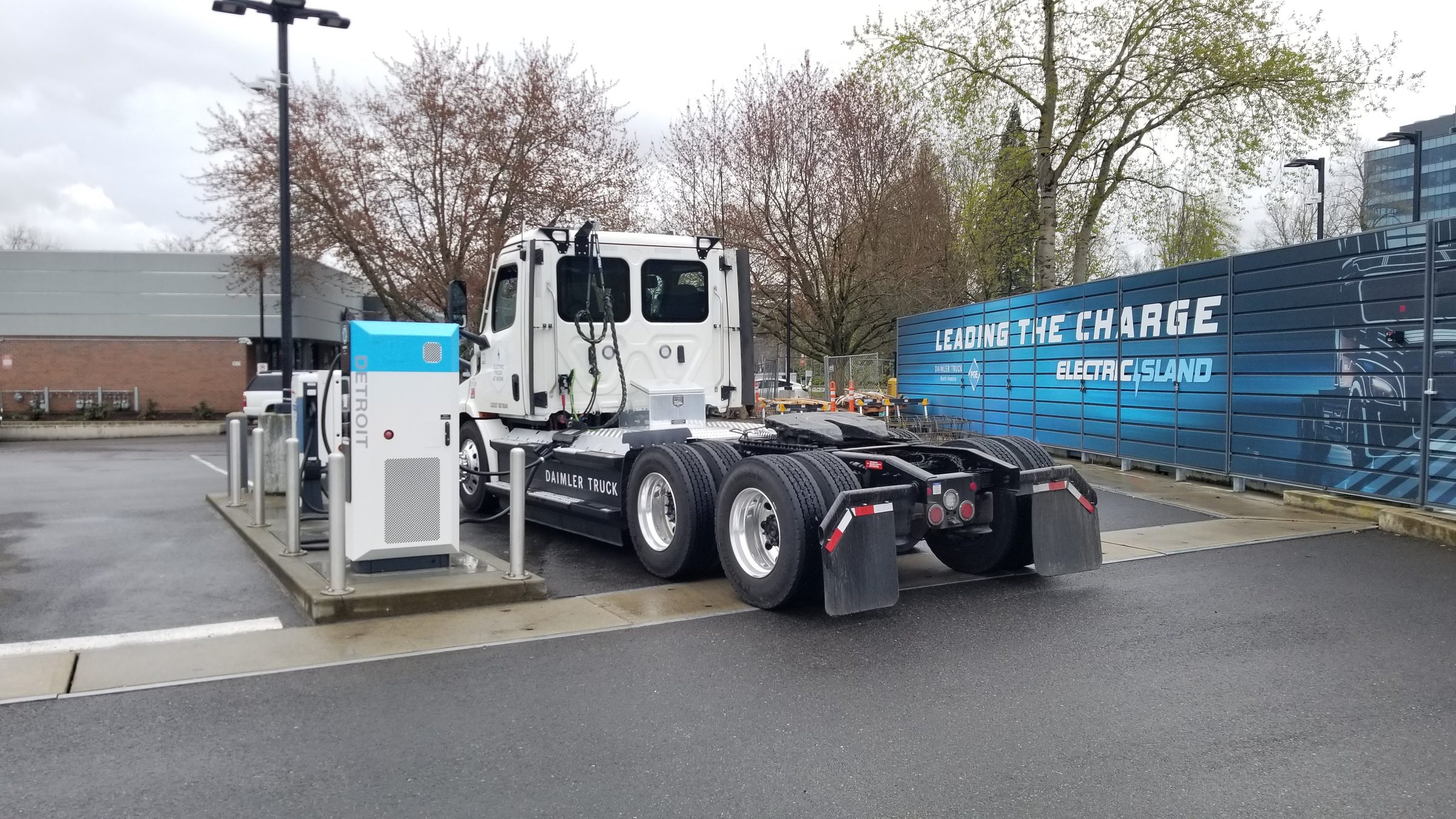
The South Coast Air Quality Management District board approved on September 4, 2026 a program offering up to $73,135,300 in mitigation fees paid by warehouse operators under Rule 2305 for zero-emission Class 4 to 8 trucks, yard trucks, and charging and hydrogen fueling infrastructure serving warehouses. Caps are $120,000 per battery-electric Class 8 truck and $240,000 per hydrogen fuel cell Class 8; applications run October 13 to December 15, 2026, first come first served within the Source Receptor Area where the fees were paid, or an adjacent one in the same county if none qualify there.
California budget bill carries no 2027 money for its DSGS home-battery VPP
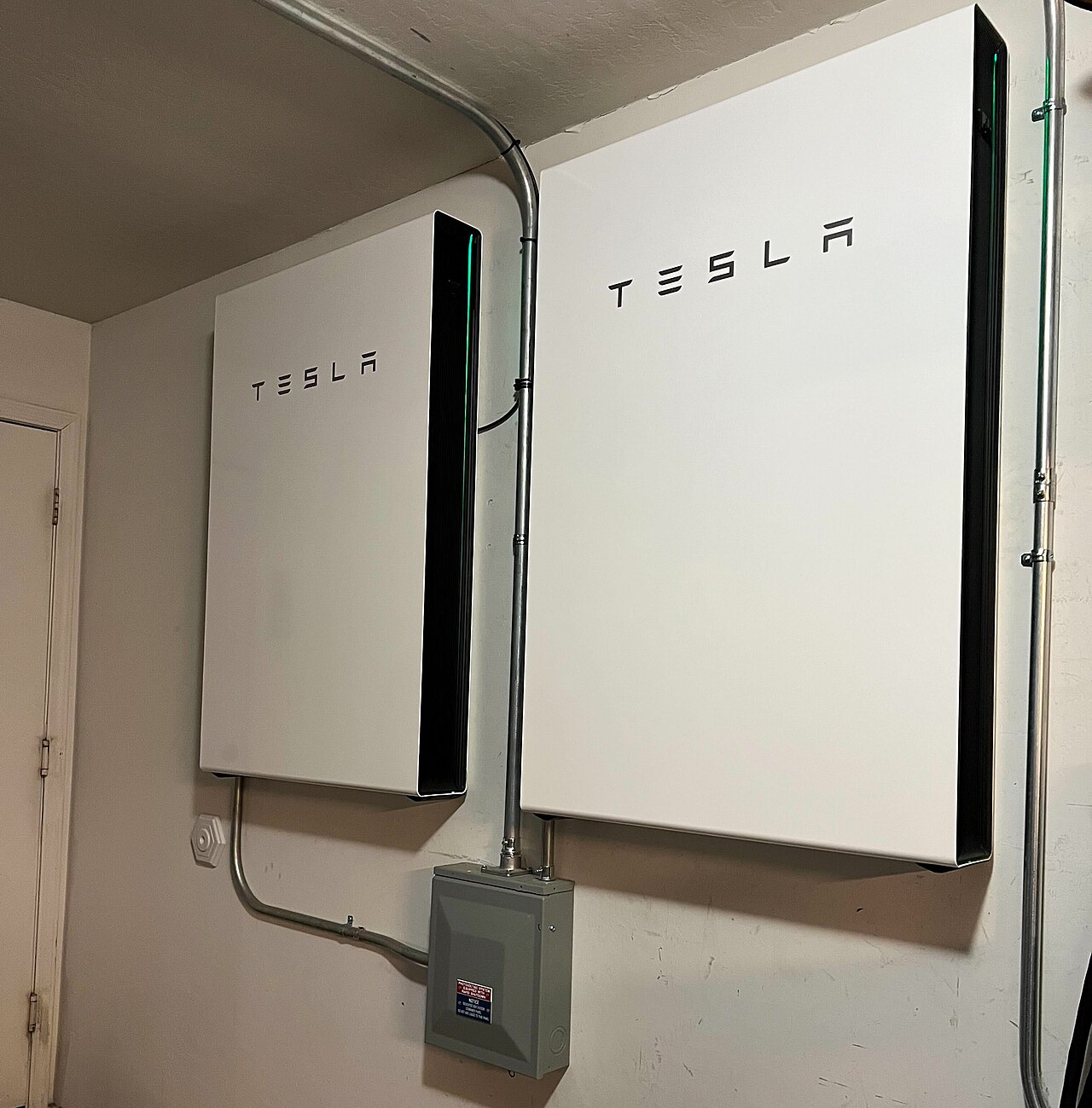
California's end-of-session budget bill AB 113, passed by the Senate on September 1, 2026 with the Assembly concurring the same day, contains no appropriation for the Demand Side Grid Support program, the California Energy Commission's virtual power plant of home batteries, smart thermostats and demand response that the CEC estimated at 1,145 MW enrolled in April 2026. The bill adds $20 million for the sister Distributed Electricity Backup Assets program; a Senate proposal to shift $70 million of CalSHAPE interest into DSGS was not included, and Advanced Energy United says the program is funded only through the end of 2026.