 The Duck Curve
Policy
Legislation, regulation, incentives, and trade. The rules of the transition.
RSS feed for Policy →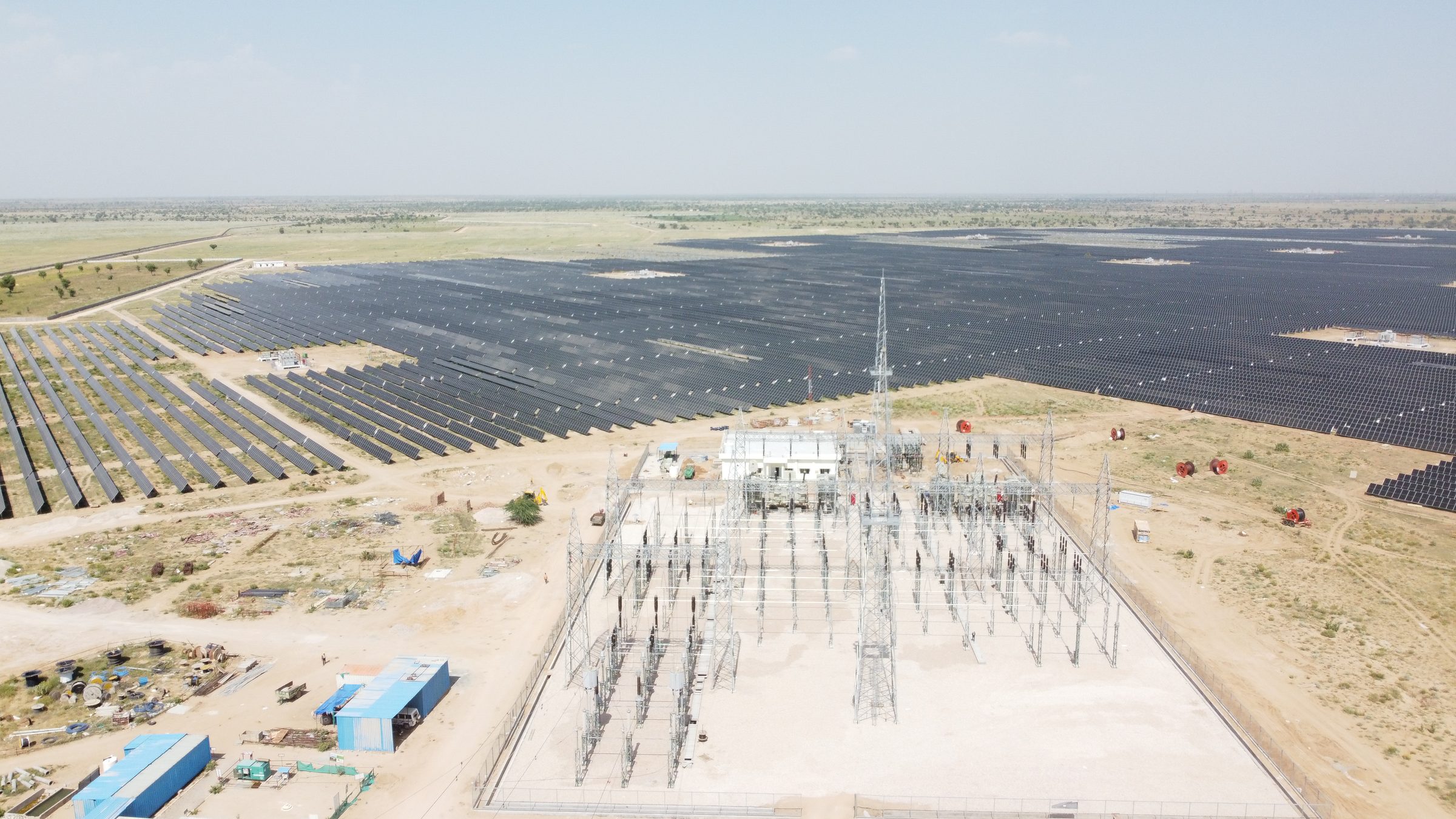
India drafts storage mandate for ground-mounted solar and onshore wind
India's Central Electricity Authority published a draft second amendment to its construction technical standards on September 3, 2026 that would require ground-mounted solar and onshore wind plants commissioned after July 1, 2027 to have co-located energy storage of at least 10% of installed capacity with a two-hour minimum duration, rising to four hours for plants commissioned between July 1, 2029 and June 30, 2031. Renewable plants commissioned after July 1, 2027 would also need grid-forming control on at least 15% of inverters; comments are due October 4, 2026.
NRC proposes groundwater rule for uranium in-situ recovery sites
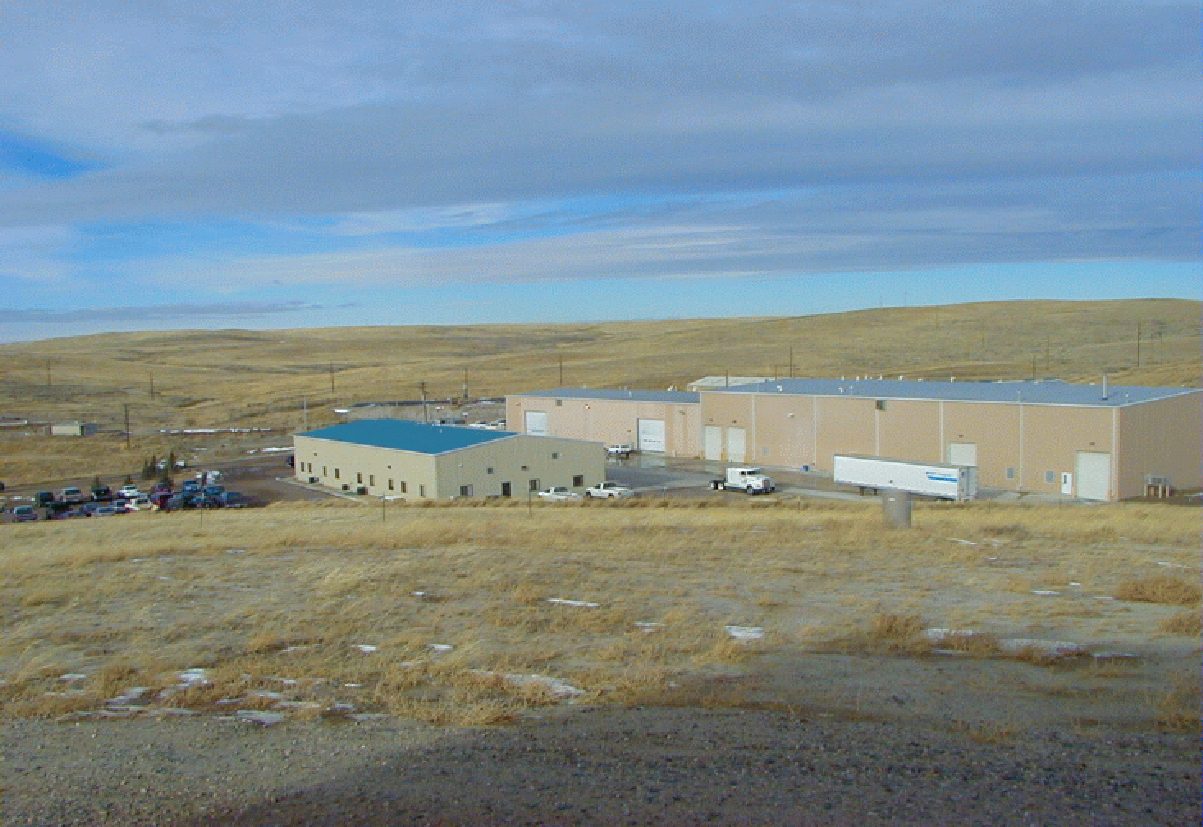
The Nuclear Regulatory Commission announced on September 1, 2026 a proposed rule, docket NRC-2025-1204, to set what it calls risk-informed groundwater protection criteria for uranium in-situ recovery facilities and to streamline extensions of decommissioning timelines for reactors and materials facilities. The rule text had not been published in the Federal Register as of September 4; comments are due 30 days after publication. The NRC's rulemaking tracker says the rule would reduce post-restoration monitoring, and the three industry letters in the docket asked for a narrowly targeted rule.
-
MnDOT opens $41.2M NEVI round for fast chargers in Greater Minnesota
The Minnesota Department of Transportation announced on September 1, 2026 its third and largest National Electric Vehicle Infrastructure funding round: up to $41.2 million in federally funded grants for fast-charging stations in Greater Minnesota, split 80% federal and 20% grantee. Proposals are due November 2, 2026; MnDOT intends to make up to 40 awards, one per eligible cluster, and to announce conditional awards by a tentative December 30, 2026.

Studsvik picks GE Vernova Hitachi, Samsung C&T for four Swedish BWRX-300s
Studsvik AB announced on September 3, 2026 an exclusive agreement with GE Vernova Hitachi Nuclear Energy, Samsung C&T, GE Vernova Financial Services, and DS Investment Partners to advance an initial four-unit BWRX-300 project of approximately 1,200 MWe at either its Nyköping site or the Målma site in Valdemarsvik, Sweden, with the first unit expected in operation in the mid-2030s. The agreement is not a final investment decision or an authorization to construct; both sites await Swedish government approval, and Studsvik applied for state financing support on June 12, 2026.
-
China starts taxing lithium-ion batteries at 2%, solar cells next
China began collecting a 2% consumption tax on lithium-ion, lithium primary, nickel-metal hydride, mercury-free primary, and vanadium flow batteries on September 1, 2026, returning to the statutory 4% on September 1, 2027, under a July 16 announcement from the finance ministry, customs, and tax administration. Solar cells join at 2% in April 2027; sodium-ion, solid-state, and fuel cells are exempt through 2028.
-
New Jersey exempts balcony solar up to 1,200 W from utility sign-off
New Jersey Governor Mikie Sherrill signed the Garden State Balcony Solar Act (S2368) on September 1, 2026, exempting plug-in solar devices of up to 1,200 watts from utility interconnection agreements and net-metering requirements, with new limits on landlord, homeowner-association, and municipal bans. The law takes effect six months after enactment, in early March 2027.
Oklo asks FERC to reinstate its 750-MW project in PJM's queue
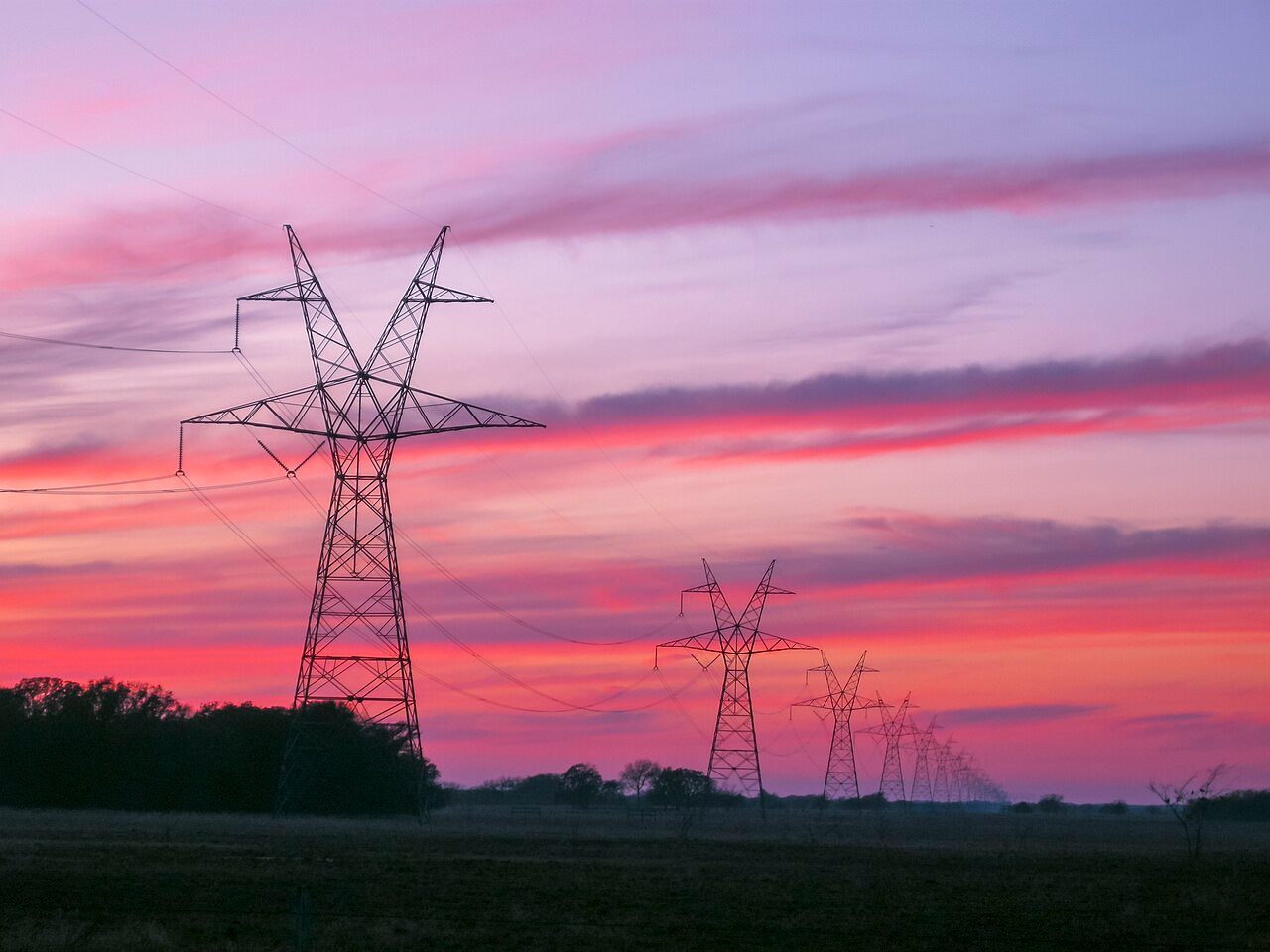
Oklo filed an emergency complaint at FERC on August 28, 2026 (docket EL26-101-000) asking the commission to order PJM to reinstate a 750-MW mixed-technology generation project, combining advanced nuclear, natural gas, and fuel cells, that PJM withdrew from the first cycle of its reformed interconnection study. Oklo says the withdrawal was unlawful and would delay the project by at least 14 months; it wants PJM to answer by September 4, 2026.
Tennessee issues Type One Energy a fusion-specific license
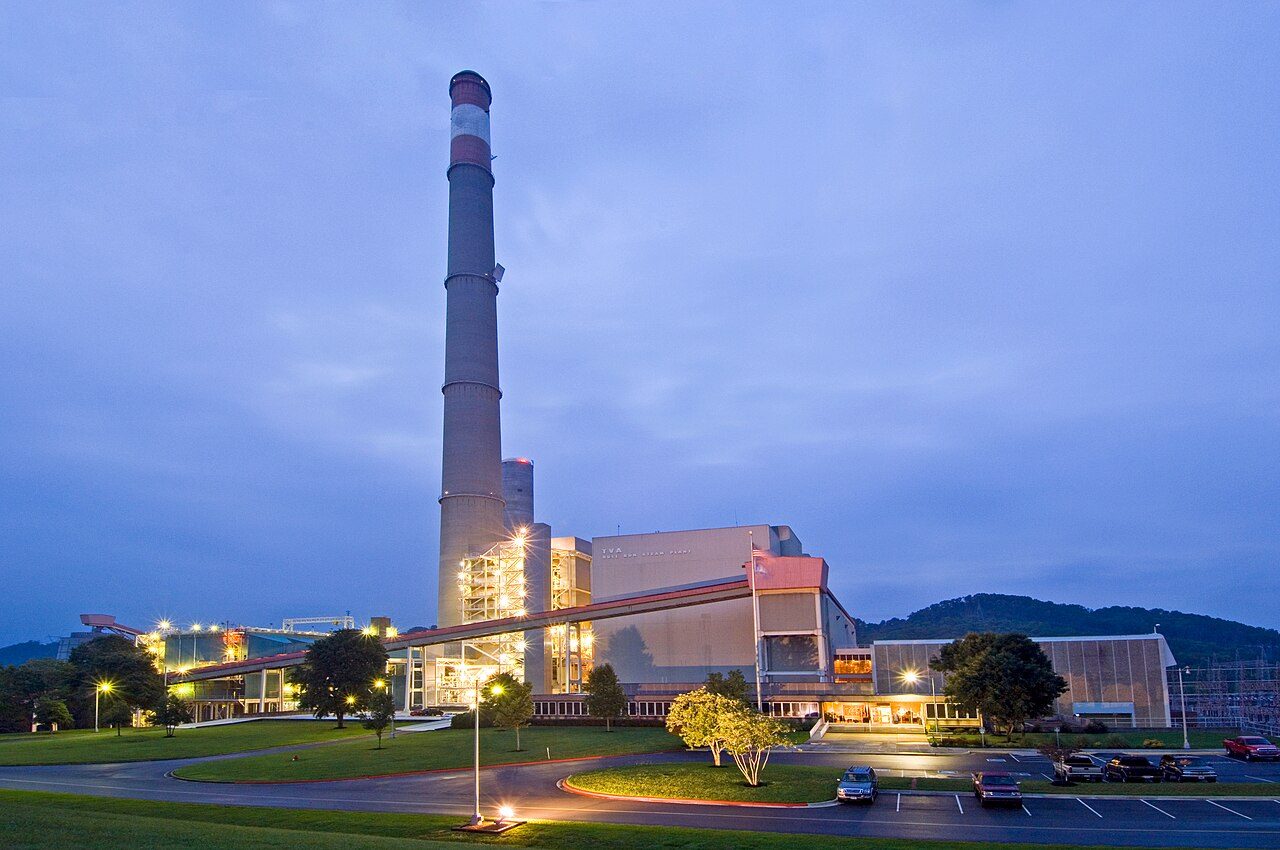
Tennessee regulators announced on August 31, 2026 what the state calls the nation's first license issued under a fusion-specific regulatory framework: a byproduct material license for Type One Energy's Project Infinity at TVA's retired Bull Run coal site in Clinton. The company says it intends to break ground in 2026 and expects a full startup by 2034.
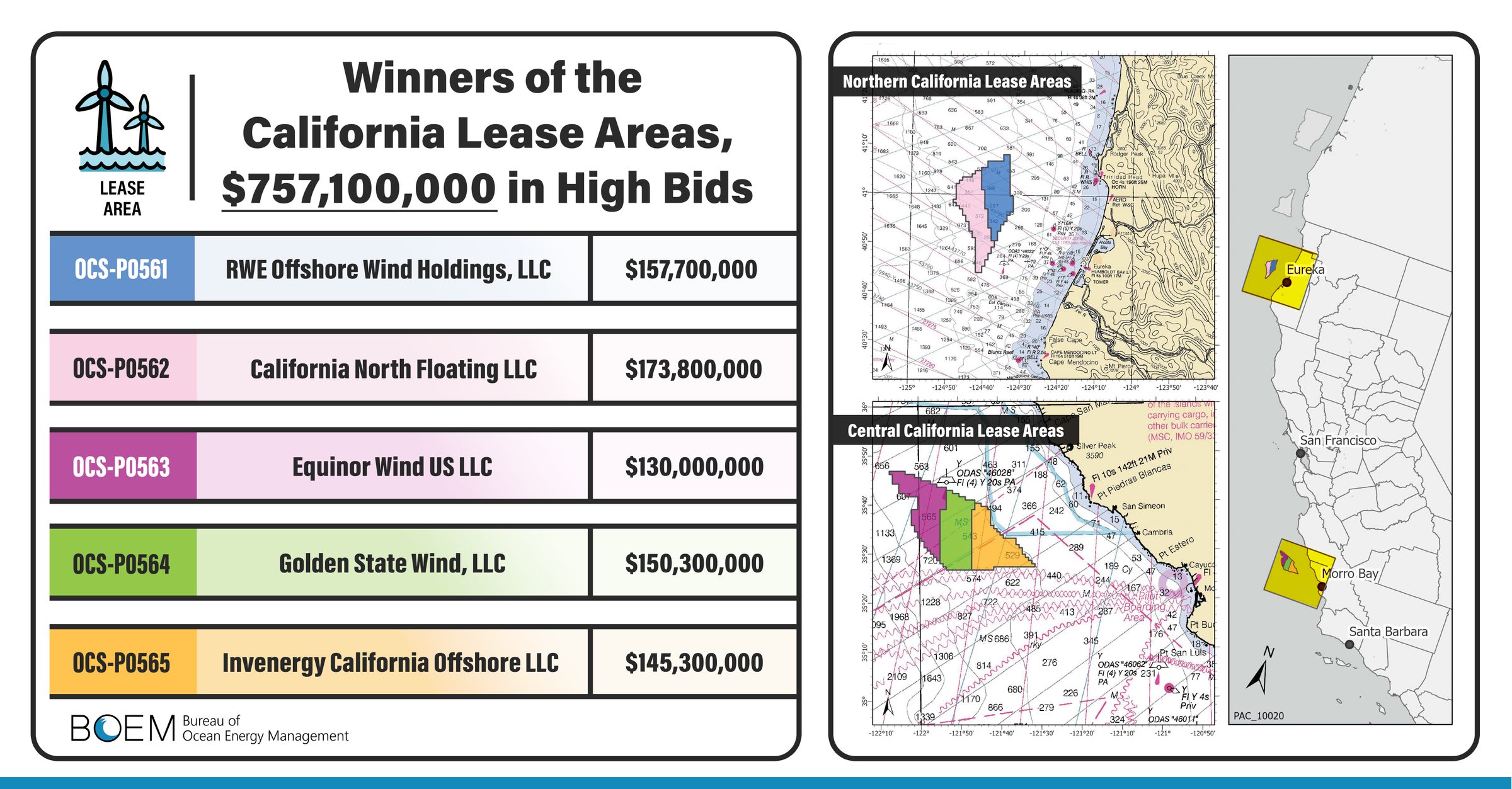
California sues Interior to undo Morro Bay offshore wind lease buyout
California Attorney General Rob Bonta and the California Energy Commission sued the US Interior Department on August 28, 2026, asking a federal court to void the agreement that reimburses Golden State Wind up to $120,240,000 from the Judgment Fund for abandoning its approximately 1.5 to 2 GW Morro Bay offshore wind lease once matching investments are made in Gulf Coast fossil fuel projects. The complaint tallies nearly $4 billion directed from the fund toward cancelling twelve offshore wind projects.
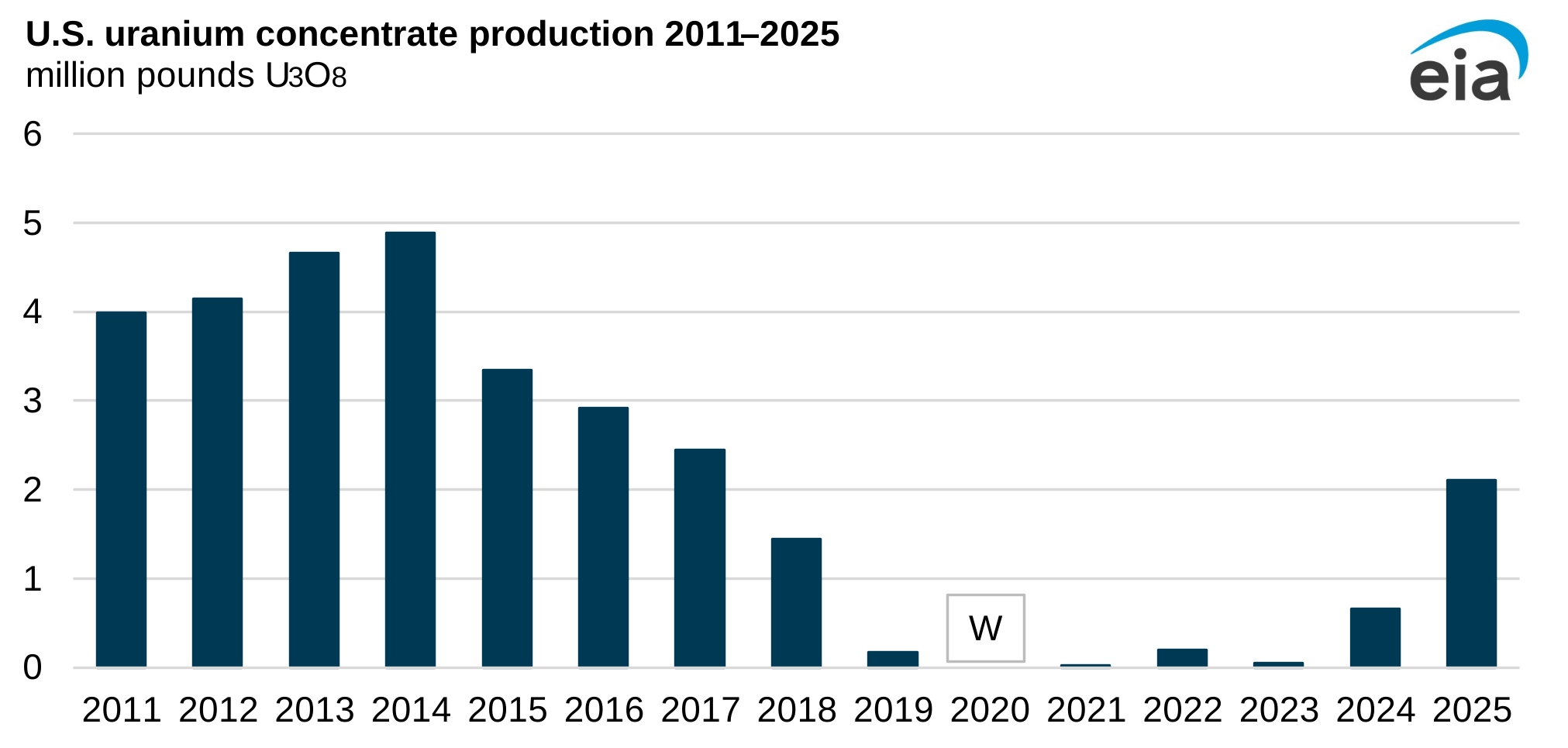
US uranium output more than tripled in 2025 as enrichment plants line up
US uranium concentrate production more than tripled in 2025 to 2.1 million pounds of U3O8, the most since 2017, according to EIA data published August 28, 2026. The same day, the NRC published an order aligning hearing procedures for two pending uranium enrichment plant applications: Global Laser Enrichment's Paducah, Kentucky facility and Orano's Project IKE in Oak Ridge, Tennessee.
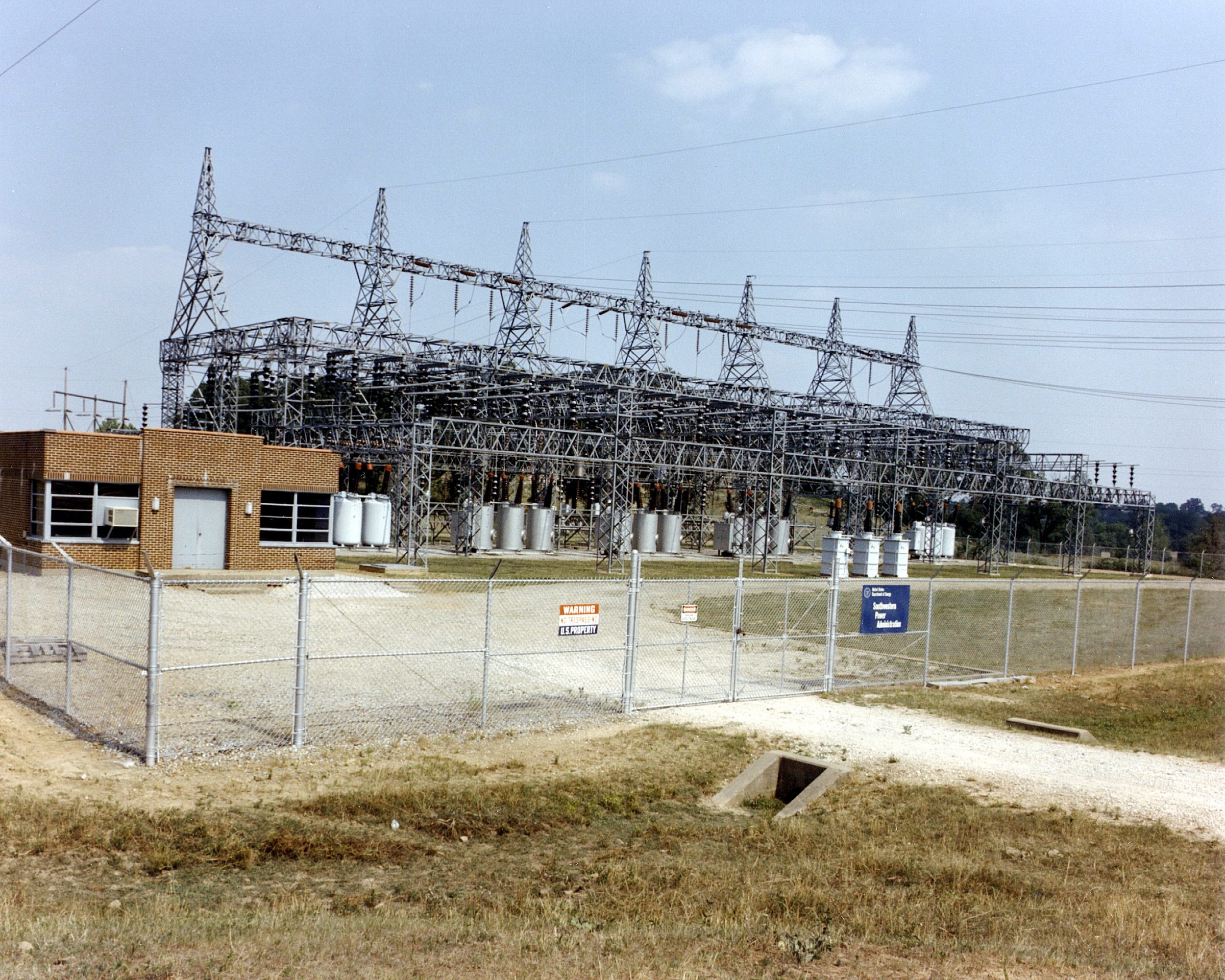
Trump declares bulk-power emergency, targets foreign grid equipment
President Trump signed Executive Order 14420 on August 26, 2026, declaring a national emergency over the US bulk-power system under IEEPA and authorizing the Energy Department to bar acquisition, import, or installation of foreign-produced grid equipment, including substation transformers, grid-connected inverters, and battery energy storage systems, when it finds both a tie to a Covered Foreign Entity and an undue security risk. The order directs implementing rules as needed within 120 days and also covers equipment already installed.
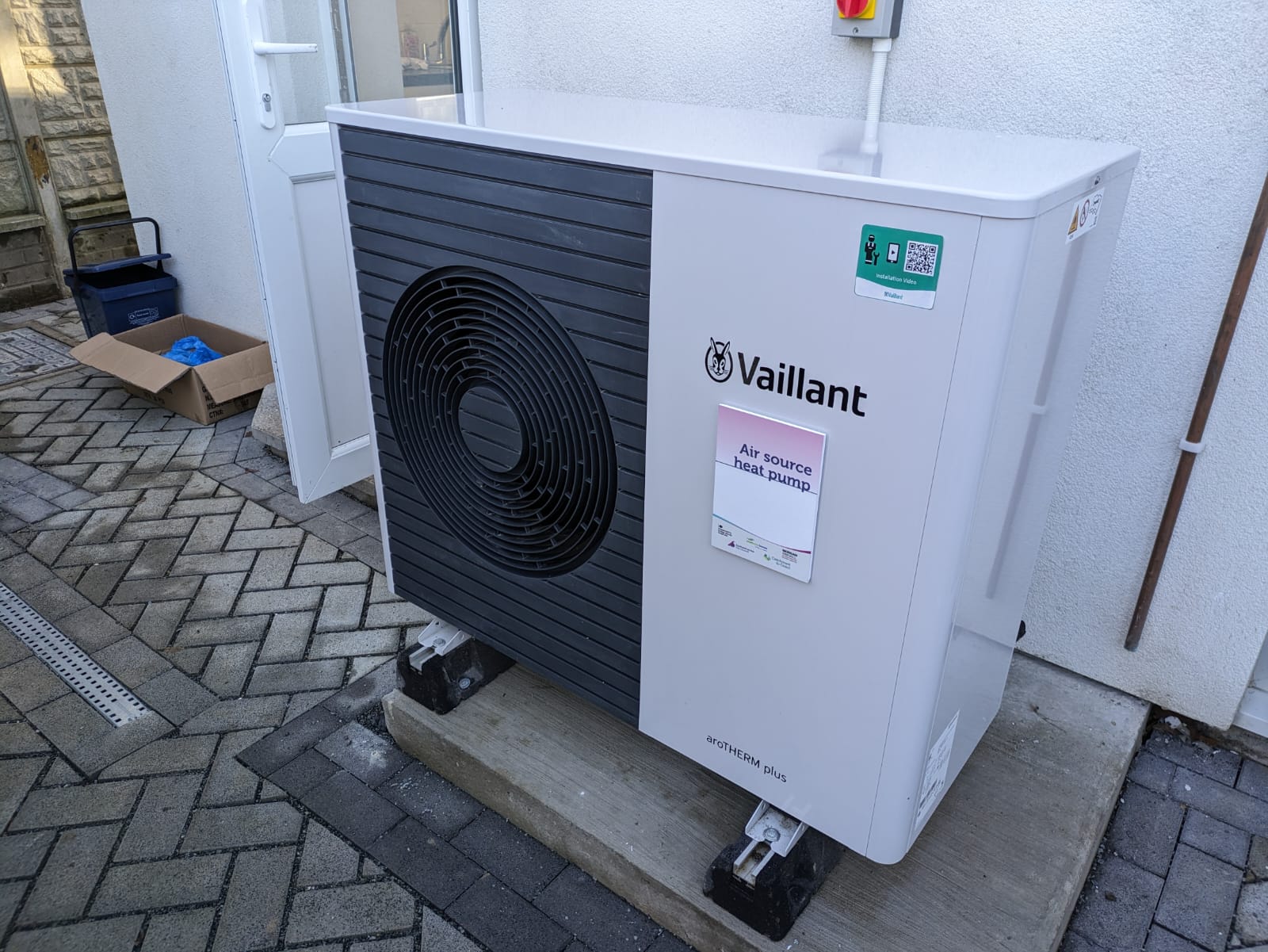
California Legislature passes SB 222 to standardize heat pump permits
The California Legislature passed SB 222, the Heat Pump Access Act, on August 25, 2026 (Assembly 60-8 on August 24, Senate concurrence 32-5). The bill requires cities and counties to issue real-time online permits for residential heat pump installations by July 1, 2028, caps permit fees, limits installations to one nondiscretionary permit, and voids HOA restrictions on replacing gas appliances with electric ones. Governor Newsom has until September 30 to act on it, according to Senator Scott Wiener's office.
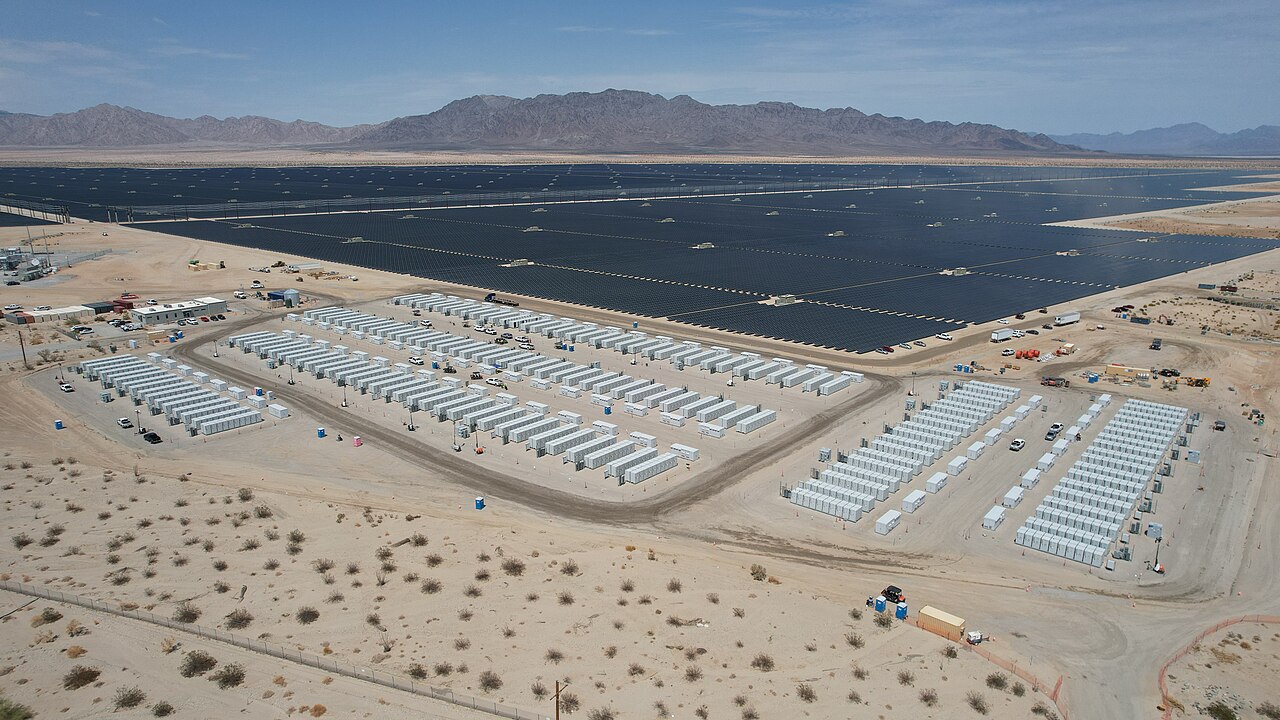
NRDC projects US loses up to 540 GW of renewables under Trump policies
The Natural Resources Defense Council projects that Trump administration energy policies could cost the US between 390 GW and 540 GW of new wind, solar, and storage capacity over the next decade, according to trade-press accounts of a report announced August 25, 2026, with at most 9 GW of new gas capacity added in its place and average household electricity rates rising an additional 4.2% to 5.5% by 2035, all relative to the group's January 2025 baseline.
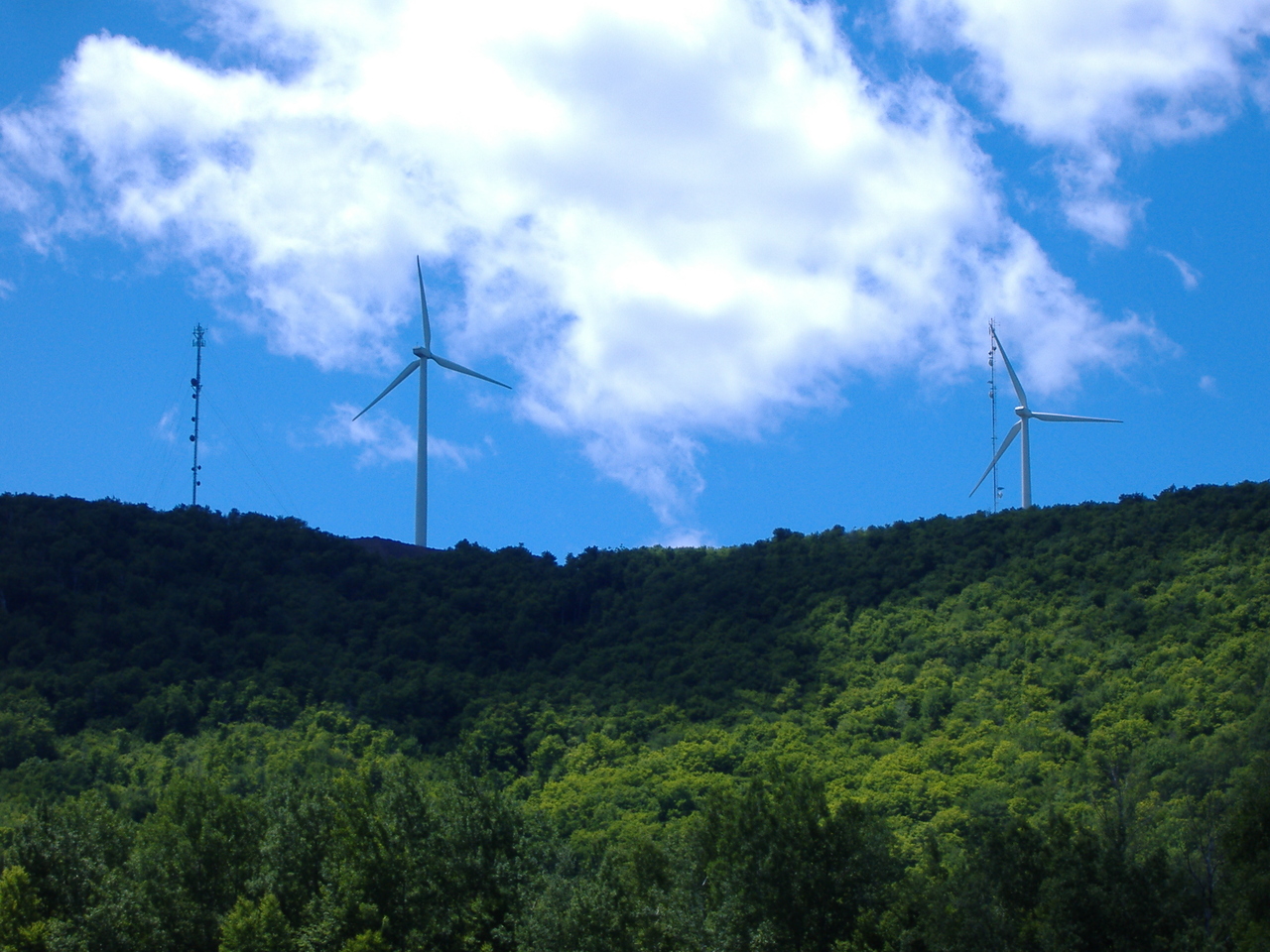
Maine selects Clearway's 800 MW wind project and a 1,200 MW Avangrid line
The Maine Public Utilities Commission selected Clearway Energy Group's 800 MW onshore wind project and named Avangrid Networks' 1,200 MW transmission line its preferred proposal on August 25, 2026, under the Northern Maine Renewable Energy Development Program (Docket No. 2026-00033). Maine will contract for about 600 MW of the output, with Massachusetts, Connecticut, Vermont, and Rhode Island sharing the line's costs and Maine paying less than 11 percent.
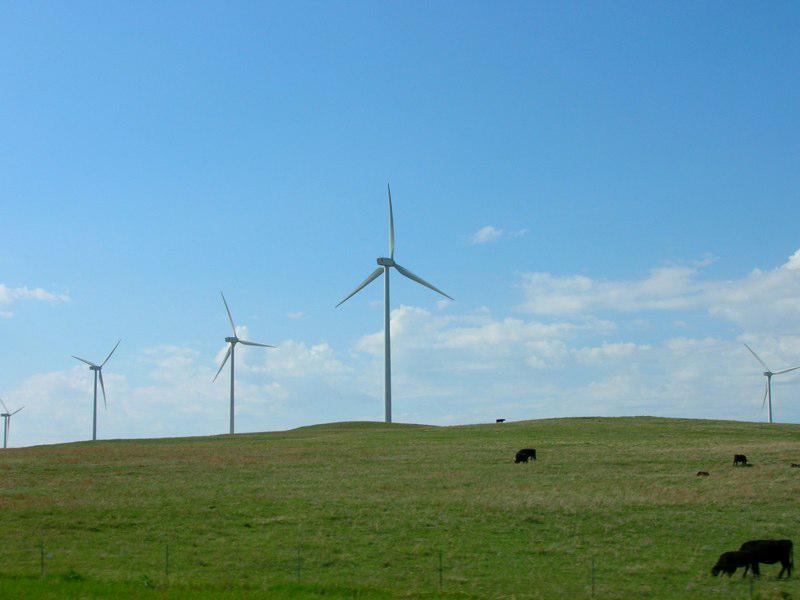
FERC approves SPP plan to reroute power around grid congestion
FERC accepted Southwest Power Pool's economic topology optimization tariff on August 19, 2026 in docket ER26-2592, letting market participants and SPP propose reconfigurations of the transmission network to relieve congestion, effective October 1, 2026. Commissioner David Rosner's concurrence puts SPP's average congestion costs above $1.6 billion a year; MISO has run a similar process since 2023.
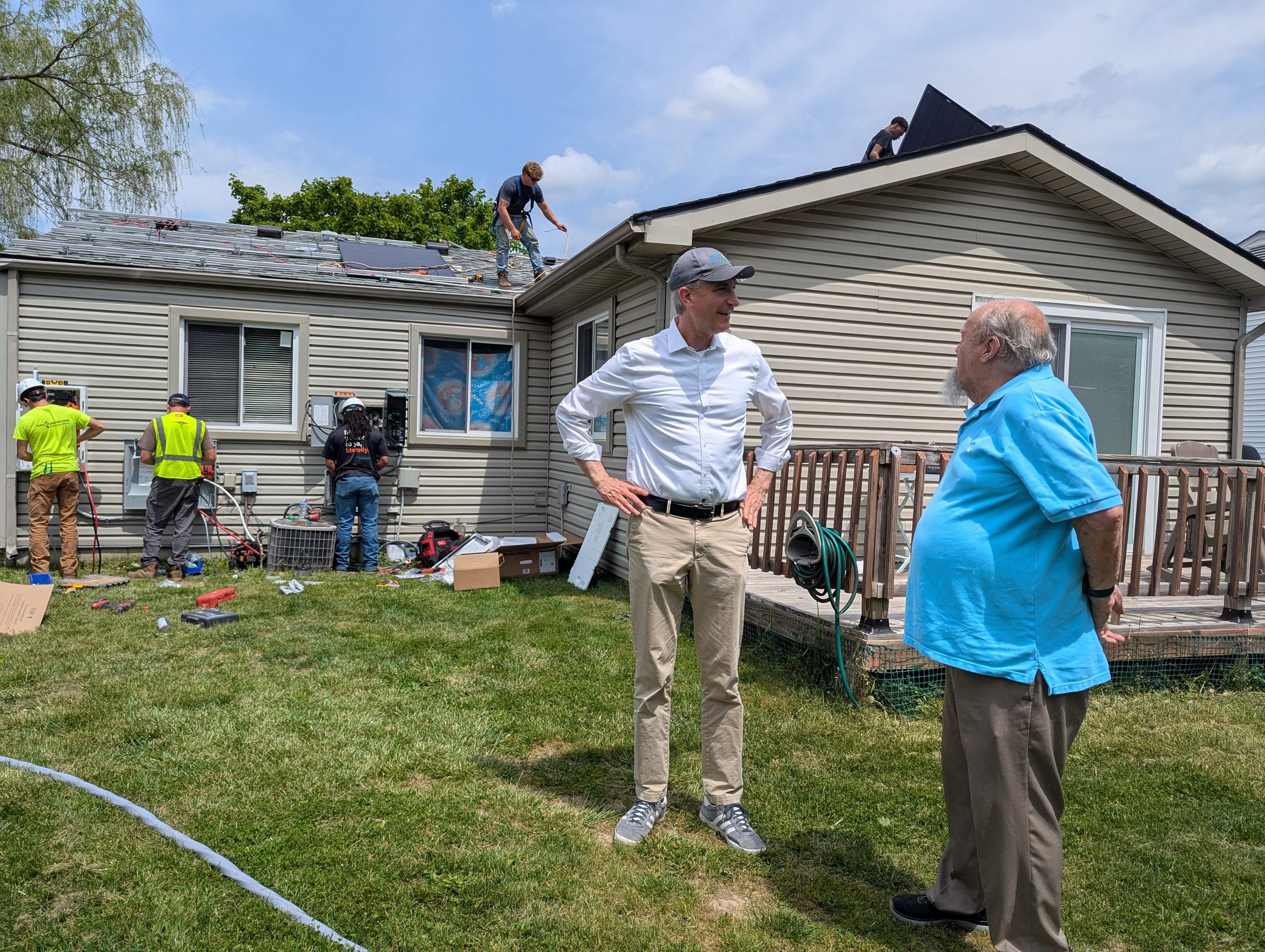
Ann Arbor's city utility installs solar and batteries at no upfront cost
The Ann Arbor Sustainable Energy Utility, a voter-created municipal utility that supplements rather than replaces DTE, is installing city-owned rooftop solar and battery systems on homes in the Bryant neighborhood at no upfront cost, with plans to reach about 100 homes before the pilot concludes in 2026 and to begin citywide expansion in 2027. Participants pay roughly $600 a year and the city estimates $700 to $1,000 in annual utility-bill savings; one enrolled household rode out a two-day heat-wave outage in July 2026 on its battery.
Massachusetts swaps surprise solar upgrade charges for a flat $225 fee
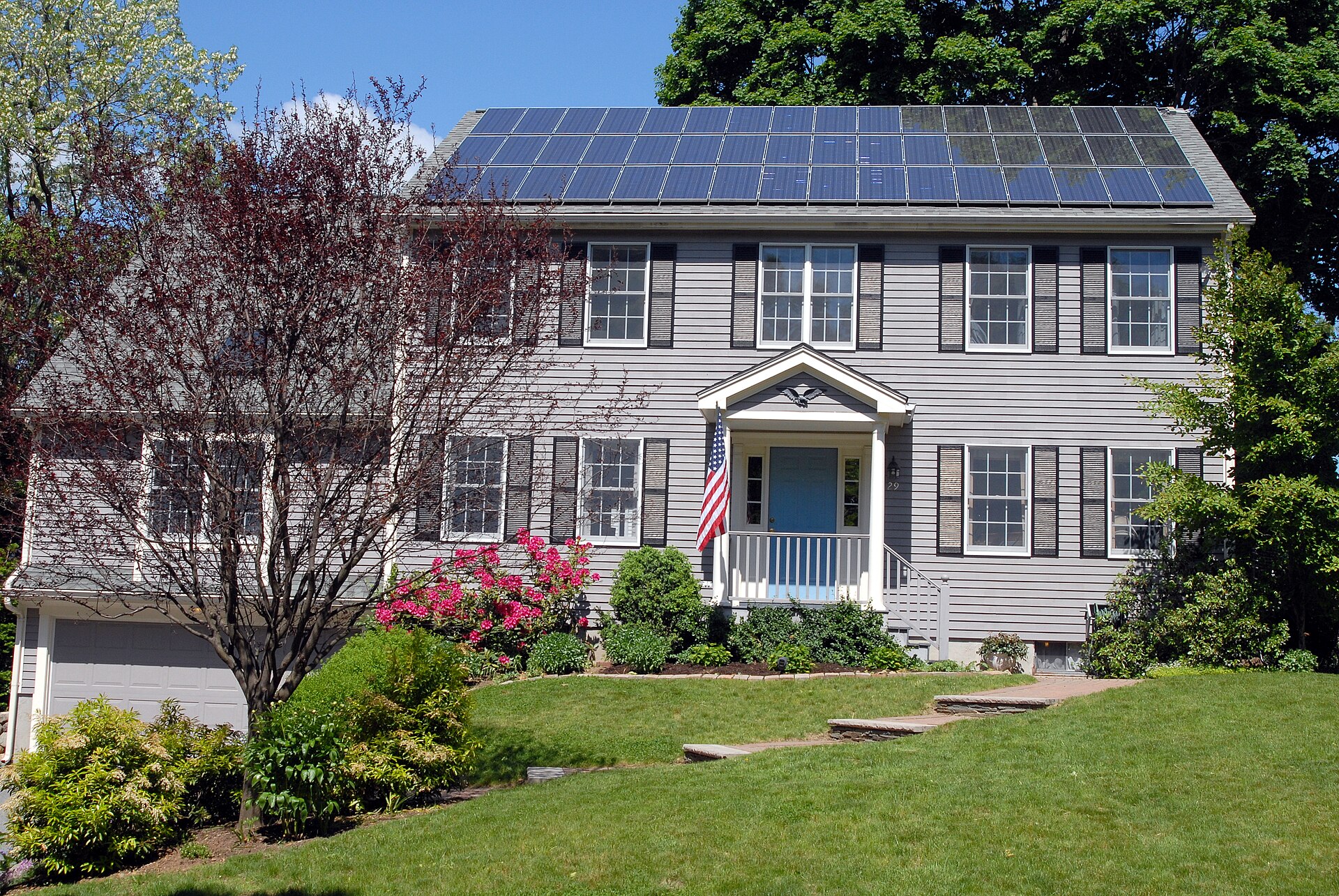
The Massachusetts Department of Public Utilities approved a Common System Modification Fee on August 12, 2026 in docket D.P.U. 26-57: every solar or battery project on the utilities' simplified interconnection path (listed inverter-based systems of 25 kW or less) pays a flat $225 at application, and the pooled fund covers grid upgrades up to $10,000 for Eversource and National Grid customers and up to $1,450 for Unitil customers. The tariffs take effect November 1, 2026, ending the practice of billing whichever customer happened to trigger a transformer upgrade.
-
11 GW-plus Northwest plan, Austria's storage pivot, Walmart's 100th charger
Three developments from August 13 to 21, 2026: the Northwest Power and Conservation Council's draft Ninth Power Plan calls for more than 11 GW of new generation and more than 5 GW of storage by 2032; Austria plans to redirect residential solar subsidies toward battery storage from 2027, guided by a ministry-commissioned study that finds up to 8 GW of market-oriented battery capacity economically useful by 2030; and Walmart's company-owned fast-charging network, delivering up to 400 kW, reached 100 stores across 20 states.
New Jersey proposes 10-year payments for up to 150 MW of home batteries
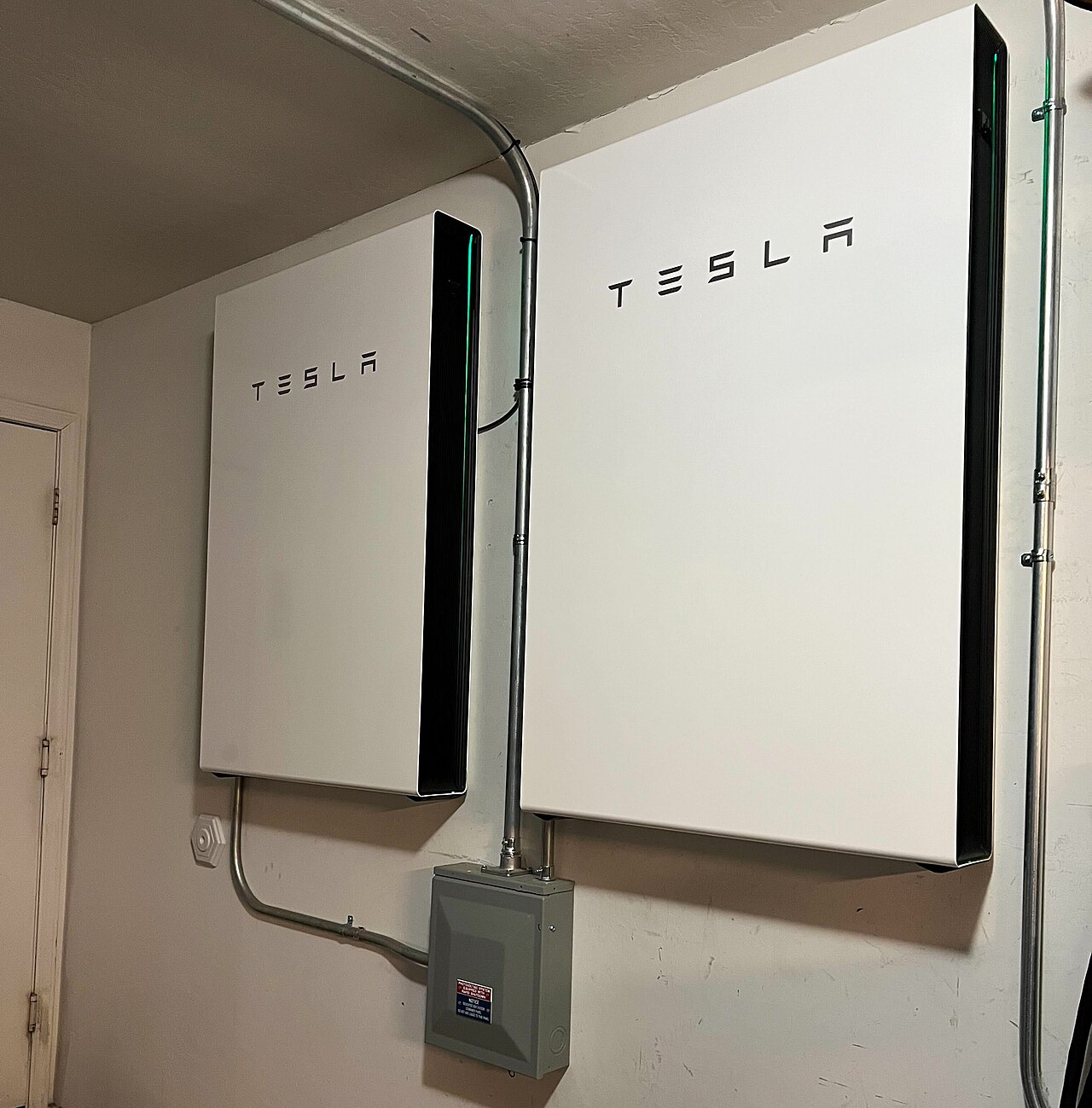
The New Jersey Board of Public Utilities released a straw proposal on August 19, 2026 for Phase 2, Block 1 of the Garden State Energy Storage Program: up to 150 MW of behind-the-meter home batteries earning performance-based payments of up to $200 per kilowatt-year over 10 years, administered by the state's four electric utilities, with enrollment targeted to open by July 2027.
FCC redraws its foreign inverter ban around the 45X tax credit
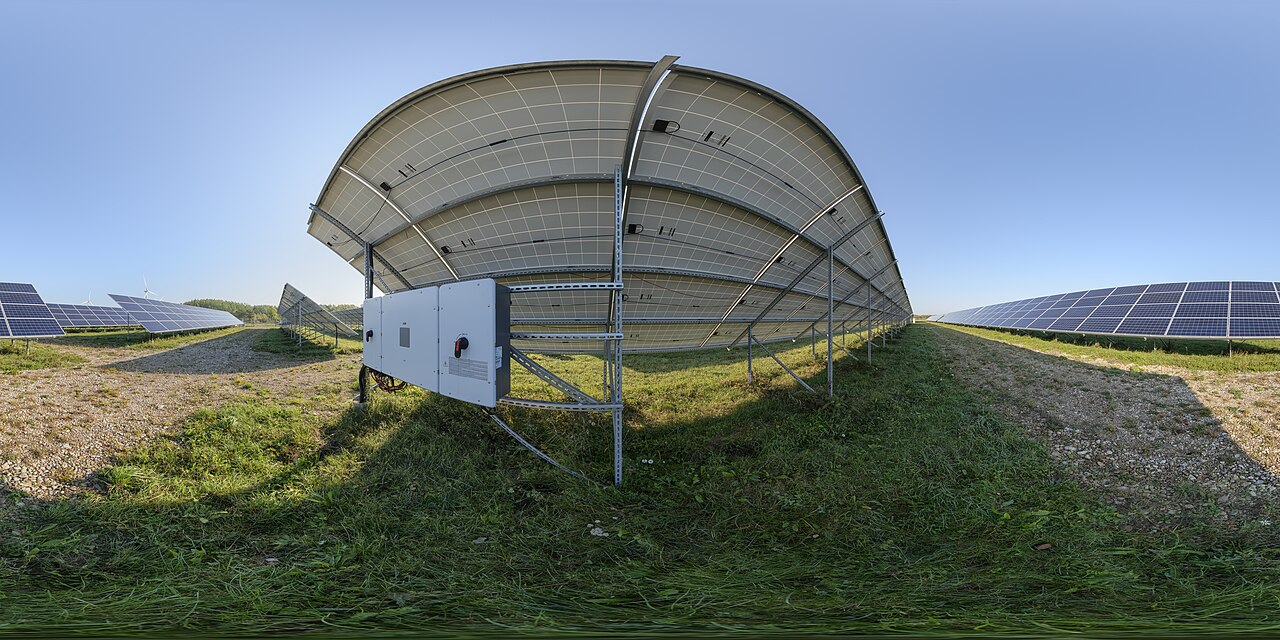
The FCC modified its Covered List entry for foreign-produced power inverters on August 20, 2026: the ban now covers only UL 1741 utility-interactive inverters but extends to wired connectivity, and inverters eligible for the Section 45X manufacturing credit are no longer treated as foreign-produced.