 The Duck Curve
Public Accounts Committee calls Sizewell C a 'terrible deal' for taxpayers
If the build cost rises from £40.5 billion to £47.7 billion, consumers would pay £9.8 billion more during construction and £12 billion more over 60 years of operation, MPs say; investors would add £30 million.
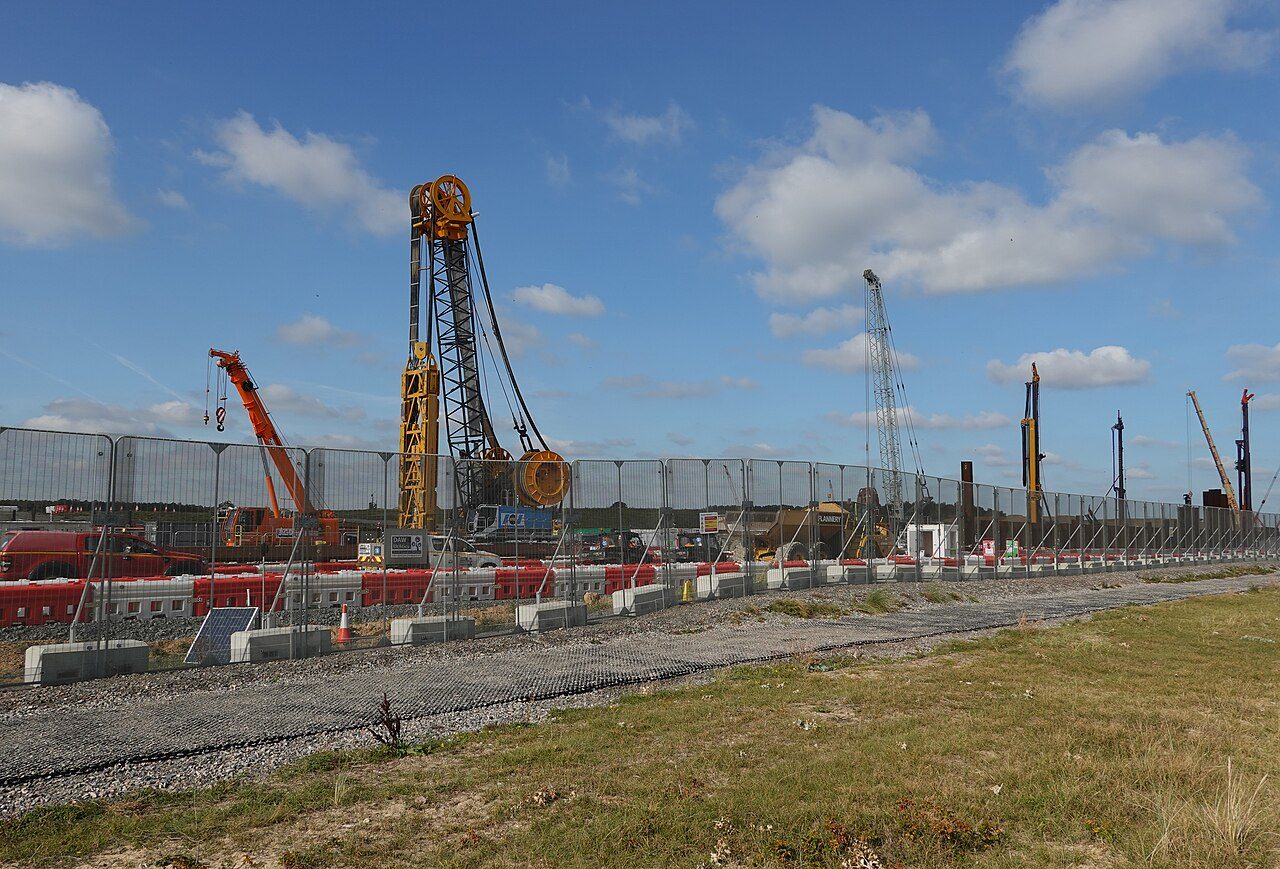
Sizewell C is "a terrible deal for the UK taxpayer," the House of Commons Public Accounts Committee said in a report published October 28, 2026. If the Suffolk nuclear plant's construction cost rises from £40.5 billion to £47.7 billion, the committee says, consumers would pay £9.8 billion more during construction and a further £12 billion over its 60-year operating life, in real terms, while private investors would need to put in only an additional £30 million in cash.
The report is the committee's 17th of the session (HC 106). It builds on the National Audit Office's May 20, 2026 report and a June 8 evidence session with officials from the Department for Energy Security and Net Zero (DESNZ) and Sizewell C Ltd. Its complaint is about who carries what: the public provides most of the money and bears most of the risk, the government holds a minority stake, and investor returns stay above 10% even in the overrun case.
Who pays when costs rise
The July 2025 deal took the government from 90% of the equity to a 44.9% stake, which the department told MPs gives it "veto rights but does not give [it] control." Government also provides most of the debt, up to £37 billion through the National Wealth Fund, with the remaining £5 billion from commercial lenders guaranteed by France's export credit agency.
Consumers pay through a regulated asset base. Below the £40.5 billion central estimate, known as the lower regulatory threshold, savings are shared equally between consumers and investors. Between that and the £47.7 billion higher threshold, only half of the costs above the central estimate can be charged to consumers. The committee's consumer bill for that band covers more than construction: consumers also pay for the extra borrowing and for payments to shareholders over a longer period.
Investors, by contrast, lose mainly through a lower return. The committee puts their expected annual returns at 12% to 13% if costs are low and 10.8% to 11.4% at the higher threshold, a cut of up to 1.6 percentage points. Behind that sit government guarantees: a loan facility of up to £8 billion for liquidity trouble, and a discontinuation and compensation agreement worth up to £70 billion (nominal) if the project is closed or the plant permanently shut down with Sizewell C Ltd not at fault. Taxpayers also cover any decommissioning shortfall the consumer-funded pot cannot meet once the plant has stopped operating.
The committee concludes that the arrangement breaks the rule that returns should be proportionate to risk, and questions whether investors have enough incentive to deliver efficiently. DESNZ pushed back, Utility Week reported, arguing the deal incentivises investors and is essential for energy security. In the report's own account, the department said these were the best terms it could negotiate in the current market.
Why the committee expects overruns
The committee's starting point: "No comparable nuclear power station anywhere in the world has been built on time and to budget." Sizewell C uses the European Pressurised Reactor (EPR) design also being built at Hinkley Point C in Somerset, and the report lists that design's record: Flamanville 3 in France around 14 years behind schedule with cost increases of about 300%, Olkiluoto 3 in Finland 14 years late and 320% over budget, Hinkley Point C currently 5 to 7 years late and around 100% over budget, and China's Taishan 1 and 2 each 5 years late. Sizewell C is expected to finish construction between 2039 and 2043.
The department is relying on Sizewell C's design being 85% the same as the completed Hinkley Point C design, and on lessons carried over from Hinkley, for the project to succeed where others have not. The committee's wider charge is that the department's failure to maintain a market for nuclear left it with only one option: over more than a decade, six other potential sites dropped out of the market or failed to progress, leaving only the EPR and constraining the department's commercial leverage.
The cost on signing day sat below the line MPs now measure overruns from. When the Energy Secretary signed the final investment decision on July 22, 2025, the government put the target construction cost at around £38 billion (2024 prices) and said the impact on consumer bills would be limited to an average of around £1 a month during construction; Sizewell C's joint managing directors said the new investors had strong incentives to keep costs under control. The NAO's summary sets the two numbers side by side in 2024-25 prices: £38.2 billion is the company's own risk-adjusted "project baseline," which excludes some costs counted in the regulatory thresholds, and £40.5 billion is the lower regulatory threshold DESNZ set in its licence. The overrun sharing MPs object to is measured from the second.
The NAO also reports DESNZ's estimate of an equivalent strike price of £131 to £155 per megawatt-hour (2024-25 prices) between the project baseline and the higher threshold, after the "recycling" consumer subsidy, against Hinkley Point C's £129 in 2025 prices. A plant designed to be cheaper to build may not sell cheaper power, the NAO says, partly because Sizewell C carries the rise in borrowing costs since Hinkley's price was set.
What MPs want next
"Reporting once a year would be totally inadequate given the project's level of risk," the committee writes. Current plans give Parliament an annual report on cost forecasts while the shareholders will get six-monthly updates, verified by an independent technical adviser. The committee wants Sizewell C Ltd and DESNZ to report to Parliament every six months with actual and forecast costs, schedule changes, milestones, changes in the risk the public and consumers face, expected bill impacts and forecast investor returns, and to publish the underlying data in machine-readable form. The committee, in other words, wants Parliament to get what the shareholders will get.
Sizewell C Ltd is asked to write to the committee within three months with the scenario analysis behind its cost thresholds. DESNZ is asked to set out how future schemes, small modular reactors included, can split risk more fairly, and how it will bring the "nuclear premium" investors charge towards zero. The government's reply is due by December 28, 2026, per the committee's record.
Sources
Primary
- Sizewell C: Seventeenth Report of Session 2026-27 (HC 106) · House of Commons Committee of Public Accounts
Supporting
- Sizewell C gets green light with final investment decision · Department for Energy Security and Net Zero (GOV.UK)
- Sizewell C (summary), HC 33, Session 2026-27 · National Audit Office
- Publication record: 17th Report - Sizewell C · UK Parliament committees API
- MPs slam DESNZ over 'terrible' Sizewell C deal · Utility Week
Copies of cited sources are retained where available. If a link no longer resolves, request a copy at contact@theduckcurve.com.