 The Duck Curve
UK grants consent for Sea Link, National Grid's 2 GW Suffolk-Kent cable
The decision letter calls a £3.2 billion figure Ofgem's costing; Ofgem's own consultation shows it is National Grid's request, which the regulator proposes to cut to £2.89 billion.
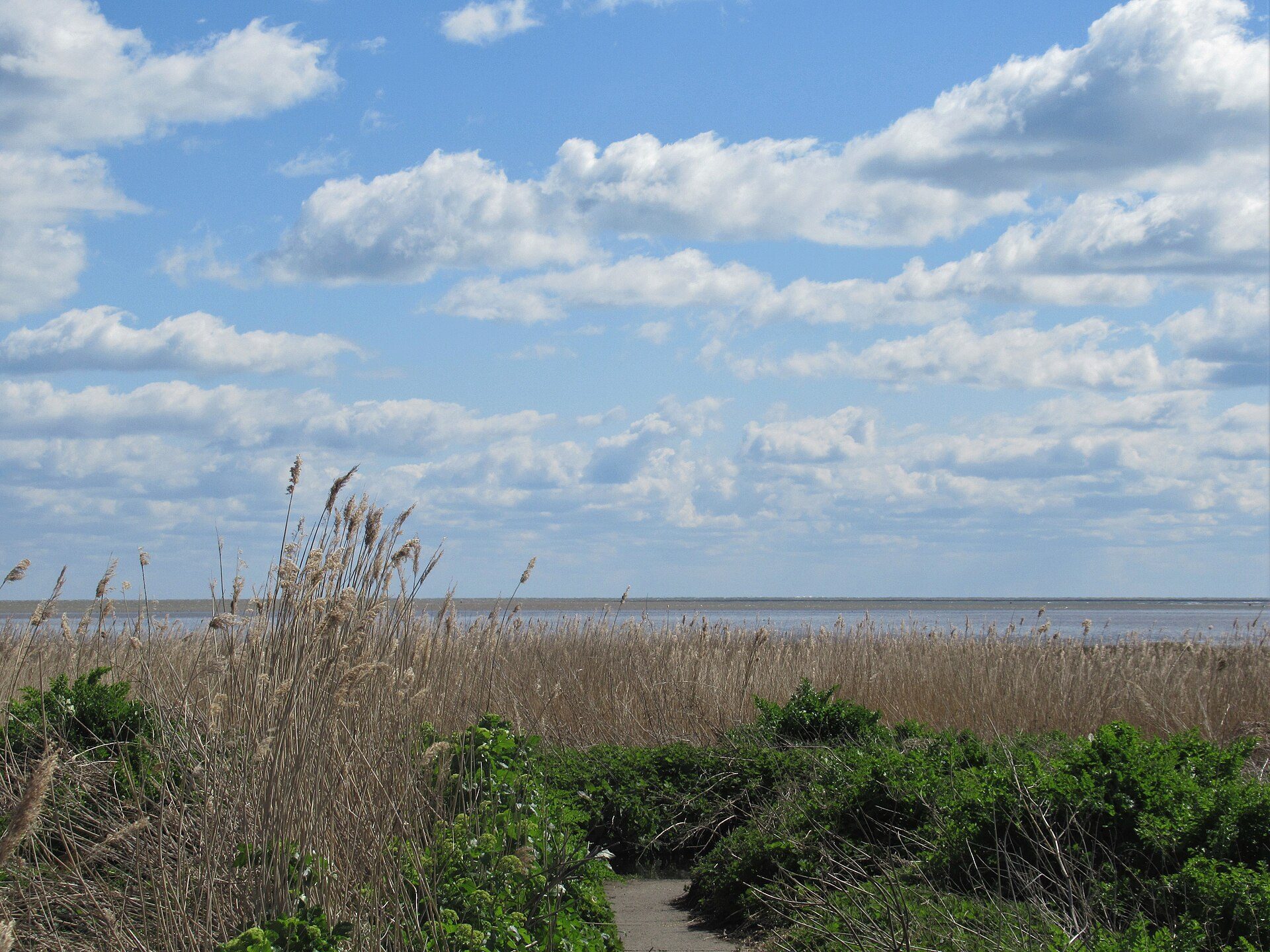
The UK government granted development consent on October 30, 2026 for Sea Link, National Grid Electricity Transmission's 2 GW high-voltage direct current link between Suffolk and Kent. The Secretary of State's decision letter, made by Minister Curran on the Energy Secretary's behalf, makes the order with modifications and accepts the examiners' recommendation, while agreeing that it will have significant adverse landscape and visual effects in Suffolk and Kent, some lasting beyond 15 years after construction.
The route starts at a new substation near Friston, renamed Kiln Lane in early 2026 after requests from residents, and runs through about 1.9 km of underground AC cable to a 2 GW converter station near Saxmundham. About 10 km of underground HVDC cable takes it to a landfall between Aldeburgh and Thorpeness, and a marine cable of about 122 km crosses to Pegwell Bay. From there it goes underground for about 1.7 km to a second 2 GW converter station near Minster, beside a new substation that ties into the existing Richborough to Canterbury 400 kV overhead line. National Grid's release counts the whole link at 138 km and expects construction to begin in early 2027, subject to detailed planning, with completion by 2031.
The National Grid (Sea Link) Order 2026 comes into force on November 23, 2026, and the work must start within five years of the order's date. A judicial review claim must reach the Planning Court within six weeks beginning the day after publication; by our count that window closes on December 11, 2026.
A bypass around London
Sea Link is a bypass. At the examination, National Grid said the link does two jobs: carry power out of Kent when wind is low and interconnector imports are high, and give East Anglia's generation an extra way out when the wind is up. It had to bypass the network around London, Kent and the Thames Estuary to reduce the risk of bottlenecks there, the company explained, which is why it connects in the Sizewell area at one end and no further west than Canterbury North at the other.
The pressure on the Suffolk end is easy to see. East Anglia has 7,687.4 MW of generation installed and connection agreements for 27,329.3 MW more, by National Grid's count in the examiners' report. Those agreements cover offshore wind, gas-fired generation, storage, interconnectors and Sizewell C, the nuclear plant whose finances MPs called "a terrible deal for the UK taxpayer" on October 28. The Department for Energy Security and Net Zero's release says easing the strain will "help reduce the need to pay generators to switch off when the network cannot carry their electricity," and presents the approval as building on Great British Grid, the public network investor announced on September 29.
Need carried the balance, though not painlessly. The letter gives need "substantial positive weight" and landscape and visual effects "great negative weight," the heaviest negative weight among the 23 issues weighed, and the letter concedes the mitigation "did not go as far as that requested by IPs, particularly in Suffolk," while pointing to further chances to agree landscape measures as the management plan evolves. The application drew 6,061 relevant representations. National Grid will also pay a community fund of over £2 million split broadly evenly between the two counties, on which the letter says the Secretary of State placed no reliance in deciding.
The cost question
Money is where the letter's figures slip. It says Ofgem, in a review on September 1, 2026, costed the project "at approximately £3.2 billion, almost triple National Grid's costing of £1.1 billion," and that the Secretary of State's first information request drew over 250 pieces of correspondence on the point. Ofgem's consultation tells it differently. There, £3,197.0 million is the total National Grid itself requested, in 2023/24 prices, and Ofgem is minded to disallow £305.5 million of it, for an allowance of £2,891.5 million.
The £1.1 billion is the capital cost estimate in 2018/19 prices that the examiners' report records. In those prices National Grid's request is £2,567.0 million, by our arithmetic about 2.3 times the earlier estimate: a steep rise, though not a tripling, and not Ofgem's number. The letter treats funding as not a fundamental planning matter, reviewed it anyway because of the volume of correspondence, and agrees with the examiners that there will be enough capital funding. Ofgem's consultation page shows it closed and awaiting a decision; the document gives Sea Link a December 2031 target date under its delivery incentive.
The consultation also carries an engineering problem. National Grid's harmonic studies, Ofgem writes, found that "even with the largest filter solutions proposed by bidders on the Project, compliance with applicable harmonic limits was unlikely to be achieved under all system conditions," and that National Grid expects further work elsewhere on the transmission network, possibly wider reinforcement or more mitigation, to comply once Sea Link runs at its intended 2 GW. In the decision stage, National Grid told the department it was confident that no works outside the scope of the Sea Link order are needed, with filters inside the converter station compound doing the job. The letter agrees that the order sets a reasonable design envelope, which National Grid considers allows for a solution, and adds that any fix falling outside the order would face whatever other consents apply at the time.
Ofgem says NESO's Clean Power 2030 advice identified Sea Link as an investment required to meet the government's clean power objectives, with NESO modelling consumer benefits of £1.1 billion to £1.4 billion if it can be brought forward to 2030. National Grid's 2031 completion date and Ofgem's December 2031 target sit just past that line.
Sources
Primary
- Sea Link: Secretary of State's decision letter (EN020026) · Department for Energy Security and Net Zero
Supporting
- Sea Link: project assessment (consultation page) · Ofgem
- Consultation: Sea Link – Project Assessment · Ofgem
- The National Grid (Sea Link) Order 2026 (as made) · Department for Energy Security and Net Zero / Planning Inspectorate
- Sea Link: Examining Authority's Report of Findings and Conclusions and Recommendation · Planning Inspectorate
- Major milestone as Secretary of State grants Development Consent Order for Sea Link · National Grid
- Major undersea power cable given green light · Department for Energy Security and Net Zero
Copies of cited sources are retained where available. If a link no longer resolves, request a copy at contact@theduckcurve.com.