 The Duck Curve
Tech
R&D and breakthroughs not yet tied to a site: fusion, new chemistries, reactor designs.
RSS feed for Tech →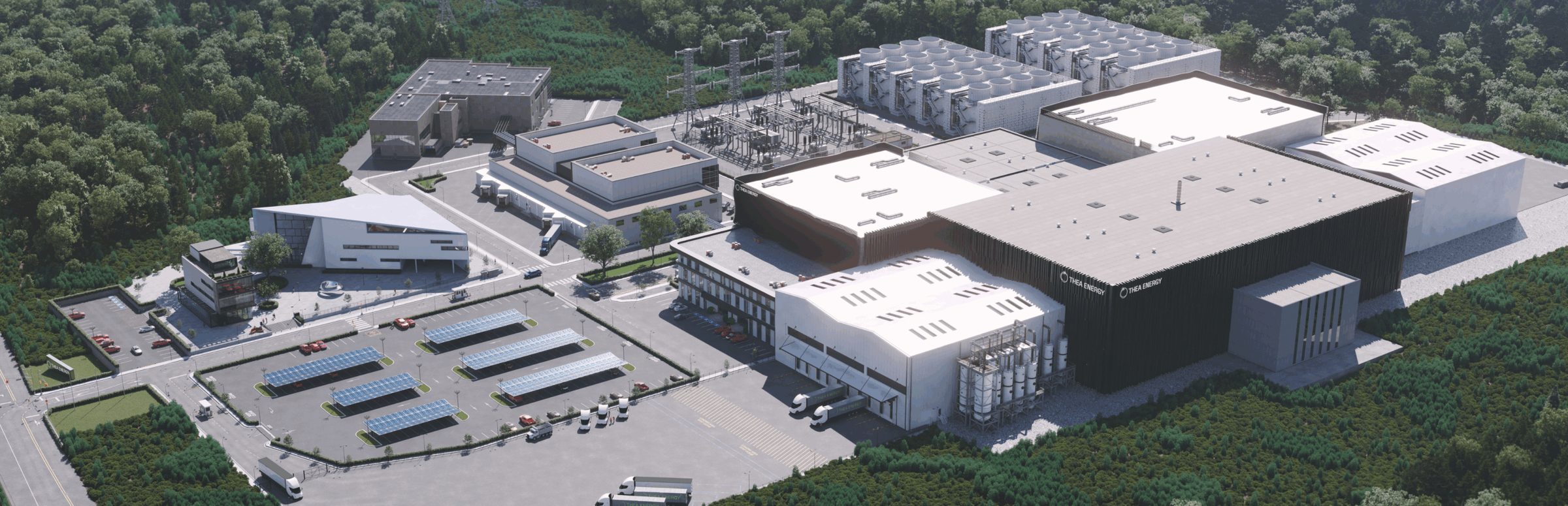
Thea Energy's Helios stellarator design lands in 16 peer-reviewed papers
Thea Energy said on September 9, 2026 that 16 peer-reviewed papers on its Helios stellarator power plant appear in a special issue of Fusion Engineering and Design. The preconceptual design, posted as an arXiv preprint in December 2025 and, per Thea, certified by DOE in January 2026 after an independent expert review, is a two-field-period quasi-axisymmetric stellarator with an 8 m major radius that the preprint says produces 1.1 GW of thermal power and 390 MW of net electric power. Thea says its Eos integrated stellarator is scheduled to be online by 2030; no site has been announced.

Hexagon leases geothermal rights on 145,000 acres of Weyerhaeuser forest
Hexagon Energy announced on September 10, 2026 that it has leased the geothermal rights on approximately 145,000 acres of Weyerhaeuser timberland in Washington and Oregon and says the portfolio could bring over 3 GW of power online once operational. The release names no project site, schedule, or technology. Weyerhaeuser optioned nearly 667,000 acres of geothermal rights to AltaRock Energy in 2008, and the largest plant on the Oregon Department of Energy's geothermal list is 22 MW.
Centrus signs HALEU supply contract for Radiant's Kaleidos microreactors
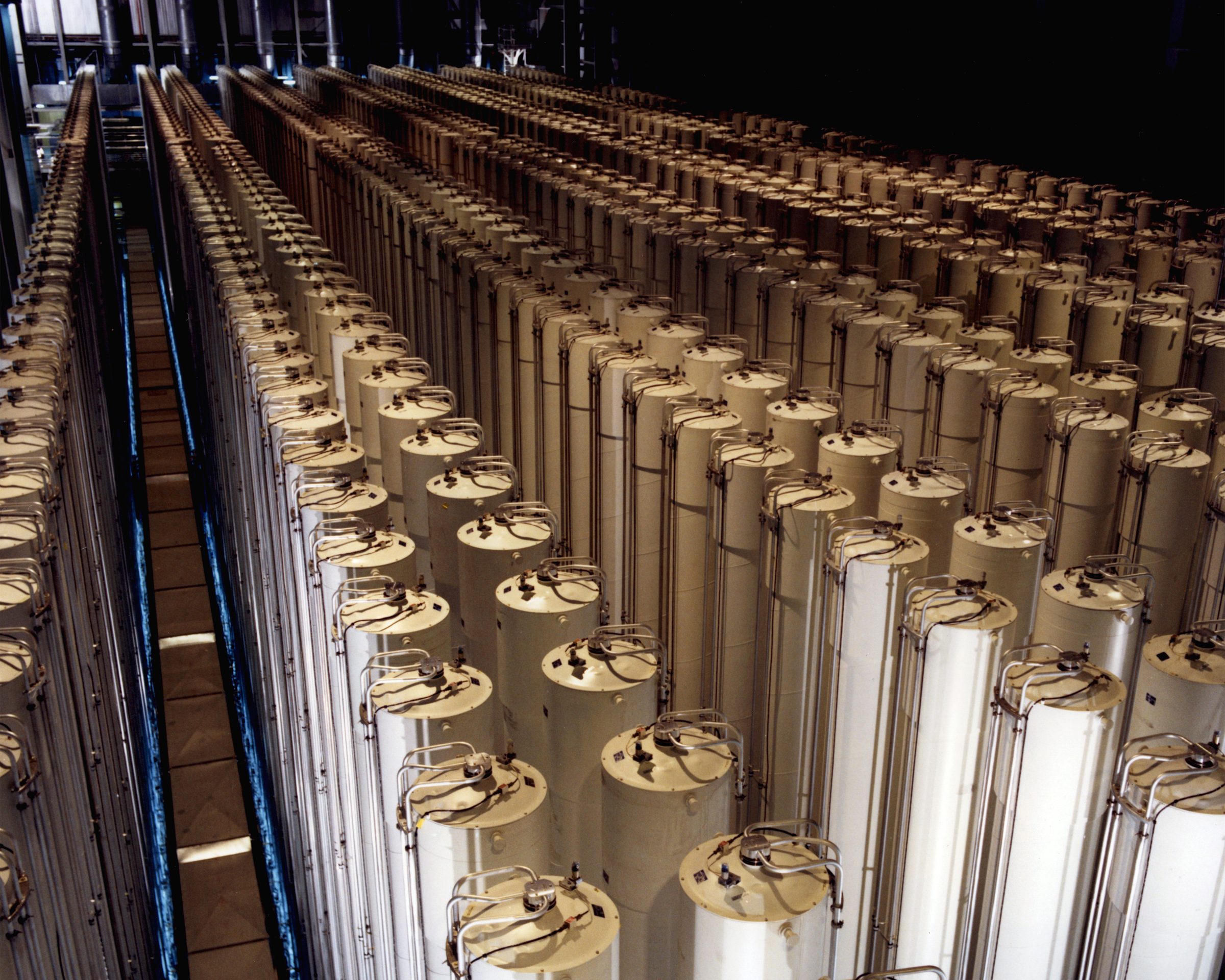
Centrus Energy said in a Form 8-K filed September 9, 2026 that it has signed a definitive multi-year contract to supply high-assay low-enriched uranium for multiple of Radiant Industries' Kaleidos microreactors, with deliveries scheduled to begin before the end of the decade and Radiant prepayments supporting Centrus's domestic commercial enrichment capacity program. The release gives no quantity or value. The same day Centrus priced a $500 million public offering of shares and warrants, its second enrichment contract with customer prepayments in five weeks after X-energy's on August 6.
CU Boulder preprint says SMR operating costs, not capex, drive poor returns
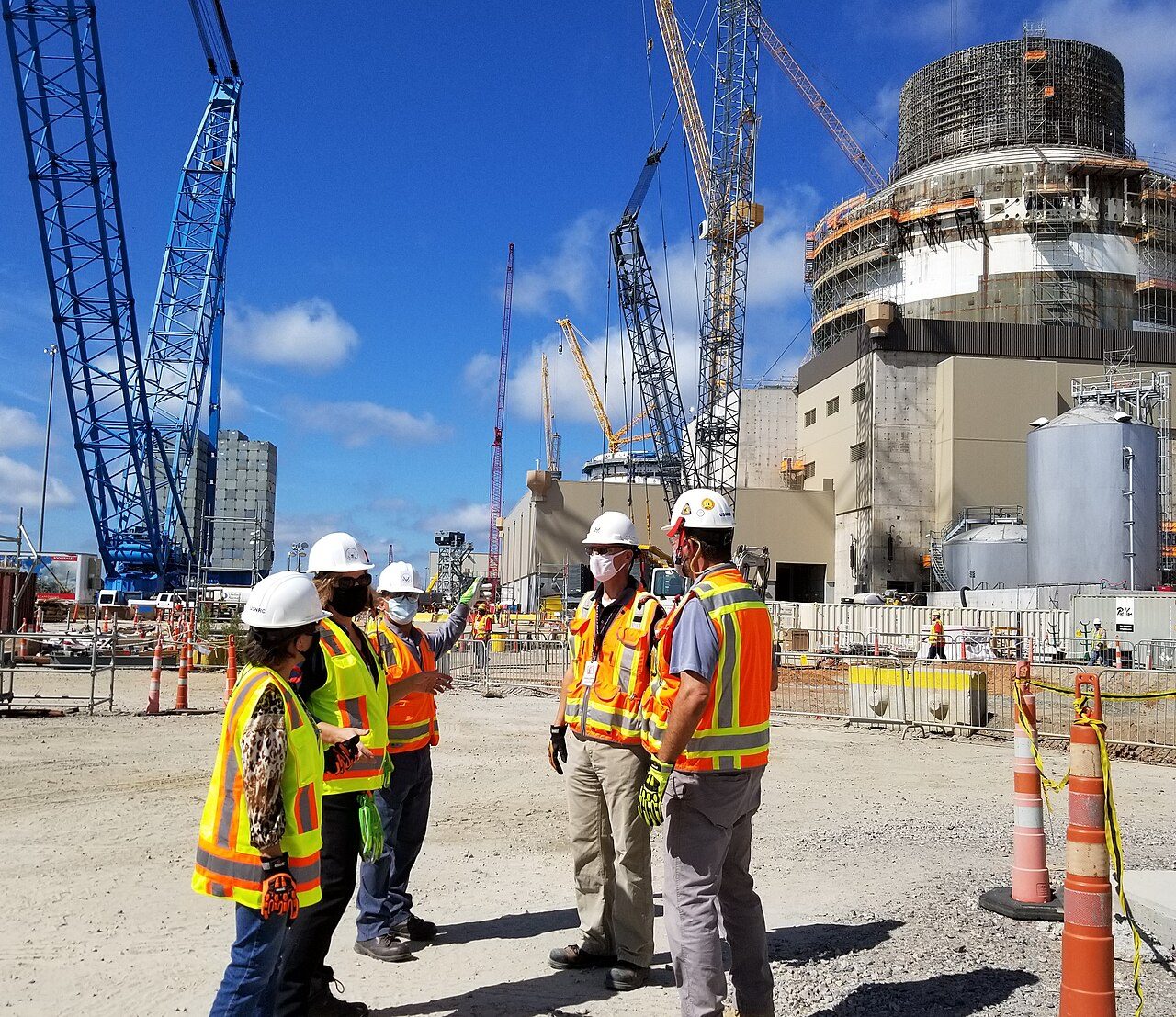
A preprint posted to arXiv on September 8, 2026 by Pradyumna Rao, Daniel T. Kaffine, and Bri-Mathias Hodge of the University of Colorado Boulder finds that fuel and operating costs, not investment costs, make small modular reactors uneconomical at manufacturer-advertised costs in US wholesale and capacity markets: almost all concepts have discounted payback periods longer than their technical lifetimes on energy revenue, 18 of 22 do not reach a 20-year payback at current production tax credit levels, and at advertised costs SMRs are about as profitable as advanced estimates of the AP1000.
-
ProLogium says its 381 Wh/kg solid-state cell is in mass production
ProLogium Technology said on September 2, 2026 that its Gen 3.5 Lithium Ceramic Battery is in mass production at its Taoke Gigafactory in Taoyuan, Taiwan, citing a third-party TÜV report showing a 185.4 Ah cell at 381 Wh/kg and 903 Wh/L and a UL Solutions weight-loss test under China's GB/T 43568-2026 from which ProLogium concludes the cell can be classified as all-solid-state. The release gives no production volume and names no customer for the Gen 3.5 cell.
Fervo and Google sign 396 MW geothermal PPA for possible Utah data center
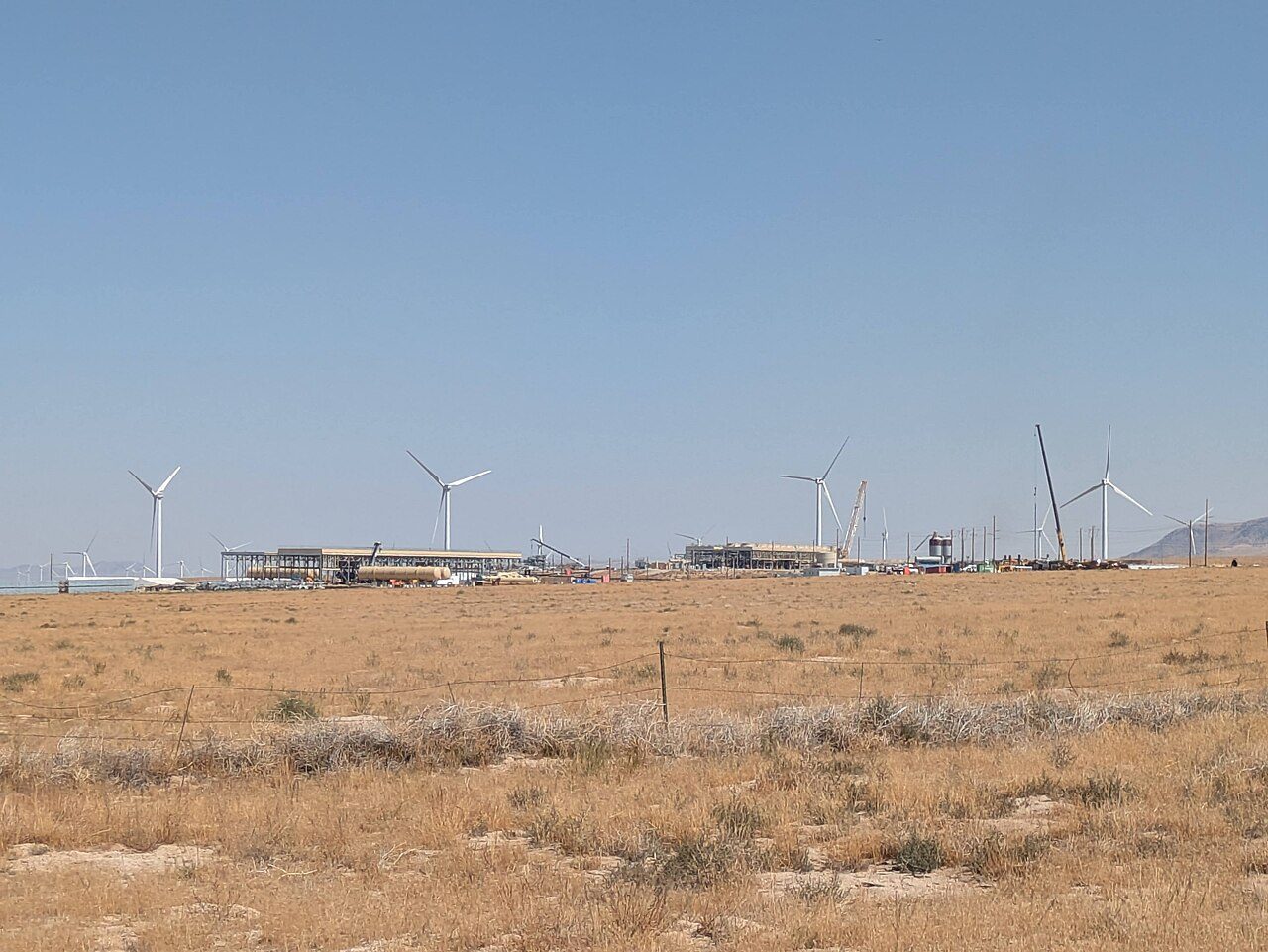
Fervo Energy subsidiary Cape Generating Station 6 LLC signed a 15-year, 396 MW power purchase agreement with Google Energy LLC on August 26, 2026, announced September 1, for enhanced geothermal output from Cape Station in Beaver County, Utah, delivered in four 99 MW sub-tranches with target commercial operation dates beginning in the third quarter of 2028. Fervo has agreed to offer Google an expansion of approximately 600 MW, for total contracted capacity of not less than approximately 950 MW with a guaranteed commercial operation date no later than June 2030, and says the project is intended to use delivery pathways under Utah's S.B. 132, subject to regulatory approvals.
-
Skyven reports sustained COP of 8.0 at its Arcturus steam heat pump demo
Skyven Technologies announced on September 2, 2026 that its 1 MWth Arcturus steam-generating heat pump demonstration center in Dallas, Texas has achieved a sustained coefficient of performance of 8.0, up more than 20% from the 6.5 the company reported at commissioning on November 20, 2025. Skyven says Arcturus delivers lifts from 38°C to 185°C with COPs from 8.0 down to 2.0, and the release names no customer installation.
MGE Energy buys into Realta Fusion to explore 200-MWe Wisconsin plant
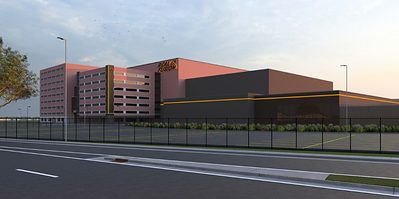
Realta Fusion and Madison Gas and Electric announced a strategic partnership on September 2, 2026 to explore joint development of a 200-MWe fusion power plant in Wisconsin. MGE Energy made a direct equity investment of undisclosed size in the first phase, and the utility agreed to provide equipment, engineering, and technical support plus help with siting, permitting, interconnection, and financing; Realta CEO Kieran Furlong told Wisconsin Public Radio the mid-2030s is a reasonable target.
-
Standard Nuclear to supply Antares up to eight tons of TRISO fuel
Standard Nuclear announced a binding TRISO fuel supply agreement with Antares Nuclear on August 27, 2026: a minimum of one metric ton of uranium as a firm commitment, plus customer options for up to seven more, with the release describing deliveries through 2035. It is the second definitive TRISO supply agreement the company has announced in August 2026, after an August 20 deal with Radiant Industries.
KIMM demonstrates ammonia heat pump cooling from 40°C waste heat
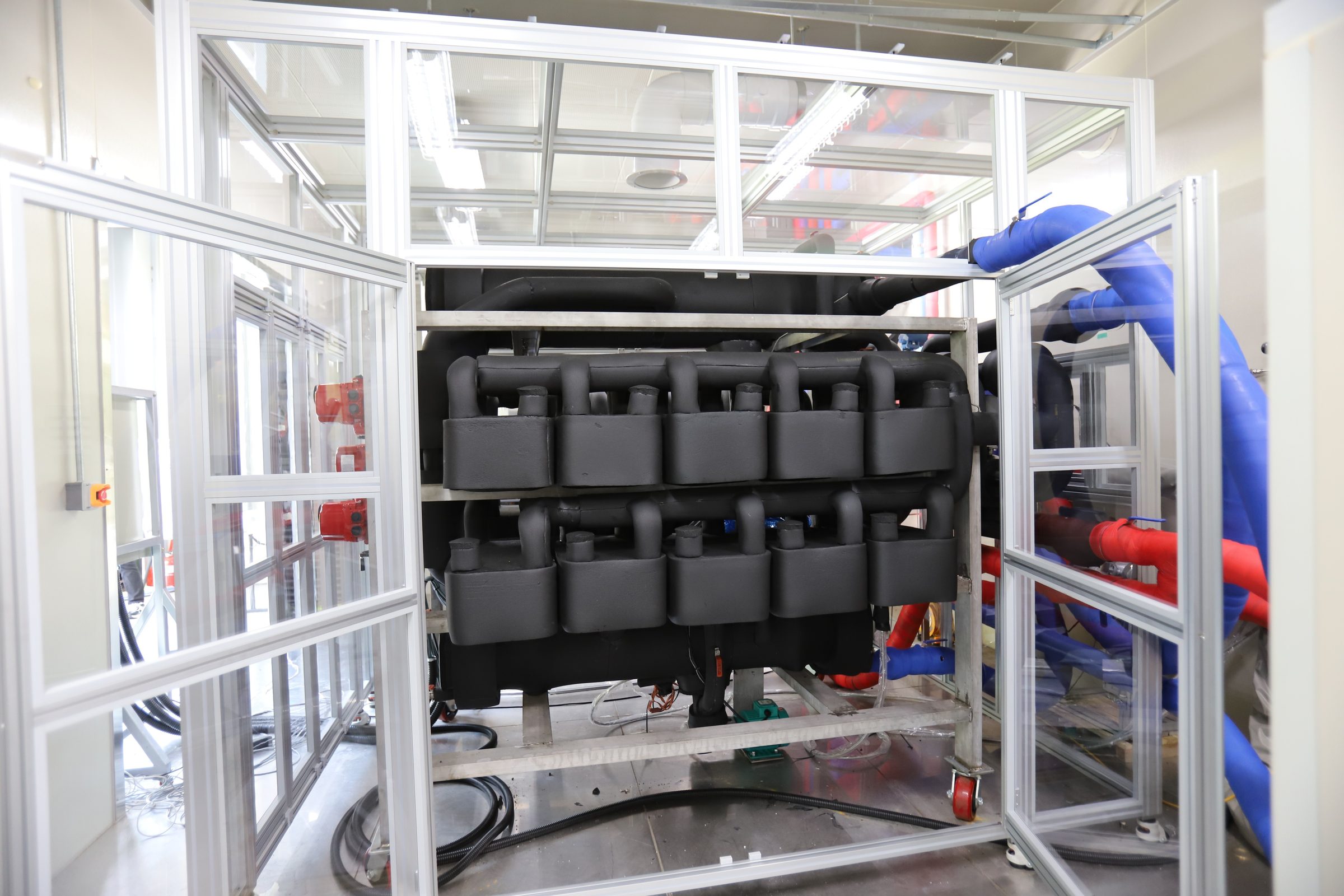
The Korea Institute of Machinery and Materials announced on August 5, 2026 that it demonstrated a chemical adsorption heat pump providing cooling from waste heat of approximately 40°C, well below the 70°C-plus that conventional adsorption systems require. Samjung Tech built a 10 kW-class prototype, and KIMM says the redesigned adsorption bed reaches a specific cooling power of 346.5 W/kg, more than twice that of comparable international technologies.
Five US microreactor designs went critical in the summer of 2026
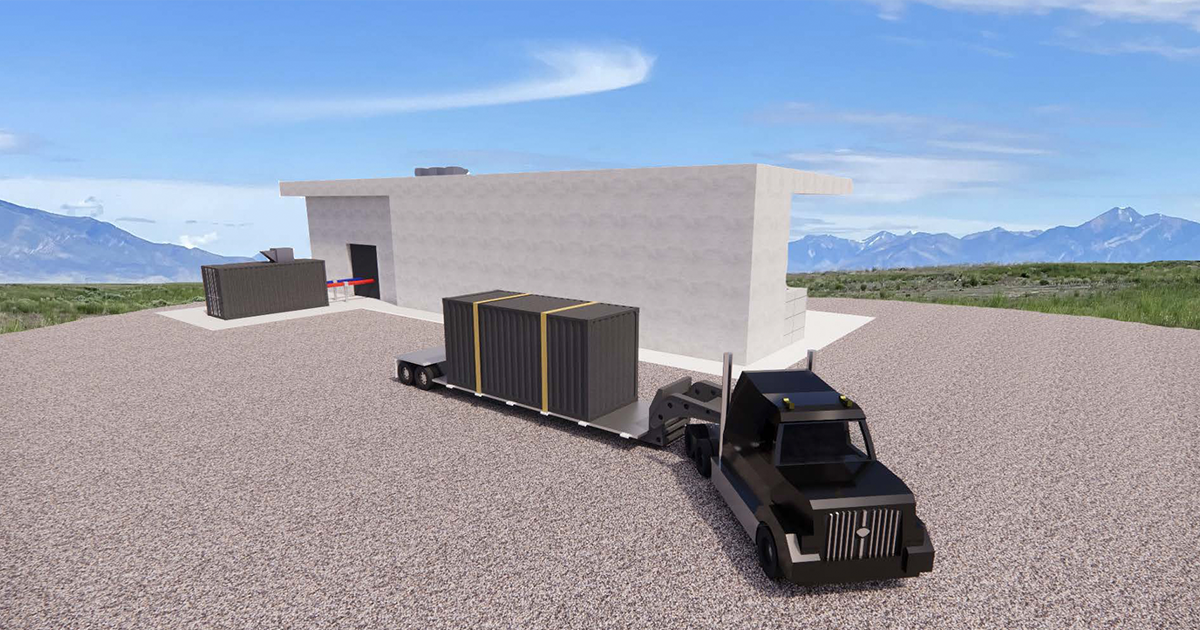
Five US microreactor designs completed first zero-power criticality tests between June and August 2026, all under DOE authorization rather than NRC licenses: Antares Nuclear's Mark-0, Valar Atomics' Ward 250, Deployable Energy's Unity, Aalo Atomics' Critical Test Reactor, and Westinghouse's eVinci. Four went critical at DOE-complex sites and Valar's at the Utah San Rafael Energy Lab, with the Valar details per POWER magazine's account. Radiant shipped its 1 MWe Kaleidos to Idaho National Laboratory's DOME test bed in August 2026 for the field's first full-power test campaign, targeted for completion in the third quarter of 2026, per Radiant's announcement, and BWXT plans formal testing of the Army's Project Pele prototype as early as 2027. Deployment money so far is federal: the Army's Janus program totals up to $2.2 billion across five vendors, with a first reactor targeted to operate by September 30, 2028; no nuclear microreactor supplies power to a US commercial grid today, per AP.
-
Marathon Fusion says its plasma centrifuge enriched lithium and hydrogen
Marathon Fusion announced on August 27, 2026 that it enriched hydrogen and lithium isotopes in its plasma centrifuge, aiming to cut tritium flow rates and processing system size in fusion plants by a factor of ten or more. Covalent certified the lithium-6 enrichment; the hydrogen separation results are not yet independently verified, according to Heatmap News.
Pacific Fusion breaks ground on a $1 billion fusion campus in Albuquerque
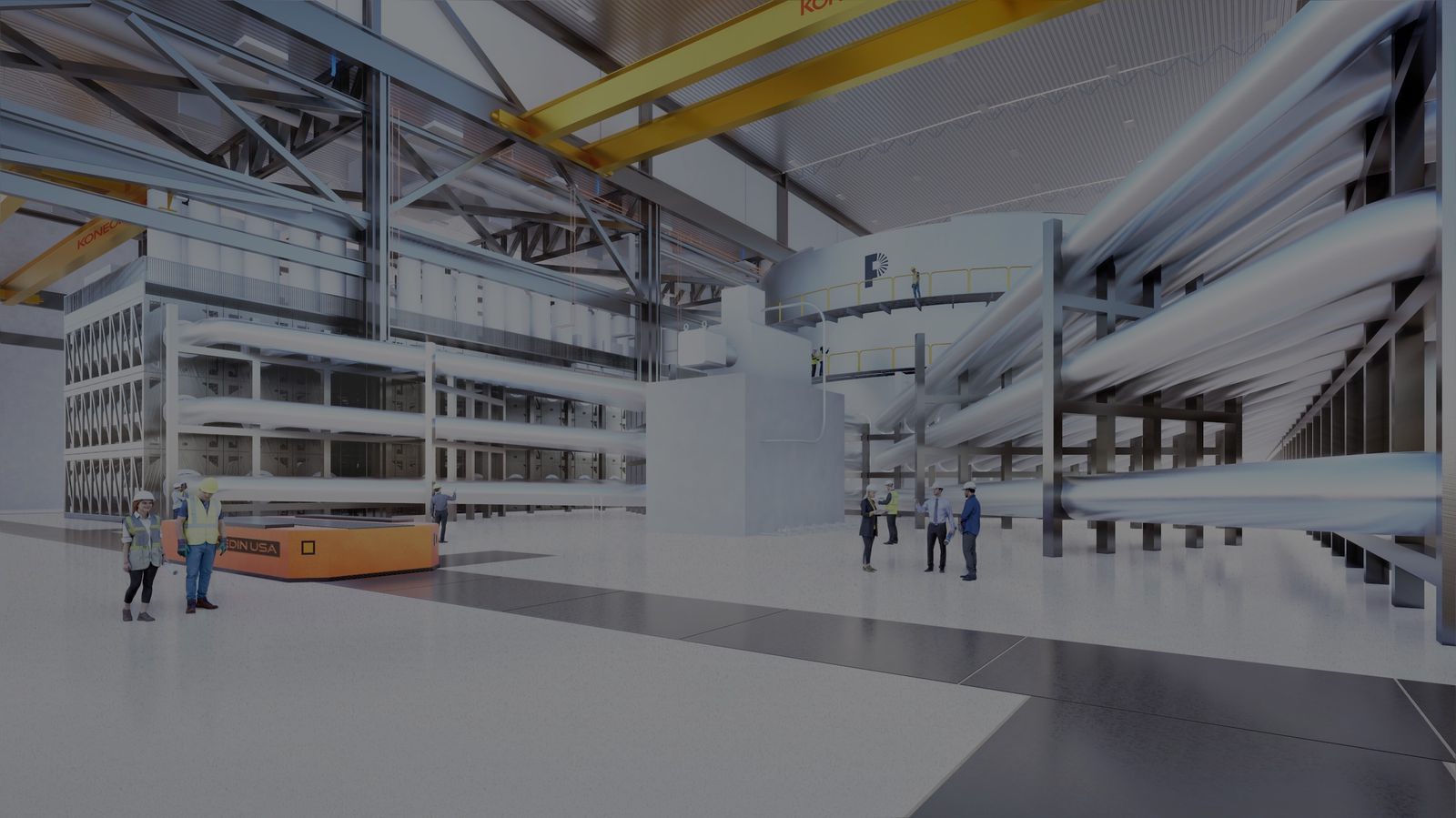
Pacific Fusion broke ground on August 25, 2026 on a $1 billion Research and Manufacturing Campus at Mesa del Sol in Albuquerque, New Mexico, where it will build its Demonstration System: a pulser-driven inertial fusion machine designed to achieve net facility gain by 2030 and fusion bursts exceeding 100 megajoules. The National Nuclear Security Administration and the company signed a memorandum of understanding on fusion collaboration the same day.

Heart Aerospace's 106-foot electric X1 demonstrator makes first flight
Heart Aerospace's X1 demonstrator made its first flight on August 12, 2026, from Plattsburgh International Airport in New York: 27 minutes aloft, 1,100 feet of altitude, and more than one megawatt of all-electric power under a takeoff weight above 25,000 pounds. The company calls it the largest battery-electric aircraft ever flown and is applying the results to its 30-seat hybrid-electric ES-30, targeted for airline service in 2031.
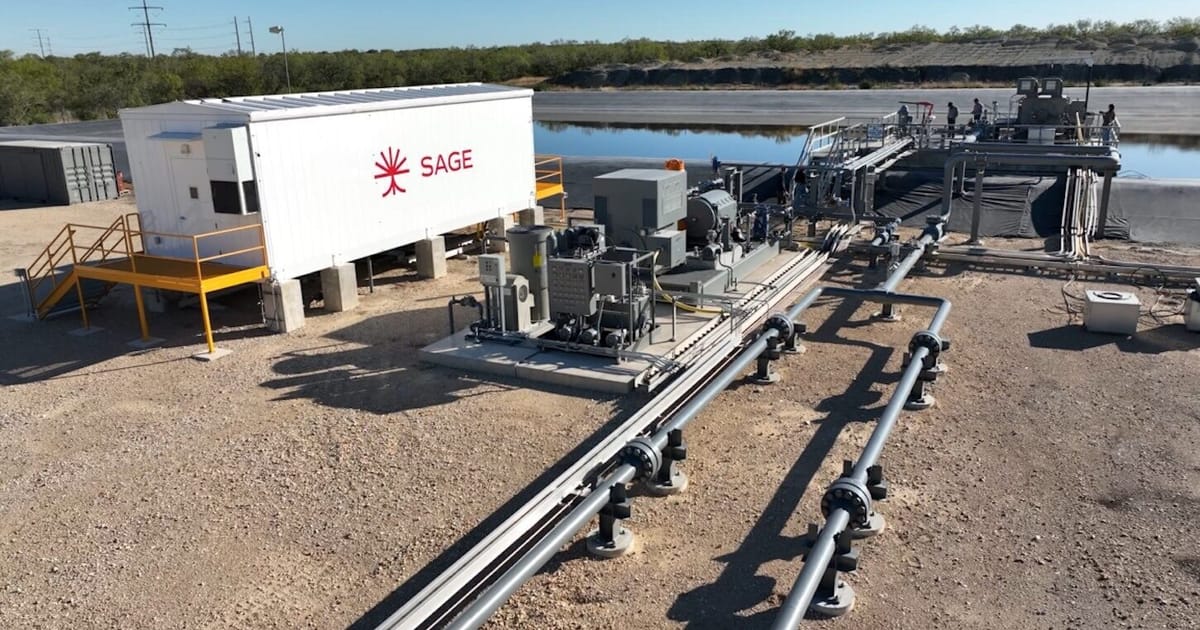
Sage Geosystems puts its 3 MW Texas geothermal plant in service
Sage Geosystems placed its SMECI enhanced geothermal facility in Christine, Texas in service on August 19, 2026, after more than 120 days of grid-connected operation. The company says the 3 MW plant held water losses below 10 percent across cycles and matched its reservoir model's predictions, results it is now applying to a planned commercial project at an Ormat site in Nevada.
CATL's lithium-air numbers, checked against 15 years of published results
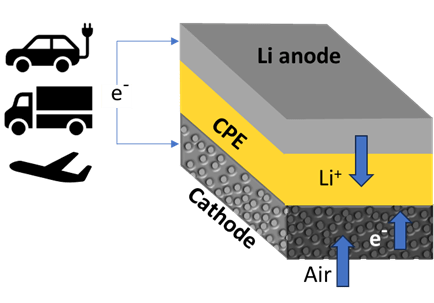
CATL chief scientist Wu Kai told a Beijing industrial forum on May 30, 2026 that the company has cleared 1,000 Wh/kg and 500 cycles with lithium-air chemistry in the lab, reviving a battery type IBM tried and abandoned by 2015. Published, peer-reviewed results run lower and under easier conditions: 700 cycles in simulated air (2018), 1,000 cycles in a single lab cell at room temperature with 1,200 Wh/kg only a stated design target rather than a measured result (2023), and 550 cycles from a new catalyst (2026), with almost none of it demonstrated in humid, carbon-dioxide-bearing air at the level of a full battery. A 1,200 Wh/kg figure widely repeated alongside coverage of CATL's forum remarks actually belongs to an unrelated Argonne/Illinois Tech result, and a 12,000 Wh/kg 'gasoline-level' figure circulating in the same coverage is generic background never attributed to CATL's own scientist. The startup furthest along commercially, Air Energy, is targeting wearables and drones first and electric vehicles only 'over the next five years,' extending a deferral pattern the chemistry has run since 2009.
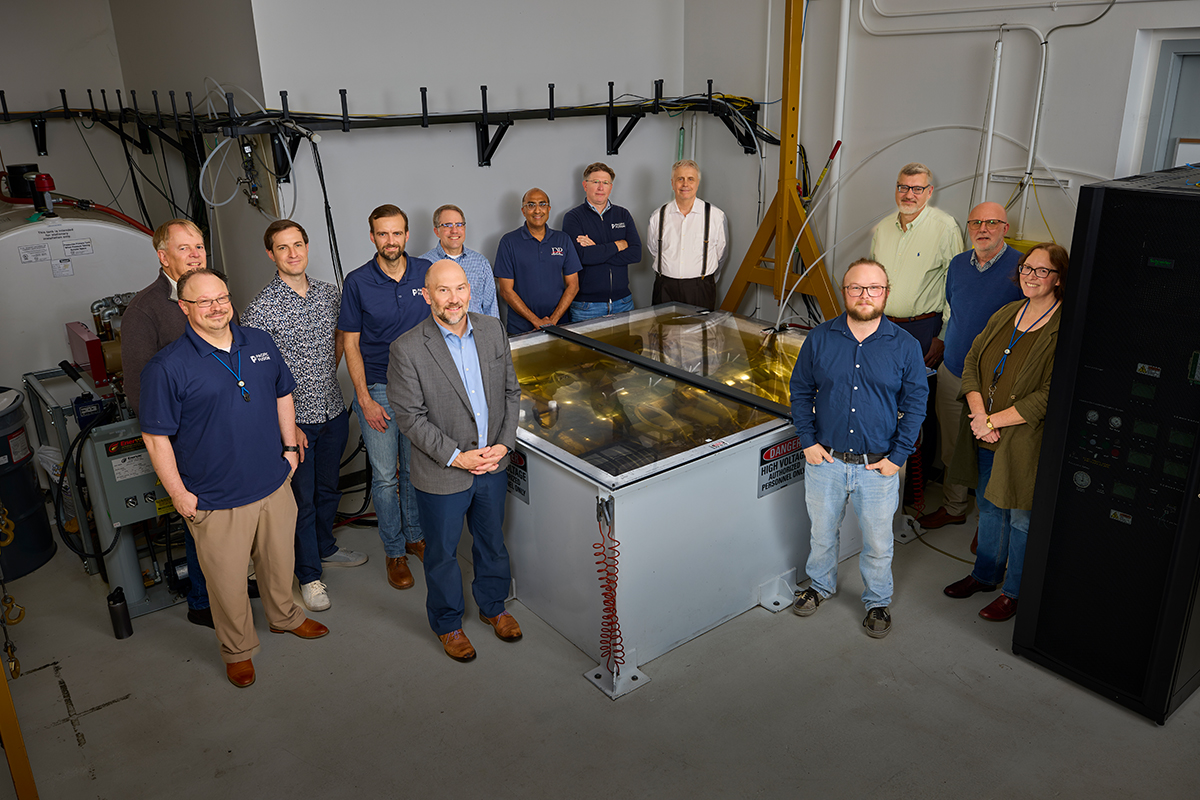
LLNL and Pacific Fusion push Sirius pulser past 3,000 shots
Lawrence Livermore National Laboratory and Pacific Fusion completed a 3,000-shot reliability campaign on the Sirius pulsed-power prototype, reaching 60 gigawatts per 100-nanosecond pulse at 95 percent energy efficiency by May 15, 2026. The CRADA-funded results, published jointly by the lab and the private fusion company on July 16-17, 2026, are the data behind Pacific Fusion's plan to scale the impedance-matched Marx generator architecture toward a full high-yield fusion driver.
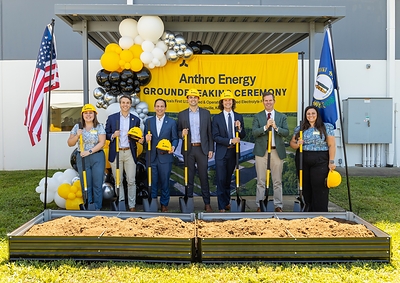
Anthro Energy breaks ground on 12,000-ton electrolyte plant in Louisville
Anthro Energy broke ground on a polymer electrolyte plant in Louisville, Kentucky, the company announced on August 19, 2026. The $42 million facility is expected to produce about 12,000 metric tons a year, enough to support up to 25 GWh of lithium-ion battery production, with operation targeted for late 2027.