 The Duck Curve
Last Energy says DOE approved its Texas pilot reactor's safety analysis
The final safety analysis for the RELLIS pilot, which the company says uses the PWR-20's full-scale core, leaves a DOE readiness review before startup authorization.
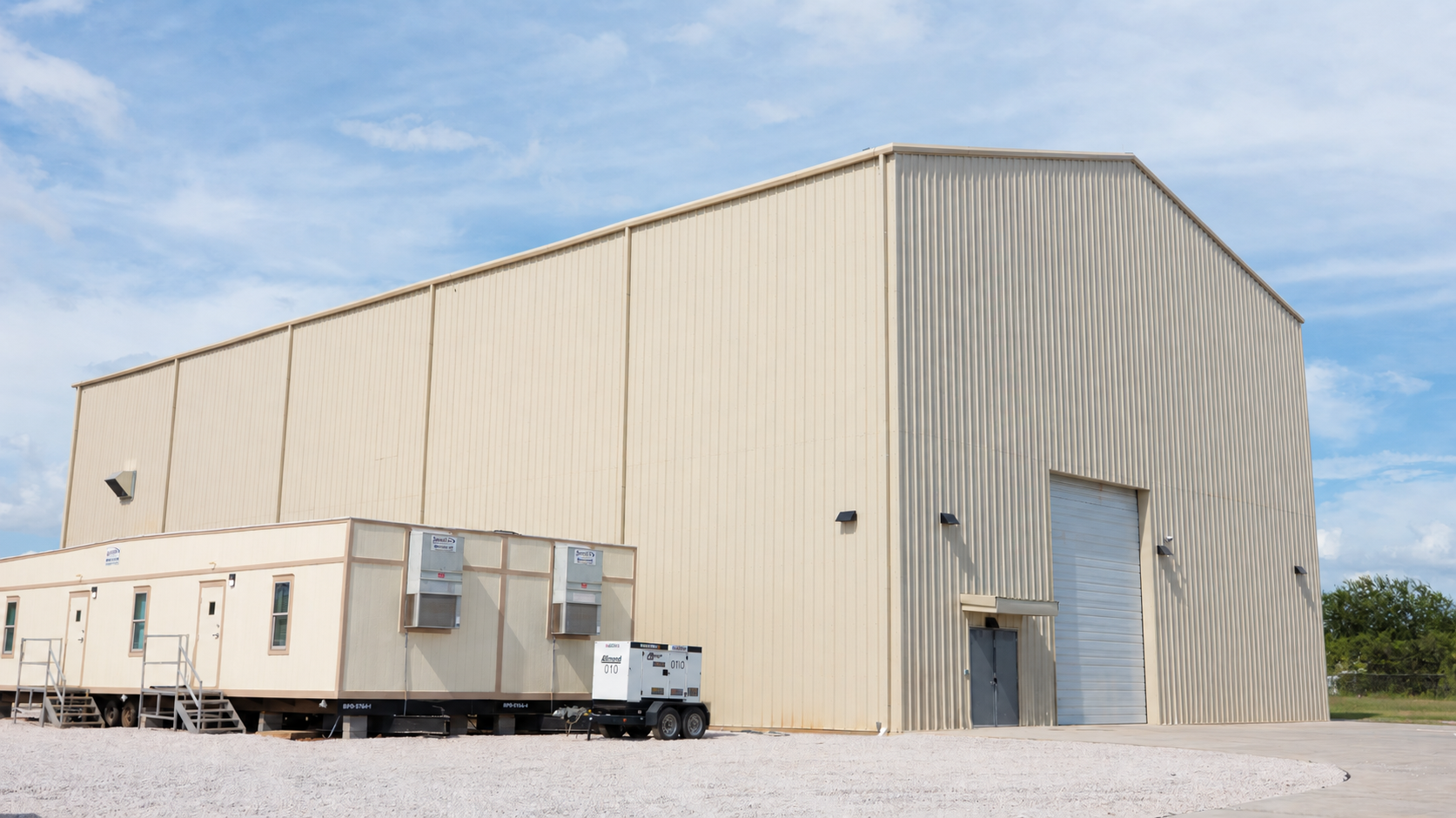
Last Energy says the Department of Energy has approved the Documented Safety Analysis for its pilot reactor at Texas A&M-RELLIS, leaving a DOE readiness review as what the company calls "the final step before DOE can issue startup authorization for criticality and reactor operations." The company announced the approval on October 7, 2026. The reactor, which Last Energy's earlier releases call the PWR-5, uses what the company describes as the same full-scale reactor core as its commercial 20 MWe PWR-20.
It is the second of the pilot's two safety analyses and, by the company's description, the bigger one. Last Energy calls the DSA "the final and most comprehensive safety analysis in the DOE authorization process," documenting how the reactor and facility will be operated safely, and says it builds on the preliminary version DOE approved in May. That preliminary analysis, announced on May 28, set the preliminary safety basis for the reactor, the facility and its planned operations, per the company.
Last Energy put no date on startup or criticality in the October release, and for now the approval rests on its word. DOE's Reactor Pilot Program page lists Last Energy among its selections but, as of October 11, carried no notice of the approval; its announcements cover criticality at three other companies.
Fuel first, permission second
The pilot has had fuel lined up longer than it has had a safety case. When Last Energy and the Texas A&M University System announced the project on October 15, 2025, the company said it had already procured a full-core load of fuel and signed an Other Transaction Agreement with DOE. By May 28, 2026, the company said, its fuel had been manufactured. In the same release Adam Lenarz, Last Energy's vice president of development, said the company was focused on finalizing "the DSA, the final safety analysis needed to secure DOE authorization for fuel receipt, criticality, and reactor operations." By the company's account, then, the fuel was finished before the safety case that would let the site receive it.
The building was due to be finished at the end of May: the Texas A&M University System said on May 29 that construction of the PWR-5 facility was expected to be completed that week.
The October release leans on the reactor's resemblance to the product Last Energy wants to sell. "By demonstrating a full-scale core at RELLIS, Last Energy can validate commercial-ready performance and advance into power generation," it says, adding that its low-enriched uranium fuel demonstrates a pathway to fleet-scale deployment built around an established commercial supply chain. The May release was more specific about what "same" means: the PWR-5 uses "the same physical reactor geometry" as the PWR-20, "with reduced fuel enrichment scaled for 5 MW of electrical output," and it will demonstrate low-power criticality before moving to electricity generation. The October version names neither the 5 MW figure nor the reduced enrichment.
The pilot program and the commercial route
Last Energy was one of 11 projects DOE selected for its Reactor Pilot Program in August 2025, under Executive Order 14301. DOE's program page states the goal as criticality for at least three advanced reactor concepts outside the national laboratories by July 4, 2026. By DOE's count, five DOE-authorized advanced reactors went critical over the summer; the fifth was Oklo's Groves Isotope Test Reactor in Lockhart, Texas, on August 5. The Duck Curve's survey of the summer's criticalities covers the rest of the field.
Groves is the nearest precedent for the step Last Energy has just cleared. Oklo announced DOE's approval of the Groves DSA on July 1, 2026, when it said "The remaining steps are DOE's readiness review and startup approval" and that it was targeting first criticality in July. Groves went critical on August 5, five weeks after that announcement by our count, missing the July target by five days.
Last Energy's was the second final safety analysis made public that week. On October 6, Idaho National Laboratory said DOE's Idaho Operations Office had approved MARVEL's final documented safety analysis for a dry, near-zero-power criticality configuration, which the lab anticipates in December 2026. The Duck Curve's Advanced reactors in the US: SMRs and microreactors page tracks where each project stands.
A DOE authorization covers the test reactor; it does not license a power plant. Licensing for commercial plants, as opposed to demonstrations, "remains the responsibility of the US Nuclear Regulatory Commission," World Nuclear News noted in its October 8 report on the approval. (The What are SMRs and microreactors? explainer covers the two routes.) The NRC lists pre-application activities with Last Energy running since May 2025, toward a future application at the company's Haskell, Texas site, which would house a PWR-20 generating 20 MWe gross. The most recent entry on the agency's page is the summary of a closed initial technical pre-application meeting.
Last Energy calls the RELLIS project "a direct bridge to Last Energy's commercial PWR-20 deployment model." The bridge now waits on one review.
Sources
Primary
Supporting
- Last Energy Partners With Texas A&M to Build Microreactor at RELLIS Campus · Last Energy
- Last Energy Receives DOE Approval of PWR-5 Preliminary Documented Safety Analysis · Last Energy
- Texas A&M System Advances Future of Nuclear Energy at RELLIS · The Texas A&M University System
- U.S. Department of Energy Approves Final Safety Analysis for Oklo's Groves Isotope Test Reactor, Advancing the Project Toward Operational Authorization · Oklo Inc. (via Business Wire)
- Office of Nuclear Energy Celebrates Fifth Advanced Reactor Criticality · U.S. Department of Energy, Office of Nuclear Energy
- Last Energy's Texas micro-modular reactor clears safety analysis · World Nuclear News
- U.S. Department of Energy Reactor Pilot Program · U.S. Department of Energy, Office of Nuclear Energy
- Last Energy | Pre-Application Activities · U.S. Nuclear Regulatory Commission
Copies of cited sources are retained where available. If a link no longer resolves, request a copy at contact@theduckcurve.com.