 The Duck Curve
#doe
DOE clears MARVEL microreactor's final safety analysis for dry criticality
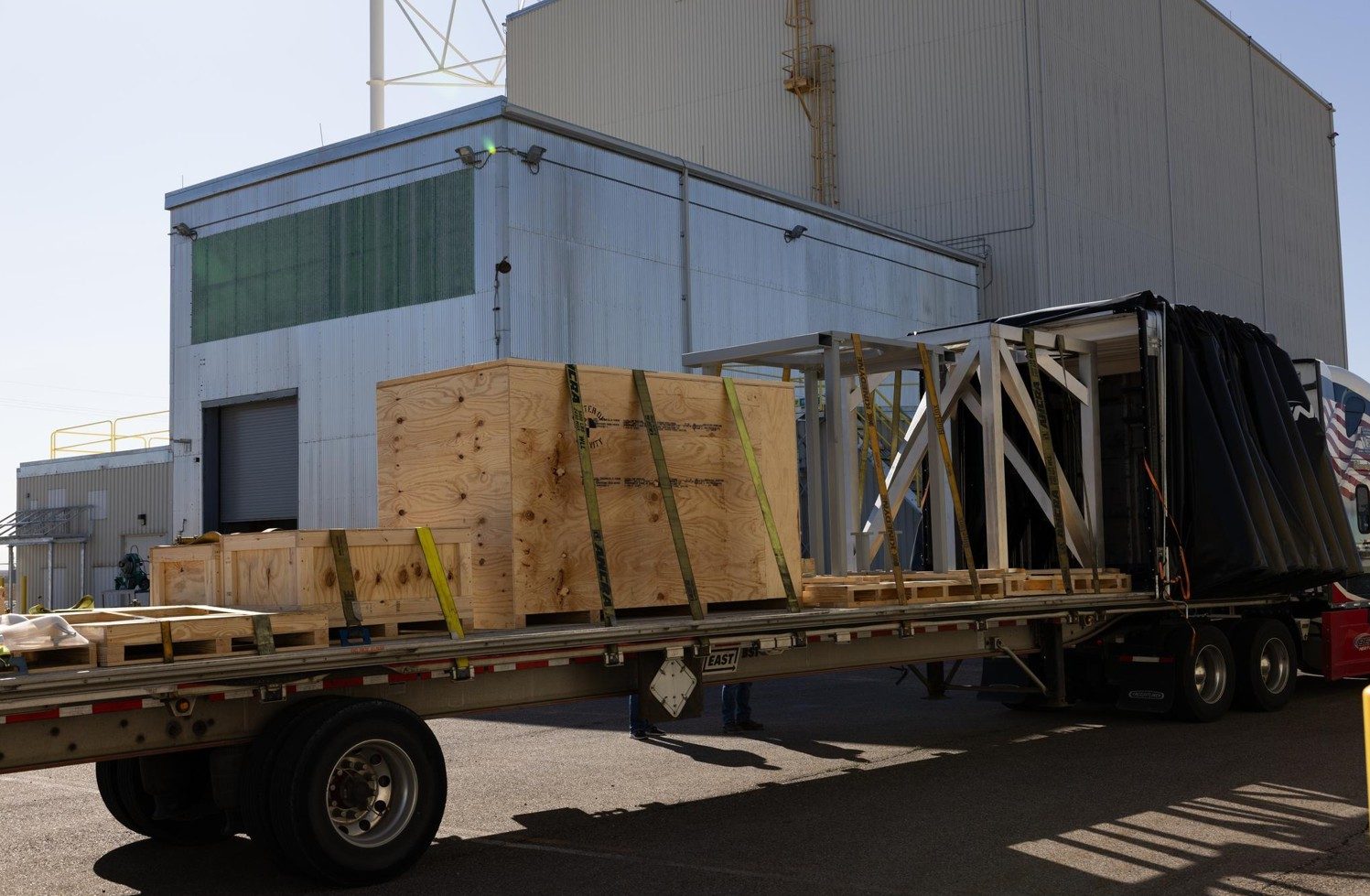
DOE's Idaho Operations Office approved the final documented safety analysis for MARVEL, the test microreactor Idaho National Laboratory leads for DOE, authorizing a dry, near-zero-power criticality configuration INL anticipates reaching in December 2026, INL said on October 6, 2026. The reactor's primary coolant system arrived at INL's Transient Reactor Test Facility in mid-September; INL's own project page still dates initial criticality to 2027.
DOE offers Vistra conditional loan of up to $4.2B for nuclear uprates
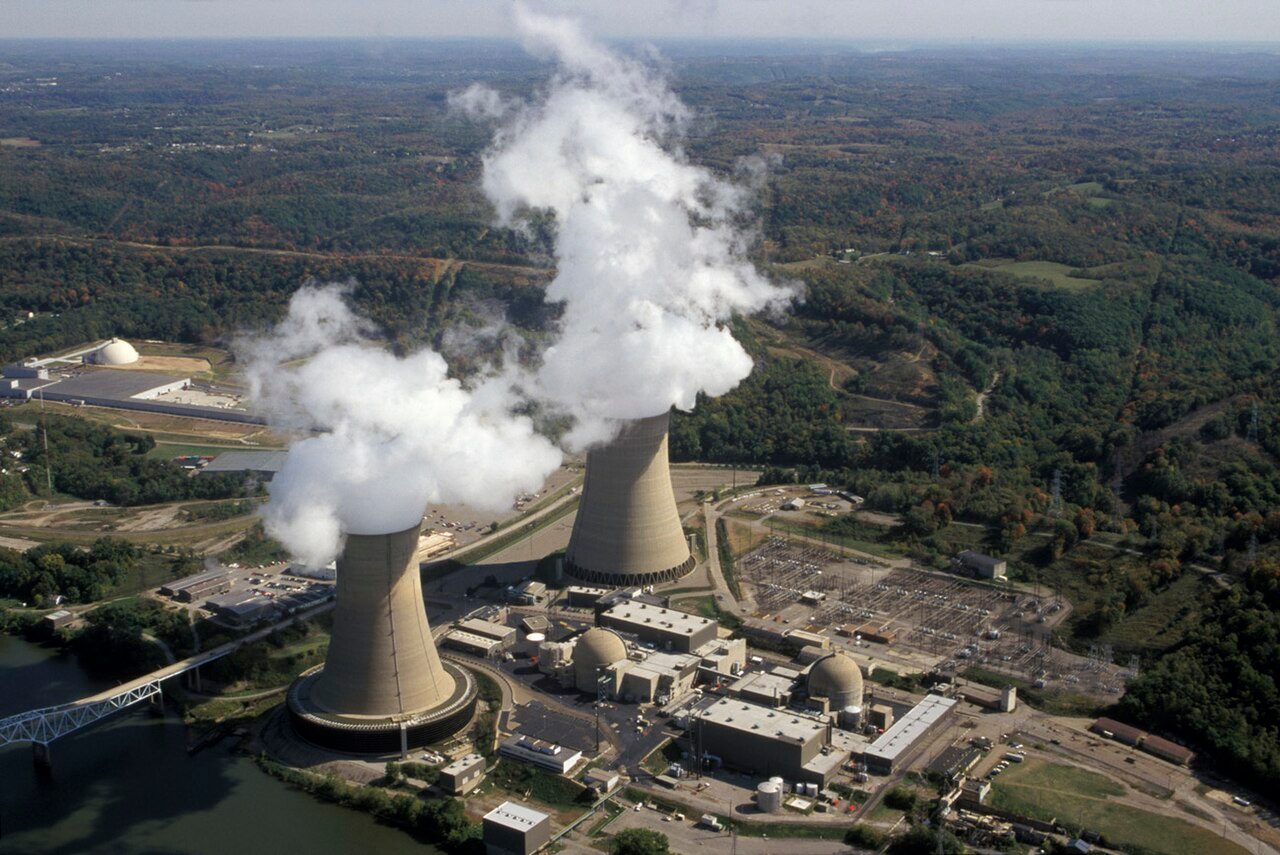
The US Department of Energy announced on October 5, 2026 a conditional commitment for a loan of up to $4.2 billion to Vistra for uprates and modernization at Beaver Valley, Perry and Davis-Besse, which DOE says will add 433 MW and preserve nearly 4 GW, with an option to finance potential future Comanche Peak uprates. Vistra must meet conditions before the loan is documented and funded; Meta agreed in January to buy 433 MW of uprate output from the same plants, and Vistra plans NRC uprate filings from 2029 to 2032.
-
XGS names Baker Hughes, NM Tech and Sandia for DOE-selected New Mexico well
XGS Energy said on September 28, 2026 that the Department of Energy selected it for federal funding to support drilling a deep vertical appraisal well in New Mexico with Baker Hughes, New Mexico Tech and Sandia National Laboratories, within the more than $99 million DOE announced for geothermal development. DOE's list for its September 21, 2026 announcement puts the well in Socorro County among 16 exploration drilling selections; neither document gives a per-project amount, and the release says selection for award negotiations is not a commitment by DOE to issue an award or provide funding.
Trane launches -20°F heat pump five years after DOE's cold-climate spec
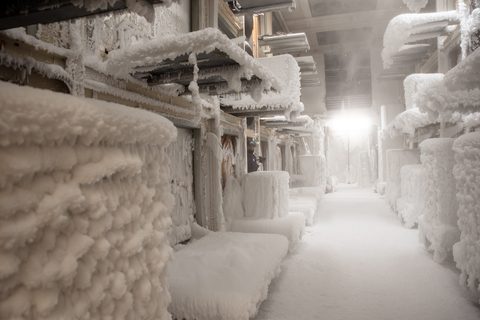
Trane said on September 24, 2026 that it is introducing the 20 TruComfort Variable Speed Cold Climate Heat Pump with WeatherGuard in 3-, 4- and 5-ton sizes, with an operating range of -20°F to 115°F and, per its chamber-test table, 53% to 85% of rated heating capacity at -20°F depending on model. The launch post traces the product to a prototype Trane says was independently confirmed at Oak Ridge National Laboratory in November 2022 under DOE's Residential Cold Climate Heat Pump Challenge; EnergyGuide labels linked from the product page list SEER2 of 18.0 to 20.0 and HSPF2 of 9.4 to 10.3.
-
Lofgren fusion bill would appropriate $10 billion for commercialization
Rep. Zoe Lofgren (D-CA) and Rep. Jay Obernolte (R-CA) led the introduction of the American Leadership in Fusion Act, H.R. 10574, on September 24, 2026; GovInfo lists Lofgren as sponsor, four original cosponsors, referral to the House Science Committee and no posted text. A committee-posted draft dated September 16, 2026 would make six appropriations in five clauses summing to $10 billion by our arithmetic, put a DOE Office of Fusion under an Assistant Secretary for Fusion Energy, and list among its duties a goal to start building more than one fusion pilot power plant by December 31, 2028.
Rhode Island launches $32 million HOMES heat pump rebate for multifamily
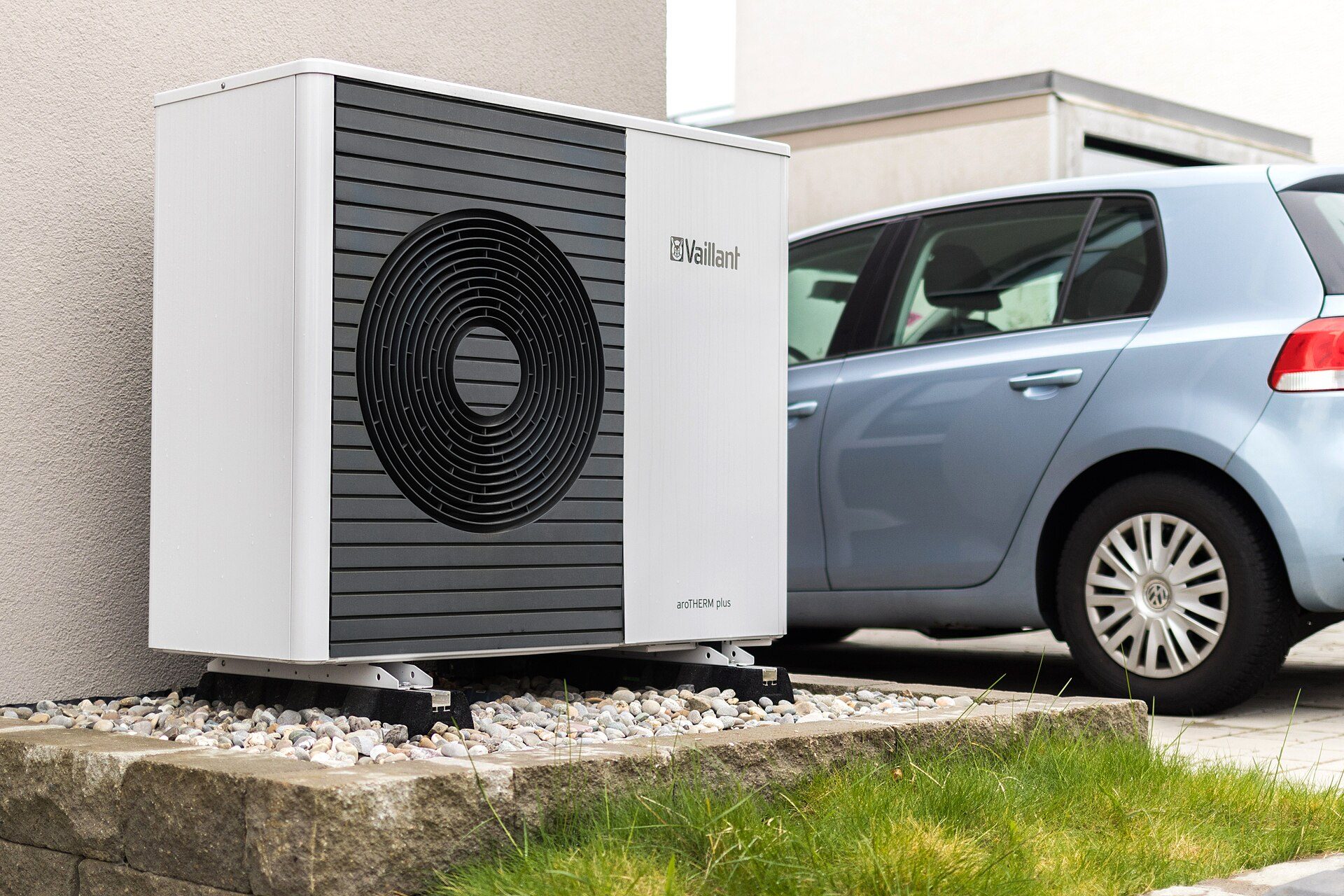
The Rhode Island Office of Energy Resources said on September 23, 2026 that it launched the $32 million federal Home Owner Managing Energy Savings (HOMES) program, approved by DOE, to fund heat pump installations in income-eligible multifamily buildings of five or more units at up to $16,000 per housing unit; OER calls Rhode Island the first New England state to launch HOMES. The program page requires modeled energy savings of at least 20 percent and at least half of units occupied by households under 80 percent of area median income.
DOE selects 31 SPARK grid projects for $1.9 billion in federal funding
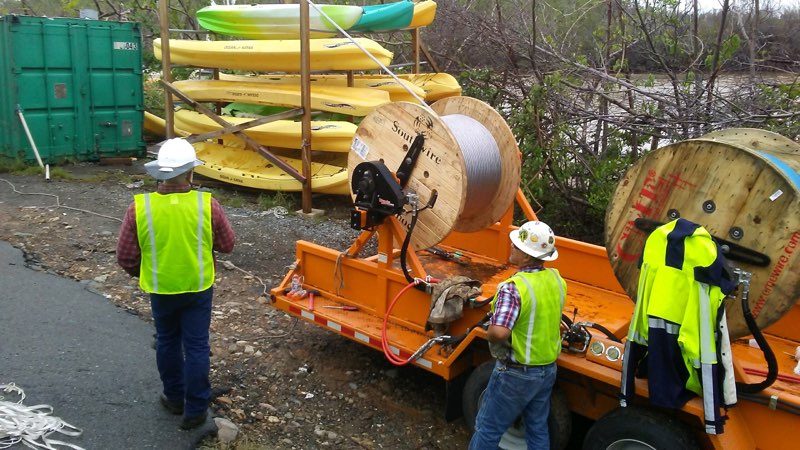
The US Department of Energy's Office of Electricity said on September 24, 2026 that it intends to help fund 31 grid-improvement projects across 26 states under the SPARK initiative: $1.9 billion in federal funding and $3.35 billion in recipient cost share, expected to reconductor or rebuild more than 1,500 miles of transmission lines and deploy grid-enhancing technologies across nearly 21,000 miles. Four state-led Topic Area 3 selections account for $810,395,919 of the listed federal funds by The Duck Curve's sum of DOE's selection document.
-
DOE selects five EGS field tests and 16 geothermal drilling projects
The US Department of Energy said on September 21, 2026 that it selected 21 geothermal projects for award negotiations: five field-scale enhanced geothermal system tests (Fervo, Zanskar, AlterG, the University of Utah and Quaise) and 16 exploration drilling projects. The press release says more than $99 million; the Geothermal Technologies Office's article says up to $99 million for the first budget period. None of the three DOE pages lists per-project amounts.
-
Natura receives Oak Ridge's 1960s FLiBE salt for its Abilene reactor
Natura Resources said on September 18, 2026 that it received FLiBE salt from DOE's Oak Ridge National Laboratory, via Idaho National Laboratory, for the MSR-1 reactor being built at Abilene Christian University; the release says the salt contains 99.99% enriched lithium-7 and that Natura was selected through a competitive DOE solicitation issued in August 2025. ANS reports more than 2 metric tons, the secondary coolant of the 1965 to 1969 Molten Salt Reactor Experiment, now to be the primary constituent of the reactor's fuel salt. The NRC issued the construction permit on September 16, 2024.
Mazama Energy raises $135M for superhot geothermal wells at Newberry
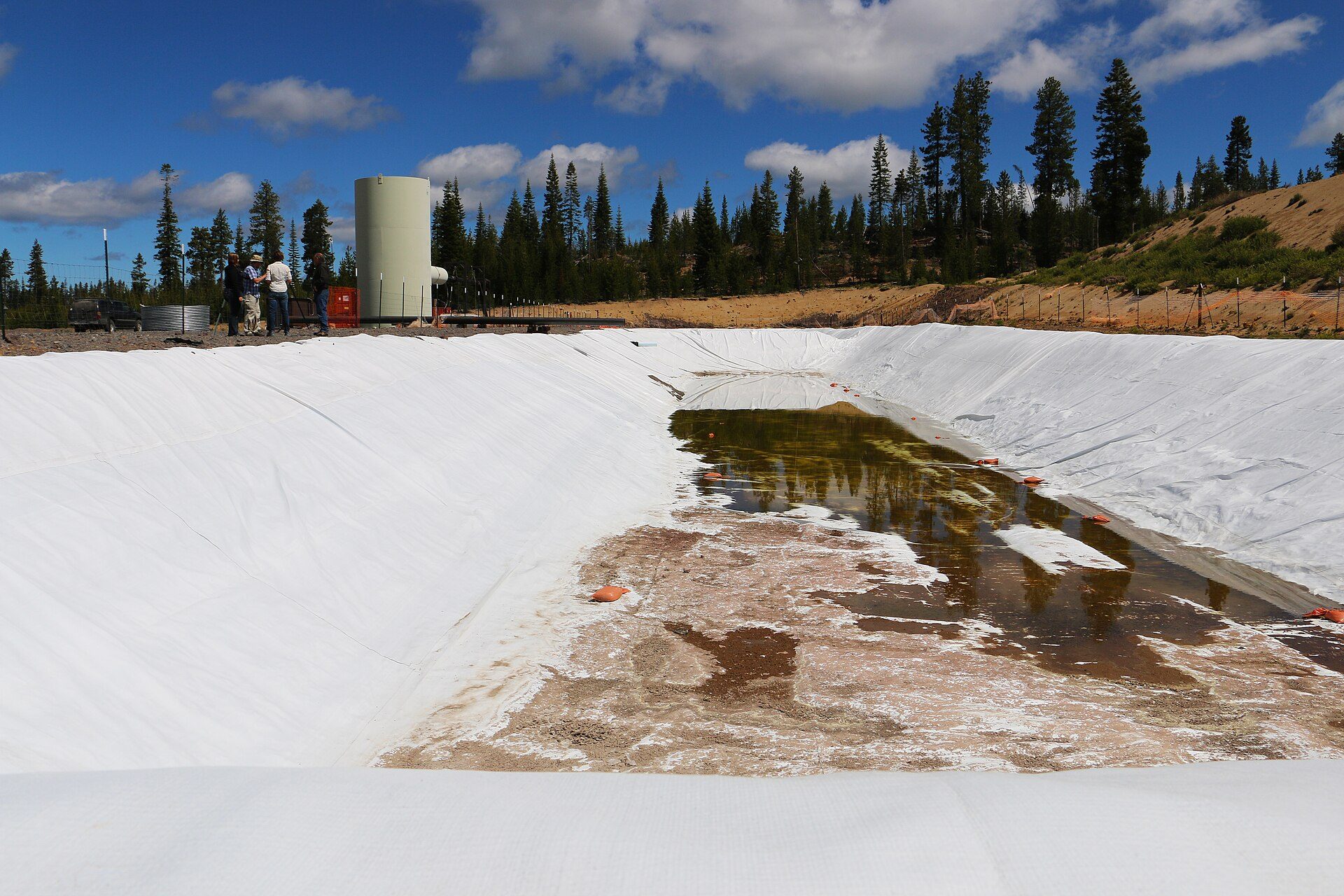
Mazama Energy announced $135 million in new capital on September 17, 2026, including an oversubscribed Series B led by Centaurus Capital and Doerr Capital, for its Newberry, Oregon engineered geothermal system, which it calls the hottest ever built at 629°F. The money funds Project Ceres, DOE-supported horizontal wells; the BLM issued a categorical-exclusion decision record on a Project Ceres geothermal operations plan on July 24, 2026, and the company now says Ceres will demonstrate power generation in 2027, where its October 2025 release had placed a 15 MW pilot in 2026.
-
Deep Fission lowers full-size canister replica 100 feet into a borehole
Deep Fission said on September 10, 2026 that a commercial drilling crew lowered a full-size, non-nuclear prototype of its Gravity reactor canister, 20 feet long, to a depth of 100 feet in a 34-inch borehole and retrieved it on September 3, 2026, using equipment already in commercial drilling service. The company's design places a pressurized water reactor about one mile underground; it said on August 6, 2026 that DOE had approved its Nuclear Safety Design Agreement under the Reactor Pilot Program.
Thea Energy's Helios stellarator design lands in 16 peer-reviewed papers
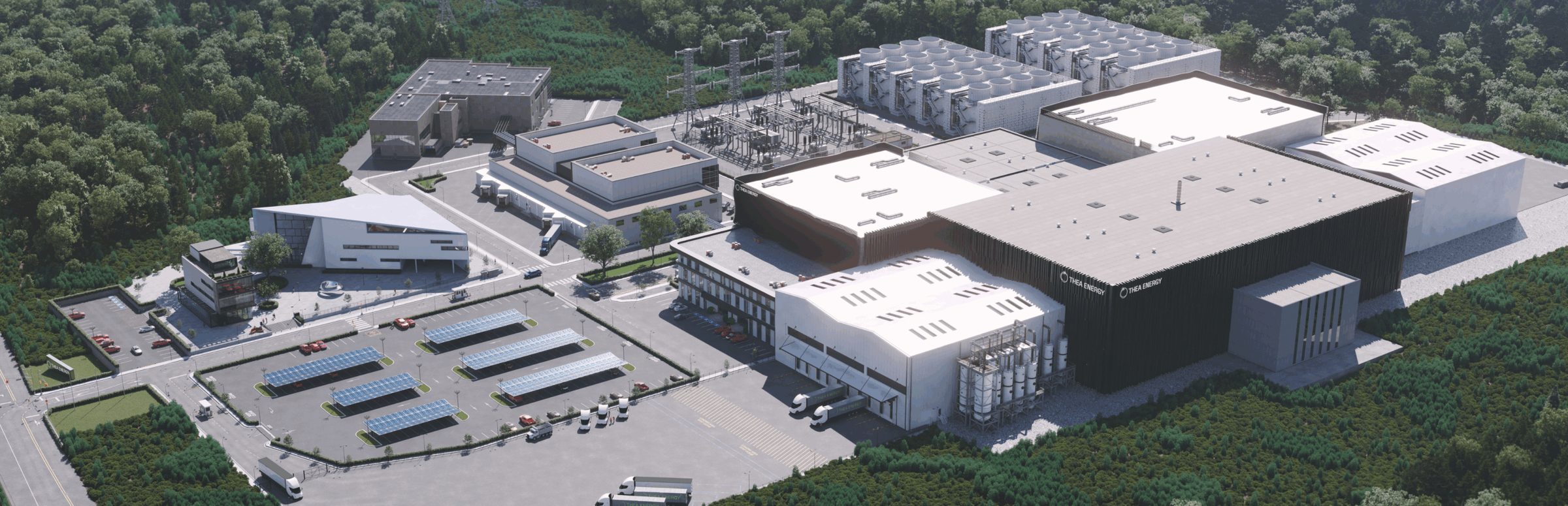
Thea Energy said on September 9, 2026 that 16 peer-reviewed papers on its Helios stellarator power plant appear in a special issue of Fusion Engineering and Design. The preconceptual design, posted as an arXiv preprint in December 2025 and, per Thea, certified by DOE in January 2026 after an independent expert review, is a two-field-period quasi-axisymmetric stellarator with an 8 m major radius that the preprint says produces 1.1 GW of thermal power and 390 MW of net electric power. Thea says its Eos integrated stellarator is scheduled to be online by 2030; no site has been announced.
DOE closes loan of up to $1.9B for Duane Arnold nuclear restart
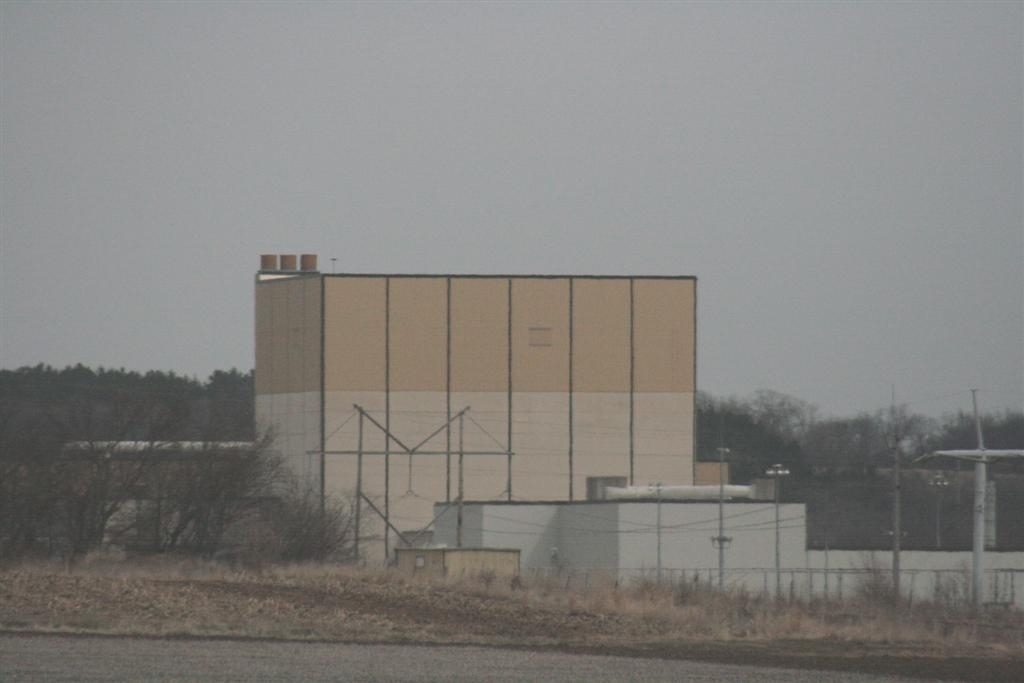
The US Department of Energy's Office of Energy Dominance Financing announced on September 8, 2026 the financial close of a loan of up to $1.9 billion to NextEra Energy for the restart of the 615 MW Duane Arnold Energy Center in Linn County, Iowa, shut down since August 2020. NextEra plans to restart the plant no later than the first quarter of 2029, pending regulatory approvals, and NRC staff expect to issue final licensing decisions by January 29, 2028. Google holds a 25-year agreement for power from the plant, with Central Iowa Power Cooperative buying the remainder on the same terms.
Trump declares bulk-power emergency, targets foreign grid equipment
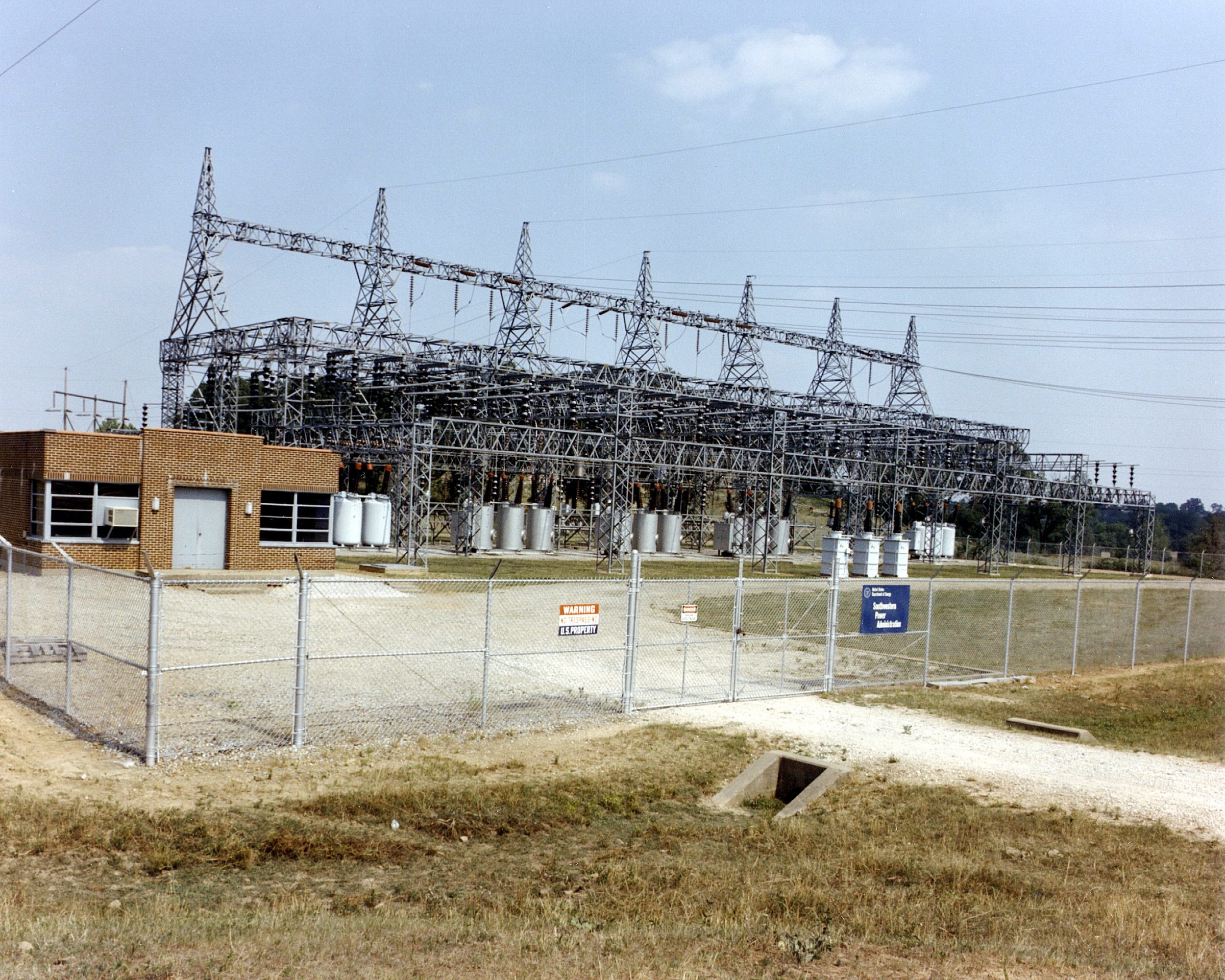
President Trump signed Executive Order 14420 on August 26, 2026, declaring a national emergency over the US bulk-power system under IEEPA and authorizing the Energy Department to bar acquisition, import, or installation of foreign-produced grid equipment, including substation transformers, grid-connected inverters, and battery energy storage systems, when it finds both a tie to a Covered Foreign Entity and an undue security risk. The order directs implementing rules as needed within 120 days and also covers equipment already installed.
LLNL and Pacific Fusion push Sirius pulser past 3,000 shots
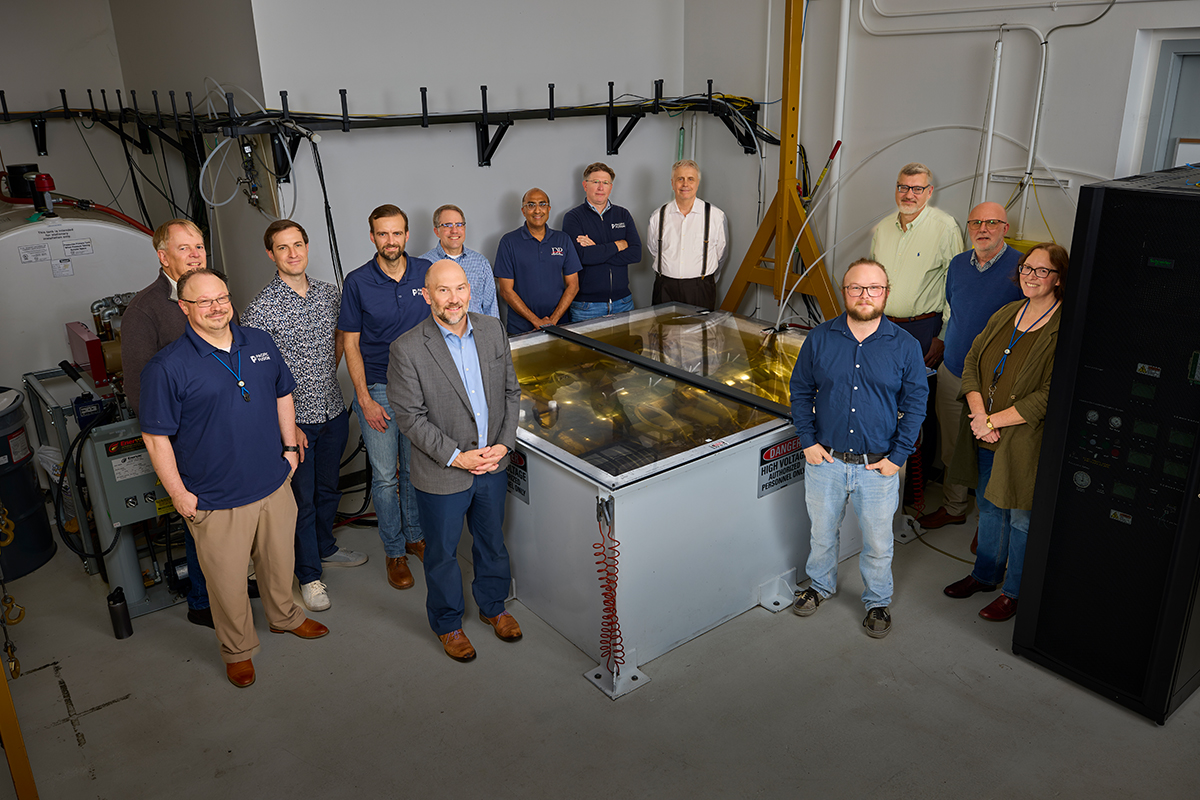
Lawrence Livermore National Laboratory and Pacific Fusion completed a 3,000-shot reliability campaign on the Sirius pulsed-power prototype, reaching 60 gigawatts per 100-nanosecond pulse at 95 percent energy efficiency by May 15, 2026. The CRADA-funded results, published jointly by the lab and the private fusion company on July 16-17, 2026, are the data behind Pacific Fusion's plan to scale the impedance-matched Marx generator architecture toward a full high-yield fusion driver.