 The Duck Curve
#microreactors
Last Energy says DOE approved its Texas pilot reactor's safety analysis
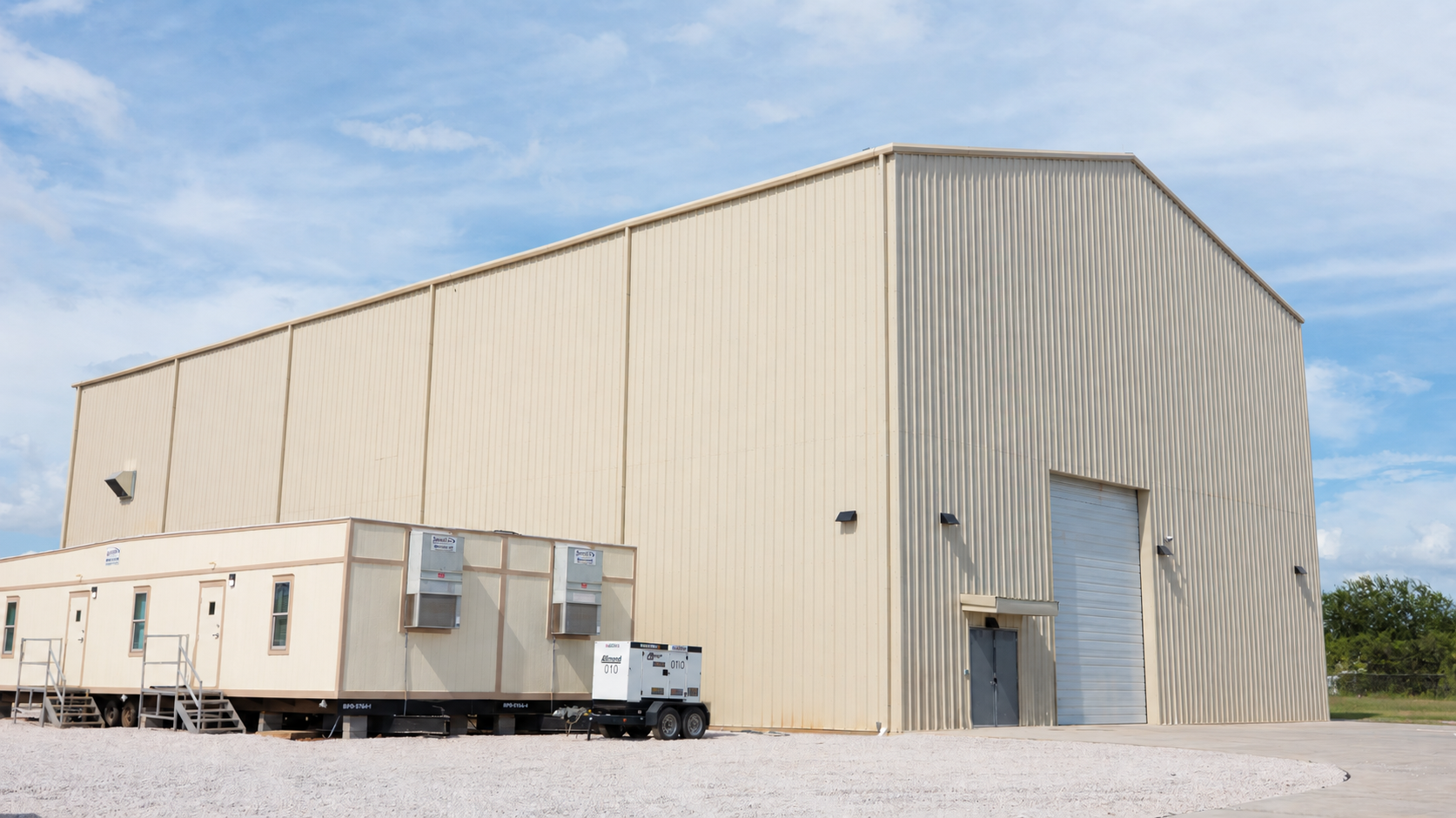
Last Energy said on October 7, 2026 that the Department of Energy approved the Documented Safety Analysis for its pilot reactor at Texas A&M-RELLIS, which it calls the final safety analysis in DOE's authorization process. A DOE readiness review is the last step before startup authorization for criticality, the company says; its release gives no date. Oklo's Groves reactor went critical five weeks after its own approval was announced.
Advanced reactors in the US: SMRs and microreactors
As of October 11, 2026, TVA holds an NRC construction permit for what the agency calls the nation's first commercial SMR, DOE's August 6 count put five advanced reactors critical under its authorization, and none of them holds an NRC operating license.
DOE clears MARVEL microreactor's final safety analysis for dry criticality
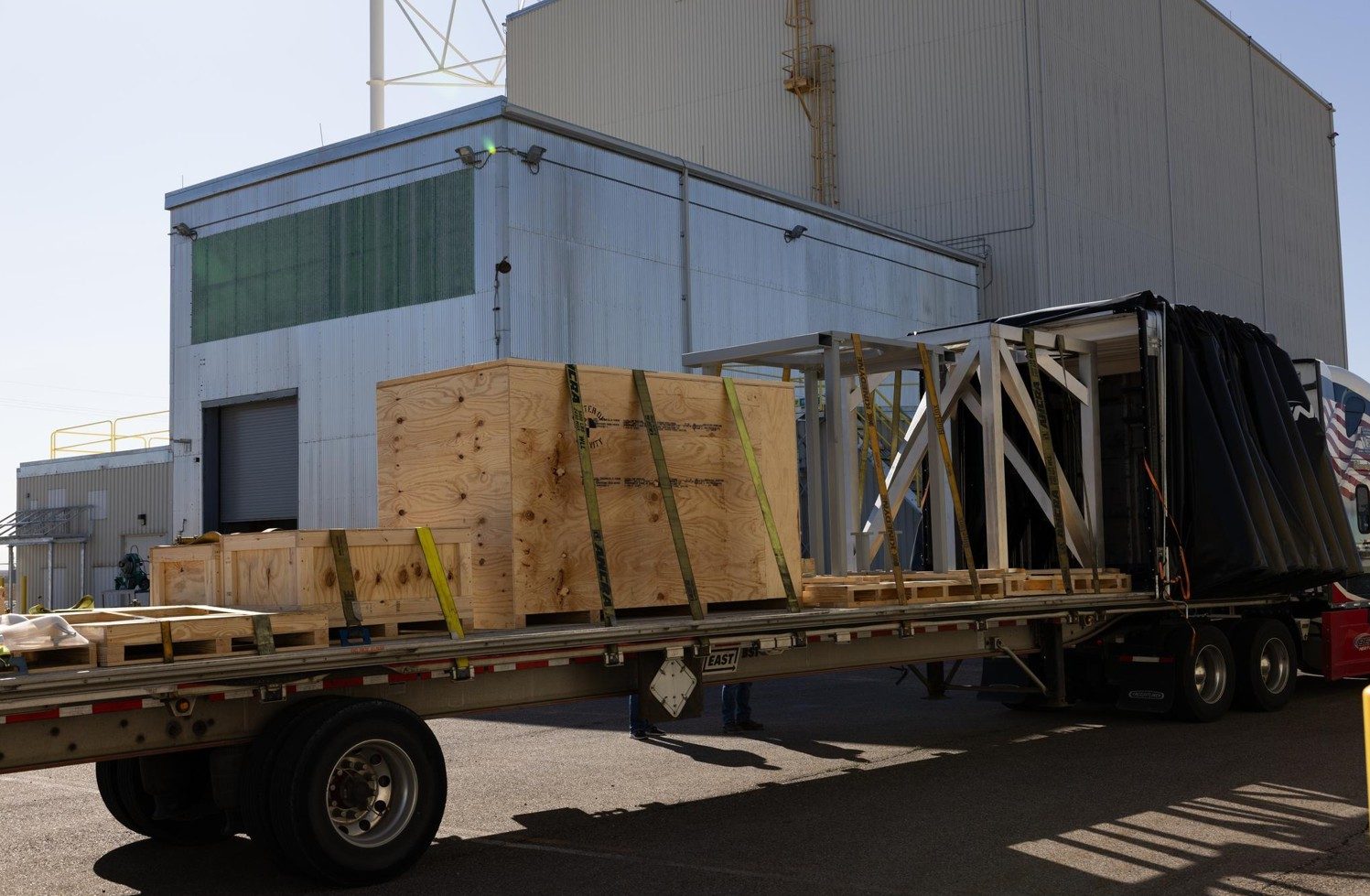
DOE's Idaho Operations Office approved the final documented safety analysis for MARVEL, the test microreactor Idaho National Laboratory leads for DOE, authorizing a dry, near-zero-power criticality configuration INL anticipates reaching in December 2026, INL said on October 6, 2026. The reactor's primary coolant system arrived at INL's Transient Reactor Test Facility in mid-September; INL's own project page still dates initial criticality to 2027.
Westinghouse eVinci reaches zero-power criticality at 663°C
Westinghouse said on September 15, 2026 that its eVinci microreactor test reached zero-power criticality at 663°C on September 3 at the National Criticality Experiments Research Center in Nevada, and that researchers made a subcritical reactivity measurement at a peak core temperature of 1,011°C, which the company calls a record high temperature for a reactivity measurement at NCERC. The run follows the August 24 zero-power criticality at the same facility.
Department of War plans shore-based Navy microreactor at Crane by 2028
The Department of War announced on September 9, 2026 the planned installation of an advanced nuclear Micro Modular Reactor at Naval Weapons Station Crane, Indiana, no later than September 2028, executed through the Army's Janus Program with the Navy and the State of Indiana. The release describes the reactor as commercially owned and operated and as the first power-producing reactor installed in Indiana, and names no vendor, design, output, or cost; an Army official's quote cites the Army's "regulatory authorities" without saying who licenses the unit.

Centrus signs HALEU supply contract for Radiant's Kaleidos microreactors
Centrus Energy said in a Form 8-K filed September 9, 2026 that it has signed a definitive multi-year contract to supply high-assay low-enriched uranium for multiple of Radiant Industries' Kaleidos microreactors, with deliveries scheduled to begin before the end of the decade and Radiant prepayments supporting Centrus's domestic commercial enrichment capacity program. The release gives no quantity or value. The same day Centrus priced a $500 million public offering of shares and warrants, its second enrichment contract with customer prepayments in five weeks after X-energy's on August 6.
Standard Nuclear to supply Antares up to eight tons of TRISO fuel
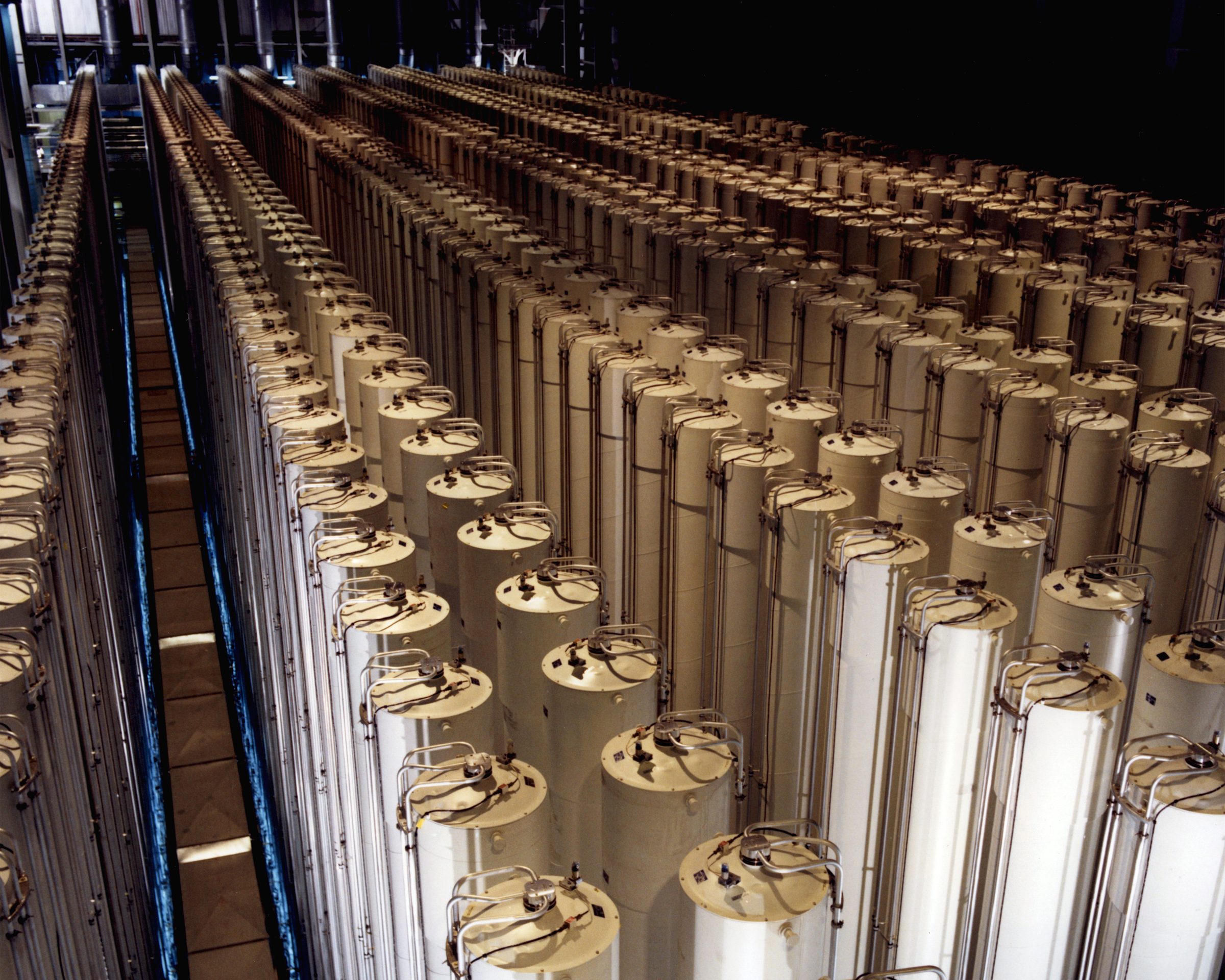
Standard Nuclear announced a binding TRISO fuel supply agreement with Antares Nuclear on August 27, 2026: a minimum of one metric ton of uranium as a firm commitment, plus customer options for up to seven more, with the release describing deliveries through 2035. It is the second definitive TRISO supply agreement the company has announced in August 2026, after an August 20 deal with Radiant Industries.
Five US microreactor designs went critical in the summer of 2026
Five US microreactor designs completed first zero-power criticality tests between June and August 2026, all under DOE authorization rather than NRC licenses: Antares Nuclear's Mark-0, Valar Atomics' Ward 250, Deployable Energy's Unity, Aalo Atomics' Critical Test Reactor, and Westinghouse's eVinci. Four went critical at DOE-complex sites and Valar's at the Utah San Rafael Energy Lab, with the Valar details per POWER magazine's account. Radiant shipped its 1 MWe Kaleidos to Idaho National Laboratory's DOME test bed in August 2026 for the field's first full-power test campaign, targeted for completion in the third quarter of 2026, per Radiant's announcement, and BWXT plans formal testing of the Army's Project Pele prototype as early as 2027. Deployment money so far is federal: the Army's Janus program totals up to $2.2 billion across five vendors, with a first reactor targeted to operate by September 30, 2028; no nuclear microreactor supplies power to a US commercial grid today, per AP.
US Army awards up to $2.2 billion for microreactors at five bases
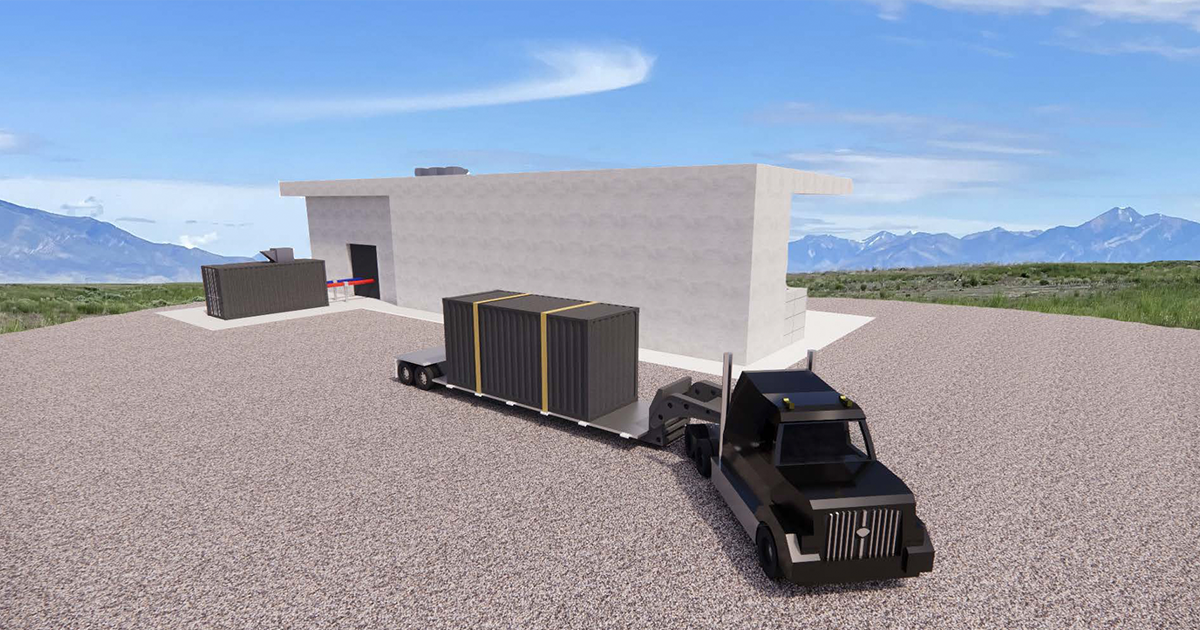
The US Army selected five vendors on August 26, 2026 under its Janus Program: Antares Nuclear at Fort Bragg, BWXT at Fort Campbell, General Atomics at Fort Hood, Radiant Industries at Fort Benning, and Westinghouse Government Services at Fort Drum, with up to a combined $2.2 billion in milestone-based funding across fiscal 2027 through 2031. The Army expects more than 20 microreactors across installations and targets a first reactor operating by September 30, 2028; the reactors will be licensed by the Army rather than the Nuclear Regulatory Commission, per AP.