 The Duck Curve
#interconnection
Interconnection queues and costs in the US
As of October 8, 2026, PJM's first reformed queue cycle is in study with 617 projects, upgrade costs drove a Massachusetts battery out of ISO New England's queue, and FERC is weighing PJM and MISO rules for data-center loads.
UK announces Great British Grid, a public investor in electricity networks
The UK Department for Energy Security and Net Zero announced Great British Grid on September 29, 2026, a publicly owned body within Great British Energy to invest public capital alongside private investment in electricity network infrastructure, with reforms to expand self-build connections and faster competitive tendering of transmission projects. The release gives no investment figure, start date or legislation: start-up costs come from Great British Energy's existing budgets and the long-term budget is left to a future spending review.
FERC denies Oklo complaint; 750-MW project stays out of PJM's Cycle 01
The Federal Energy Regulatory Commission denied Oklo's complaint against PJM Interconnection on September 24, 2026, finding Oklo failed to show PJM violated its tariff when it withdrew Oklo's 750-MW nuclear, gas and fuel-cell project, which Utility Dive places in Virginia, from Cycle 01; the waiver request is moot. It reads section 403(B)(1) as one cure opportunity when PJM timely noticed deficiencies, concedes the five-cycle fault test is not in PJM's guidelines, and notes Oklo can cure the errors and refile for Cycle 02 or use the Expedited Interconnection Track, open to December 31, 2027.
NVIDIA opens DSX Ready battery qualification for AI factories, names three
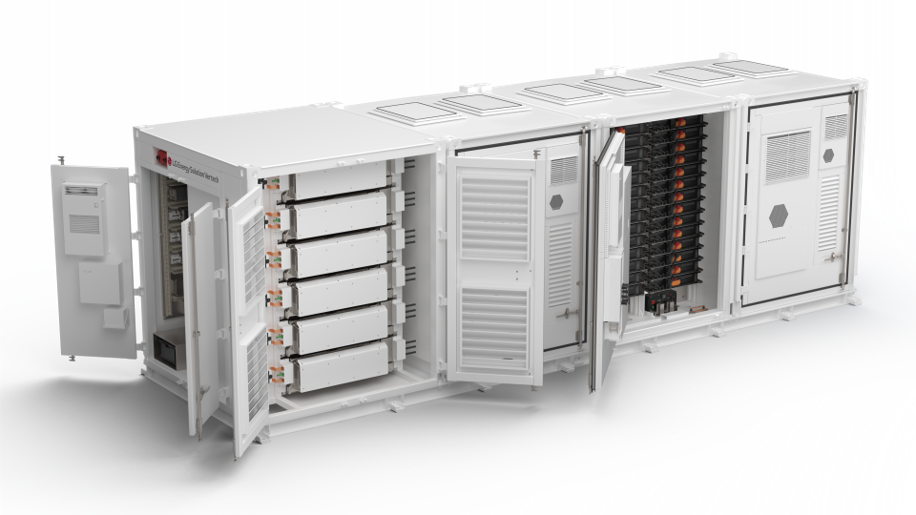
NVIDIA said on September 21, 2026 that it is introducing DSX Ready, a qualification program for partner products that meet applicable NVIDIA DSX AI factory reference design requirements, starting with batteries and cooling units. At launch it lists qualified BESS solutions from Hitachi Energy, LG Energy Solution and Tesla. Its BESS self-qualification guideline sets the boundary at the AC terminals and defines twelve partner-run tests, including ride-through, black start and AI load buffering, that NVIDIA reviews and approves; the guideline says passing does not imply site-level stability.
Minnesota PUC finds co-op's threat to disconnect Upper Sioux solar unlawful
The Minnesota Public Utilities Commission determined on September 17, 2026 that Minnesota Valley Cooperative Light & Power Association is acting unlawfully and unreasonably when it threatens to disconnect the Upper Sioux Community over its behind-the-meter solar and battery project, and required the co-op to keep serving the community as long as the project operates behind the meter and safely. The West Central Tribune reports a unanimous vote, a 2.5 MW array with battery storage, and that the co-op's attorney said it would appeal any such order.

Oklo tells FERC that PJM's fault test is not in PJM's own guidelines
Oklo's September 14, 2026 answer in FERC docket EL26-101-000 says its cure for the 750-MW project (150 MW nuclear, 300 MW gas, 300 MW fuel cells) passed the flat start test for the whole facility and the 9-cycle ride-through test for the inverter-based fuel cells, the only two stability tests it says PJM's guidelines contain, and calls PJM's explanation of the 5-cycle three-phase fault it ran a post hoc rationalization. PJM's answer says the cured model was unstable with all 750 MW in service. No FERC order was on the docket as of September 16.
UL Solutions opens V2G certification under new UL 1741 Supplement SC
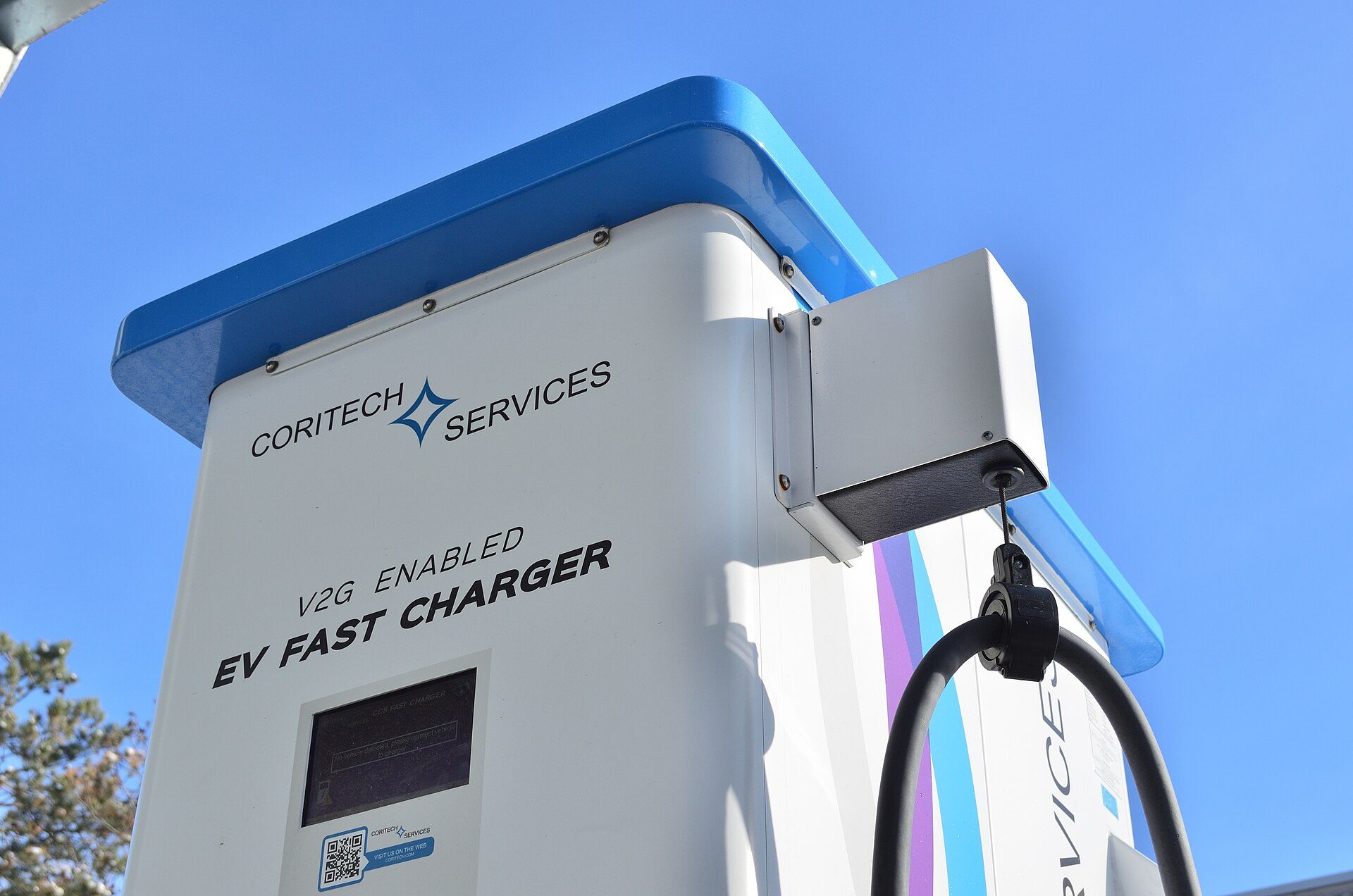
UL Solutions Inc. announced on September 14, 2026 a certification program for vehicle-to-grid equipment: bidirectional EV supply equipment tested to UL 1741 Supplement SC, which the Vehicle-Grid Integration Council says UL Standards & Engagement published on May 21, 2026 for EVs with SAE J3072 onboard inverters, plus a second route pairing UL 1741 multipiece DER requirements with UL 9741. Its borrowed figures: a GM Energy-funded E3 study's 2030 model (V2G 5 to 15 times managed charging per vehicle) and a 2020 EPRI Journal projection (about 90% of EVs will be parked at any given time).
PJM says Oklo's fix left the 750-MW model unstable, asks FERC to deny
PJM asked FERC on September 4, 2026 to deny Oklo's complaint over the withdrawal of its 750-MW project C01-1735 from Cycle 01. PJM says Oklo's response to a May 15 deficiency notice removed excitation-limiter models from the synchronous units and that the model showed an unstable response when PJM tested the whole facility at 750 MW; it says its tariff allows one cure round, that four other Oklo projects totaling 900 MW advanced, and that reinstatement could delay Phase I, set to start September 28, by as much as two months. It asks FERC to act by September 14 if it grants relief.
PJM proposes ride-through rules for data centers after 3,800 MW drop-off
PJM presented proposed voltage and frequency ride-through requirements for large computational loads, a category PJM says includes data centers and crypto-mining facilities, at its September 8, 2026 Planning Committee, after a July 22 fault in the Dominion zone that PJM's August 6 Operating Committee deck says sent approximately 3,800 MW of load onto backup power. PJM plans to file at FERC in November 2026 in docket EL26-67-000, where FERC faulted the tariff in June for specifying no ramp-rate or ride-through requirements and on August 14 paused the proceeding until November 16.
East Point withdraws 125 MW Tewksbury battery over grid upgrade costs
Hillman Energy Center, East Point Energy's project company, moved on September 1, 2026 to withdraw its 125 MW / 500 MWh Tewksbury, Massachusetts battery from the Energy Facilities Siting Board (docket EFSB 26-02), saying ISO New England's Transitional Cluster Study left the project economically unviable. The study's final report lists $65.3 million of upgrades for the 125 MW queue position at the Tewksbury 115 kV substation; the board had approved the project on June 30, 2026 with what the motion counts as 104 conditions.
Oklo asks FERC to reinstate its 750-MW project in PJM's queue
Oklo filed an emergency complaint at FERC on August 28, 2026 (docket EL26-101-000) asking the commission to order PJM to reinstate a 750-MW mixed-technology generation project, combining advanced nuclear, natural gas, and fuel cells, that PJM withdrew from the first cycle of its reformed interconnection study. Oklo says the withdrawal was unlawful and would delay the project by at least 14 months; it wants PJM to answer by September 4, 2026.
Massachusetts swaps surprise solar upgrade charges for a flat $225 fee
The Massachusetts Department of Public Utilities approved a Common System Modification Fee on August 12, 2026 in docket D.P.U. 26-57: every solar or battery project on the utilities' simplified interconnection path (listed inverter-based systems of 25 kW or less) pays a flat $225 at application, and the pooled fund covers grid upgrades up to $10,000 for Eversource and National Grid customers and up to $1,450 for Unitil customers. The tariffs take effect November 1, 2026, ending the practice of billing whichever customer happened to trigger a transformer upgrade.