 The Duck Curve
Oklo asks FERC to reinstate its 750-MW project in PJM's queue
The emergency complaint says PJM wrongly withdrew a mixed advanced-nuclear, gas, and fuel-cell project from its first reformed interconnection cycle, threatening a delay of at least 14 months.
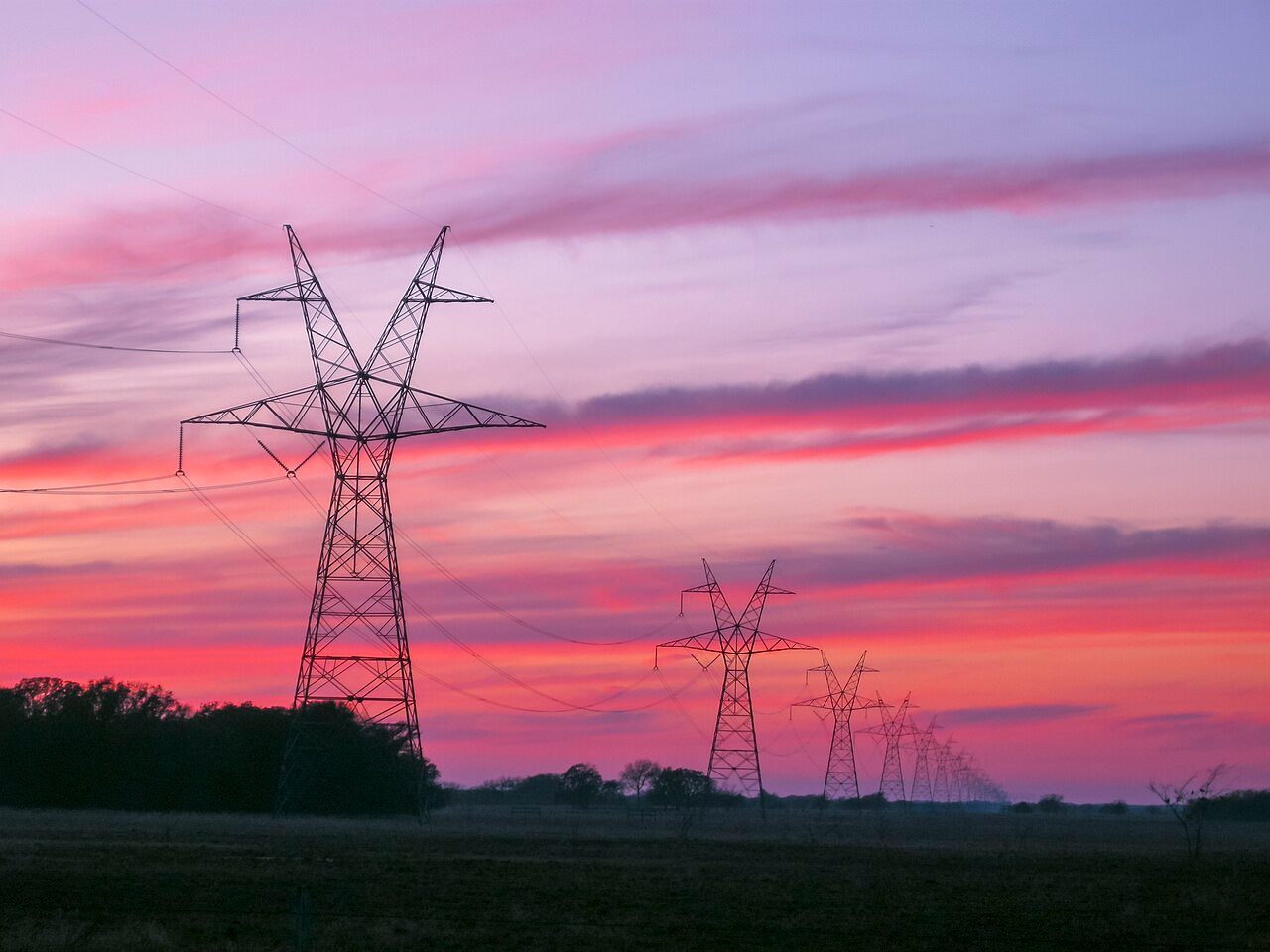
Oklo, the advanced-nuclear company, filed an emergency complaint against PJM Interconnection at the Federal Energy Regulatory Commission on August 28, 2026, asking the commission to order the grid operator to reinstate a 750-MW generation project it says PJM improperly dropped from its first reformed interconnection study cycle. The project, identified in the filing only by its queue number C01-1735, combines 150 MW of advanced nuclear generation, 300 MW of fuel cells, and 300 MW of natural gas. Oklo says the withdrawal will delay the project by at least 14 months and asks FERC to fast-track the case and require PJM to answer by September 4, 2026.
The filing, docketed as EL26-101-000, redacts the project's identity and location as commercially sensitive. Utility Dive, which first reported the complaint, connected the queue entry to Oklo's planned 1.2-GW power campus in Pike County, Ohio, announced in January 2026 to supply Meta data centers; the public complaint itself does not name that project. What the complaint does describe in detail is a review it calls "unjust, unreasonable, and unduly discriminatory."
What the complaint says
By Oklo's account, it submitted the project on April 27, 2026, the application deadline for Cycle 01, and cured all six deficiencies PJM flagged in a May 15 notice within the required window. The dispute turns on what came next. On June 24, a PJM reviewer posted five more potential deficiencies as comments on the project's page in NextGen, PJM's interconnection portal, but, unlike the May notice, that posting generated no email, Oklo says, and the company learned of it only when PJM issued a withdrawal notice on August 3. Oklo argues those comments came 41 business days after the deadline, well past PJM's 15-business-day window to flag deficiencies, and denied it the chance to cure that PJM's tariff requires.
Oklo also challenges the technical basis for the withdrawal. PJM said the project failed a stability requirement, a low-voltage ride-through test, that Oklo says applies under PJM's dynamic modeling guidelines only to inverter-based resources such as its fuel cells, not to the whole facility. The project is unusual precisely because it mixes synchronous units (the gas and nuclear generation) with inverter-based ones (the fuel cells), and Oklo contends PJM applied an inverter-specific standard to a facility the rules were not written for. It says it is ready to submit an updated model demonstrating that the entire facility can ride through a fault, and asks FERC to reinstate the project at its original queue position with any tariff waivers needed to fold it back into the cycle without disrupting the schedule.
The complaint leans on Oklo's federal backing to argue the project is of "critical national importance": it notes that the Department of Energy selected Oklo projects for its Reactor Pilot Program and named the company a candidate under its Surplus Plutonium Utilization Program, that Idaho National Laboratory tapped it for an AI-assisted design partnership, and that the Air Force named it an intended awardee for a reactor at a base. None of Oklo's powerhouses is yet operating; the NRC approved the principal design criteria topical report for its Aurora plant in Idaho in May 2026, and its Groves isotope-production reactor went critical in August 2026, both covered in The Duck Curve's survey of the field.
The timing is the pressure point. PJM announced on August 3 that 715 projects representing more than 200 GW had qualified for Cycle 01, the first group processed under a "first-ready, first-served" overhaul meant to clear the speculative backlog that clogged its old queue. Nuclear is a sliver of that pipeline, 24 projects and 17.3 GW against 99.8 GW of gas and 60 GW of storage, but PJM expects demand across its 13-state footprint to rise by up to 70 GW by 2038, driven largely by data centers. Oklo's filing notes PJM planned to post its Phase I model on August 28 and begin the Phase I study on September 28, which is why it wants the dispute resolved on a compressed clock.
Outlook
A complaint is a request, not a ruling, and FERC has not set a schedule; PJM has not yet answered, and the September 4 date is Oklo's proposal. The narrow question is procedural, whether PJM's June 24 NextGen comments and August 3 withdrawal followed its own tariff, but the broader one is whether interconnection rules built around conventional generators can absorb multi-fuel projects that pair reactors with fuel cells and gas. If FERC engages the stability-standard argument rather than resolving the case on the notice-and-cure timeline alone, the order could reach beyond this one queue position. The Duck Curve has covered other grid operators reworking their congestion and market mechanics, including FERC's August approval of Southwest Power Pool's congestion-rerouting tariff.
⚠ The Outlook extrapolates from the cited FERC complaint, PJM's own Cycle 01 announcement, and The Duck Curve's prior interconnection coverage; it draws no conclusion about how FERC will rule.
Sources
Primary
- Emergency Complaint of Oklo Inc. v. PJM Interconnection, L.L.C. (Docket No. EL26-101-000) · US Federal Energy Regulatory Commission (eLibrary)
Supporting
- Over 700 New Generation Projects Accepted Into First Cycle of Reformed Interconnection Process · PJM Interconnection (Inside Lines)
- PJM drops Oklo advanced nuclear project from interconnection study cycle · Utility Dive
Copies of cited sources are retained where available. If a link no longer resolves, request a copy at contact@theduckcurve.com.