 The Duck Curve
#pjm
Google expands its Voltus virtual power plant in PJM to 1 GW
Google and Voltus said on October 22, 2026 they will build a 1 GW virtual power plant in PJM, adding 1,070 MW of distributed capacity to a 100 MW agreement signed in June, with Voltus paying businesses and homes to cut demand when the grid is strained. The contract is voluntary: FERC rejected PJM's rules for new large loads to bring their own new capacity on October 9.

PJM, ERCOT and SPP set summer peak records; Hitachi plans pressboard plant
PJM, ERCOT and the Southwest Power Pool set hourly peak-load records in summer 2026, EIA said on October 15: 162.6 GW, 91.1 GW and 58.0 GW. Hitachi Energy will invest C$479 million in a London, Ontario transformer insulation plant with what it says is Canada's first pressboard line, Nightpeak's 150 MW Bocanova 2 battery took its Texas site to 300 MW, and CenTrio plans a 25 MW electric boiler for Seattle's steam system.
Shapiro moves to join consumer advocate's data center case against PPL
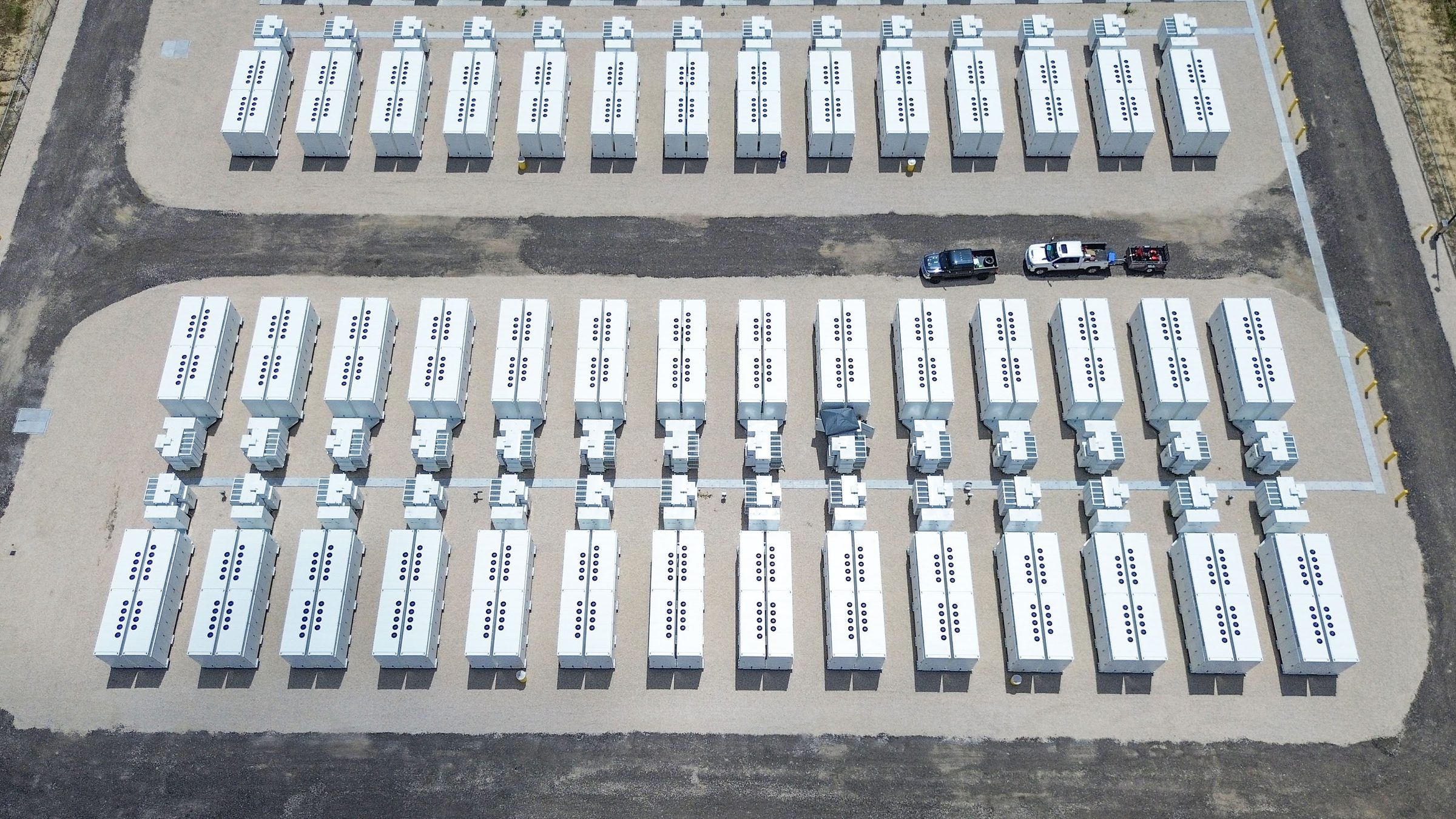
Pennsylvania Gov. Josh Shapiro petitioned the Public Utility Commission on October 15, 2026 for party status in the Office of Consumer Advocate's complaint against PPL Electric Utilities, which seeks a separate data center rate class and rules making data centers pay for the transmission upgrades they cause and for PJM reliability programs. PPL counts about 31.8 GW of advanced-stage data center projects by 2034 against a current 7.8 GW peak.

New Jersey finds all four utilities' PJM voting reports incomplete
The New Jersey Board of Public Utilities told the Governor and Legislature on October 14, 2026 that no electric utility fully complied with P.L. 2025, c. 129, which requires annual reports on every recorded vote a utility and its affiliates cast at PJM meetings. Revised 2025 reports from ACE, JCP&L, PSE&G and Rockland Electric still omitted votes or explanations; the board says it is inclined to allow some leeway in the first reporting year.

DOE order eases permit limits on 38 PJM units and taps backup power
Energy Secretary Chris Wright's Federal Power Act 202(c) order, in effect October 13 to 16, 2026, lets PJM dispatch 38 listed gas, oil and coal units past permit limits and direct backup generation at data centers and other sites as a last resort before or during an EEA 3. PJM asked for it with generation outages around 61,591 MW in its fall maintenance season.
Voltus raises $225M Series D, expects its platform to reach 20 GW by 2030
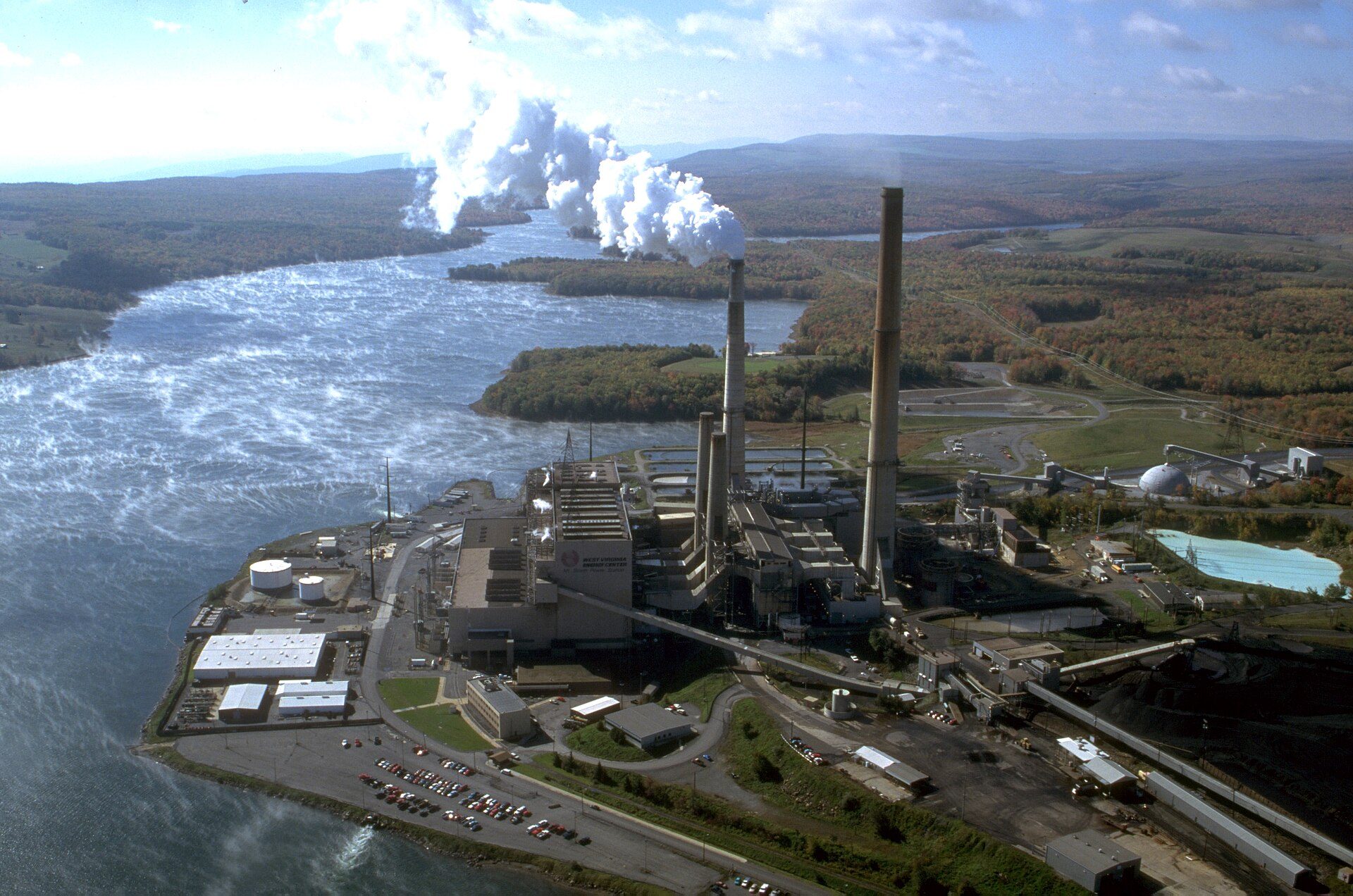
Voltus said on October 8, 2026 that it raised $225 million in a Series D led by Generation Investment Management, with Activate Capital and Vitol as co-leads, and expects to grow its platform to 20 GW by 2030 as it executes on its Bring Your Own Capacity program in PJM and MISO; its website lists 8.5 GW of distributed energy resources today. On October 9, FERC rejected PJM's IRAS and BYONC large-load rules, which Voltus had supported in September comments.

FERC rejects PJM's large-load curtailment plan, keeps the load registry
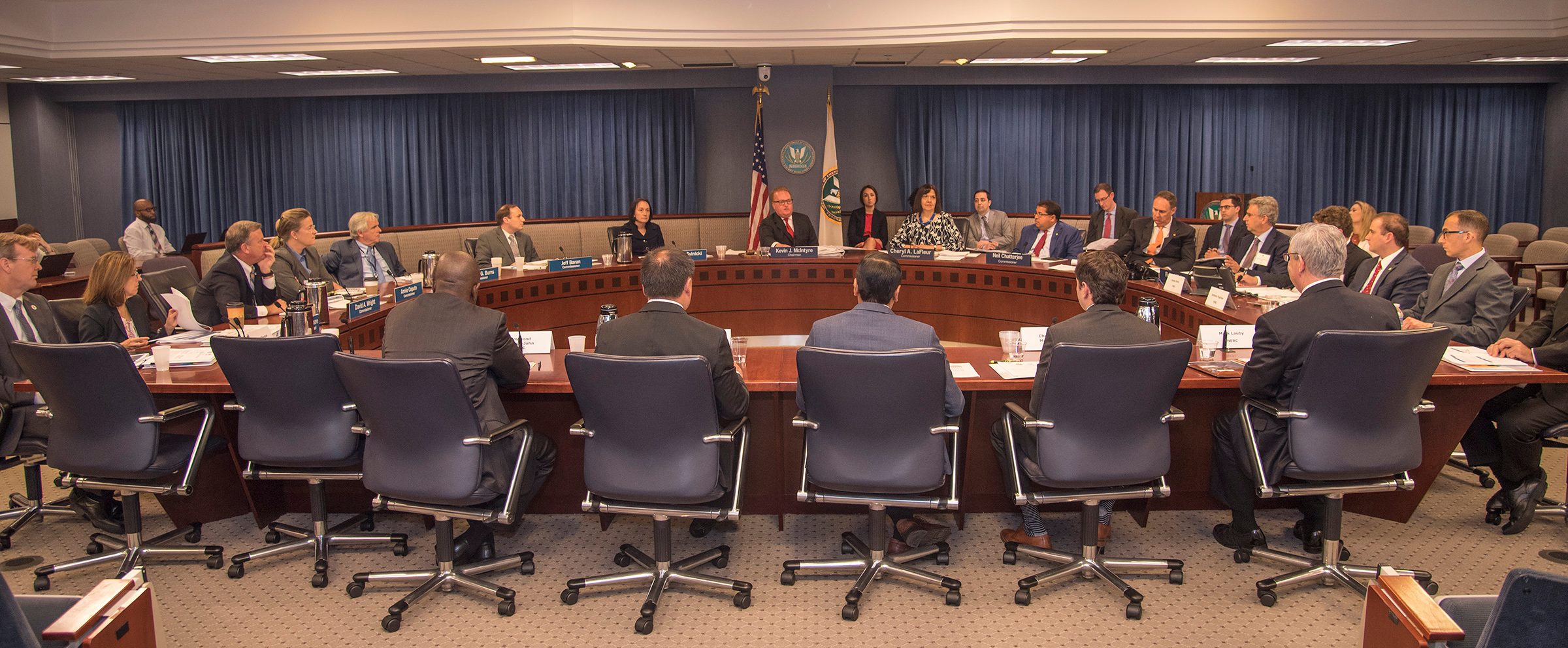
The Federal Energy Regulatory Commission on October 9, 2026 accepted PJM Interconnection's Large Load definition (a cumulative peak of 50 MW or more at one site) and a Large Load Registry, effective October 12, and rejected the rest of PJM's August 13 filing as one package, including the Interim Resource Adequacy Service, which would have curtailed new large loads not offset by new capacity in emergencies, and the Bring Your Own New Capacity rules. FERC said parts appeared to intrude on state retail-rate jurisdiction.
PJM accepts two ENGIE batteries and a gas uprate on its fast track
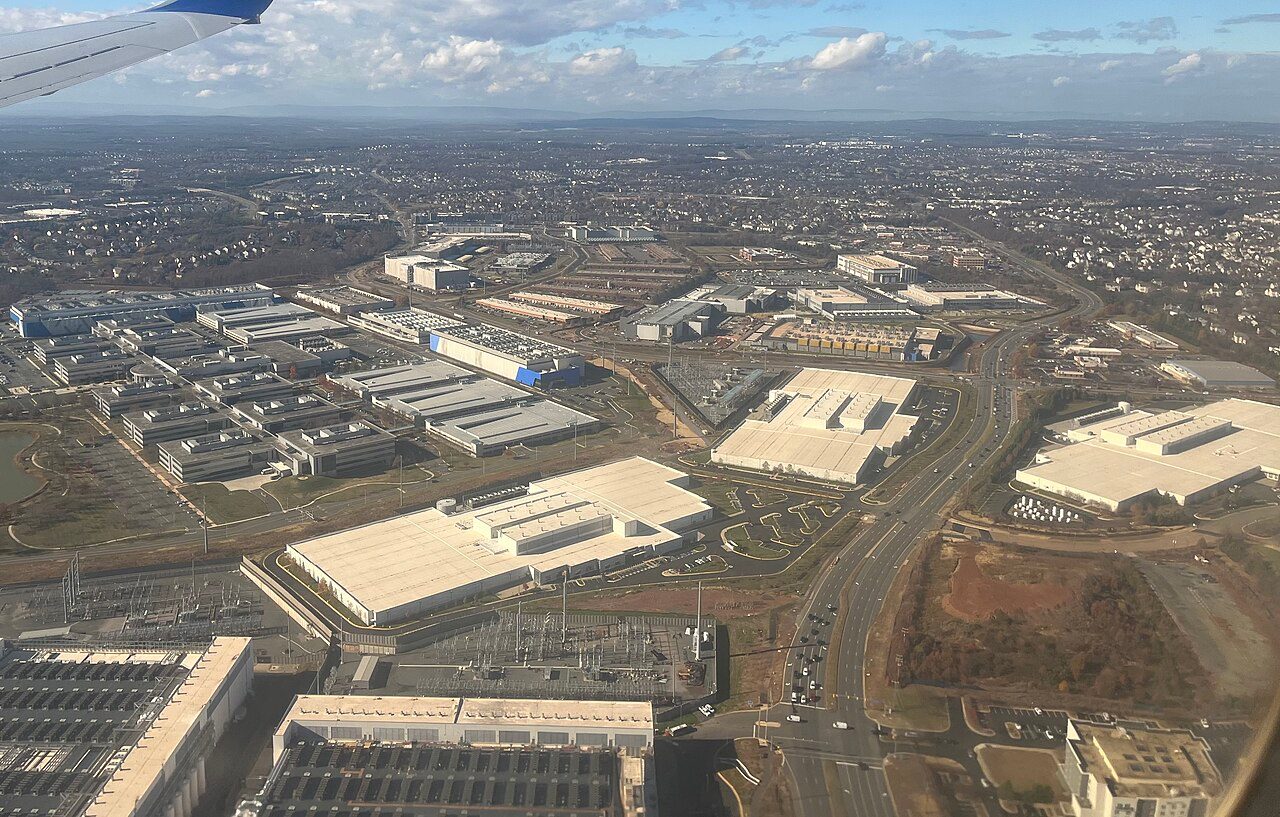
PJM Interconnection said on October 8, 2026 that it accepted the first three projects in its Expedited Interconnection Track: ENGIE IR Holdings' Wayne 345 kV (860 MW) and Galion 345 kV (800 MW) battery storage projects in Pennsylvania and Ohio, and a 455 MW upgrade of an existing gas facility, Hunterstown 500 kV, in Pennsylvania. All three are slated for mid-2029; the track takes up to 10 requests a year in 2026 and 2027 and sunsets at the end of 2027.
Google backs 890 MW of Constellation nuclear uprates at 11 PJM units
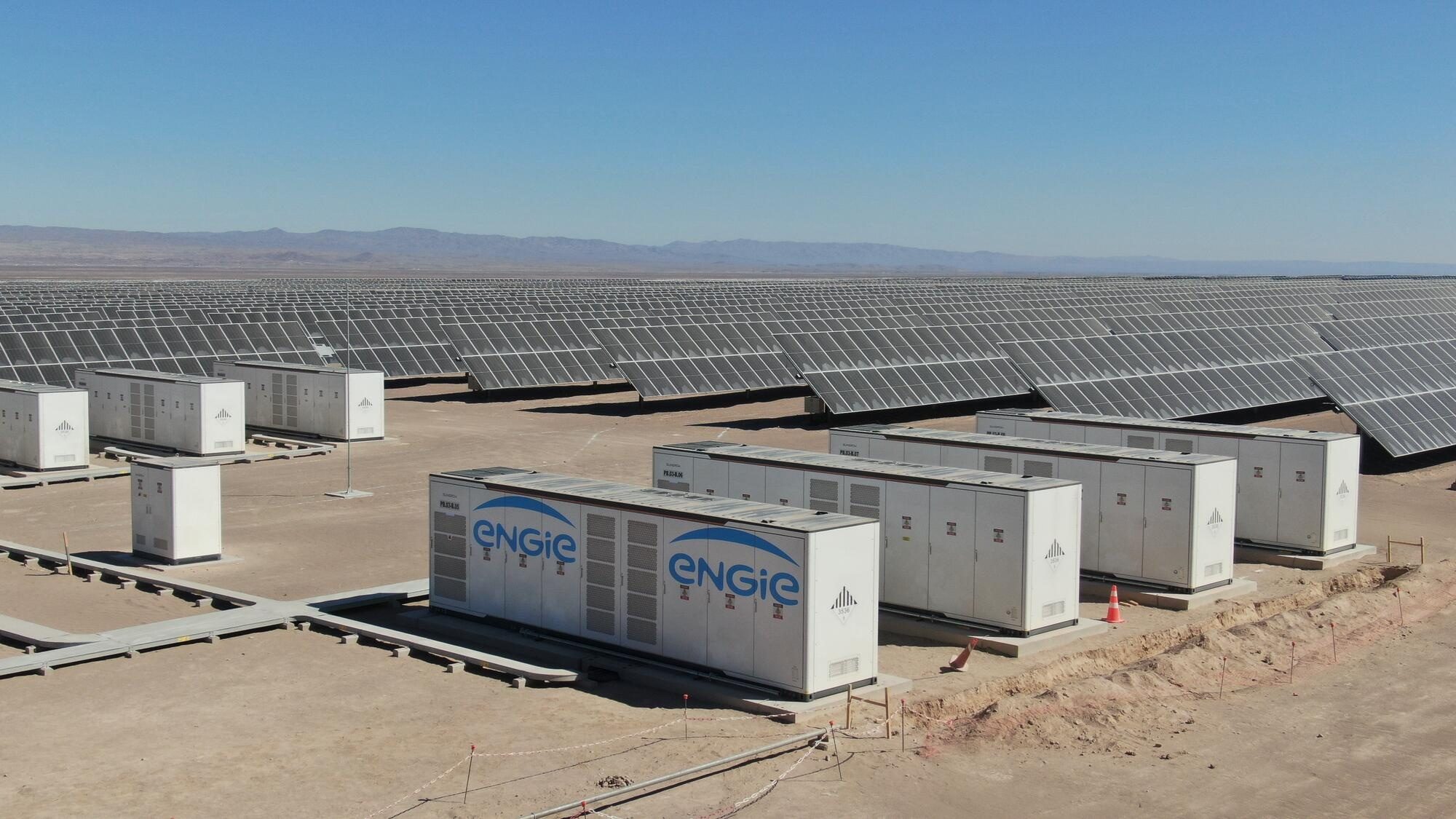
Google and Constellation Energy announced on October 6, 2026 a 20-year power purchase agreement backing uprates at 11 Constellation nuclear units in Illinois, Pennsylvania and New Jersey that Constellation says will add 890 MW to the PJM grid, the first by 2028, plus a 15-year agreement for 2,700 MW from its operating PJM fleet. Constellation calls it a direct response to PJM's bring-your-own-power proposal, which both companies have asked FERC to reject except its registry.
Interconnection queues and costs in the US
As of October 23, 2026, PJM's first reformed queue cycle is in study with 617 projects, PJM plans to refile its backstop procurement by October 29, and FERC has rejected PJM's large-load curtailment plan but kept its registry; MISO's large-load study proposal awaits FERC.
DOE offers Vistra conditional loan of up to $4.2B for nuclear uprates
The US Department of Energy announced on October 5, 2026 a conditional commitment for a loan of up to $4.2 billion to Vistra for uprates and modernization at Beaver Valley, Perry and Davis-Besse, which DOE says will add 433 MW and preserve nearly 4 GW, with an option to finance potential future Comanche Peak uprates. Vistra must meet conditions before the loan is documented and funded; Meta agreed in January to buy 433 MW of uprate output from the same plants, and Vistra plans NRC uprate filings from 2029 to 2032.
Amazon signs 20-year Calvert Cliffs PPA backing a 190 MW nuclear uprate
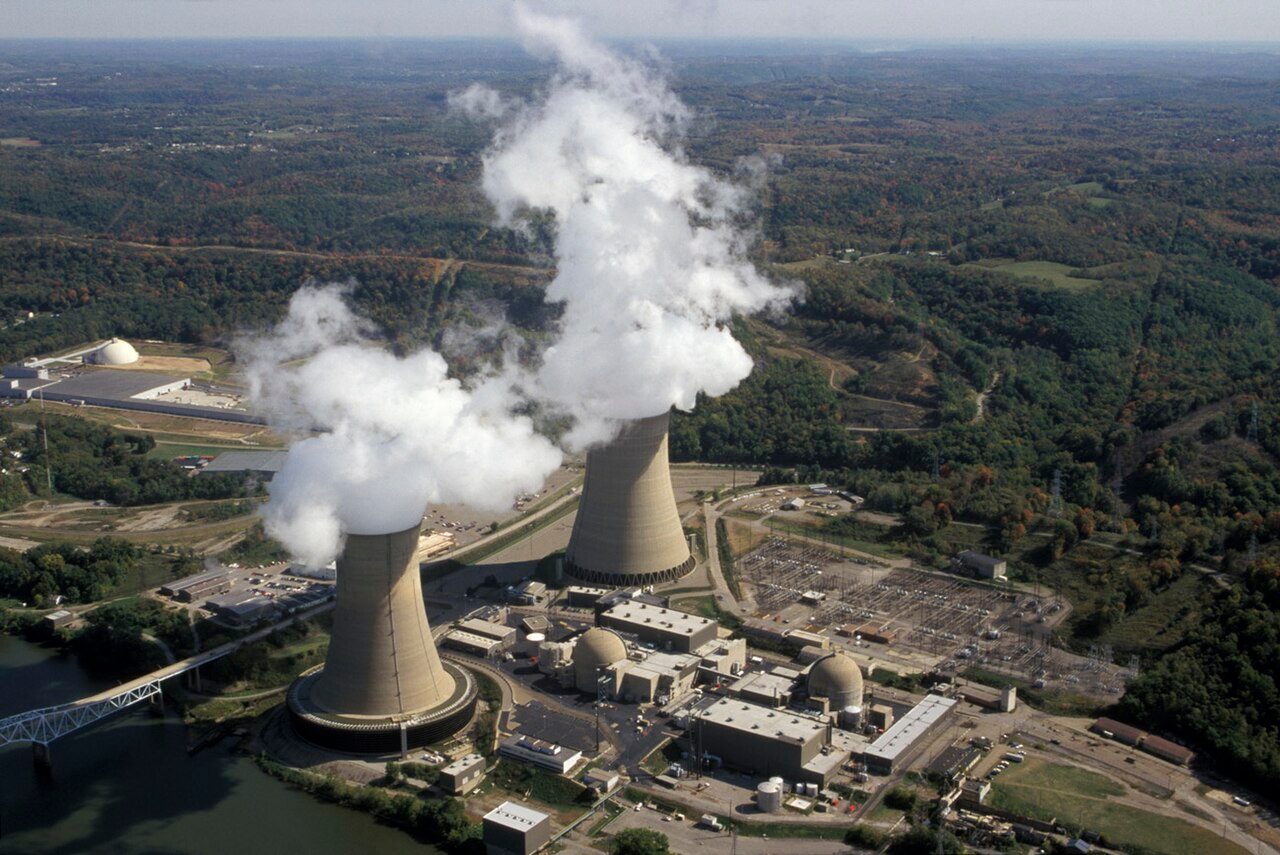
Constellation and Amazon announced on September 30, 2026 a 20-year power purchase agreement for 690 MW from the Calvert Cliffs Clean Energy Center in Lusby, Maryland, including an approximately 190 MW uprate Constellation expects online between 2030 and 2032. Constellation says the deal enables more than $3 billion of investment and will help provide the revenue certainty to relicense the plant for another 20 years; all output keeps flowing to the PJM grid, and a related retail supply agreement covers Amazon operations in the 13-state PJM market.
FERC accepts PJM backstop procurement but suspends it to February 2027
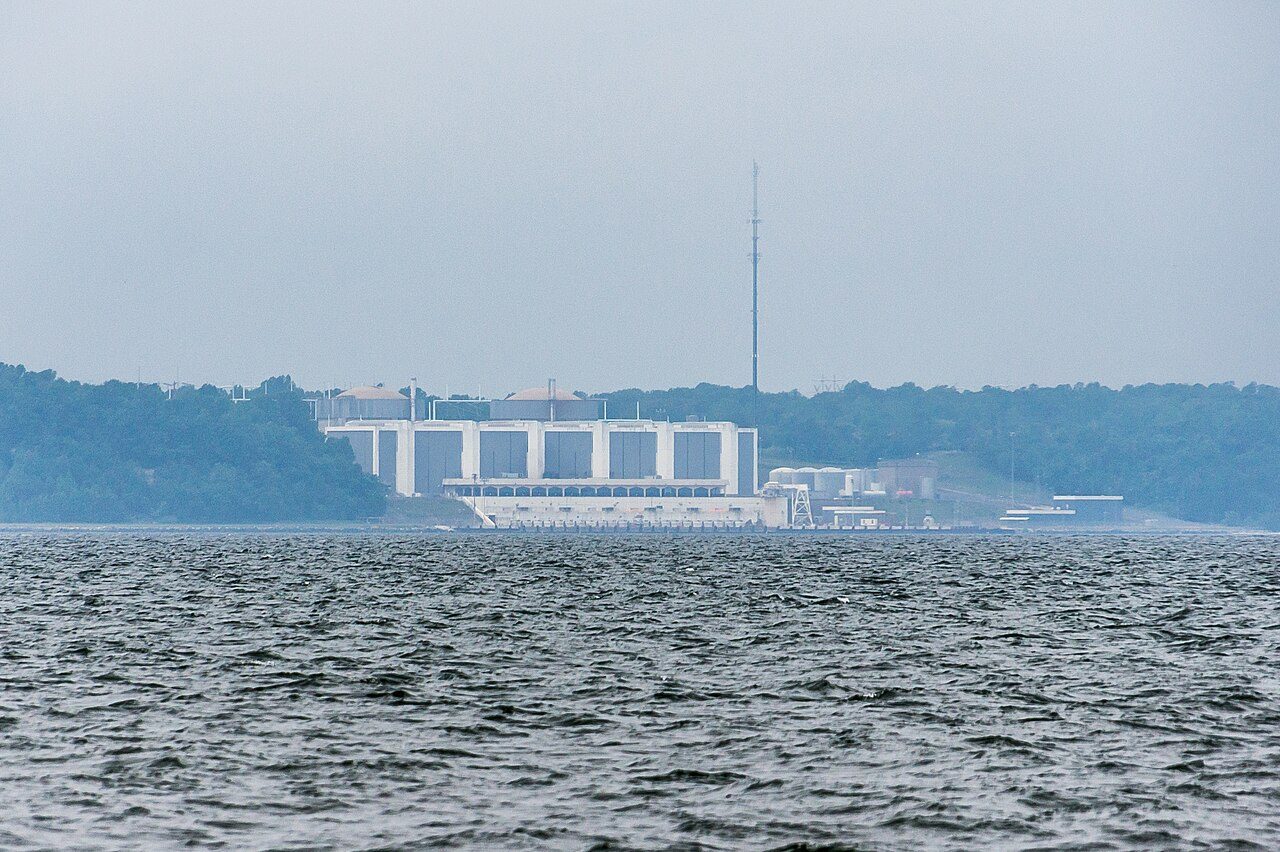
FERC on September 29, 2026 accepted PJM's one-time Reliability Backstop Procurement for filing in docket ER26-3380-000 but suspended it for five months, to February 28, 2027, subject to refund, set a paper hearing on cost allocation, transmission-owner exit rules and load-serving-entity collateral, and opened a section 206 proceeding. It found the core design, from eligibility rules to the $555/MW-day average price cap, just and reasonable and encouraged a new section 205 filing. PJM says the procurement will not begin on September 30 as planned.
FERC denies Oklo complaint; 750-MW project stays out of PJM's Cycle 01
The Federal Energy Regulatory Commission denied Oklo's complaint against PJM Interconnection on September 24, 2026, finding Oklo failed to show PJM violated its tariff when it withdrew Oklo's 750-MW nuclear, gas and fuel-cell project, which Utility Dive places in Virginia, from Cycle 01; the waiver request is moot. It reads section 403(B)(1) as one cure opportunity when PJM timely noticed deficiencies, concedes the five-cycle fault test is not in PJM's guidelines, and notes Oklo can cure the errors and refile for Cycle 02 or use the Expedited Interconnection Track, open to December 31, 2027.
DOE selects 31 SPARK grid projects for $1.9 billion in federal funding
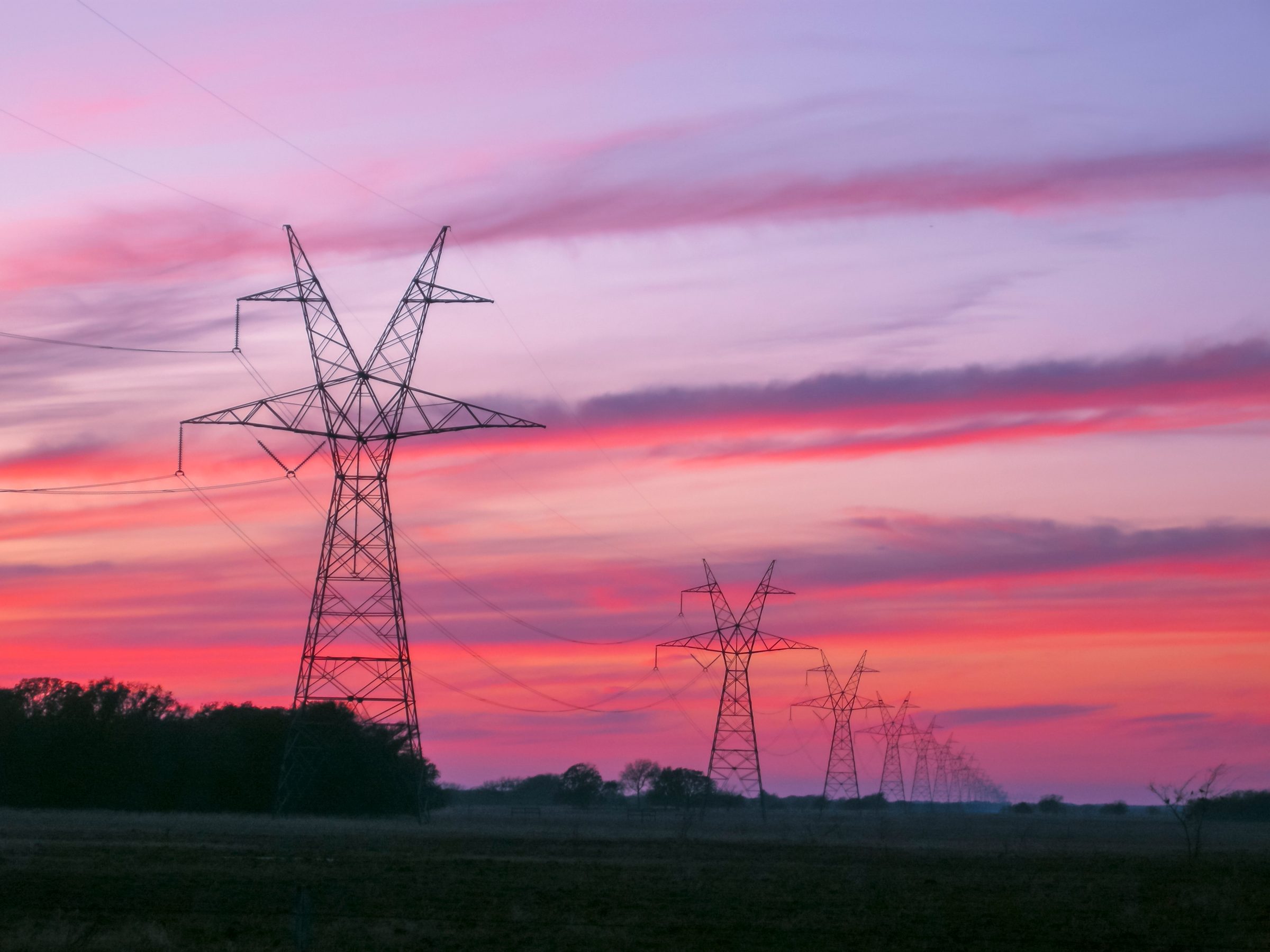
The US Department of Energy's Office of Electricity said on September 24, 2026 that it intends to help fund 31 grid-improvement projects across 26 states under the SPARK initiative: $1.9 billion in federal funding and $3.35 billion in recipient cost share, expected to reconductor or rebuild more than 1,500 miles of transmission lines and deploy grid-enhancing technologies across nearly 21,000 miles. Four state-led Topic Area 3 selections account for $810,395,919 of the listed federal funds by The Duck Curve's sum of DOE's selection document.
Oklo tells FERC that PJM's fault test is not in PJM's own guidelines
Oklo's September 14, 2026 answer in FERC docket EL26-101-000 says its cure for the 750-MW project (150 MW nuclear, 300 MW gas, 300 MW fuel cells) passed the flat start test for the whole facility and the 9-cycle ride-through test for the inverter-based fuel cells, the only two stability tests it says PJM's guidelines contain, and calls PJM's explanation of the 5-cycle three-phase fault it ran a post hoc rationalization. PJM's answer says the cured model was unstable with all 750 MW in service. No FERC order was on the docket as of September 16.
PJM says Oklo's fix left the 750-MW model unstable, asks FERC to deny
PJM asked FERC on September 4, 2026 to deny Oklo's complaint over the withdrawal of its 750-MW project C01-1735 from Cycle 01. PJM says Oklo's response to a May 15 deficiency notice removed excitation-limiter models from the synchronous units and that the model showed an unstable response when PJM tested the whole facility at 750 MW; it says its tariff allows one cure round, that four other Oklo projects totaling 900 MW advanced, and that reinstatement could delay Phase I, set to start September 28, by as much as two months. It asks FERC to act by September 14 if it grants relief.
PJM proposes ride-through rules for data centers after 3,800 MW drop-off
PJM presented proposed voltage and frequency ride-through requirements for large computational loads, a category PJM says includes data centers and crypto-mining facilities, at its September 8, 2026 Planning Committee, after a July 22 fault in the Dominion zone that PJM's August 6 Operating Committee deck says sent approximately 3,800 MW of load onto backup power. PJM plans to file at FERC in November 2026 in docket EL26-67-000, where FERC faulted the tariff in June for specifying no ramp-rate or ride-through requirements and on August 14 paused the proceeding until November 16.