 The Duck Curve
Shapiro moves to join consumer advocate's data center case against PPL
The complaint seeks a separate data center rate class at PPL, whose own filing counts about 31.8 GW of advanced-stage data center projects by 2034 against a current 7.8 GW peak.
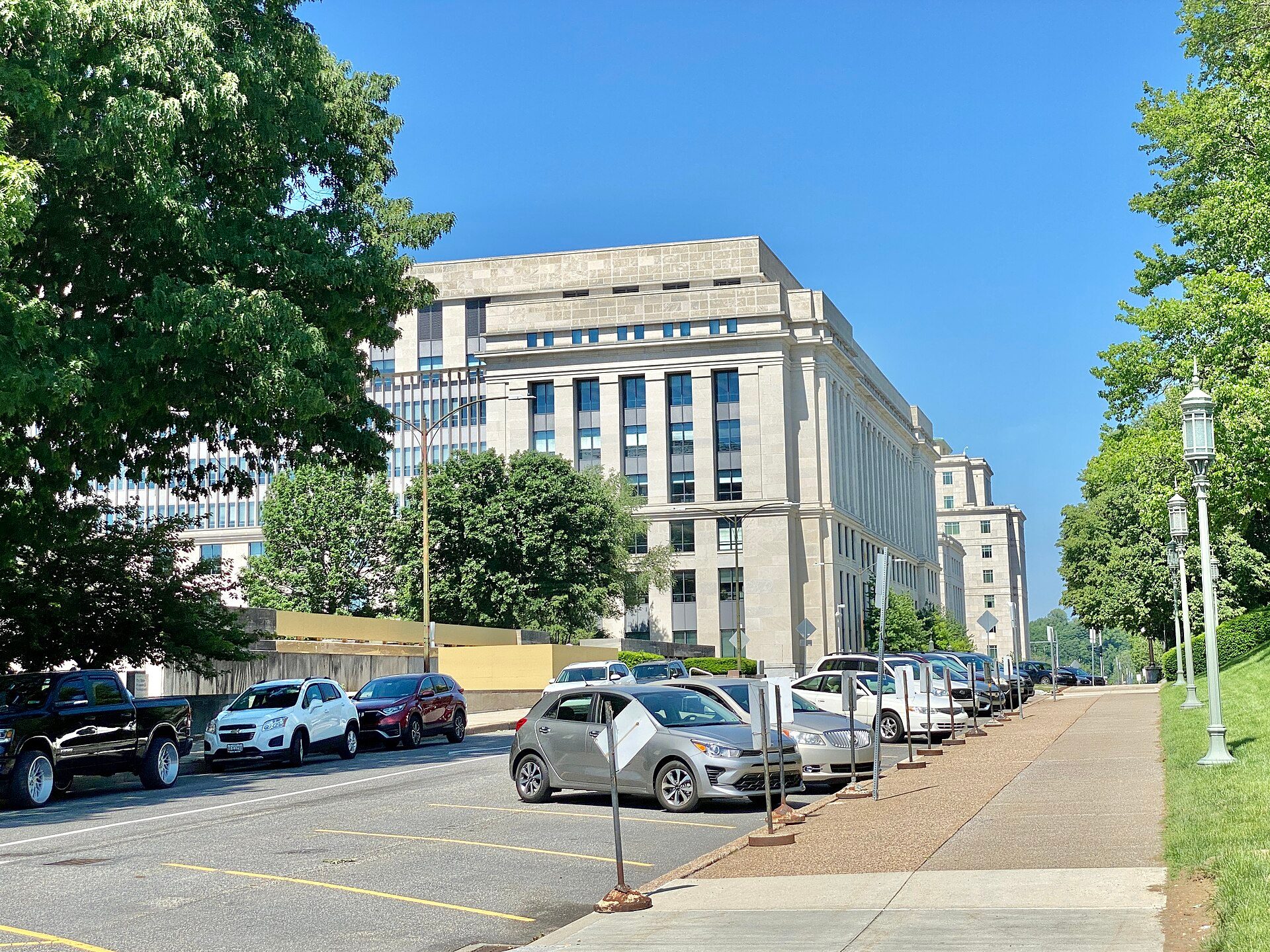
Pennsylvania Gov. Josh Shapiro asked the state Public Utility Commission on October 15, 2026 for full party status in the Office of Consumer Advocate's complaint against PPL Electric Utilities, which argues that PPL's rates and service rules do not adequately protect existing customers from paying costs caused by large data centers or from potential outages. The petition, filed in docket C-2026-3065756, backs the advocate's case; the Governor's Office announced it on October 16 and calls it the first time in at least 15 years that a governor has intervened in a PUC proceeding. At stake is a utility whose own September filing counts about 31.8 GW of advanced-stage data center projects in its territory by 2034, against a current peak demand of 7.8 GW.
"Pennsylvanians should not be left paying higher electric bills because of data center developers," Shapiro said in the release.
The consumer advocate's formal complaint, filed October 2 under section 1309 of the Public Utility Code, alleges that PPL's current tariff rates and service are unjust, unreasonable, and unduly preferential or discriminatory because they make existing customers pay costs caused by large data centers and expose them to the risk of service interruptions. The case is separate from PPL's 2025 base rate case, but it reaches back to it: that case's settlement created Rate LP-6 for new large loads. The settlement, per the complaint, let any party seek changes to LP-6 without being treated as breaking the deal, and the advocate says LP-6 gives existing customers inadequate protection from the costs and reliability impacts of rapid data center additions.
The relief sought is specific. Among other things, per the petition's summary, the advocate wants the commission to direct PPL to set up new rate and service classifications for large data centers, make them pay for all of the transmission network upgrade costs they cause along with costs tied to PJM Interconnection's Reliability Backstop Procurement and Interim Resource Adequacy Service, put them on interruptible rates, and adopt interconnection and load-shedding rules that protect existing customers.
Why the governor wants a seat
The petition rests partly on the Commonwealth being a ratepayer. State executive agencies take PPL service under several commercial, industrial and residential rate schedules, a dozen of them listed by name, and the petition says the executive branch's interest "as a large consumer of PPL distribution and transmission services is not represented by any other party." It also claims a public-interest basis, tying the case to Executive Order 2026-05, which Shapiro signed on August 18, 2026 and which formalizes his GRID framework for data centers.
The petition stops short of a final position. Based on a preliminary review of the complaint, it says, the administration believes the advocate's claims and requested relief are consistent with the executive order, and it agrees with the advocate that PPL's tariffs expose customers, the administration included, to the cost and reliability impacts of data center interconnections. It also says the administration "continues to develop its positions concerning the issues in this matter."
The load behind the complaint
The 31.8 GW figure is PPL's own. In its September 14 petition proposing a new transmission rider, PPL said its advanced-stage pipeline counts data centers that have signed agreements and will pay for project-related work even if they do not advance. PPL said that means more than tripling its system demand in about eight years, growth "that took over a century to reach." The consumer advocate sets one utility's pipeline beside PJM's 2026 long-term forecast of 30 GW of demand growth across its whole region between 2027 and 2031, and finds them almost equal.
PPL says it currently relies on LP-6, in effect since July 1, 2026, and its service agreements to protect other ratepayers from transmission cost increases and stranded costs. LP-6 requires each large-load customer to sign an electric service agreement carrying a security obligation, an exit fee, upfront payment for directly assignable transmission and distribution upgrades, and segregation of critical load so the rest can be curtailed in a grid emergency. The advocate's complaint reads the rider petition as PPL acknowledging some of the gap, addressing cost allocation to some extent.
The PJM pieces are in flux. FERC accepted the backstop procurement on September 29 but suspended it to February 28, 2027 (FERC accepts PJM backstop procurement but suspends it to February 2027), and on October 9, a week after the advocate filed, rejected the Interim Resource Adequacy Service while describing how PJM could refile (FERC rejects PJM's large-load curtailment plan, keeps the load registry). The governor's petition footnotes both orders. Of the two PJM charges the complaint wants data centers to carry, one has been rejected and the other is on hold until late February, though PJM told FERC on October 13 that it plans a new filing by October 29 addressing the procurement's cost allocation, among other issues.
The urgency argument is about supply. The complaint says PJM's capacity auctions for the 2027/2028 and 2028/2029 delivery years cleared 6.5 GW and 6.8 GW short of the reliability requirement, and that the regional resource adequacy shortfall begins as early as June 1, 2027, so PPL's interruptible service and load-shed procedures need updating before then.
What happens next
PPL's answer to the complaint is due October 26, 20 days after service. PPL has filed an unopposed motion to move that to November 2, citing 260 paragraphs of allegations and six affidavits totaling over 320 pages, and saying neither the advocate nor the Coalition for Affordable Utility Services and Energy Efficiency in Pennsylvania (CAUSE-PA), which petitioned to intervene on October 7, objects. As of October 16, the docket showed no ruling on the extension or on either intervention petition.
The petition argues the governor is entitled to a seat: PUC rules let the Commonwealth or its officers intervene as of right, subject to the rule's conditions, and it says he meets two of them. It adds that he will take the proceeding as it stands and accept the schedule set by the commission or its administrative law judge. FERC's rulings on large loads in PJM are tracked on our interconnection queues reference page.
Sources
Primary
- Petition to Intervene of Governor Josh Shapiro, Pennsylvania Consumer Advocate v. PPL Electric Utilities Corporation, Docket No. C-2026-3065756 · Pennsylvania Public Utility Commission (filed by the Governor's Office of General Counsel)
Supporting
- Petition of PPL Electric Utilities Corporation for Approval of Its Non-Bypassable Customer Protection Transmission Rider (Docket P-2026-3065185) · PPL Electric Utilities Corporation (PA PUC filing)
- Office of Consumer Advocate Formal Complaint and Public Statement, Pennsylvania Consumer Advocate v. PPL Electric Utilities Corporation · Pennsylvania Office of Consumer Advocate (PA PUC docket C-2026-3065756)
- Docket C-2026-3065756: Office of Consumer Advocate v. PPL Electric Utilities Corp. · Pennsylvania Public Utility Commission
- Unopposed Motion of PPL Electric Utilities Corporation for Extension of Time to File Responsive Pleadings · PPL Electric Utilities Corporation (PA PUC docket C-2026-3065756)
- Motion for Abeyance of PJM Interconnection, L.L.C., Docket Nos. ER26-3380-000 and EL26-108-000 · PJM Interconnection, L.L.C.
- Gov. Shapiro Protects Customers and Holds Data Center Developers Accountable · Office of the Governor of Pennsylvania
Copies of cited sources are retained where available. If a link no longer resolves, request a copy at contact@theduckcurve.com.