 The Duck Curve
#permitting
Hydropower Licensing Transparency Act signed; FERC report within 180 days
The White House said the President signed H.R. 3657, the Hydropower Licensing Transparency Act, into law on September 25, 2026; the Library of Congress record dates both 'Signed by President.' and 'Became Public Law No: 119-112.' to September 25, 2026. The act adds a section 37 to the Federal Power Act: within 180 days of enactment and annually after that, FERC reports to Congress on each pending new license, subsequent license for which sections 14 and 15 have been waived, and original license for which a notice of intent was given at least three years earlier, with six inclusions each.
NRC's proposed reactor rule published; comments due November 9
The NRC's proposed rule 'Regulatory Enhancements for Reactor Licensing, Decommissioning, and Operational Oversight' was published in the Federal Register on September 24, 2026 at 91 FR 60702; its major provisions, the notice says, include changes in fifteen lettered areas, and comments are due November 9, 2026. The text says removing the 15-year expiration on standard design approvals would not modify existing approvals; the draft analysis of the rule and its associated draft guidance puts net averted costs over 30 years at $311 million (7 percent discount rate) to $411 million (3 percent).
Newsom signs six EV bills on charger permits, fees, and battery labels
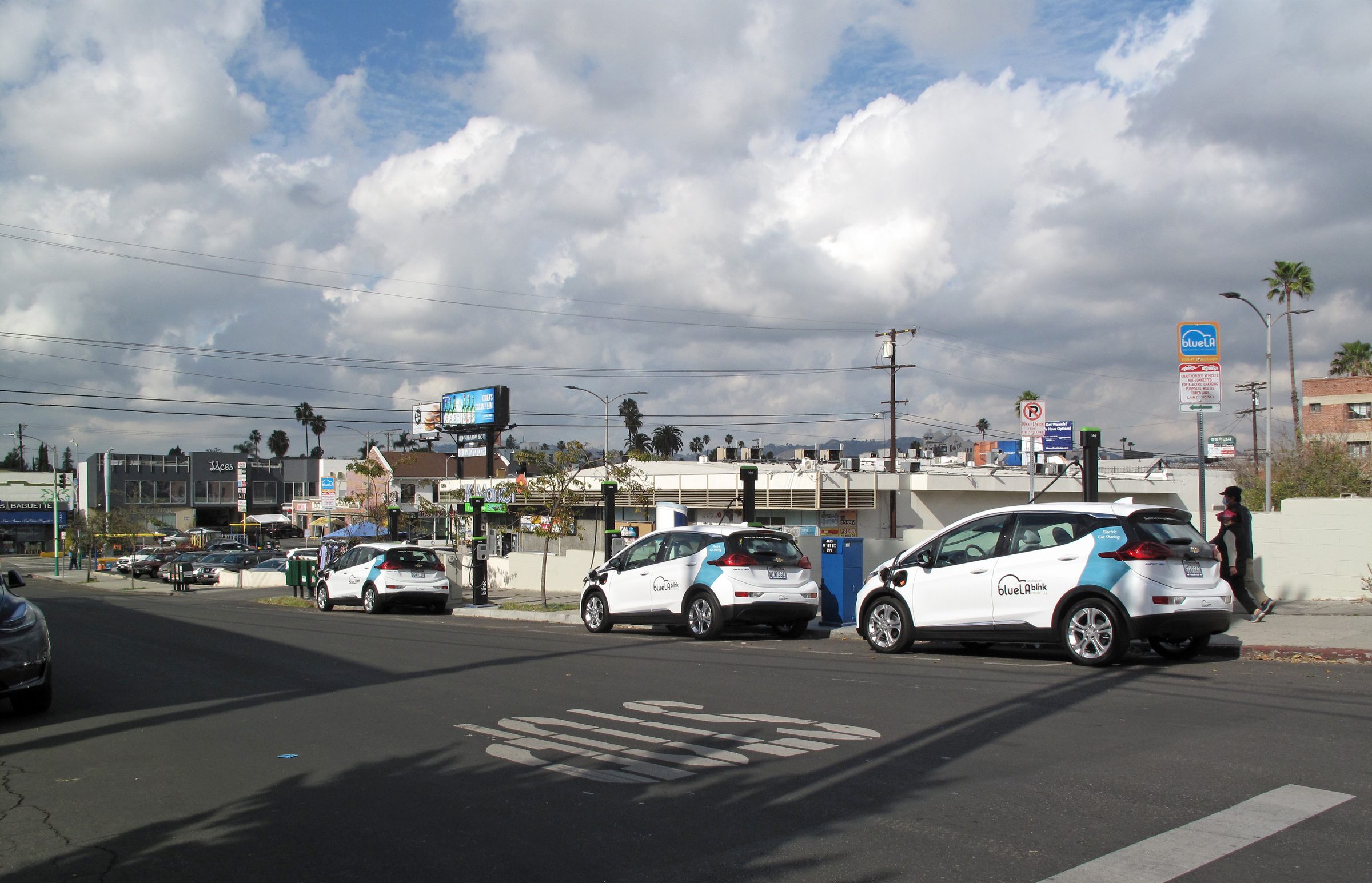
Governor Gavin Newsom's office said on September 20, 2026 that he signed SB 969, SB 1283, AB 1820, SB 1213, SB 1267, and SB 615. Per the Legislative Counsel's digests, SB 1283 extends California's expedited charger permitting to supporting infrastructure; AB 1820 caps Level 2 charger permit fees at multifamily housing from July 1, 2027 (January 1, 2028 in jurisdictions under 200,000 residents); SB 615 requires a permanent label on new vehicle traction batteries from July 1, 2028. As of September 20 each bill's history page still ended at "Enrolled and presented to the Governor."
Congress moved four energy bills in three days; one goes to the President
Between September 15 and 17, 2026, the House passed the High-Capacity Grid Act (H.R. 6633) and the Load Forecasting Enhancement Act (H.R. 9332) by voice vote and the Ratepayer Protection Act (H.R. 9340) by 417 to 3, and the Senate passed the Hydropower Licensing Transparency Act (H.R. 3657) by unanimous consent without amendment; the bill status record shows that bill presented to the President on September 17 and the other three received in the Senate. Each orders a report, a rulemaking, study boards, or a state proceeding; none funds or builds anything.
NRC proposes rule package for existing reactors and new applicants
The Nuclear Regulatory Commission announced on September 11, 2026 a proposed rule, docket NRC-2025-1138, that it calls a broad overhaul of its reactor licensing and oversight regulations under Executive Order 14300, for existing plants and new applicants. The release lists ten changes "among other things," including removing the expiration date for standard design approvals; comments run 30 days after Federal Register publication, which the NRC's tracker estimates for September 25, 2026, with a final rule estimated for March 31, 2027.
NRC proposes groundwater rule for uranium in-situ recovery sites
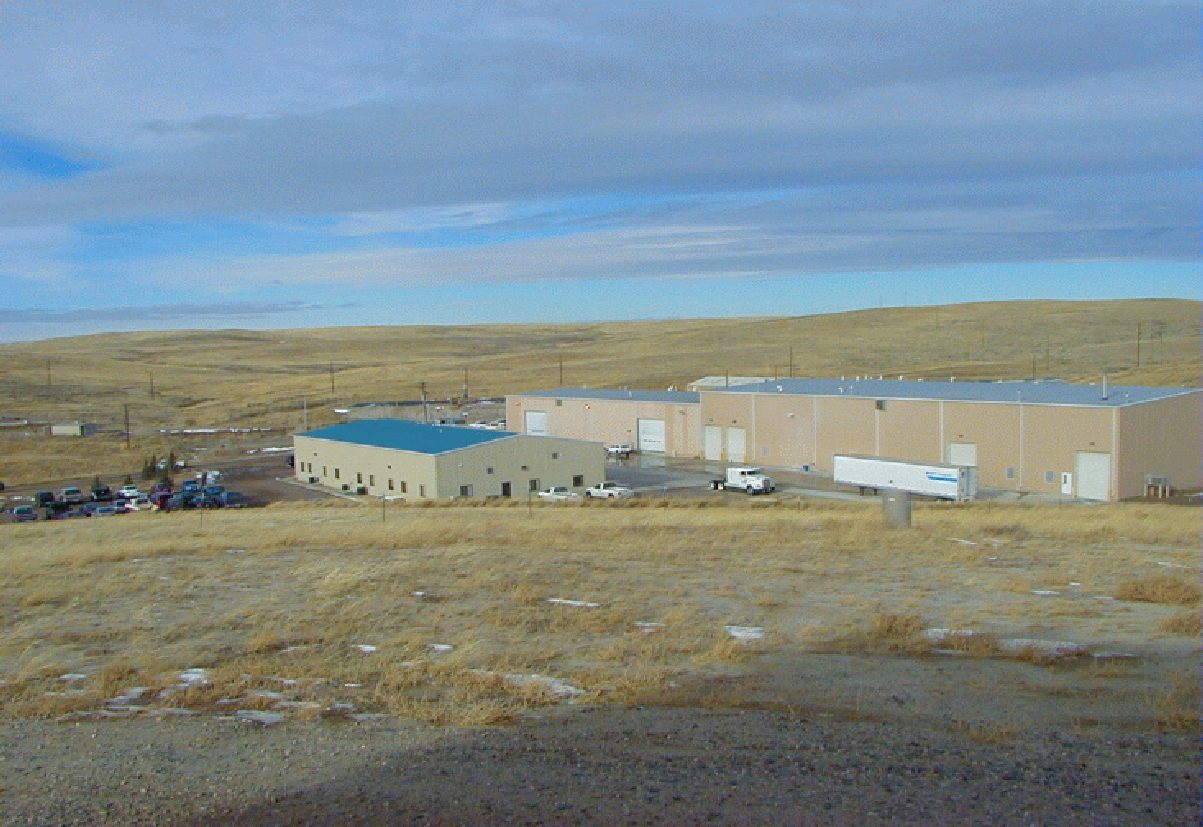
The Nuclear Regulatory Commission announced on September 1, 2026 a proposed rule, docket NRC-2025-1204, to set what it calls risk-informed groundwater protection criteria for uranium in-situ recovery facilities and to streamline extensions of decommissioning timelines for reactors and materials facilities. The rule text had not been published in the Federal Register as of September 4; comments are due 30 days after publication. The NRC's rulemaking tracker says the rule would reduce post-restoration monitoring, and the three industry letters in the docket asked for a narrowly targeted rule.
Studsvik picks GE Vernova Hitachi, Samsung C&T for four Swedish BWRX-300s
Studsvik AB announced on September 3, 2026 an exclusive agreement with GE Vernova Hitachi Nuclear Energy, Samsung C&T, GE Vernova Financial Services, and DS Investment Partners to advance an initial four-unit BWRX-300 project of approximately 1,200 MWe at either its Nyköping site or the Målma site in Valdemarsvik, Sweden, with the first unit expected in operation in the mid-2030s. The agreement is not a final investment decision or an authorization to construct; both sites await Swedish government approval, and Studsvik applied for state financing support on June 12, 2026.

New Jersey exempts balcony solar up to 1,200 W from utility sign-off
New Jersey Governor Mikie Sherrill signed the Garden State Balcony Solar Act (S2368) on September 1, 2026, exempting plug-in solar devices of up to 1,200 watts from utility interconnection agreements and net-metering requirements, with new limits on landlord, homeowner-association, and municipal bans. The law takes effect six months after enactment, in early March 2027.
Tennessee issues Type One Energy a fusion-specific license
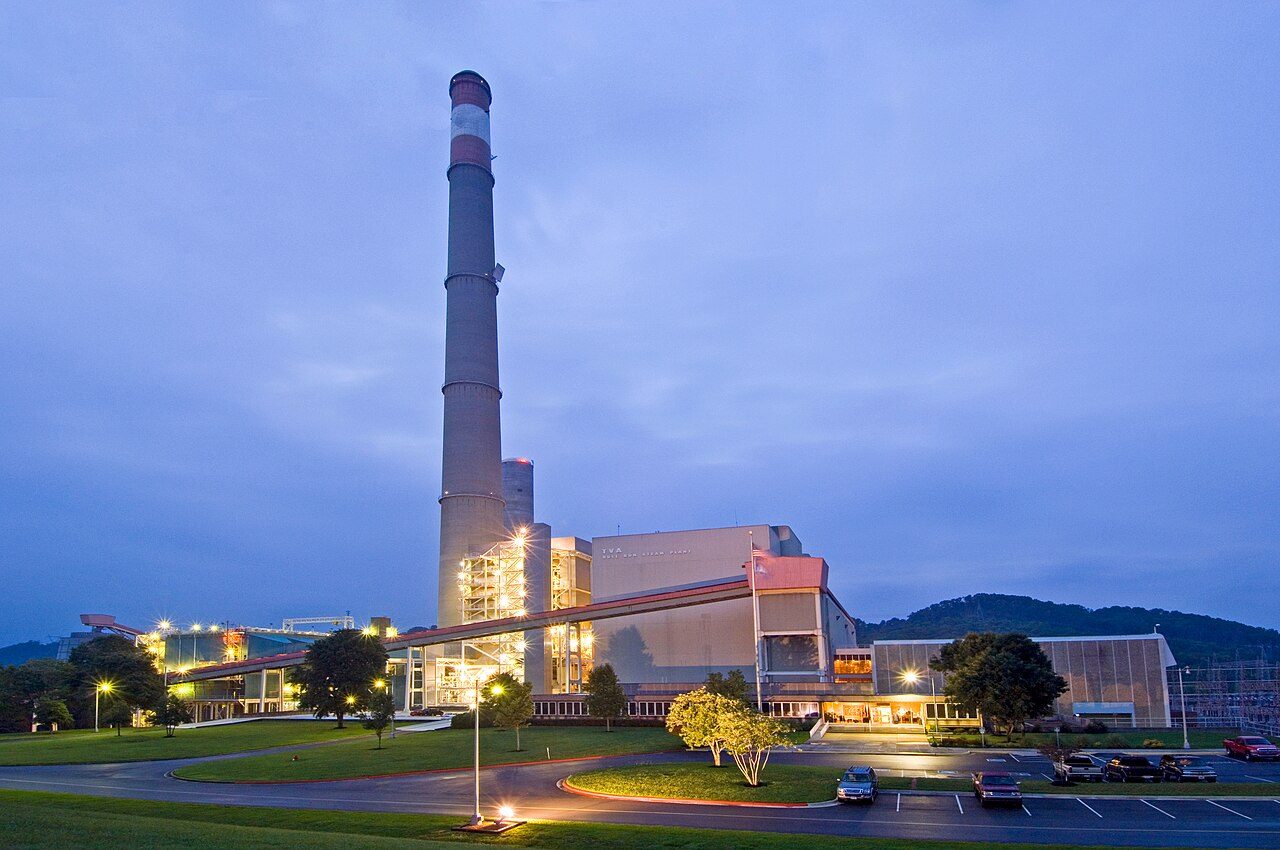
Tennessee regulators announced on August 31, 2026 what the state calls the nation's first license issued under a fusion-specific regulatory framework: a byproduct material license for Type One Energy's Project Infinity at TVA's retired Bull Run coal site in Clinton. The company says it intends to break ground in 2026 and expects a full startup by 2034.
California Legislature passes SB 222 to standardize heat pump permits
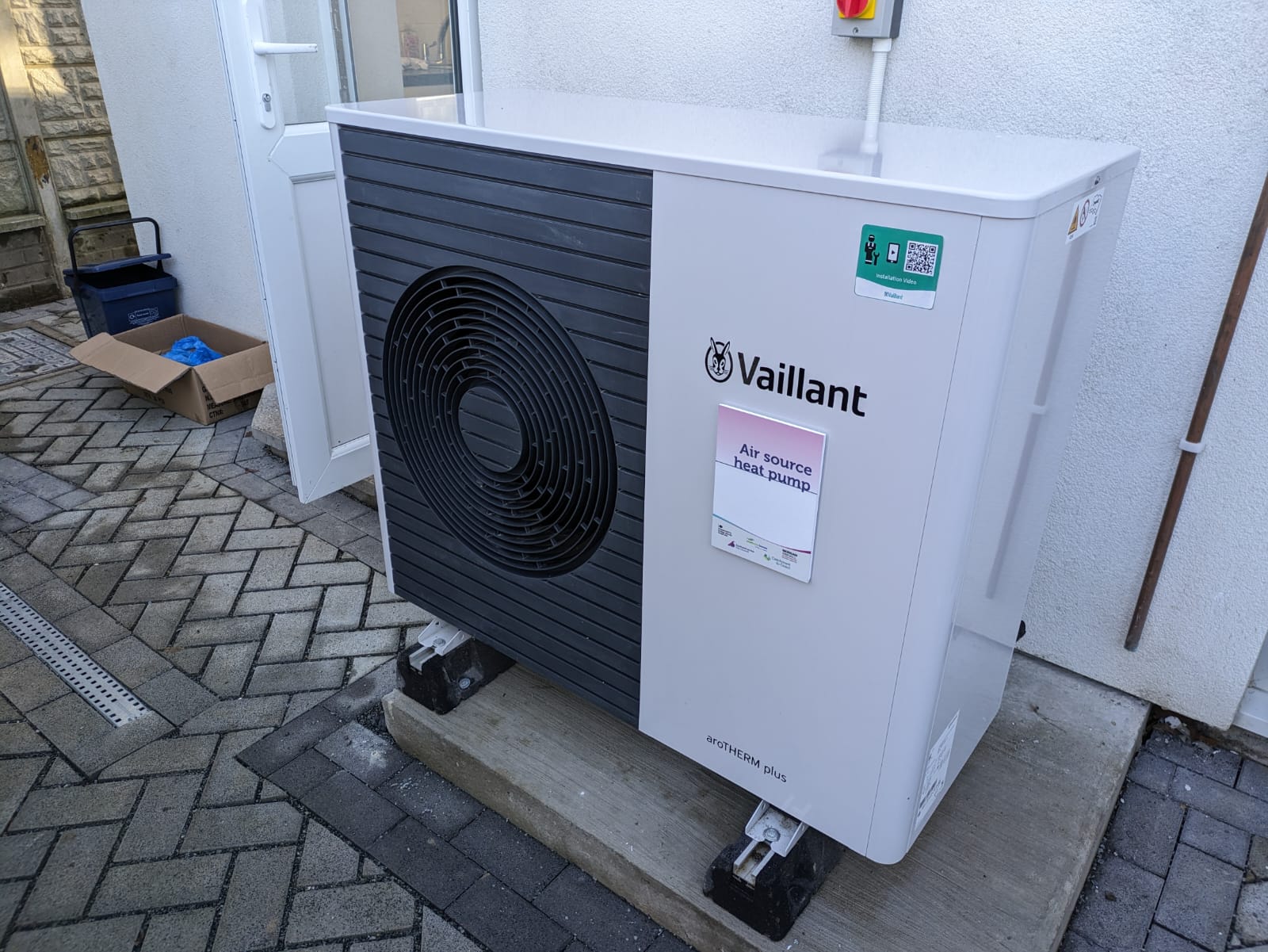
The California Legislature passed SB 222, the Heat Pump Access Act, on August 25, 2026 (Assembly 60-8 on August 24, Senate concurrence 32-5). The bill requires cities and counties to issue real-time online permits for residential heat pump installations by July 1, 2028, caps permit fees, limits installations to one nondiscretionary permit, and voids HOA restrictions on replacing gas appliances with electric ones. Governor Newsom has until September 30 to act on it, according to Senator Scott Wiener's office.