 The Duck Curve
Trump declares bulk-power emergency, targets foreign grid equipment
Executive Order 14420 reaches transformers, inverters, and battery storage, but each prohibition waits on an Energy Department determination, with implementing rules to be published as needed within 120 days.
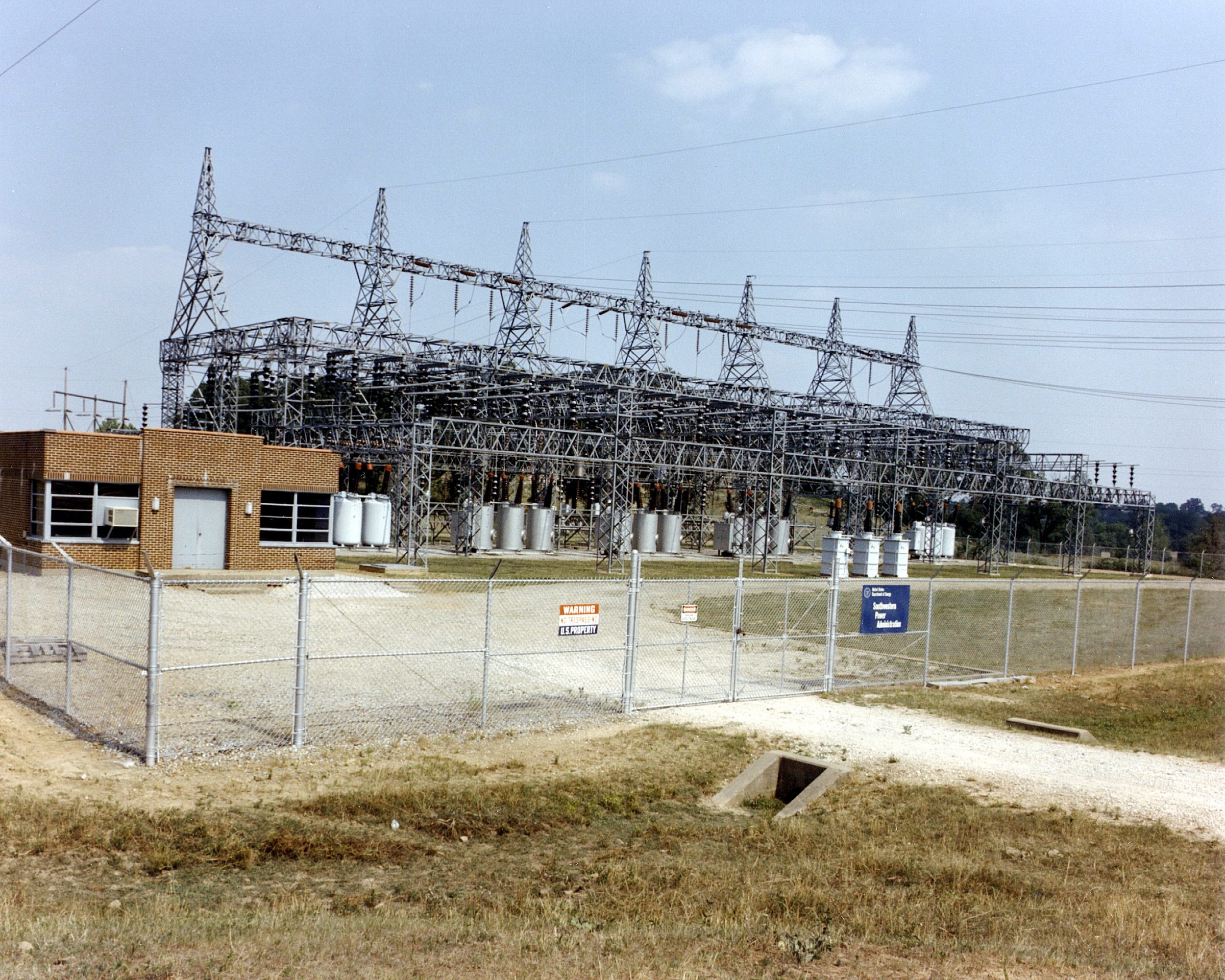
President Donald Trump signed Executive Order 14420 on August 26, 2026, declaring a national emergency over the US bulk-power system under the International Emergency Economic Powers Act and authorizing the Secretary of Energy to bar the acquisition, import, transfer, or installation of foreign-produced grid equipment. The equipment definition runs from substation transformers and high-voltage circuit breakers to grid-connected inverters and battery energy storage systems, and covers transmission networks rated 69 kV and above, leaving local distribution out.
The order asserts that foreign-made equipment "might have digital backdoors built into their systems that allow a foreign country to access that equipment remotely." A companion fact sheet says the order "generally prohibits" certain foreign-produced equipment from purchase or installation in the United States.
Two locks on every prohibition
Trade coverage read it as a China ban; ESS News's headline: "US bans Chinese-made battery energy storage in new Trump directive." The text is more conditional, and it never names China. A transaction is prohibited only when the Secretary of Energy determines two things: that the equipment, down to its software and remote-access capabilities, traces to a "Covered Foreign Entity," and that the transaction poses an undue risk of sabotage, unauthorized access, supply disruption, or catastrophic effects on critical infrastructure. A Covered Foreign Entity is a country under a US arms embargo or sanctions regime per the International Traffic in Arms Regulations, a roster that includes China and Russia, or one the Secretary determines is engaged in conduct detrimental to US national security or foreign policy; the definition also sweeps in any person owned by, controlled by, or under the jurisdiction or direction of such a country's government, so the definition can name a manufacturer, whatever its flag.
The reach is wider than the trigger. "Foreign-produced" means an article "not manufactured, produced, or assembled in the United States," so a transformer from an allied country counts, though only equipment linked to a Covered Foreign Entity can be prohibited. The prohibitions apply to transactions initiated after August 26, 2026 and operate notwithstanding supply contracts signed earlier. The Secretary can also approve otherwise-prohibited transactions conditioned on negotiated mitigation measures, and can publish a list of pre-qualified vendors and equipment exempt from the prohibition, though the order reserves his authority to regulate transactions involving even pre-qualified suppliers.
Equipment already on the grid
The order reaches backward as well: once the Secretary has made the Section 2(a) determinations, he may condition the continued use of equipment acquired or installed before the order, up to requiring that it be isolated, disconnected, replaced, or removed. Before directing removal he must weigh reliability, safety, availability of secure replacements, and continuity of service, and may set phased compliance. The installed base this touches is substantial: US utility-scale battery capacity neared 52 GW by mid-2026.
The second time around
Executive Order 13920 declared a closely similar emergency in Trump's first term, on May 1, 2020; President Biden suspended it for 90 days on January 20, 2021 and directed agencies to consider a replacement. The 2026 order starts over with a fresh emergency declaration rather than reviving the old one.
It is broader in two ways. The 2020 equipment list named transformers, circuit breakers, relays, generators, and control systems; the 2026 list adds grid-connected inverters, battery energy storage systems, and uninterruptible power supplies, plus associated software, firmware, and remote-access capabilities. And where the 2020 order's "foreign adversary" standard required "a long-term pattern or serious instances of conduct significantly adverse" to US security, the 2026 order covers arms-embargoed countries automatically and lowers the conduct bar to "engaged in conduct that is detrimental" to US national security or foreign policy.
The order lands on ground the FCC prepared. The commission's Covered List entry for foreign-produced inverters, narrowed and extended on August 20, 2026, already bars new foreign grid-tied inverters from US equipment authorizations, treating Section 45X tax-credit eligibility, or domestic end-product status under federal acquisition rules, as proof an inverter is domestically produced. The regimes now overlap on inverters; the order's pre-qualified vendor list plays the same safe-harbor role the 45X carve-out plays at the FCC.
What the storage industry read
An unsigned Shanghai Metals Market commentary, quoted in ESS News' August 27, 2026 coverage, called the order "not yet a blanket ban on Chinese energy storage equipment": enforcement will depend on the designations, the risk determinations, and the implementing rules. With domestic storage supply unable to fully replace imports, the commentary reads the policy as "a market-entry deterrent, procurement constraint, and bargaining chip," and expects enforcement to start with equipment deemed high-risk.
Outlook
The order sets its own clock: the Secretary is to publish implementing rules "as needed" within 120 days, by December 24, 2026, and recommended federal-procurement rule revisions favoring US-made energy infrastructure are due within 180 days, by February 22, 2027. The first Covered Foreign Entity designations and the pre-qualification list will show whether this is broad exclusion or targeted screening; the Shanghai Metals Market read points to phased enforcement beginning with the highest-risk equipment. The FCC's inverter entry, added on July 28, 2026, was modified once by August 20; the order's mitigation and pre-qualification machinery gives the Energy Department the same room to redraw scope.
Note: The Outlook extrapolates from deadlines in Executive Order 14420, the Shanghai Metals Market commentary quoted by ESS News, and the FCC Covered List history in The Duck Curve's linked coverage.
⚠ The Outlook extrapolates from the deadlines stated in Executive Order 14420, the Shanghai Metals Market commentary quoted by ESS News, and the FCC Covered List revision history covered in the linked Duck Curve article.
Sources
Primary
- Declaring a National Emergency to Secure the United States Bulk-Power System (Executive Order 14420) · The White House
Supporting
- Executive Order 13920: Securing the United States Bulk-Power System (85 FR 26595) · Federal Register
- Executive Order 13990: Protecting Public Health and the Environment and Restoring Science To Tackle the Climate Crisis (86 FR 7037) · Federal Register
- Fact Sheet: President Donald J. Trump Declares a National Emergency to Secure America's Bulk-Power System · The White House
- US bans Chinese-made battery energy storage in new Trump directive · ESS News
Copies of cited sources are retained where available. If a link no longer resolves, request a copy at contact@theduckcurve.com.