 The Duck Curve
UK ZEHID e-trucks log 85,000 trips, about half a diesel sample's weekly km
The programme's first annual report finds the funded trucks cost around 2.7 times diesel to buy, with a favourable cost of ownership possible given grants and effective utilisation over eight years.
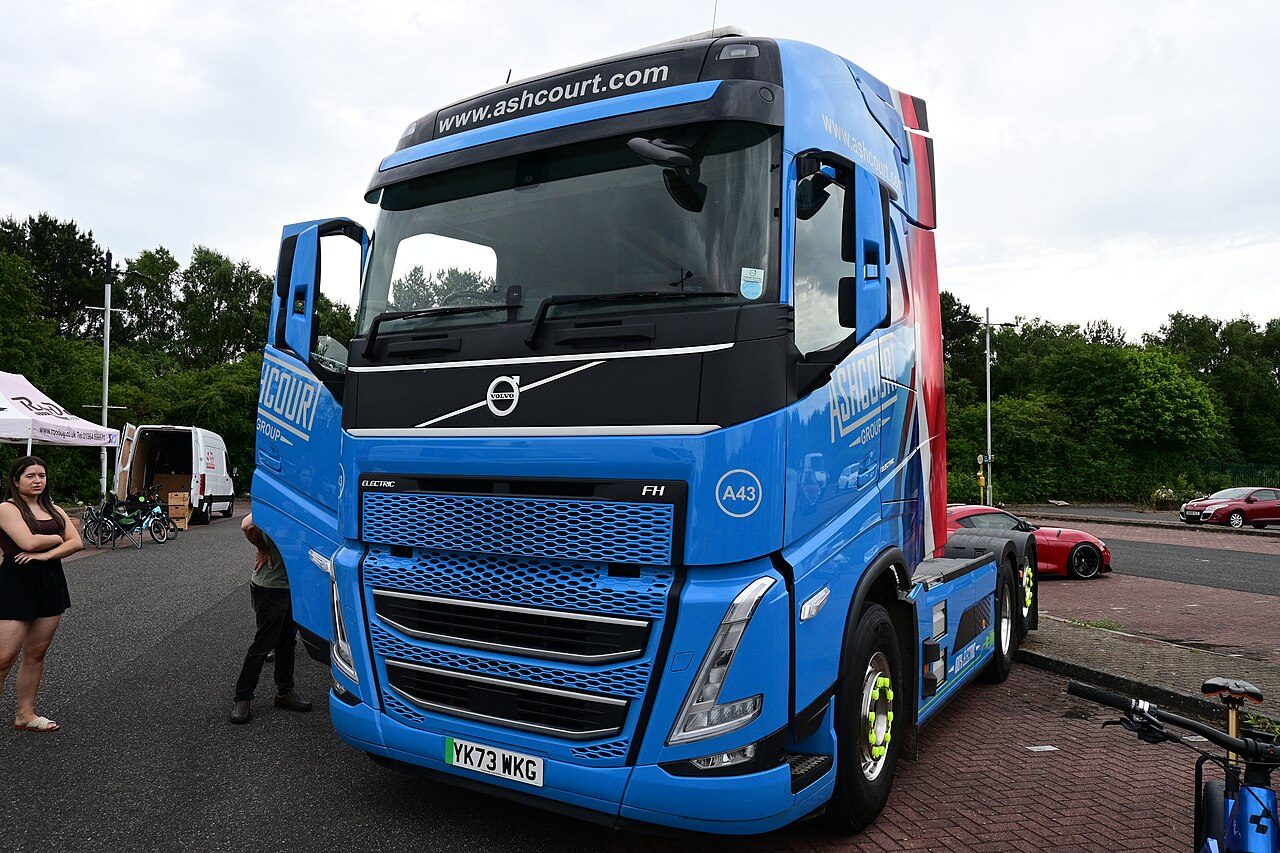
Battery-electric heavy goods vehicles in the UK's Zero Emission HGV and Infrastructure Demonstrator (ZEHID) had logged 85,000 trips of over 1 km and 3.60 million km by June 17, 2026, with an 81% reduction in greenhouse gas emissions compared with diesel trucks, assuming average grid electricity. Those figures come from the programme's first annual report, written by technical evaluator WSP for Innovate UK and published in October 2026. The trucks are also covering far less ground: they average about 1,350 km a week, against about 2,600 km for a sample of diesel trucks.
ZEHID is a Department for Transport programme funded with approximately £150 million and launched with Innovate UK in 2022; the report calls it the largest coordinated UK demonstration of zero-emission HGVs to date. Its three remaining projects, Electric Freightway, eFreight 2030 and ZENFreight, have together deployed more than 240 vehicles and 40 charging sites and expect approximately 300 vehicles and 70 sites by the end of 2026. At the June data cut-off, 172 of the funded trucks were reporting telematics; 76 more were being added to monitoring and 62 had yet to enter service. The trucks come from six manufacturers and run with 35 operators, carrying payloads of up to around 25 tonnes.
Half the distance, for now
The electric trucks run less than diesel, and the report is careful about why: "While the data sample is small, initial indications from WSP data and project feedback suggests that the monitored eHGV fleets currently achieve lower average utilisation than diesel vehicles, with lower average speeds and shorter average daily mileage," it says, adding that early deployments include training, testing and routes that today's infrastructure can support. The weekly figures come from 178 trucks, and a footnote warns that the diesel and electric vehicles "may not be on comparable operations." A few electric trucks have run up to 800 km a day or 4,000 km a week.
Innovate UK Business Connect, which hosts the report, puts it down to operators still building confidence and planning routes around available charging and commercial contracts, in a commentary of October 7, 2026. "The gap does not appear to be solely technological: electric HGVs are capable of greater mileage and utilisation."
Charging is much of that planning. The report calls charging infrastructure "a key bottleneck for early eHGV adoption." Over 40 ZEHID-funded charging sites had been commissioned by July 2026, ranging from a 43 kW charger to a 5 MW facility of ultra-rapid chargers. One potential eFreight 2030 site was quoted a five-year grid connection, and effort moved to other sites. The programme's operational monitoring phase, 2026 to 2031, is also five years long.
Weight is the other constraint. Electric HGVs are typically about 3.5 tonnes heavier unladen than diesel, the report says, cutting payload by about 1.5 tonnes for a 42-tonne 4x2 and up to about 3.5 tonnes for a 6x2. Long-haul (over 400 km a day) and heavy-duty (40 tonnes and up) work faces slower progress to cost-of-ownership parity; citing Energy Systems Catapult analysis, the report says those vehicles account for about 45% of emissions despite being about 12% of the fleet.
What a truck costs
ZEHID's electric trucks still cost far more up front than diesel ones. "ZEHID data so far indicates that the funded trucks cost around 2.7 times diesel to buy but provide at least double the energy efficiency," the report says. Upfront costs make up 45 to 85% of total cost of ownership (TCO) without grants, a figure it takes from eFreight 2030's analysis. Its executive summary says that "With grants and effective utilisation over 8 years, a favourable total cost of ownership (TCO) is already possible for an eHGV," and that without subsidy the TCO is currently typically higher than diesel. Electric Freightway calculated that, in limited specific use cases, eHGVs could save £60,000 to £120,000 each over an eight-year life with current grants. "However, in most cases a substantial TCO gap remains."
Grant money has since grown. An early message from eFreight 2030 was the need for more vehicle and infrastructure grants beyond ZEHID, the report notes, and on March 25, 2026 the Department for Transport announced £1 billion for the Zero Emission Truck and Van grants and the Depot Charging Scheme. The truck grant offers up to £81,000 off the heaviest zero-emission trucks, covering up to 40% of the cost, and a £170 million boost to the Depot Charging Scheme means businesses could save up to £1 million, covering up to 70% of the cost, on chargers for vans, coaches and eHGVs. The release named Wren Kitchens and Bedrooms among companies taking advantage of funding to decarbonise their fleets, and quoted its transport and logistics director saying that with this support Wren has brought a number of 44-tonne e-trucks into its fleet. The ZEHID report lists Wren Kitchens among the initial participants that withdrew from ZENFreight, after which additional operators were onboarded to maintain scale.
Electric trucks remain a sliver of UK freight. The report credits Electric Freightway with 24% of all new UK eHGV registrations in 2025, and notes that zero-emission trucks remain a small share of a UK fleet of around half a million HGVs. One demonstration project supplying nearly a quarter of a year's registrations says as much about the market as about the project. Elsewhere, megawatt truck charging arrives a site at a time: in Georgia, Pilot said on October 8 it had opened six Tesla Megacharger stalls.
Hydrogen shrinks to three trucks
ZEHID was set up in 2022 around two pathways: battery-electric trucks with static charging, and hydrogen fuel cell trucks with low-carbon refuelling. HyHAUL, a planned M4-corridor project of about 30 fuel cell HGVs and about 30 MW of electrolysis, was terminated in December 2025 "after failing to secure binding customer or fleet leasing agreements within the ZEHID funding timeframe."
ZENFreight cut its hydrogen deployment from 16 vehicles to three. Of the two pathways the programme was built around, one now rests on those three trucks, which the report expects to enter service "shortly."
The report blames limited hydrogen progress on low demand, supply chain immaturity, high costs and the difficulty of aligning stakeholders: in ZEHID, aligning the supply of hydrogen vehicles, refuelling infrastructure, low-carbon fuel, fleet demand, funding and financing has been challenging.
Outlook
The report says success over the next five years will be measured by utilisation and the quality of the evidence as well as by truck counts, and expects partners to move the trucks onto increasingly demanding duty cycles. Because it also describes TCO as highly sensitive to utilisation, the weekly-kilometre comparison is the figure to watch in the next annual report: if the electric fleet's average closes on the diesel sample, the grant-backed cost case should reach more operators; if it stays near half, that case may stay confined to the limited use cases Electric Freightway identified.
⚠ The Outlook extrapolates from the ZEHID annual report's statements that total cost of ownership is highly sensitive to utilisation and that partners are expected to move the trucks onto more demanding duty cycles, and from its weekly-distance comparison of electric and diesel trucks; it adds no figures of its own.
Sources
Primary
- Zero Emission HGVs and Infrastructure Demonstration Programme (ZEHID) Annual report 2026 · WSP for Innovate UK (hosted by Innovate UK Business Connect)
Supporting
- £1 billion to cut costs for businesses, drive growth and clean up UK roads · Department for Transport and Office for Zero Emission Vehicles (GOV.UK)
- From ambition to evidence - ZEHID annual report · Innovate UK Business Connect
Copies of cited sources are retained where available. If a link no longer resolves, request a copy at contact@theduckcurve.com.