 The Duck Curve
#tax credits
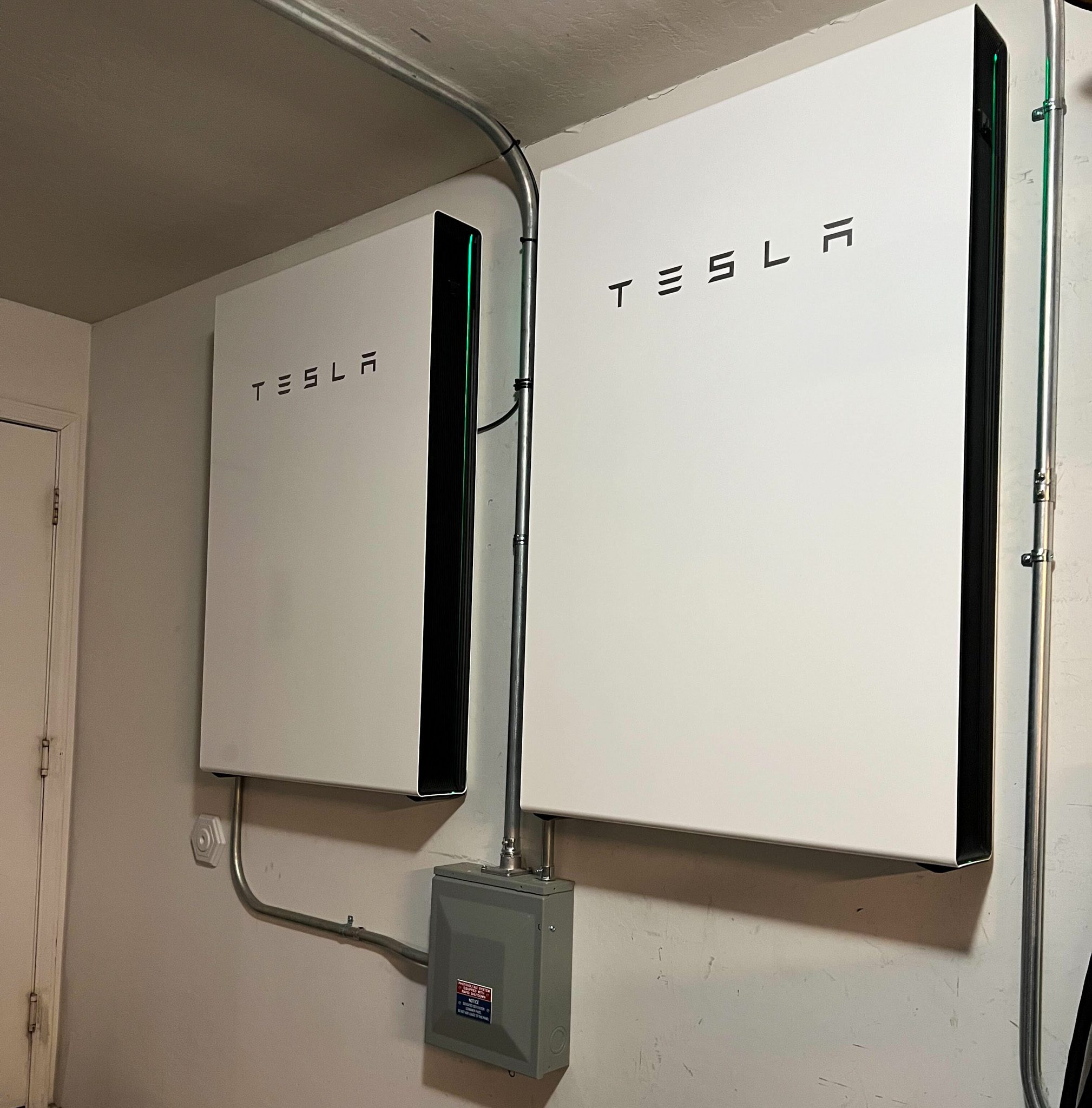
Berkeley Lab: batteries paired with 37% of new US home solar in 2025
Lawrence Berkeley National Laboratory's U.S. Distributed Solar and Storage: 2026 Data Update, published in August 2026, finds batteries were paired with 37% of new US residential solar systems in 2025, up from 25% in 2024: 74% in California (from 58%) and 17% in all other states combined (from 7%). Median residential battery capacity held at 13.5 kWh while median discharge capacity rose from 6.0 kW to 11.4 kW, which the lab attributes to Tesla's Powerwall 3. The rates exclude batteries added to existing systems and stand-alone storage.
-
EIA: light-duty EV electricity use grew 8% in 1H26 after 13–24% half-years
The U.S. Energy Information Administration said on September 30, 2026 that light-duty electric vehicles in the United States consumed 8% more electricity in the first six months of 2026 than in the second half of 2025, down from the 13–24% growth it recorded in six-month periods in recent years, with the modeled estimate at nearly 14 billion kWh for 1H26, more than double 1H23. EIA says the slowing followed a decline in sales after federal tax credits expired in September 2025: new EV sales in 1H26 were down 19% compared with 2H25.
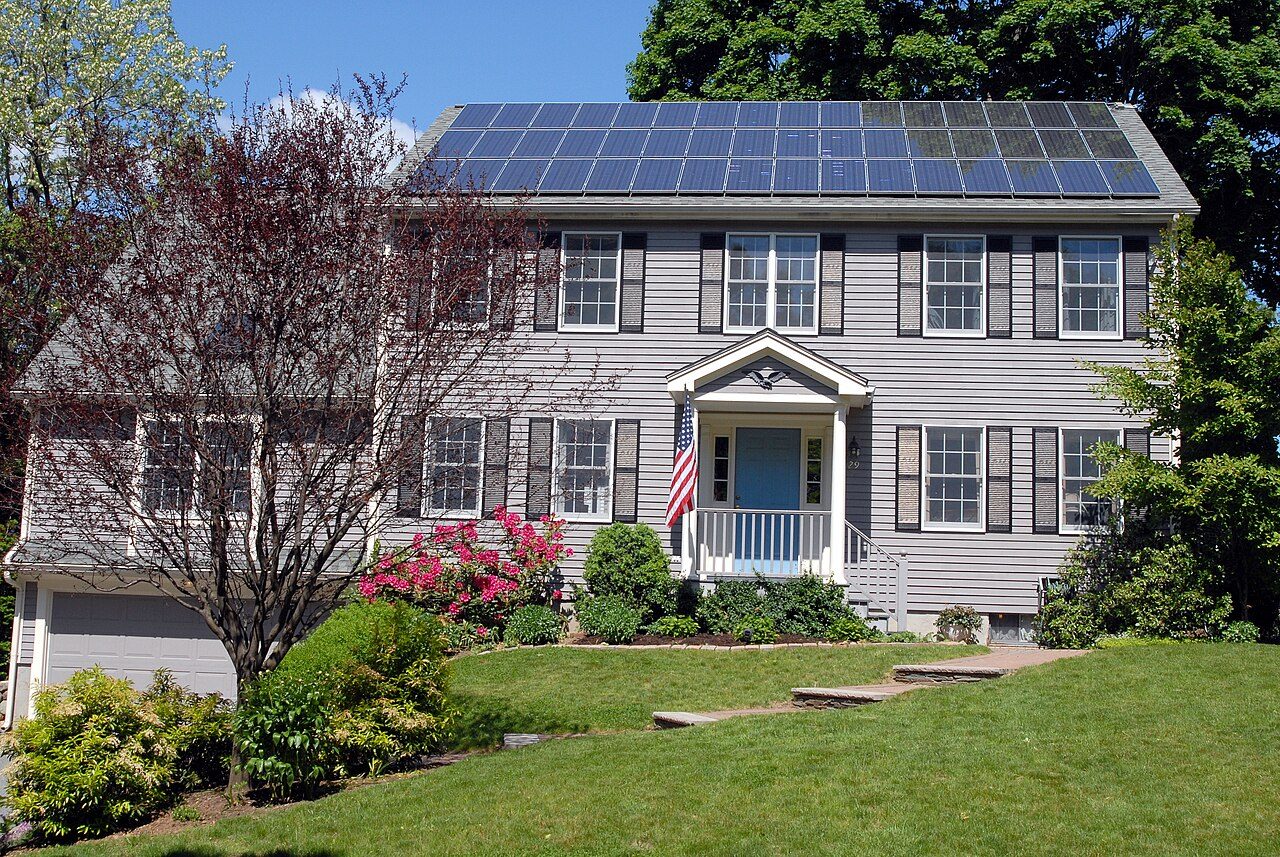
SEIA/WoodMac: residential solar fell 12% in Q2 2026, utility-scale up 61%
The Q3 2026 US Solar Market Insight from SEIA and Wood Mackenzie puts Q2 2026 residential solar at 995 MWdc, down 12% year over year and 10% from Q1, the quarter in which the report says interconnection data began to reflect the end of the Section 25D credit; the authors now expect a 23% residential contraction in 2026. Utility-scale solar installed 9.6 GWdc, up 61% year over year, as developers placed safe-harbored projects into service.

CU Boulder preprint says SMR operating costs, not capex, drive poor returns
A preprint posted to arXiv on September 8, 2026 by Pradyumna Rao, Daniel T. Kaffine, and Bri-Mathias Hodge of the University of Colorado Boulder finds that fuel and operating costs, not investment costs, make small modular reactors uneconomical at manufacturer-advertised costs in US wholesale and capacity markets: almost all concepts have discounted payback periods longer than their technical lifetimes on energy revenue, 18 of 22 do not reach a 20-year payback at current production tax credit levels, and at advertised costs SMRs are about as profitable as advanced estimates of the AP1000.
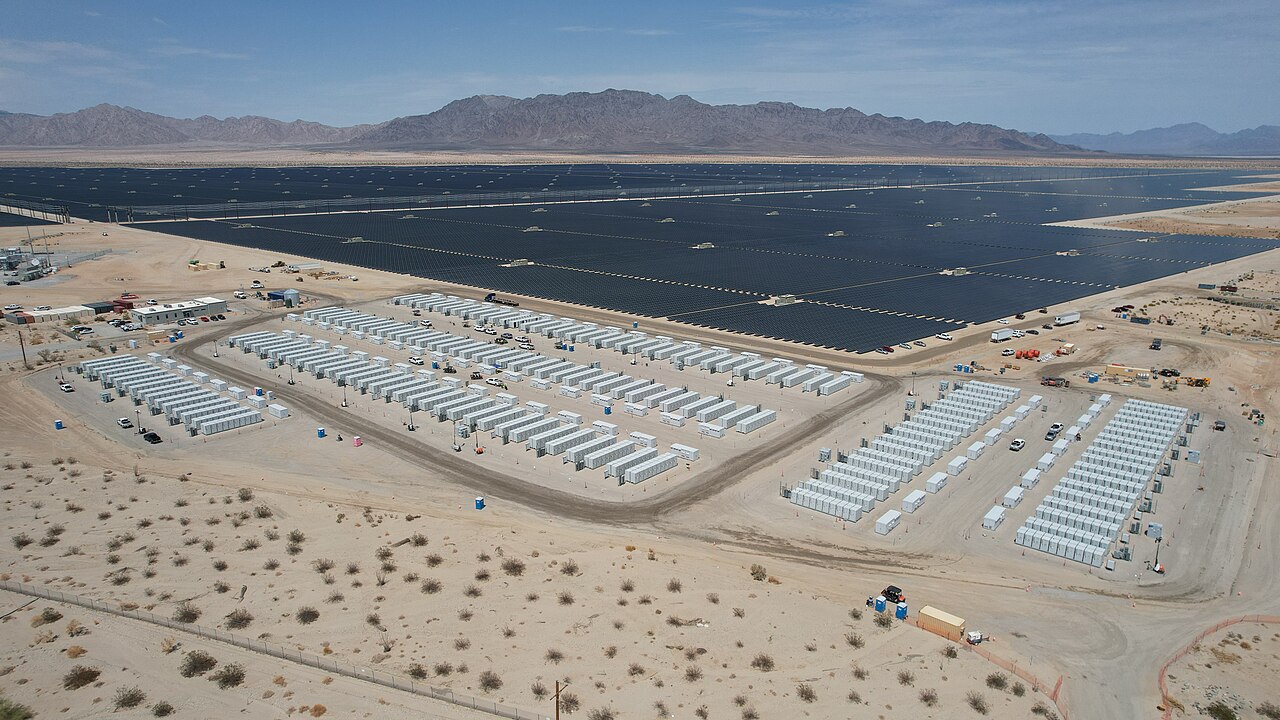
NRDC projects US loses up to 540 GW of renewables under Trump policies
The Natural Resources Defense Council projects that Trump administration energy policies could cost the US between 390 GW and 540 GW of new wind, solar, and storage capacity over the next decade, according to trade-press accounts of a report announced August 25, 2026, with at most 9 GW of new gas capacity added in its place and average household electricity rates rising an additional 4.2% to 5.5% by 2035, all relative to the group's January 2025 baseline.
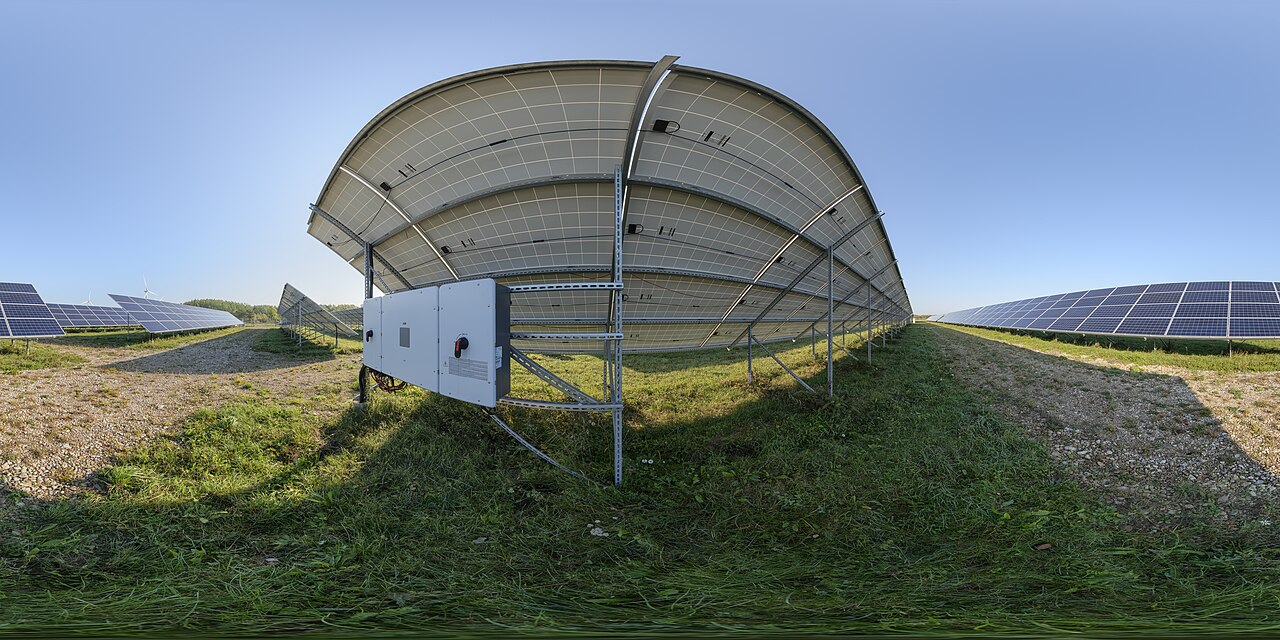
FCC redraws its foreign inverter ban around the 45X tax credit
The FCC modified its Covered List entry for foreign-produced power inverters on August 20, 2026: the ban now covers only UL 1741 utility-interactive inverters but extends to wired connectivity, and inverters eligible for the Section 45X manufacturing credit are no longer treated as foreign-produced.