 The Duck Curve
First Student says trenchless NYC bus charging cut build costs 13%
NYSERDA's funding for the project included six bus vouchers and four retrofits, the release says; First Student plans 40 more electric buses for NYC schools, and the smart energy hub promised in 2024 is now listed as under consideration.
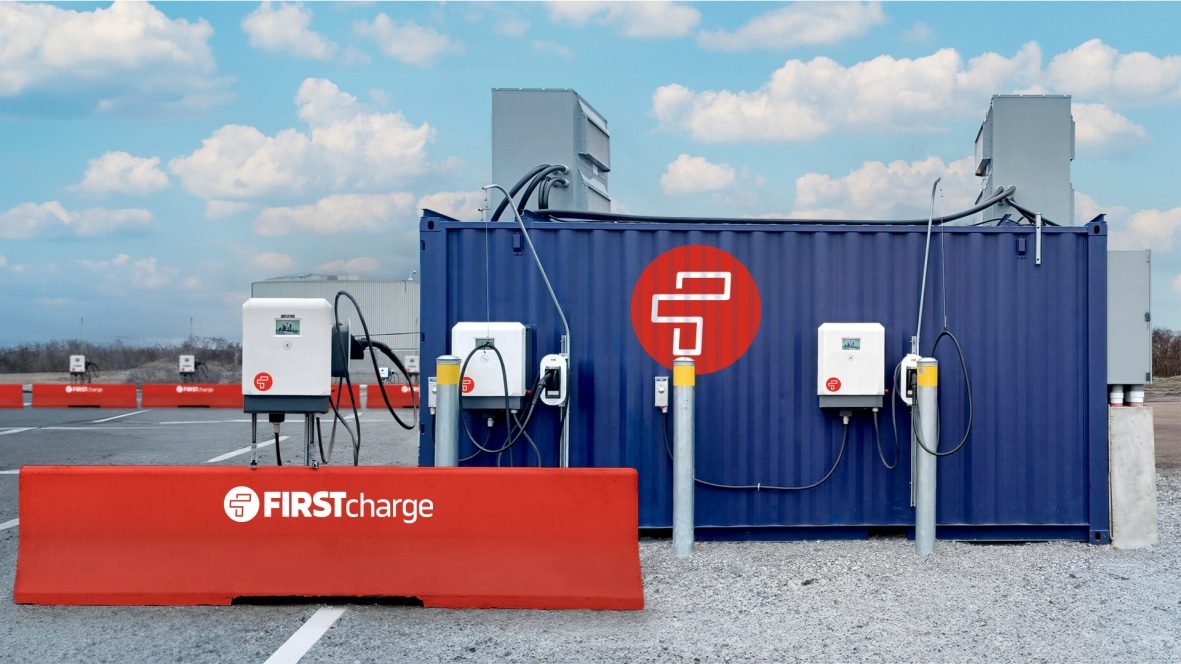
First Student and Con Edison said on September 15, 2026 that the first phase of an electric school bus project serving the New York City Department of Education is complete, with buses running in Brooklyn and Queens on charging equipment installed without digging trenches. The release says avoiding underground trenching reduced infrastructure construction costs by 13%, and that First Student plans to deploy 40 additional electric school buses to serve the department.
The equipment is First Charge, the company's above-ground, modular charging system. The release says the approach also cut construction complexity and disruption, and quotes Vicki Kuo, Con Edison's senior vice president of Customer Energy Solutions, calling the elimination of a buried service line to the chargers "a strategy that other fleet owners can replicate to save money and complete projects more quickly."
The release names no dollar figures. Con Edison and the New York State Energy Research and Development Authority contributed funding, it says, and the funding included six bus vouchers through NYSERDA's New York School Bus Incentive Program, routed through First Student's manufacturer, International, as well as support for four retrofit buses through the New York Truck Voucher Incentive Program; it does not break out Con Edison's share. The release gives no count of the buses now operating or of the chargers installed, no depot address beyond "its Brooklyn facilities", and no baseline for the 13%. Load management software charges the buses during off-peak hours, it says, when energy is less expensive.
What changed since the 2024 announcement
On October 22, 2024, Con Edison said it was putting $9 million into a First Student project at a depot on Malta Street in Brooklyn: 12 electric school buses, four of them already operating and the full 12 planned to be running by the 2025-26 school year, each with rooftop solar panels, charged from a 500-kilowatt solar array at the depot alongside a two-megawatt battery that would discharge into the buses. First Student's release the same day described a vehicle-to-everything "smart energy hub" that would generate additional power for Con Edison in summer months when the buses sit idle, and said First Charge "reduces construction costs by at least 30%".
The September 15 release does not name Malta Street or the $9 million, so whether the completed phase is that project is not stated. It lists "advanced bi-directional charging technology" among the project's parts but reports no power sent back to the grid, and it lists "expanded solar use and the creation of a smart energy hub" among initiatives First Student "is also considering" at its Brooklyn facilities. The 30% was a general claim for the product; the 13% is the companies' figure for this installation.
The fleet numbers moved in between. First Student says it operated approximately 490 electric school buses during the 2025-26 school year, with more than 550 more on order, and has passed 11.2 million miles driven in electric buses. In October 2024 the company put its position at approximately 2,000 electric school buses under contract and more than 360 deployed.
The deadlines and the utility-built alternative
New York City's Local Law 120 of 2021, enacted November 7, 2021, requires the city to ensure that all school buses in use by September 1, 2035 are all-electric zero-emission buses, subject to the commercial availability and reliability of such buses and the technical and physical availability of related planned infrastructure, including but not limited to charging stations and bus depots, per the bill summary.
The state set its own deadlines in the April 2022 budget, according to NYSERDA's program page: all school buses purchased in New York State must be zero-emission by 2027, and all school buses operating in the state by 2035. In the October 2024 Con Edison release, Elijah Hutchinson, executive director of the Mayor's Office of Climate & Environmental Justice, said the office had supported bus vendors in applying for over 1,400 electric school buses.
Con Edison's other school bus release this year shows the conventional route. On June 17, 2026, the utility said that GVC, a Bronx company transporting children with special needs, had installed 23 dual-port chargers for 45 new electric school buses, which Con Edison called the largest electric school bus fleet in the state. A $450,000 incentive from Con Edison's MHD Make-Ready Pilot helped offset the charger installation, the utility upgraded the site's electric service and provided a transformer, and NYSBIP helped fund 20 of the buses and the 23 chargers. The First Student release mentions no make-ready incentive and no transformer. Earlier in September 2026, New York City picked a vendor for 600 curbside charging points and broke ground on a fast-charging hub beside JFK Airport.
Outlook
The next test of the replicability claim is the 40 additional buses: the release does not say where they will charge or whether First Charge will serve them, and the Brooklyn solar expansion and smart energy hub are listed as under consideration rather than scheduled. If the state's 2027 purchase deadline holds, the city's bus contractors will be buying electric within about a year, and every depot will need a service line. GVC's Bronx project shows what the utility-built path costs the utility, at $450,000 of incentive plus a transformer; what First Charge saves in absolute terms depends on a baseline neither company has published. A hub that discharges bus batteries to Con Edison in summer, promised in 2024, would be the first figure worth watching for if it moves from consideration to a schedule.
⚠ The Outlook extrapolates from the September 15, 2026 First Student release, the October 22, 2024 Con Edison and First Student releases, Con Edison's June 17, 2026 GVC release, and NYSERDA's program page, and assumes no schedule beyond what those documents state.
Sources
Primary
- First Student and Con Edison Advance Electric School Bus Infrastructure in New York City · First Student, Inc.
Supporting
- Int 0455-2018 (Local Law 2021/120): Use of all-electric school buses in school bus contracts · New York City Council (Legistar)
- Con Edison Provides $9 Million to Jump-start First Student School Bus Electrification in Brooklyn · Con Edison
- Brooklyn to Receive a Charge From Electric School Bus Batteries With New Vehicle-To-Everything Smart Energy Hub Built By First Student And Con Edison · First Student, Inc.
- New York School Bus Incentive Program · NYSERDA
- Con Edison Energizes Largest Electric School Bus Fleet in NYS for Student Transport Company GVC · Con Edison
Copies of every cited source are retained. If a link no longer resolves, request a copy at contact@theduckcurve.com.