 The Duck Curve
Chubu asks seven ex-executives to return pay over Hamaoka misconduct
Chubu also disciplined six employees and filed its METI-ordered improvement plan: 36 measures across the Hamaoka case, NuRO decommissioning claims and a tariff error, with a progress report due March 31, 2027.
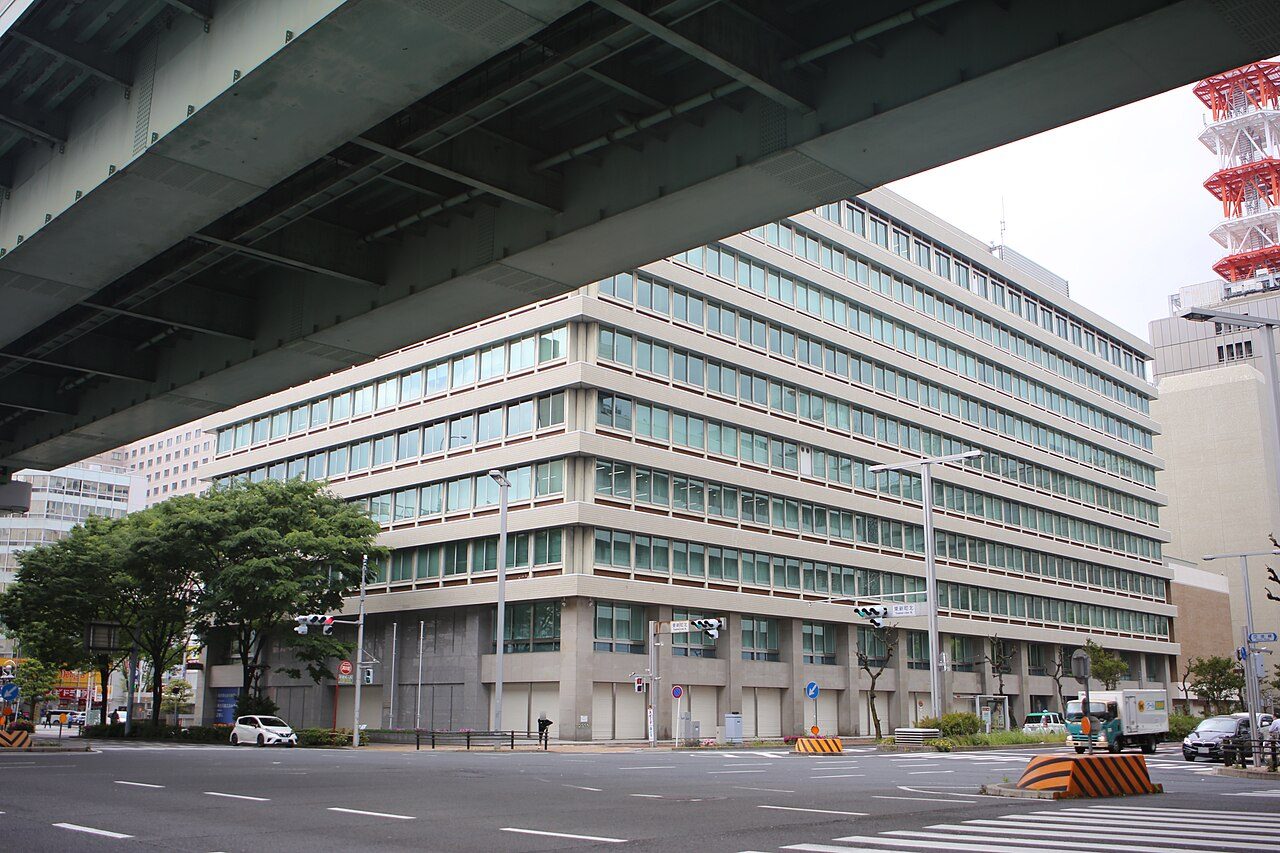
Chubu Electric Power has asked seven former executives, among them former president and chairman Satoru Katsuno, to hand back half their monthly pay for between two and 24 months over the misconduct in the design basis ground motion for the Hamaoka Nuclear Power Station, and has disciplined six employees, the company said on November 26, 2026. The same day it submitted its business improvement plan to the Minister of Economy, Trade and Industry, answering the order the ministry issued on November 6.
The longest request falls on Shinichiro Nakagawa, an executive officer and head of the nuclear civil engineering department during the period he was involved: 50% of monthly pay for 24 months. Katsuno, listed for his time as representative director and president, is asked for six months, as is Ichiro Ihara, then head of the nuclear division and chief nuclear officer. The other four requests run from 10 months down to two. Because all seven have already left the company, Chubu is not disciplining them; it is asking them to return the money voluntarily, as a measure equivalent to the discipline they would have faced in office. Of the employees, two were told to resign and four were suspended, and Chubu says it is working through discipline for other staff involved in stages.
The case behind it is the one an outside committee laid out in September: Chubu chose "representative waves" for Hamaoka's seismic design by judgment rather than a quantitative criterion and built back data for the regulator (our report on the committee's findings). The applications for units 3 and 4 were withdrawn, and Chubu wrote off its nuclear fixed assets in full in October (NRA details Hamaoka ground-motion 'tuning'; Chubu books ¥370bn loss).
One plan for three cases
The plan covers three cases, not one: the ground-motion misconduct; demolition figures rewritten in reports to NuRO, Japan's spent-fuel reprocessing and decommissioning organization, and cost claims billed on contractor work that had not been properly checked, at Hamaoka units 1 and 2; and a cost-calculation error in a retail tariff filing. Chubu says the three have one thing in common: when facts or errors came to light, the organization put consistency with existing plans and decisions ahead of reporting and correcting them, and could not stop it as an organization. Its summary counts 48 measures across the October 29 reports on the three cases, less 12 duplicates, for 36 measures in 12 items, filed under the five headings METI's order set out.
The accountability section reaches past Hamaoka. For the tariff error, Takayuki Kato, an executive officer in the corporate strategy division at the time and now a senior managing executive officer, has 30% of his monthly pay at the time cut for three months, and one employee is suspended. For the decommissioning case, Chubu says it is still investigating where responsibility lies. The plan also records that Katsuno as chairman, Kingo Hayashi as president and senior adviser Akihisa Mizuno stepped down from those posts on September 30.
Much of the timetable is close. An outside director has chaired the board since October 2026. A committee to give the culture reform an outside evaluation is to be set up in December 2026 and to check the plan's progress within fiscal 2026. The board's makeup, including the chairman's post, is to be settled by the next shareholders' meeting. The nuclear division is to be renamed, provisionally the Nuclear Safety Promotion Division, as soon as the Nuclear Regulation Authority (NRA) approves the safety regulation change the renaming requires.
The two measures closest to the seismic work are the least pinned down. The head of the nuclear division, a post Chubu says it will consider filling from outside, is to be chosen "early". The periodic technical audit of ground-motion work by outside experts with no interest in Chubu or the work, which is to check the reproducibility of calculations and the choice of representative waves, was written into internal rules in October 2026; the audits themselves happen when the design basis ground motion is evaluated, and with the applications withdrawn, the plan gives no date for that.
Chubu also reported to NuRO the action plan that body's November 6 recommendation required, and its plan aims to write new checks on planning, contracts, inspection and billing for the demolition work into internal rules around January 2027.
What comes next
METI said it received the plan on November 26 and will keep following up strictly and continuously. Its November 6 order requires a report on how the measures have been decided and carried out by March 31, 2027, and an objective check of their effectiveness that includes a review system using outside personnel. The plan commits Chubu to that report date and to adding or revising measures in light of guidance and instructions from the NRA.
The regulator's own verdict is still to come: the NRA's November 11, 2026 report on second-quarter inspection results lists the Hamaoka ground-motion misconduct first among findings still under continued inspection.
Sources
Primary
- 経済産業大臣からの業務改善命令に対する業務改善計画の提出について (Submission of the business improvement plan in response to METI's order) · Chubu Electric Power Co., Inc.
- 浜岡原子力発電所の新規制基準適合性審査における基準地震動策定に係る不適切事案に関する役職員の処分などについて (Discipline of officers and employees over the Hamaoka design basis ground motion case) · Chubu Electric Power Co., Inc.
Supporting
- 中部電力に対する業務改善命令を発出しました (METI issues business improvement order to Chubu) · Ministry of Economy, Trade and Industry (METI)
- 資料3 令和8年度第2四半期の原子力規制検査等の結果 (Q2 FY2026 nuclear regulatory inspection results), NRA Commission 2026-11-11 · Nuclear Regulation Authority (原子力規制庁)
- 使用済燃料再処理・廃炉推進機構からの勧告に対する再発防止策の実行計画の報告について (Report of the action plan in response to NuRO's recommendation) · Chubu Electric Power Co., Inc.
- 浜岡原子力発電所の解体撤去工事に係る不適切事案への対応について (Response to the Hamaoka demolition work case, report to NuRO) · Chubu Electric Power Co., Inc.
- 中部電力株式会社から業務改善計画を受領しました (METI received Chubu's business improvement plan) · Ministry of Economy, Trade and Industry (METI)
- 別紙1 業務改善計画の概要 (Business improvement plan summary) · Chubu Electric Power Co., Inc.
- 別紙2 業務改善計画の提出について (Business improvement plan, full text) · Chubu Electric Power Co., Inc.
Copies of cited sources are retained where available. If a link no longer resolves, request a copy at contact@theduckcurve.com.