 The Duck Curve
#energy density
-
ProLogium says its 381 Wh/kg solid-state cell is in mass production
ProLogium Technology said on September 2, 2026 that its Gen 3.5 Lithium Ceramic Battery is in mass production at its Taoke Gigafactory in Taoyuan, Taiwan, citing a third-party TÜV report showing a 185.4 Ah cell at 381 Wh/kg and 903 Wh/L and a UL Solutions weight-loss test under China's GB/T 43568-2026 from which ProLogium concludes the cell can be classified as all-solid-state. The release gives no production volume and names no customer for the Gen 3.5 cell.
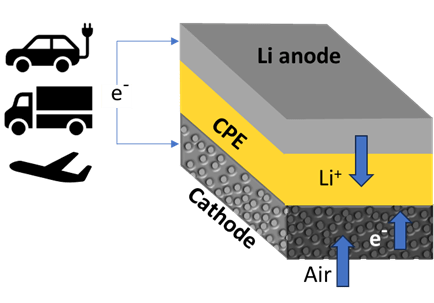
CATL's lithium-air numbers, checked against 15 years of published results
CATL chief scientist Wu Kai told a Beijing industrial forum on May 30, 2026 that the company has cleared 1,000 Wh/kg and 500 cycles with lithium-air chemistry in the lab, reviving a battery type IBM tried and abandoned by 2015. Published, peer-reviewed results run lower and under easier conditions: 700 cycles in simulated air (2018), 1,000 cycles in a single lab cell at room temperature with 1,200 Wh/kg only a stated design target rather than a measured result (2023), and 550 cycles from a new catalyst (2026), with almost none of it demonstrated in humid, carbon-dioxide-bearing air at the level of a full battery. A 1,200 Wh/kg figure widely repeated alongside coverage of CATL's forum remarks actually belongs to an unrelated Argonne/Illinois Tech result, and a 12,000 Wh/kg 'gasoline-level' figure circulating in the same coverage is generic background never attributed to CATL's own scientist. The startup furthest along commercially, Air Energy, is targeting wearables and drones first and electric vehicles only 'over the next five years,' extending a deferral pattern the chemistry has run since 2009.