 The Duck Curve
QuantumScape's Osprey pairs its ceramic separator with sulfide cathodes
QuantumScape says a two-layer lab cell ran 1,000 cycles to 80% capacity at 1 atm; its five-minute charge was run at 80 °C, and the energy density figure is a projection.
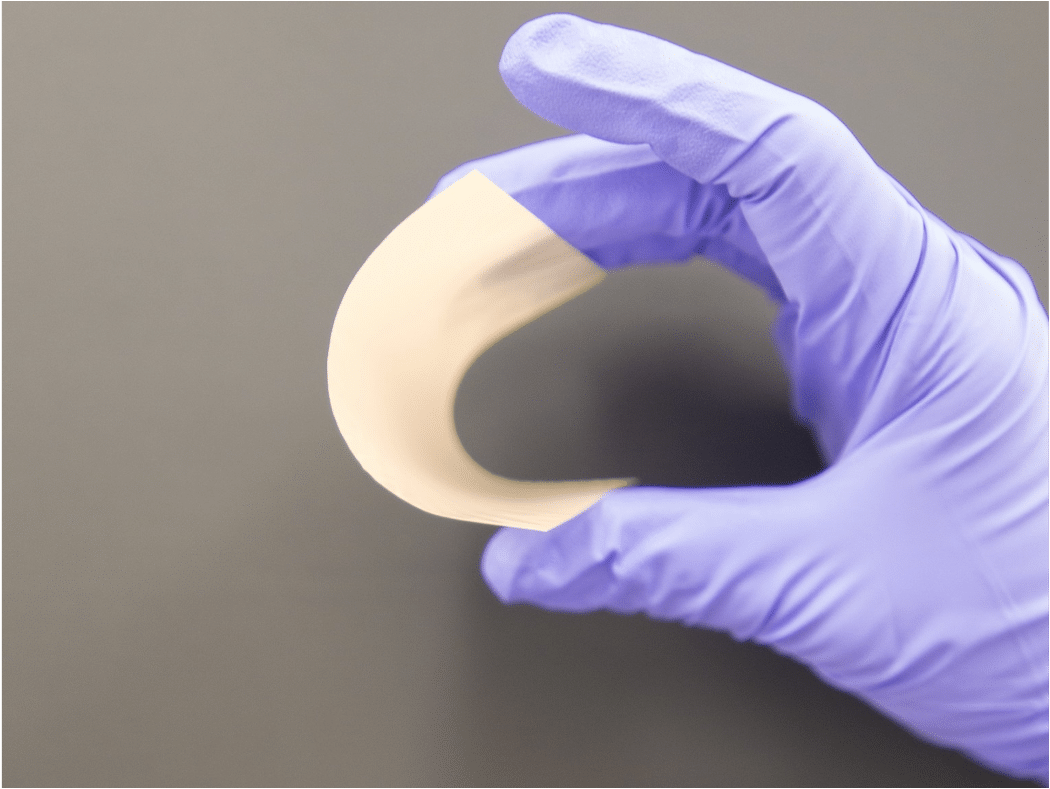
QuantumScape says a two-layer lab cell built on Osprey, its new all-solid-state platform, ran 1,000 full cycles to 80% capacity retention under 1 atmosphere of pressure, at 1C charge and discharge and 30 °C. The company published the results on November 11, 2026 in a whitepaper that pairs its ceramic separator and anode-free lithium-metal design with a solid cathode whose electrolyte is a sulfide. The figures are QuantumScape's own; neither the whitepaper nor the accompanying release cites testing by anyone outside the company.
The sulfide sits in the cathode, not between the electrodes. QuantumScape's current cells, the QSE platform behind its first product, the QSE-5, pair the ceramic separator with "a relatively conventional high-nickel NMC cathode and a liquid catholyte," the whitepaper says. Osprey swaps that liquid for a solid sulfide catholyte, which makes the whole cell solid. The separator stays ceramic.
A sulfide cell from the sulfide skeptic
That division of labor is the argument. Sulfide electrolytes are among the most popular routes to an automotive solid-state battery: they conduct lithium ions well and are relatively easy to process. Toyota, Samsung SDI, BYD and Factorial are among the companies working on them, per Electrek. Used as a separator, though, sulfides react with lithium metal, need high applied pressure to keep their contacts, perform poorly at room temperature and below, and have not shown fast charging with a lithium-metal anode, according to QuantumScape. The company believes those limits "are not simply engineering challenges but rather represent the fundamental properties of sulfide-based electrolyte materials."
Pressure is the one it illustrates. Its illustrative drawing of an all-solid-state pouch module held at about 20 atm shows roughly 5,000 kg of clamp force on every cell face and steel end plates about 22 mm thick, against about 4 mm in a lithium-ion module. QuantumScape's answer is to keep sulfide where it says sulfide works, in the cathode, and to sell the part it has long argued sulfide cannot be: the separator.
What the cells did, and under what conditions
The cycle-life test is the cleanest of the set: no heat and no high pressure, per QuantumScape's chart. The cell had two layers with a 50 mm by 65 mm cathode, the same area as the QSE-5 design, a dry cathode loaded at 5.5 mAh/cm2, and cycled from 0 to 100% state of charge. "To the best of our knowledge, no other sulfide-based solid-state cell has ever demonstrated this capability," the whitepaper says. The release puts it as "the world's first public data" showing a sulfide-based cathode cycling 1,000 times at one atmosphere.
The other headline numbers come with conditions the release leaves out:
- Fast charging. A two-layer cell charged at 10C went from 10% to 80% state of charge in 4.8 minutes at 80 °C, under a chart caption that reads "High temperature enables 5 min fast charge." The release lists "10% to 80% in five-minutes" with no temperature.
- Cold weather. A single-layer cell with a 21 mm by 21 mm cathode, cycled at 0.33C, kept 68% of its room-temperature capacity at -20 °C and 85% at 0 °C; the chart's notes say the 45 °C point was both charged and discharged at 45 °C. The whitepaper says the cells maintain accessible capacity "down to -20 °C," and the release's line reads "Operational to less than -20 °C."
- Energy density. The figure of up to "~1100 Wh/L" is a projection for large-format cells with high-loading cathodes. The cycling data behind those cathodes, at loadings up to 9.5 mAh/cm2, comes from 11 mm-diameter single-layer cells held at 3 atm and run for 100 cycles.
The whitepaper is candid about the distance to a product. Osprey cells have been built "at laboratory scale," higher-throughput processes are "in the development stage," and "significant work remains in process engineering to increase the speed and scale of the core Osprey process." QuantumScape's automotive customers generally prefer larger prismatic cells than the QSE-5, and those will likely need more layers and more area per layer than the two-layer units tested.
A platform to license
Osprey is pitched as "open." Customers can use QuantumScape's own sulfide cathode, made with a proprietary dry process, or bring their own and keep their cathode materials and supply chain while buying into the separator and anode-free design. QuantumScape says it has tested Osprey with all-solid cathodes developed both in-house and by its automotive customers, and that the platform "opens new licensing and co-development options for current QS customers." The release calls Osprey the company's "long-term technology solution" while QSE cells are already shipping to customers. The release says QuantumScape is also working with partners across the automotive industry on Osprey development; neither document names them.
QuantumScape and Volkswagen's battery company are renegotiating. QuantumScape's quarterly report for the period ended September 30, 2026 says that on October 21 it and PowerCo, the Volkswagen Group's battery company, amended their collaboration agreement to remove $7.0 million of transition payments due from PowerCo and to negotiate a revised scope of work and payments, including QuantumScape's "current and next generation technology roadmap and applications beyond automotive such as data centers or robotics." PowerCo will not make milestone payments while that negotiation runs. The license the two intend to sign once milestones are met, which comes with a $130 million prepaid initial royalty, covers "QS technology based on QSE-5," per the same filing. The filing does not name Osprey, which QuantumScape announced on November 11. As we reported on October 24, the 100 MWh line QuantumScape plans, with start of production targeted for 2028, is aimed at AI data centers, aerospace and defense.
Licensing is also the plan at Solid Power, which makes sulfide-based electrolyte and began commissioning a continuous electrolyte line in Colorado in October as it works toward selling electrolyte to cell makers and licensing its cell designs. Osprey would put QuantumScape's separator beside a customer's sulfide cathode, backed so far by 1,000 cycles of the company's own data and partners it has not named.
Sources
Primary
- Osprey: The Open Solid-State Platform · QuantumScape
Supporting
- QuantumScape Corporation Form 10-Q for the quarter ended September 30, 2026 · QuantumScape Corporation via SEC EDGAR
- QuantumScape unveils Osprey all-solid-state cell: 1,000 cycles at 1 atm · Electrek
- QuantumScape Expands Commercial Roadmap with Osprey, the Open All-Solid-State Platform for Battery Development · QuantumScape Corporation (GlobeNewswire distribution)
Copies of cited sources are retained where available. If a link no longer resolves, request a copy at contact@theduckcurve.com.