 The Duck Curve
USTR's overcapacity tariff plan leaves solar modules and batteries in scope
Outside China, polysilicon, lithium chemicals, graphite and uranium are exempt; lithium-ion batteries, inverters and wind turbines get relief only as civil aircraft articles. Comments are due January 5, 2027.
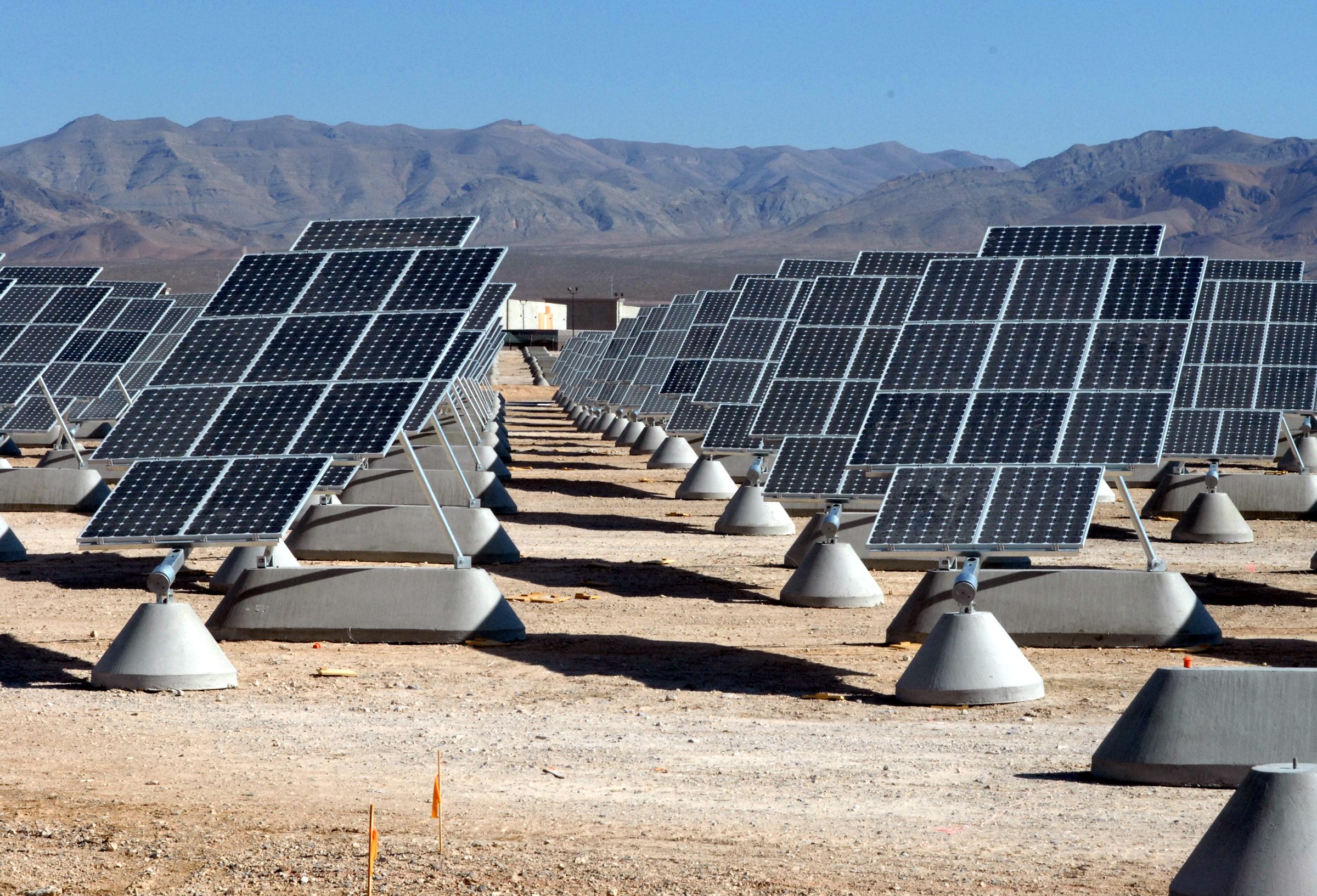
The US Trade Representative found on November 25, 2026 that the industrial policies of 14 economies create "structural excess capacity" that burdens US commerce, and proposed tariffs on nearly all of their goods: up to 35% for Vietnam, up to 25% for India, up to 20% for China and Singapore, up to 18% for Bangladesh, Cambodia, Indonesia, Malaysia and Thailand, 15% for the European Union and up to 15% for Japan, Korea, Taiwan and Switzerland (USTR). For clean energy, the exemption annexes draw a sharp line between raw materials and finished equipment. In 13 of the 14 notices, polysilicon, lithium carbonate and hydroxide, natural graphite and uranium are exempt; China's would tax them at up to 10%. Solar cells and modules are not listed at all, and lithium-ion batteries, inverters, wind turbines and heat pumps get relief only as civil aircraft articles.
None of it is in force. Written comments and requests to testify are due January 5, 2027, and the Section 301 Committee opens hearings at the US International Trade Commission on January 25, 2027. USTR made no determination on Mexico or Norway, the other two economies in the investigations it opened on March 11, 2026.
Raw materials out, equipment in
Outside China, the proposal follows one template (EU notice, Korea notice, Vietnam notice): a tariff on all goods of the economy, minus carve-outs, two of which matter for energy. The first covers goods already paying Section 232 tariffs: steel, aluminum and copper articles, passenger vehicles and light trucks, medium- and heavy-duty vehicles, parts of both, wood products, patented pharmaceuticals and semiconductor articles. That carve-out reaches electric cars and trucks from Korea, Japan or the EU that already pay the vehicle duties. The second is an annex of more than 2,100 tariff lines, which USTR says includes raw materials whose tariffing could leave domestic supply unavailable and products whose tariffing could cause economy-wide disruptions.
The annex is generous to the bottom of the clean-energy supply chain. It exempts silicon of at least 99.99% purity (polysilicon), lithium oxide and hydroxide, lithium carbonates, natural graphite, unwrought nickel and cobalt, and natural and enriched uranium, with no limitation attached.
Further up the chain the exemptions narrow to a single use. Lithium-ion batteries (8507.60.00), static converters, the power-electronics class that includes inverters (8504.40), wind-powered generating sets (8502.31.00), photovoltaic generators and heat pumps all carry an "Aircraft" limitation, which the notes define as articles of civil aircraft, their engines, parts and components. A battery for a grid storage project or a home is in scope at the full proposed rate, unless it is already paying a Section 232 duty as a vehicle part.
Solar cells sit in an odd hole. The annex walks heading 8541 almost line by line, exempting diodes, transistors, LEDs and "other photosensitive semiconductor devices", but leaves out subheadings 8541.42 and 8541.43, which the Harmonized Tariff Schedule assigns to photovoltaic cells, loose and assembled into modules. Integrated circuits are exempt outright; solar modules are not. Transformers classed under 8504.21 to 8504.23, which include the largest grid units above 10,000 kVA, are also absent from every annex.
China gets a discount list instead of an exemption list
The China notice works differently. It proposes up to 20% on most goods, net of the rate from a separate Section 301 action on forced labor, and up to 10% on goods in its Annex A, which repeats the base exemption list the other notices use. So the polysilicon, lithium chemicals and graphite that escape the new tariff when they come from Korea would pay up to 10% from China, while Chinese batteries, inverters and modules fall in the up-to-20% tier. USTR keeps an alternative of up to 40% on all Chinese goods if "ongoing engagements" fall short.
Chinese goods get no Section 232 carve-out at all. The only outright exemptions are 77 lines in Annex B, drawn from the US-China Board of Trade's "30-For-30" list: microwave ovens, toasters, billiard chalk, tennis balls and Christmas ornaments of glass or wood.
USTR's findings name the energy sectors outright. The China determination is "especially true" of sectors including battery, power equipment, solar and wind; the Cambodia and India lists include solar, and Indonesia's includes renewable energy.
Stacked on Section 232
For solar, the proposal would land on top of a trade regime that changes on December 4, 2026, when Proclamation 11052 imposes minimum import prices of $0.22 per watt for solar cells and $0.38 per watt for modules, plus a 15% duty on polysilicon ingots and derivatives. The Section 232 actions the 13 non-China notices exempt are steel, aluminum, copper, vehicles, wood, pharmaceuticals and semiconductors; polysilicon is not on that list. Cells and modules from India and Indonesia already carry the antidumping and countervailing duty orders covered in USITC clears solar cell duties on India, Indonesia and Laos.
For wind, the notices would do what Section 232 did not. The October 22 proclamation on wind turbine imports found a security threat but ordered negotiations rather than a tariff (our earlier coverage). Under these notices, wind-powered generating sets from all 14 economies would face the new tariffs; outside China, the notices spare any already paying Section 232 duties as steel or aluminum derivative articles.
Outlook
The annexes are proposals, and the comment questions invite exactly the fight the energy industry is likely to bring: USTR asks whether specific products should be retained or removed, and whether additional tariffs would seriously dislocate supply of the products or cause economy-wide disruptions. If the January filings follow the logic of the annex, developers and storage integrators have a ready argument for batteries and inverters, since USTR has already exempted the lithium and graphite that go into them. Solar is the harder case. The annex's near line-by-line treatment of heading 8541 suggests that leaving out photovoltaic cells was deliberate, and from December 4 those cells and modules will already be priced against the Section 232 floors.
⚠ The Outlook extrapolates from the comment questions in the USTR notices and from the annexes' treatment of battery raw materials and photovoltaic cells, together with the December 4, 2026 start of Proclamation 11052's minimum import prices; it predicts no outcome or rate.
Sources
Primary
- Notice of Determination and Request for Comments Concerning Proposed Action in the Section 301 Investigation of Korea Relating to Structural Excess Capacity and Production (pre-publication) · Office of the United States Trade Representative
- Notice of Determination and Request for Comments Concerning Proposed Action in the Section 301 Investigation of Acts, Policies, and Practices of China Relating to Structural Excess Capacity and Production in Manufacturing Sectors (pre-publication) · Office of the United States Trade Representative
- Notice of Determination and Request for Comments Concerning Proposed Action in the Section 301 Investigation of the European Union Relating to Structural Excess Capacity and Production (pre-publication) · Office of the United States Trade Representative
- USTR Makes Determinations and Proposes Actions in 14 Section 301 Investigations Relating to Structural Excess Capacity and Production in Manufacturing Sectors · Office of the United States Trade Representative
- Notice of Determination and Request for Comments Concerning Proposed Action in the Section 301 Investigation of Vietnam Relating to Structural Excess Capacity and Production (pre-publication) · Office of the United States Trade Representative
Supporting
- Adjusting Imports of Polysilicon and Its Derivatives Into the United States (Proclamation 11052, 91 FR 51975) · Executive Office of the President via Federal Register
- Harmonized Tariff Schedule of the United States: search results for 8541.4 · U.S. International Trade Commission
Copies of cited sources are retained where available. If a link no longer resolves, request a copy at contact@theduckcurve.com.