 The Duck Curve
Italy's second MACSE auction buys 16 GWh of storage, average price down 12%
South and Calabria took 9.6 GWh at about 5% below its round-one price while the other three zones cleared 26% to 28% lower; about 43 GWh was offered for the 16 GWh needed.
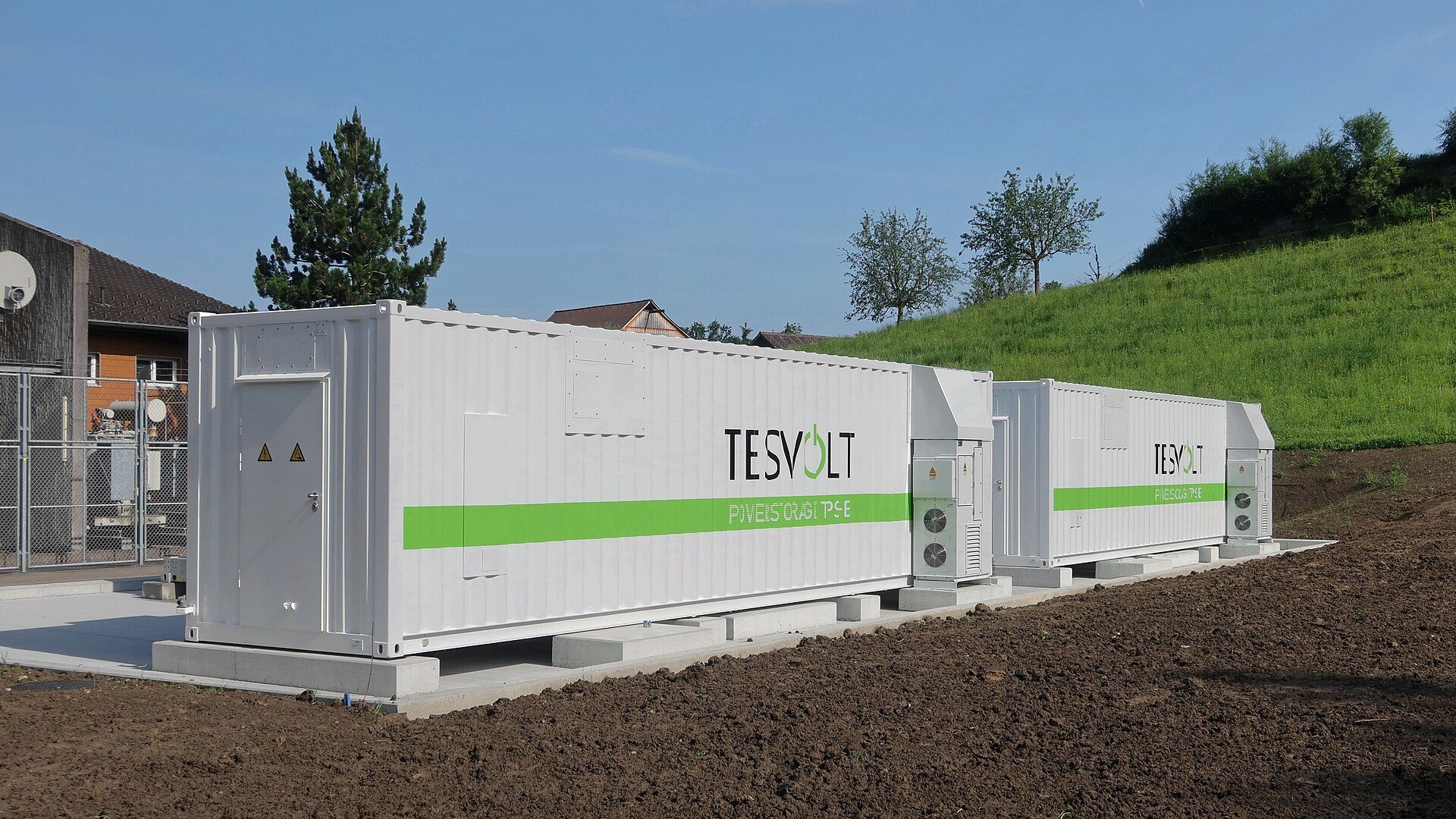
Italy's grid operator Terna procured 16 GWh of new battery storage in the south and the islands on November 24, 2026, in the second auction under MACSE, the country's storage procurement mechanism. The weighted average price was €11,382 per MWh per year, 12% below the first auction's and well under the €27,000 reserve premium, and the volume covers 100% of the requirement, Terna said. The lithium-ion plants are scheduled to enter operation in 2029.
Competition was thinner than in round one, though hardly thin. About 67 GWh of new projects qualified for the auction and about 43 GWh were offered, which Terna calls nearly three times the required volume. In the first auction, held on September 30, 2025 for 2028 delivery, bids exceeded demand by more than four times and 10 GWh was procured, Terna said then. By our arithmetic, about 24 GWh of qualified projects, more than a third, were not offered at all.
The auction ran in four areas, each with its own minimum and maximum volume. South and Calabria took 9.6 GWh, Sicily 3 GWh, Central-South 2.8 GWh and Sardinia approximately 0.5 GWh. Average clearing prices were €10,716/MWh-year in Central-South, €11,575 in South and Calabria, €11,467 in Sicily and €10,925 in Sardinia. MACSE buys and prices storage in energy terms, GWh and euros per MWh-year, rather than in power (the power-versus-energy distinction).
Where the 12% came from
The headline cut is an average of two very different stories. Central-South, Sicily and Sardinia each cleared 26% to 28% below their round-one prices of €14,566, €15,846 and €15,029, by our arithmetic from the two releases. South and Calabria moved about 5%, from €12,146 to €11,575, and it took 60% of this round's volume. The zone that was cheapest in 2025 is now the most expensive of the four, and it carries the weighted average.
The ceiling fell further than the price. Energy regulator ARERA set the reserve premium at €27,000/MWh-year on September 24, 2026 (resolution 332/2026/R/eel, in Italian), down from €37,000 for round one. It derives the cap from the cost of a new lithium-ion battery over a 15-year life, which it says equals the contract term in the MACSE rules, and its investment-cost figure dropped from €264,000 per MWh in 2025 to €189,790. By our arithmetic, this round cleared at about 42% of its cap; round one cleared at about 35% of its own.
That cap was itself raised after developers pushed back. ARERA's July consultation proposed €22,000, built on a battery cost of €61,000 per MWh drawn from a December 2025 BloombergNEF study. Nearly all respondents asked for more, citing China's announced removal from January 2027 of a 9% export tax rebate and lithium carbonate that went from about 73,000 yuan a tonne in October 2025 to 200,000 in May 2026. ARERA partly agreed: it put the battery cost at €72,000, raised its power-electronics and construction costs too, and landed at €27,000. The bids then came in 12% below 2025 anyway.
What Italy is buying, and why
The volume is set by a cost test rather than a target. Terna's methodology sizes the requirement so that the marginal cost of new storage stays below the benefit from reducing gas-fired generation costs, and the 16 GWh was approved by the Ministry of Environment and Energy Security after an ARERA opinion. ARERA's resolution records that the ministry confirmed the 16 GWh figure for 2029 in a May 20, 2026 decree, and that Terna is to update and resubmit its storage-requirement path every year.
At the average price, the premiums for this round come to about €182 million a year, by our arithmetic, against about €130 million a year for round one's 10 GWh. Together the two auctions have procured 26 GWh for 2028 and 2029 delivery.
Lithium-ion batteries are, so far, all MACSE has bought. Pumped hydro is supposed to join them, but Terna found in early 2026 that too few pumped-storage operators could finish permitting within the year to hold a dedicated hydro auction in 2026, ARERA's resolution says. ARERA has also told Terna to update its storage technology study every year, ahead of each auction, and to assess long-duration technologies beyond pumped hydro.
The auction lands in a market already crowded with permits. The environment ministry authorized nearly 7 GW of battery storage in September and October by pv magazine Italia's count, and ARERA in October cleared Terna's higher derating rates for new batteries in the 2028 capacity auction; all else equal, ARERA says, that cuts what new batteries contracted there can earn. MACSE pays a contracted premium for 15 years instead, and on the evidence of round two, about 43 GWh of projects wanted one.
Sources
Primary
Supporting
- Terna completes first MACSE auction: 10 GWh of energy storage capacity awarded · Terna
- Documento per la consultazione 283/2026/R/eel: orientamenti sul premio massimo relativo all'asta con anno di consegna 2029 · ARERA
- Deliberazione 24 settembre 2026 332/2026/R/eel: premio massimo per l'asta MACSE con anno di consegna 2029 · ARERA
Copies of cited sources are retained where available. If a link no longer resolves, request a copy at contact@theduckcurve.com.