The Duck Curve
#catl
BAIC widens CATL swap deal; Electrify America opens 24-charger Orlando site
BAIC Group will connect models from several brands to CATL's Choco battery-swap network toward a goal of one million swap vehicles. Electrify America opened its largest station, 24 chargers in Orlando, and the Dry Creek Rancheria Band of Pomo Indians deployed five of Beam Global's off-grid solar EV chargers.
CATL adds 77 kWh backup pack to swap trucks, plans 2,000 stations by 2027
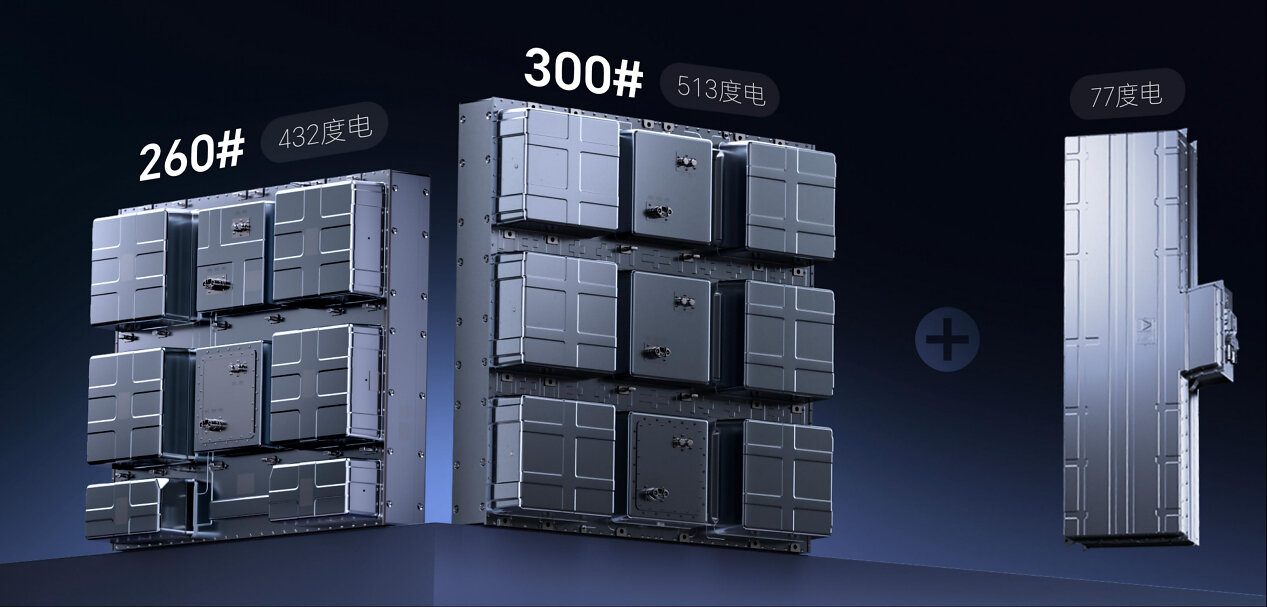
CATL on October 20, 2026 unveiled a heavy-truck system pairing a leased swappable main battery with a 77 kWh on-board backup pack, added 432 and 513 kWh swap blocks, and said it plans, with partners, 900 swap stations by the end of 2026 and 2,000 by 2027.
BMW opens Irlbach-Straßkirchen plant to assemble Neue Klasse batteries
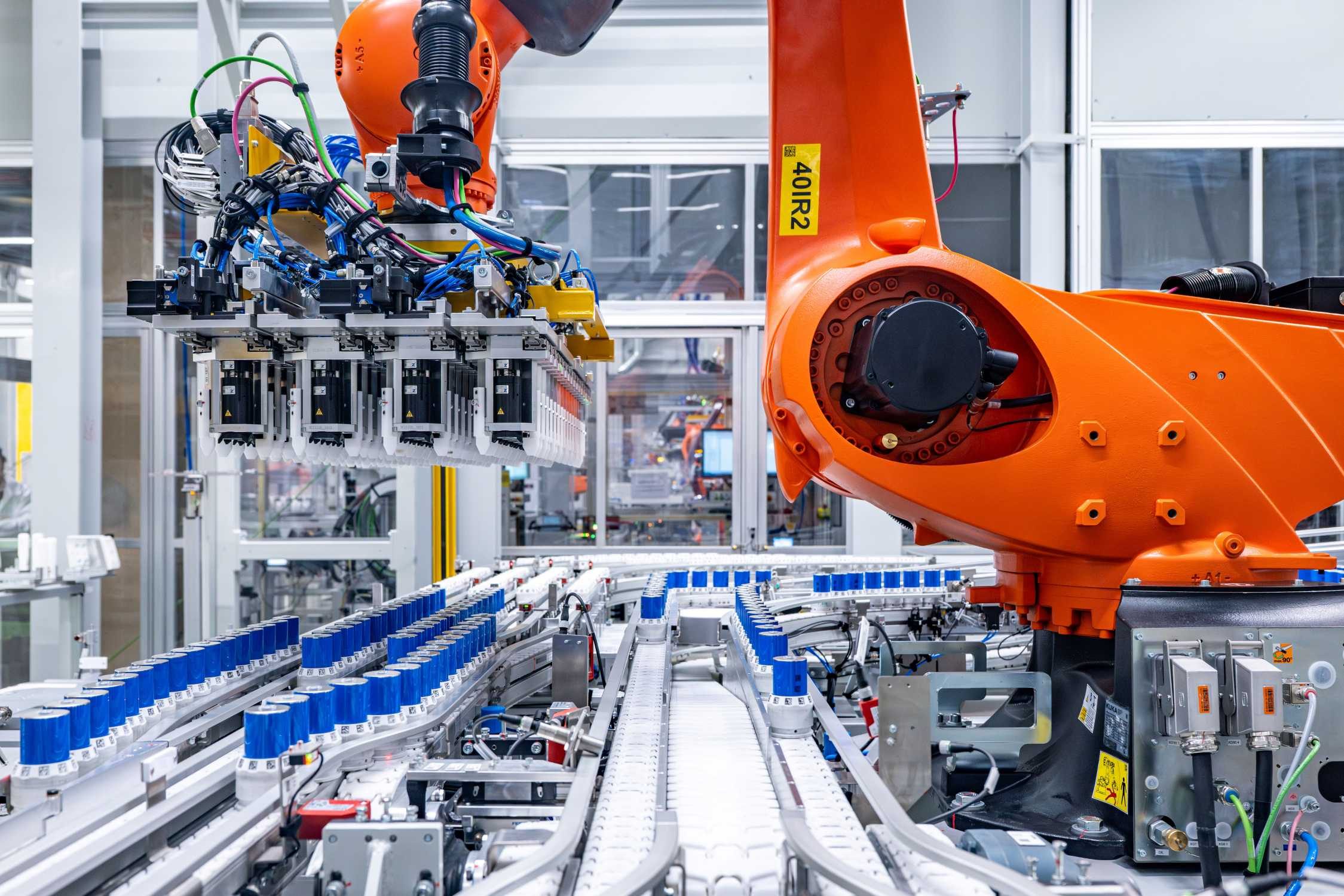
BMW Group opened its around €1 billion Irlbach-Straßkirchen plant in Bavaria on October 1, 2026, starting two-shift series production of sixth-generation high-voltage batteries for the new BMW i3 built in Munich. The plant assembles packs from cells BMW says come from leading cell manufacturers, which the release does not name; at full operation it expects around 1,600 employees and several hundred batteries a day on two lines, with no GWh capacity given.
CATL's lithium-air numbers, checked against 15 years of published results
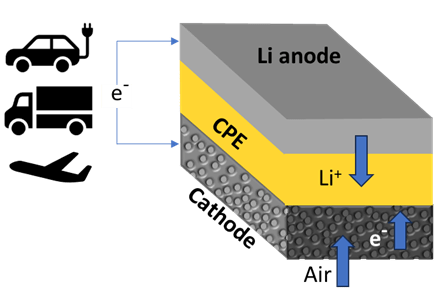
CATL chief scientist Wu Kai told a Beijing industrial forum on May 30, 2026 that the company has cleared 1,000 Wh/kg and 500 cycles with lithium-air chemistry in the lab, reviving a battery type IBM tried and abandoned by 2015. Published, peer-reviewed results run lower and under easier conditions: 700 cycles in simulated air (2018), 1,000 cycles in a single lab cell at room temperature with 1,200 Wh/kg only a stated design target rather than a measured result (2023), and 550 cycles from a new catalyst (2026), with almost none of it demonstrated in humid, carbon-dioxide-bearing air at the level of a full battery. A 1,200 Wh/kg figure widely repeated alongside coverage of CATL's forum remarks actually belongs to an unrelated Argonne/Illinois Tech result, and a 12,000 Wh/kg 'gasoline-level' figure circulating in the same coverage is generic background never attributed to CATL's own scientist. The startup furthest along commercially, Air Energy, is targeting wearables and drones first and electric vehicles only 'over the next five years,' extending a deferral pattern the chemistry has run since 2009.